How Often Do You Have to Feed Betta Fish
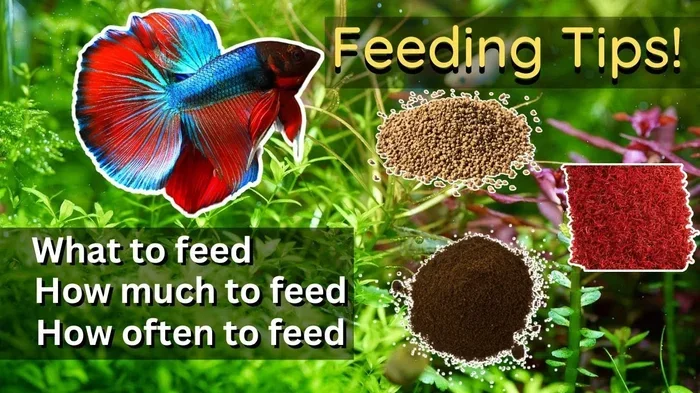
So, how often do you have to feed betta fish? The simple answer is once or twice a day, with small portions each time. A good betta fish feeding schedule keeps your fish healthy without overfeeding. In this guide, you will learn the right amount, the best foods, and common mistakes to avoid.
You just brought home a beautiful betta fish. You want to give it the best life possible. But one question keeps popping up: how often do you have to feed betta fish? It is a simple question, but the answer matters a lot. Feed too much, and your fish could get sick. Feed too little, and it will not thrive. This guide breaks it all down for you in plain, easy-to-follow steps.
Whether you are a total beginner or have had bettas for years, this article covers everything you need to know. We will look at the right betta fish feeding schedule, the best foods, how much to give, and what happens when things go wrong. By the end, you will feel confident about feeding your betta the right way every single day.
Key Takeaways
- Feed your betta once or twice a day: Small portions are better than large ones.
- Overfeeding is the biggest mistake: It can cause serious health problems and dirty your tank.
- A varied diet matters: Use pellets, flakes, and occasional treats like bloodworms.
- Watch for hunger and fullness signs: Your betta will tell you if something is off.
- Special situations need special care: Fry, vacations, and sick fish need different feeding plans.
- Consistency is key: A regular routine helps your betta thrive and live a long life.
📑 Table of Contents
- The Short Answer to How Often Do You Have to Feed Betta Fish
- What Happens If You Overfeed Your Betta Fish
- Best Foods for Your Betta Fish
- How to Build a Feeding Routine That Works
- Signs Your Betta Fish Is Hungry or Full
- Special Feeding Situations
- Common Mistakes People Make When Feeding Bettas
- Expert Insights on Betta Feeding
- Conclusion
The Short Answer to How Often Do You Have to Feed Betta Fish
Let us get straight to it. Most betta fish do well with one to two feedings per day. Each feeding should be a small amount — about two to three pellets or a tiny pinch of flakes. That is it. Your fish does not need a big meal every time.
The reason is simple. Bettas are small fish with short digestive systems. They cannot process large amounts of food at once. A little bit, given regularly, works much better. If you want to double-check your routine, you can also read our guide on how often do you feed a betta fish for more details.
Why Twice a Day Works Best
Feeding your betta twice a day mimics what happens in nature. In the wild, bettas eat small meals throughout the day. They snack on insects, larvae, and tiny creatures. A morning feeding and an evening feeding gives your fish a steady rhythm. It also helps with betta fish digestion and keeps energy levels stable.
Some owners feed once a day, and that can work too. But two smaller meals spread out is generally the best approach. If you are unsure about the exact amount, start small and watch your fish. You will quickly learn what works.
How Much Food Per Feeding
Here is a good rule of thumb. Give your betta only what it can eat in two minutes. Two to three pellets is usually enough. If you use flakes, a small pinch will do. Remove any uneaten food after a few minutes. Leftover food decays in the water and can harm your fish.
Keep in mind that bettas are not big eaters. They have tiny stomachs, roughly the size of their eye. This is why portion control is so important. If you want a deeper dive into portion sizes, check out how many times a day to feed a betta fish.
What Happens If You Overfeed Your Betta Fish
Overfeeding is the number one killer of pet bettas. It is also one of the most common mistakes new fish owners make. You love your fish, and it is tempting to give it extra food. But more food does not mean a healthier fish. In fact, it often leads to the opposite.
Digestive Problems and Constipation
When a betta eats too much, its digestive system gets backed up. This leads to constipation in betta fish, which can cause bloating, lethargy, and loss of appetite. A constipated fish will look swollen near the belly. It may float sideways or struggle to stay upright. These are clear warning signs that something is wrong.
The fix is simple. Stop feeding for one to two days. You can also feed a single pea (shell removed) to help things move along. More on that later in this guide.
Dirty Tank Water
Extra food that your fish does not eat will sink to the bottom and rot. This releases ammonia and other harmful chemicals into the water. Dirty water stresses your betta and can lead to infections and diseases. It also makes your tank look cloudy and unpleasant.
This is why how often you feed is directly tied to how often you clean. If you overfeed, you will need to do water changes more often. Keeping feeding portions small saves you time and keeps your fish healthier.
Shortened Lifespan
A chronically overfed betta will not live as long as a well-fed one. Bettas can live five years or more with proper care. But poor feeding habits can cut that life short significantly. A healthy diet and the right betta fish feeding schedule are two of the easiest ways to add years to your fish’s life.
Best Foods for Your Betta Fish
Not all fish food is created equal. Bettas are carnivores. They need a diet rich in protein. Let us look at the best options and how each one fits into your betta fish diet.
Betta Pellets
High-quality betta pellets are the foundation of a good diet. They are specially designed for bettas and contain the right balance of protein and nutrients. Look for pellets where the first ingredient is fish meal or shrimp. Avoid cheap pellets filled with fillers like corn or wheat.
Feed two to three pellets per meal. They expand in water, so do not give too many at once. Pellets are easy to portion and sink slowly, which gives your betta time to eat.
Betta Flakes
Flakes are another popular option, but they come with a few downsides. They break apart quickly and can make the water cloudy. If you use flakes, give only a tiny pinch. Make sure your betta actually eats them before they dissolve. Some bettas prefer pellets over flakes, so you may need to experiment.
For more on flakes specifically, read how often do you feed betta fish flakes.
Frozen and Live Foods
Treats like frozen bloodworms, brine shrimp, and daphnia are excellent for bettas. They add variety and extra protein to the diet. Use these as occasional treats, not daily meals. Once or twice a week is plenty. Live foods are great too, but they can carry parasites, so frozen is often the safer choice.
These foods make feeding time more exciting for your betta. They also encourage natural hunting behavior, which keeps your fish active and engaged.
Foods to Avoid
Not everything you find at the pet store is safe for bettas. Here are some foods to skip:
- Tropical flakes: These are made for community fish, not bettas. They lack the protein bettas need.
- Goldfish food: Wrong nutrition profile and can cause digestive issues.
- Bread or human food: Bettas cannot digest these. It will make them sick.
- Feeding too many treats: Even good foods become bad in excess.
How to Build a Feeding Routine That Works
A good routine makes everything easier. Your betta will know when to expect food, and you will stay consistent. Consistency is one of the most underrated parts of betta fish care.
Morning and Evening Feedings
Pick two times each day that work for you. Many owners feed in the morning before work and in the evening when they get home. This creates a natural rhythm. Your betta will start swimming toward the surface at feeding time, which is a fun part of fish keeping.
Try to keep the time gap between feedings even. For example, feed at 8 AM and 6 PM every day. This helps with betta fish digestion and keeps the metabolism steady.
Fast Days
Here is a tip many experienced owners swear by. Skip one feeding per week. This gives your betta’s digestive system a chance to clear out. Fast days help prevent constipation and bloating. It might feel strange at first, but your fish will be just fine.
Some owners fast their betta for one full day every week. You can pick any day that fits your schedule. Just make sure you resume normal feeding the next day.
Adjusting for Your Betta’s Age
Young bettas and fry need more frequent feedings. Baby bettas should eat three to four times a day in tiny amounts. As they grow, you can reduce to twice a day. Older bettas may eat less and need smaller portions. Always pay attention to your fish’s appetite and adjust accordingly.
If you are caring for a young betta, you might find our article on how to feed betta fish fry especially helpful.
Signs Your Betta Fish Is Hungry or Full
Your betta will tell you if something is off with its feeding. You just need to know what to look for. Here are the most common signs.
Signs of Hunger
- Swimming near the top of the tank and begging for food
- Acting restless or pacing along the glass
- Eating very quickly when food is added
- Lethargy or low energy between feedings
Signs of Overfeeding
- A swollen or bloated belly
- Uneaten food sitting on the tank floor
- Lethargy and staying at the bottom of the tank
- Floating sideways or struggling with buoyancy
- Loss of interest in food even when it is offered
If you notice any of these signs, adjust your feeding right away. A hungry betta can be fed a little more. An overfed betta needs a break from food and possibly a pea treatment.
Special Feeding Situations
Not every feeding situation is the same. Sometimes you need to adjust your approach based on what is happening.
Feeding When You Are on Vacation
Going on vacation does not mean your betta goes hungry. You can use an automatic fish feeder or ask a friend to feed your fish. For short trips under a week, your betta can safely skip feedings. Just give a normal portion when you return. If you want more tips, check out how to feed my betta fish for vacation planning advice.
Feeding Sick or Recovering Bettas
A sick betta may not have much of an appetite. In these cases, offer small, easy-to-digest foods. Soaked pellets or a tiny piece of peeled pea can help. Keep feedings small and frequent rather than large and infrequent. If your fish refuses food for more than two days, consult a vet.
Feeding Multiple Bettas
If you keep more than one betta, feed them separately. Bettas are territorial and may fight over food. Use a feeding ring or target feed each fish individually. This ensures everyone gets the right portion without stress.
Common Mistakes People Make When Feeding Bettas
Even experienced fish keepers slip up sometimes. Here are the most common feeding mistakes and how to avoid them.
- Feeding too much at once. Remember the two-minute rule. Your betta can only eat a tiny amount at a time.
- Skipping variety. Pellets alone do not provide all the nutrients. Add frozen or live treats for balance.
- Feeding on an irregular schedule. Bettas thrive on routine. Try to feed at the same times each day.
- Ignoring uneaten food. Remove leftover food within five minutes to keep the water clean.
- Using the wrong food. Not all fish food is suitable for bettas. Always check the ingredients.
Avoiding these simple mistakes will go a long way in keeping your betta healthy and happy for years to come.
Expert Insights on Betta Feeding
Veterinarians and experienced betta keepers agree on a few key principles. First, less is more. Bettas do not need large meals. Second, variety is important for overall health. Third, consistency beats perfection. A regular schedule with small portions will outperform any fancy feeding strategy.
Most experts recommend a diet that is about 30% protein for adult bettas. Pellets should make up the bulk of the diet, with treats like bloodworms and brine shrimp added a couple of times a week. This balanced approach supports betta fish health from the inside out.
If you ever feel unsure about what to feed, start with quality pellets and build from there. Your betta will thrive on a simple, consistent routine. For more advice on daily care, also see are you supposed to feed betta fish everyday.
Conclusion
So, how often do you have to feed betta fish? The answer is clear: once or twice a day, with small portions each time. Stick to a regular schedule, watch your fish for signs of hunger or overfeeding, and offer a varied diet of pellets, flakes, and occasional treats. Avoid the common mistake of overfeeding, and your betta will live a long, healthy, and happy life.
Feeding your betta does not have to be complicated. A little bit of knowledge and a consistent routine go a long way. You now have everything you need to feed your betta the right way. Put this advice into practice today, and your fish will thank you for it.
Frequently Asked Questions
Can I feed my betta fish once a day instead of twice?
Yes, once a day can work fine for most bettas. Just make sure the portion is enough to satisfy your fish. Some owners prefer twice a day because it mimics natural eating patterns better. Both approaches can work if you pay attention to your betta’s health and appetite.
What is the best time of day to feed my betta fish?
Morning and evening are the best times. Feeding at the same times each day helps build a routine. Your betta will become more active and expect food at those times. Consistency is more important than the exact hour you choose.
Can betta fish go without food for a weekend?
Yes, bettas can safely go without food for two to three days. A weekend trip will not harm your fish. In fact, a short fast can be good for digestion. Just resume normal feeding when you return and do not give extra food to make up for the missed meals.
How do I know if I am feeding my betta too much?
Watch for a bloated belly, uneaten food in the tank, and your fish floating sideways. These are clear signs of overfeeding. If you notice these symptoms, reduce the portion size and skip one feeding to let your fish recover.
Are bloodworms a good everyday food for bettas?
No, bloodworms should only be given as an occasional treat. They are high in protein but lack complete nutrition. Use them once or twice a week alongside a staple diet of pellets or flakes. Too many bloodworms can cause digestive issues.
Do betta fish stop eating when they are full?
Bettas do not always know when to stop eating. They will often eat as much as you offer. This is why it is so important for you to control portion sizes. Give only a small amount and remove anything left uneaten after a few minutes.