Are Betta Fish Saltwater

Betta fish are exclusively freshwater fish, not saltwater. Their unique labyrinth organ allows them to breathe atmospheric air, a trait evolved for surviving in shallow, warm, often stagnant freshwater pools in Southeast Asia. Placing a betta in saltwater is rapidly fatal, causing severe osmotic stress, kidney failure, and gill damage. Proper betta care requires a heated, filtered, and conditioned freshwater aquarium that mimics their natural tropical habitat.
You’ve seen them. Those dazzling, flowing-finned fish in tiny cups at the pet store, sometimes labeled vaguely as “Siamese fighting fish.” A common question bubbles up, especially for new owners: are betta fish saltwater? It’s a critical question with a definitive answer that can mean the difference between life and death for your aquatic pet. The short, unequivocal response is no. Betta fish are freshwater fish. This isn’t a matter of preference; it’s a fundamental biological truth etched into their very being through millions of years of evolution in the tropical freshwater ecosystems of Southeast Asia. Understanding why saltwater is lethal to them is the first and most important step in providing the care they need to thrive, not just survive.
This guide will dive deep into the origins, physiology, and specific needs of the betta fish. We will dismantle the persistent myths that sometimes swirl around these fascinating creatures and replace them with clear, actionable, science-backed information. By the end, you will not only know the answer to “are betta fish saltwater?” but you will also possess the knowledge to create a vibrant, healthy freshwater environment where your betta can display its full personality and brilliant colors for years to come.
Key Takeaways
- Betta fish are freshwater fish: They originate from the shallow, warm, freshwater rice paddies, streams, and floodplains of Thailand, Cambodia, and Vietnam.
- They possess a labyrinth organ: This specialized respiratory structure allows them to gulp air from the surface, an adaptation for oxygen-poor freshwater, not for extracting oxygen from saltwater.
- Saltwater is acutely toxic to bettas: It causes immediate osmotic shock, where the fish’s body loses critical water to the saltier environment, leading to dehydration, kidney shutdown, and death.
- Proper care requires a freshwater setup: A minimum 5-gallon heated (78-80°F/25-27°C), filtered tank with dechlorinated water is essential for their long-term health and well-being.
- Myths persist but are dangerous: The idea that bettas can tolerate brackish or saltwater is a dangerous myth with no scientific basis and can quickly kill your fish.
- Water conditioning is non-negotiable: Tap water contains chlorine and heavy metals toxic to bettas; always use a complete water conditioner before adding it to their tank.
[FEATURED_IMAGE_PLACEHOLDER]
📑 Table of Contents
- The Betta’s Natural Home: Freshwater Origins
- The Betta’s Unique Physiology: Built for Freshwater
- Why Saltwater is Lethal: The Science of Osmotic Shock
- Providing Proper Freshwater Care for Your Betta
- Debunking Common Betta Myths
- Signs of a Healthy vs. Unhealthy Betta in Freshwater
- Conclusion: A Commitment to Freshwater Excellence
The Betta’s Natural Home: Freshwater Origins
To understand a betta’s needs, we must travel to its homeland. The betta splendens, commonly known as the Siamese fighting fish, is native to the continental shelf of Southeast Asia, primarily in Thailand (formerly Siam, hence the name), Cambodia, Laos, and Vietnam. Their natural habitat is not the vast ocean but the shallow, often ephemeral, freshwater ecosystems that characterize the region.
Rice Paddies, Streams, and Floodplains
Picture the tropical landscape: massive, flooded rice paddies during the monsoon season, slow-moving streams shaded by dense vegetation, and the murky edges of ponds and canals. These are the worlds bettas evolved in. The water is typically warm, often stagnant or slow-flowing, and can be low in dissolved oxygen due to decaying plant matter and high temperatures. It is freshwater, with a negligible salinity, similar to rainwater or tap water. The betta’s entire biology—from its feeding habits (insect larvae, small crustaceans, mosquito larvae) to its breeding behavior (building bubble nests at the water’s surface)—is adapted to this specific freshwater environment.
The Dry Season and Survival Instinct
A key evolutionary pressure was the annual dry season. As the monsoon waters receded, bettas would become trapped in isolated, shrinking puddles and muddy pools. The oxygen levels in these small, hot bodies of water could plummet. It was in this crucible that their most famous adaptation arose: the labyrinth organ. This accessory breathing organ, located in a chamber above the gills, allows the betta to extract oxygen directly from the air. They routinely swim to the surface to gulp a bubble of air. This is a freshwater adaptation for surviving in oxygen-poor water, not a mechanism for living in saline conditions. Their whole existence is tied to freshwater.
The Betta’s Unique Physiology: Built for Freshwater
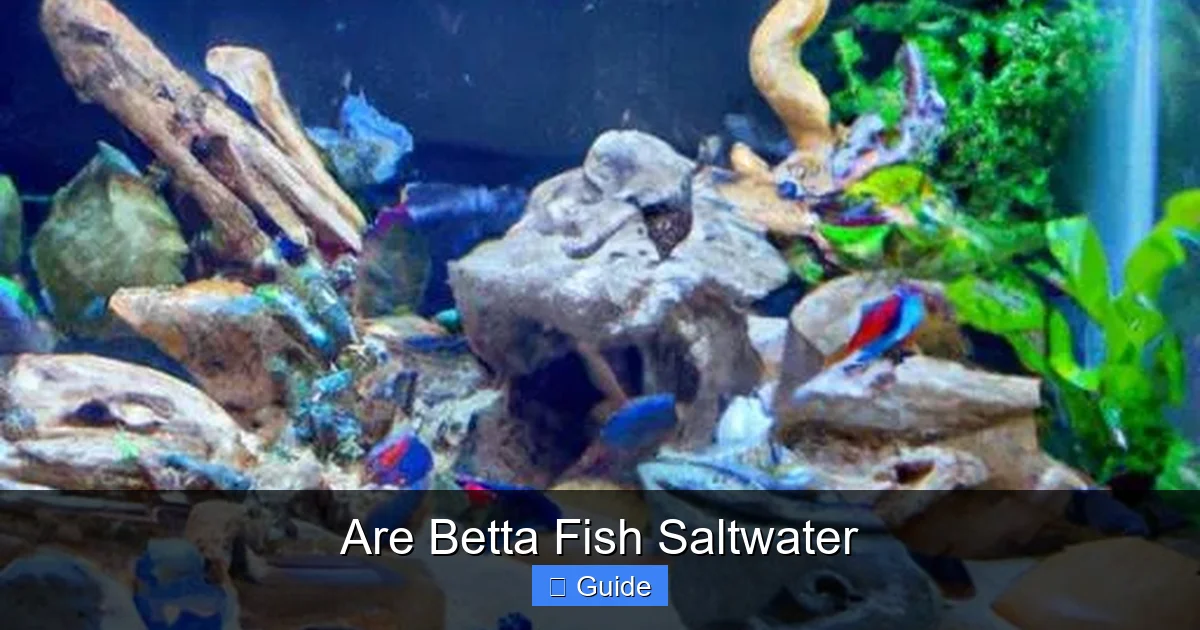
The question “are betta fish saltwater?” can be answered with a simple look at their internal plumbing. Fish, in general, are osmoregulators—they work hard to maintain a balance of water and salts (electrolytes) inside their bodies compared to the surrounding water. Freshwater fish and saltwater fish have opposite, highly specialized strategies for this.
Visual guide about Are Betta Fish Saltwater
Image source: curacao-nature.com
Osmoregulation in a Freshwater World
In a freshwater environment, the water outside the fish’s body is less concentrated (hypotonic) than the fluids inside its cells. This creates a constant, passive influx of water into the fish’s body through its skin and gills. To compensate, freshwater fish like the betta have:
- Kidneys that produce very dilute, copious urine to expel the excess water.
- Gills that actively absorb salts from the environment to replace those lost in the urine, maintaining essential electrolyte balance.
This entire system is exquisitely tuned for a freshwater medium. It is a one-way valve designed for one specific osmotic direction.
The Labyrinth Organ: An Air-Breathing Marvel
This is the betta’s signature feature. The labyrinth organ is a folded, bony structure packed with blood vessels, resembling a maze (hence “labyrinth”). It acts like a primitive lung. When a betta gulps air at the surface, the air travels to this organ, where oxygen diffuses directly into the bloodstream. This adaptation provides a massive survival advantage in warm, oxygen-depleted freshwater but is completely useless in a saltwater context. It does not help them process salt; it merely supplements their gill-based respiration. This organ is a clear indicator of a fish evolved for a specific, challenging freshwater niche.
Why Saltwater is Lethal: The Science of Osmotic Shock
Now, let’s see what happens when you introduce this finely-tuned freshwater machine into saltwater. The result is a rapid and brutal cascade of physiological failure known as osmotic shock. The fundamental principle is this: water moves from areas of low solute concentration to areas of high solute concentration.
The Reverse Influx: A Desiccating Environment
In saltwater, the external environment is hypertonic—it has a much higher concentration of salt than the betta’s internal body fluids. This reverses the osmotic gradient. Instead of water passively entering the fish, water is now violently pulled out of the fish’s body through its gills, skin, and kidneys. The betta’s body, assuming it’s in freshwater, is suddenly and catastrophically dehydrating from the inside out.
The Kidney’s Futile Struggle
The betta’s freshwater-adapted kidneys are not built for this. They are designed to excrete large volumes of dilute urine. In saltwater, they would have to produce tiny amounts of highly concentrated, saline urine to conserve water—a function they are physiologically incapable of performing efficiently. They cannot reverse their programming. The result is a rapid loss of body fluids, leading to:
- Severe dehydration of tissues and organs.
- Electrolyte imbalance as critical salts are lost with the escaping water.
- Kidney failure as the organs are overwhelmed and begin to shut down.
- Gill damage as the delicate gill filaments, which are designed to absorb salts in freshwater, are exposed to a corrosive, dehydrating saline environment, impairing oxygen uptake even further.
This process is not slow. A betta placed directly into saltwater will show signs of extreme distress—gasping at the surface (not for air, but due to gill failure), lethargy, loss of color, and clamped fins—within minutes to hours, leading to death, often within 24 hours. There is no safe acclimation process. The answer to “can betta fish live in saltwater?” is a definitive, fatal no.
Providing Proper Freshwater Care for Your Betta
Knowing they are freshwater fish is only half the battle. The word “freshwater” is a broad category. “Just put them in a bowl of tap water” is a tragic oversimplification that leads to the suffering and premature death of countless bettas. Proper care means replicating the key parameters of their natural tropical freshwater home.

Visual guide about Are Betta Fish Saltwater
Image source: fishkeepertank.com
Tank Size and Setup: Beyond the Cup
The iconic tiny cup is a marketing nightmare, not a home. A 5-gallon (19-liter) tank is the absolute bare minimum for a single betta, and larger is always better. This volume provides stable water parameters, room for gentle filtration, and space for the fish to explore. A secure lid is essential, as bettas are skilled jumpers. Provide a soft, non-abrasive substrate (sand or smooth gravel) and plenty of hiding places using live or silk plants, driftwood, and caves. Avoid sharp decorations that can tear their delicate fins.
Heating and Filtration: Non-Negotiable Parameters
Bettas are tropical fish. The water temperature must be maintained steadily between 78°F and 80°F (25-27°C). A reliable aquarium heater with a thermostat is mandatory. Cold water (<74°F/23°C) suppresses their immune system, slows metabolism, and can lead to lethargy and disease. Filtration is equally critical. A gentle filter (like a sponge filter or a hang-on-back filter with a flow baffle) is needed to cycle the tank, removing toxic ammonia and nitrites produced by fish waste. The flow should be minimal, as bettas have long fins that make them poor swimmers in strong currents. The filter media should be rinsed in old tank water (not tap water) to preserve beneficial bacteria.
Water Conditioning and the Nitrogen Cycle
Tap water is a chemical cocktail lethal to fish. It contains chlorine, chloramines, and heavy metals. You must treat every drop of tap water with a complete water conditioner before it touches your betta or his tank. This neutralizes these toxins instantly.
Furthermore, you must establish the nitrogen cycle in the tank before adding your betta. This is the growth of beneficial bacteria that convert toxic fish waste (ammonia) into less harmful nitrates. This process takes 4-6 weeks. Use a liquid test kit to monitor ammonia, nitrite, and nitrate levels. Only once ammonia and nitrite are consistently at 0 ppm is the tank safe for your betta. This is the single most important technical aspect of fishkeeping.
Debunking Common Betta Myths
The world of betta care is riddled with well-intentioned but dangerous myths. Let’s clear the most persistent ones, especially those related to water chemistry.
Visual guide about Are Betta Fish Saltwater
Image source: curacao-nature.com
Myth: “Bettas Come from Puddles, So They Don’t Need Clean Water.”
This is perhaps the most damaging myth. While they do come from shallow environments, those environments are part of a vast, connected ecosystem with natural filtration from plants, mud, and microorganisms. A tiny, unfiltered bowl is a stagnant, toxic soup where ammonia builds up rapidly, burning the betta’s gills and poisoning it. The “puddle” myth ignores the scale and natural balance of their actual habitat.
Myth: “A Little Aquarium Salt Helps Betta Health.”
Do not add marine salt or aquarium salt to a betta tank under normal circumstances. This myth likely stems from the misuse of salt as a treatment for some external parasites in *other* freshwater fish species. For a healthy betta in a properly cycled freshwater tank, salt is unnecessary and harmful. It disrupts their delicate osmoregulation, stresses their kidneys, and can damage their labyrinth organ. Salt is sometimes used as a short-term, last-resort treatment for specific fungal or bacterial infections under the guidance of an aquatic veterinarian, but it is not a routine supplement. For a healthy betta, clean, conditioned freshwater is the only correct choice.
Myth: “They Can Breathe Air, So Water Quality Doesn’t Matter.”
While their labyrinth organ is a fantastic backup system, it does not replace healthy gills. Poor water quality poisons the betta through its gills and skin regardless of its ability to gulp air. Ammonia burns are incredibly painful and damage respiratory tissue. The labyrinth organ is for surviving low oxygen, not for surviving in a toxic environment. Excellent water quality is paramount.
Signs of a Healthy vs. Unhealthy Betta in Freshwater
Knowing what to look for helps you catch problems early. A healthy betta in proper freshwater conditions is a sight to behold.
Hallmarks of Health
- Vibrant, rich coloration (reds, blues, greens should be intense).
- Long, flowing, undamaged fins with no tears, black edges (sign of rot), or missing pieces.
- Active and curious behavior, exploring the tank, flaring at his reflection or you.
- Clear, bright eyes (not bulging or cloudy).
- Erect, healthy-looking gill covers (not red, inflamed, or covering the gills excessively).
- A healthy appetite, readily eating high-quality pellets, frozen, or live foods.
Signs of Stress and Disease (Often from Poor Water)
- Faded or dull coloration.
- Clamped fins (held tightly against the body).
- Lethargy, resting on the bottom or plant for long periods.
- Loss of appetite.
- Rapid gill movement (indicating respiratory distress from poor water quality or low oxygen).
- Scratching or rubbing against objects (sign of itch from parasites or poor water).
- Frayed, torn, or black-margined fins (fin rot, often bacterial and linked to poor water).
- Swollen body, raised scales, or protruding eyes (signs of serious internal disease like dropsy, often secondary to chronic stress/poor water).
If you see these signs, the first and most common culprit is almost always water quality. Test your parameters immediately and perform a partial water change with properly conditioned water.
Conclusion: A Commitment to Freshwater Excellence
So, are betta fish saltwater? The evidence from their natural history, their unique labyrinth organ, and the brutal science of osmoregulation provides a thunderous, unambiguous answer: no, they are not. They are stunning, intelligent, and complex freshwater fish whose beauty is matched only by the specificity of their needs. The myth of the hardy cup-dweller has done immeasurable harm. It’s time to replace it with the truth: the betta is a tropical freshwater aristocrat that demands a heated, filtered, and meticulously maintained aquarium.
Choosing a betta is a commitment to understanding and replicating the warm, clean, oxygen-rich freshwater ecosystems of Southeast Asia. It means investing in a proper tank, a heater, a gentle filter, and a water conditioner. It means learning about the nitrogen cycle and performing regular maintenance. This effort is not a burden; it is the gateway to witnessing the true splendor of these fish. A well-cared-for betta will perform acrobatic flips, flare its gills in a spectacular display, learn to recognize you, and become a centerpiece of serene beauty in your home. You owe it to this magnificent creature to give it the life it was biologically designed for: a life in clean, warm, freshwater. Ditch the cup, embrace the tank, and provide the freshwater excellence your betta deserves.
Frequently Asked Questions
Can I put a betta fish in saltwater to treat an illness?
No. Adding salt to a freshwater betta tank as a general health tonic or treatment is dangerous and not recommended. While some specific, severe bacterial or fungal infections may be treated with a short-term salt bath under veterinary guidance, salt is not a routine care product for bettas. It disrupts their osmoregulation and can cause more harm than good. Always consult an aquatic veterinarian before using any medication or salt.
What happens if I accidentally put my betta in saltwater?
It is a medical emergency. Immediately and gently transfer your betta to a clean, separate quarantine tank filled with properly conditioned, temperature-matched freshwater. Do not return it to its main tank if the main tank’s water is also contaminated with salt. Monitor it closely for signs of extreme stress (gasping, lethargy). Perform frequent small water changes with fresh, conditioned water to help dilute any residual salt in its system. Seek advice from a qualified aquarium store or veterinarian immediately.
Do bettas need salt in their freshwater tank to be healthy?
Absolutely not. Bettas thrive in clean, dechlorinated freshwater with stable parameters. Adding aquarium salt or marine salt to a healthy, cycled freshwater tank provides no known health benefits for a betta and introduces unnecessary stress to their osmoregulatory system. Focus on maintaining pristine water quality through filtration and regular water changes instead.
Can bettas live in brackish water (a mix of fresh and salt)?
No. Bettas are strict freshwater fish. While their natural habitat can have very slight mineral content from soil and leaf litter, it is not brackish. Brackish water has a significant salinity level (typically 1.005-1.020 specific gravity) that is immediately and fatally stressful to a betta. They lack the physiological adaptations to regulate salt in such an environment.
What is the best water for a betta fish?
The best water is clean, dechlorinated freshwater. Use a reliable water conditioner that neutralizes chlorine, chloramines, and heavy metals. The water should be heated to a stable 78-80°F (25-27°C) and filtered. The tank must be fully cycled to process ammonia and nitrite. The specific source (tap, RO/DI remineralized) matters less than ensuring it is properly conditioned and parameters are stable.
Why do some pet stores keep bettas in small cups with treated water?
This is a logistical and economic practice, not a welfare recommendation. Stores use small containers for short-term holding and display. The water is often treated with a high concentration of salt or medication to inhibit disease spread in the crowded conditions. This is a survival tactic for the store, not a suitable long-term environment. The moment you bring a betta home, it must be acclimated to a proper, cycled freshwater aquarium. The cup is a temporary transport vessel, not a home.