How Long Can Betta Fish Survive Without Water
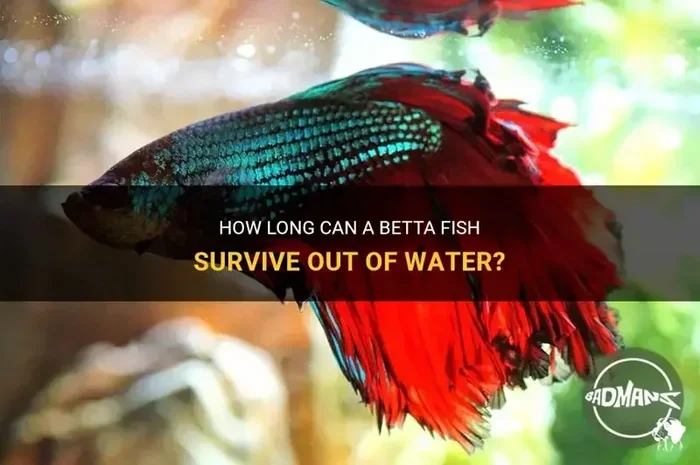
Betta fish can survive out of water for a few hours to several days depending on conditions. Their unique labyrinth organ allows them to breathe air, giving them an edge over other freshwater fish. However, surviving and thriving are two very different things, and proper water conditions remain essential for long-term betta fish health.
h2 How Long Can Betta Fish Survive Without Water
p Betta fish are fascinating creatures. They have bright colors, flowing fins, and a personality that seems bigger than their tiny bodies. But one question many new owners ask is: how long can betta fish survive without water? The answer might surprise you.
p The truth is, betta fish can live for a short time outside of water. But “short” is the key word here. We are talking about hours, not days. And even then, a lot depends on the environment around them. This guide breaks down everything you need to know about betta fish survival without water.
p If you have ever wondered what happens when a betta fish jumps out of its tank or gets accidentally exposed to air, you are in the right place. Let us dive into the science, the factors, and what you can do to protect your fish.
h2 Why Can Betta Fish Survive Outside Water at All
p Most fish rely entirely on their gills to pull oxygen from water. Betta fish are different. They have a special organ called the labyrinth organ. This amazing adaptation lets them breathe air directly from the surface.
h3 The Labyrinth Organ Explained
p The labyrinth organ works like a tiny lung. It allows bettas to absorb oxygen from the air. In the wild, bettas often live in shallow, slow-moving waters. Sometimes those waters have very low oxygen levels. So over time, bettas evolved this clever trick to survive.
p This is also why you will see your betta swimming to the surface and taking a gulp of air. It is completely normal behavior. But it also means they can survive for a short period if they end up out of water.
h3 How Long Can a Betta Fish Survive Out of Water
p So how long can a betta fish survive out of water in real-world conditions? Most experts say a few hours. But under the right conditions, some bettas have been reported to survive for up to a day or even slightly longer.
p Here is the catch. Survival does not mean the fish is unharmed. Even a few hours out of water can cause stress, dehydration, and damage to the gills. The fish might recover, but it could face health problems later.
p If you want to learn more about the science behind this, you can read our detailed article on how long can a betta fish survive out of water for deeper insights.
h2 Factors That Affect Betta Fish Survival Without Water
p Not all situations are the same. Several factors determine how long a betta fish can last outside its water. Let us look at each one closely.
h3 Humidity Levels
p Humidity is a big deal. If the air is moist, a betta fish can hold onto moisture in its gills and skin longer. In a humid bathroom or near a damp surface, survival time increases. But in a dry room with low humidity, the fish dries out fast.
p Think of it like this. A wet towel stays cool for a while. A dry towel heats up quickly. The same idea applies to your betta.
h3 Temperature and Heat
p Temperature plays a huge role too. Warm air speeds up dehydration. If your betta ends up on a hot windowsill, it will dry out faster. Cool, shaded areas give the fish a bit more time.
p The ideal water temperature for bettas is between 76 and 82 degrees Fahrenheit. Anything far from that range stresses the fish. And being out of water in extreme heat can be fatal within minutes.
h3 Size and Health of the Fish
p A healthy, adult betta has a better chance of surviving brief exposure than a young or sick fish. Larger fish also tend to hold moisture longer simply because they have more body mass.
p If your betta already has health issues like fin rot or infections, being out of water can make things much worse. Always keep a close eye on your fish’s overall condition.
h3 Duration of Exposure
p This one might seem obvious, but it is worth mentioning. The longer the exposure, the worse the outcome. A few seconds out of water during a tank cleaning is very different from hours of being stranded on a floor.
p Quick dips and brief moments are usually fine. But anything beyond 30 minutes to an hour is risky.
h2 Can Betta Fish Survive Without Water? The Real Answer
p Let us get straight to the point. Can betta fish survive out of water? Yes, for a short time. But should they? Absolutely not.
p Many people confuse “surviving” with “living well.” A betta that survives a short outing of water might seem fine at first. But the stress and damage can weaken its immune system. This makes it more vulnerable to diseases in the days that follow.
p If you want to understand the full picture, check out our guide on can betta fish survive out of water for expert-backed details.
p The bottom line is simple. A betta fish needs water to thrive. It might survive without it for a little while. But long-term health depends on a proper aquatic environment.
h2 What Happens to a Betta Fish When It Is Out of Water
p Understanding what goes wrong when a betta is out of water helps you act faster if it ever happens.
h3 Dehydration
p Betta fish are aquatic animals. Their bodies are designed to function in water. When removed from water, their skin and gills start to dry. This leads to dehydration.
p Signs of dehydration include:
- Dry, dull scales
- Lack of movement
- Clamped fins
- Rapid gill movement
h3 Oxygen Deprivation
p Even though bettas can breathe air, they still need moisture around their gills. Dry gills cannot absorb oxygen properly. This leads to oxygen deprivation, which can damage internal organs.
p In the worst cases, prolonged oxygen deprivation causes permanent harm or death.
h3 Stress and Shock
p Being out of water is extremely stressful for any fish. Stress weakens the immune system. It can trigger behavioral changes like hiding, refusing food, or erratic swimming.
p If your betta has been out of water, watch for signs of shock. These include lethargy, loss of color, and floating at the top or bottom of the tank.
h2 How to Protect Your Betta Fish from Getting Out of Water
p Prevention is always better than cure. Here are some practical steps to keep your betta safe and inside its water.
h3 Use a Tank Lid or Cover
p Betta fish are known jumpers. They can launch themselves out of open tanks. A tight-fitting lid or mesh cover prevents this completely.
p Make sure the lid has small gaps for air exchange. Your betta still needs to access the surface for breathing. But a proper cover stops accidental escapes.
h3 Keep the Water Level Right
p Some owners keep the water level too high. This gives bettas more room to jump. Lowering the water level slightly can reduce the risk. But do not go too low. Your betta still needs enough space to swim comfortably.
h3 Maintain Stable Water Conditions
p Stable water conditions keep your betta happy and less likely to try escaping. Here are a few tips:
- Test water parameters regularly
- Keep the temperature between 76 and 82 degrees Fahrenheit
- Use a gentle filter to avoid strong currents
- Perform partial water changes every week
p If you are new to water changes, you might want to check out our article on how to change betta fish water without siphon for easy, beginner-friendly methods.
h3 Monitor Your Fish Daily
p Spend a few minutes each day watching your betta. Look for any signs of illness, stress, or unusual behavior. Early detection of problems can prevent a lot of trouble.
p A healthy betta is an active betta. It swims around, explores its space, and eats well. Any sudden change in behavior is a warning sign.
h2 How Long Can Betta Fish Live Without Water in Comparison
p To put things in perspective, let us compare a few scenarios.
h3 Quick Reference Table
ul
h3 How Long Can Betta Fish Live Overall
p While we are on the topic of time, it is worth noting that betta fish lifespan depends heavily on water quality. A well-cared-for betta can live for 3 to 5 years in a proper tank. Some even reach 7 years with excellent care.
p If you want to maximize your betta’s lifespan, focus on consistent water maintenance and a healthy diet. You can find more tips in our article on how long can betta fish live.
h2 What to Do If Your Betta Fish Gets Out of Water
p Accidents happen. If your betta ends up outside its tank, stay calm. Here is what you should do right away.
h3 Act Fast
p The first thing to do is gently place the fish back into its tank. Use clean hands or a soft net. Do not rub or wipe the fish. Its slime coat is a protective layer that keeps it safe from infections.
h3 Check for Damage
p After returning the fish to water, watch it closely for the next few hours. Look for:
- Normal swimming behavior
- Gills expanding and contracting steadily
- Responsiveness to food
- No clamped fins or hiding
h3 Provide a Stress-Free Environment
p Keep the tank lights dim for a few hours. Avoid feeding immediately. Let the fish rest and recover. If it seems fine after 24 hours, it probably is.
h3 When to Seek Help
p If your betta shows signs of distress after being out of water, consider consulting a fish veterinarian or a knowledgeable aquarist. Early intervention can make a big difference.
h2 Final Thoughts
p So, how long can betta fish survive without water? The honest answer is: not long, and they should not have to. These beautiful fish are built for life in water. Their labyrinth organ gives them a short-term edge, but it is not a long-term solution.
p Every betta owner should understand the risks of water exposure. Prevention, quick action, and proper tank care are the keys to keeping your fish healthy and happy. Remember, a little effort goes a long way when it comes to betta fish care.
p Take the time to set up a proper environment. Monitor the water regularly. And if your betta ever gets out, act fast. Your fish will thank you with years of vibrant life and colorful displays.
Key Takeaways
- Betta fish can survive without water for a few hours to a few days: Their labyrinth organ lets them breathe air temporarily.
- Humidity and temperature matter: A moist environment significantly extends their survival time compared to a dry one.
- Labyrinth organ is the key: This unique breathing adaptation allows bettas to process atmospheric oxygen.
- Survival is not the same as health: Even if a betta survives being out of water, it can suffer lasting stress and injury.
- Prevention is always better: Keeping your betta in a proper tank with clean water is the best way to ensure a long life.
- Quick action saves lives: If your betta ends up out of water, returning it to a proper environment fast is critical.
- Regular tank maintenance helps: Consistent water changes and quality monitoring reduce health risks dramatically.
Frequently Asked Questions
h3 How long can a betta fish survive without water?
h3 Why can betta fish breathe air unlike other fish?
h3 What should I do if my betta fish jumps out of the tank?
h3 Can a betta fish fully recover after being out of water?
h3 How can I prevent my betta fish from getting out of water?
h3 Does the temperature of the air affect betta fish survival out of water?