How Many Times a Day Do U Feed Betta Fish
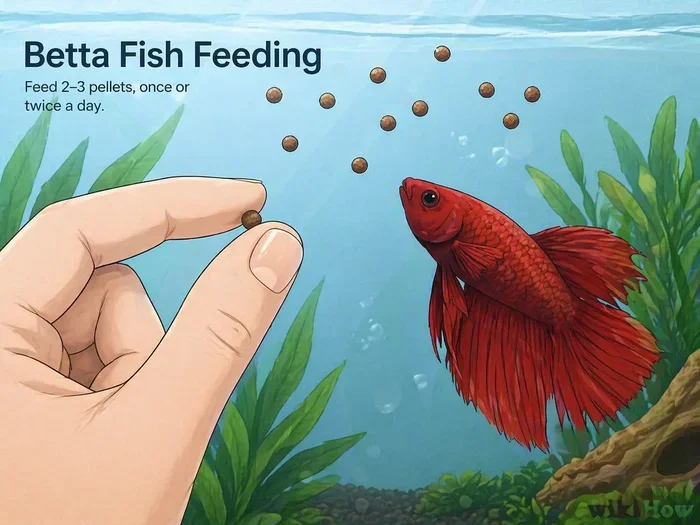
So, how many times a day do u feed betta fish? The answer is twice a day — morning and evening — with small portions each time. Feeding your betta fish the right amount at the right frequency keeps them healthy, active, and colorful. Overfeeding is the biggest mistake new betta owners make, and it can lead to serious health problems.
You just brought home a beautiful betta fish. The colors are stunning. The fins flow like silk. And now you are staring at that little fish wondering, “How many times a day do u feed betta fish?”
It is a great question. And the answer might surprise you. Feeding your betta fish the right way is one of the most important parts of betta care. Get this wrong, and your fish could get sick. Get it right, and your betta will thrive for years.
Let us break it all down. No fluff. No confusing jargon. Just clear, practical advice you can use today.
Key Takeaways
- Feed betta fish twice a day: Morning and evening meals are ideal for adult bettas.
- Small portions matter: Only give what your betta can eat in 2 minutes to avoid overfeeding.
- Quality food is key: Use high-quality betta pellets or flakes as the staple diet.
- Skipping a day is okay: A once-a-week fasting day helps prevent constipation and bloating.
- Watch for hunger cues: A healthy betta will show interest in food but won’t act desperate.
- Adjust for age and temperature: Younger bettas and warmer water may need slightly more frequent feeding.
- Clean up uneaten food: Leftover food fouls the water and harms your fish.
📑 Table of Contents
- How Many Times a Day Do U Feed Betta Fish
- How Much Food Should You Give Each Time
- Best Foods for Your Betta Fish
- Common Feeding Mistakes to Avoid
- Creating the Perfect Feeding Schedule
- Signs You Are Feeding Your Betta Correctly
- Adjusting the Feeding Routine for Different Situations
- Expert Tips for Better Betta Feeding
- Conclusion
How Many Times a Day Do U Feed Betta Fish
The short answer is twice a day. Two small meals. One in the morning and one in the evening. This mimics how betta fish eat in the wild. They graze on small insects and larvae throughout the day, but they do not eat one massive meal.
Now, here is where it gets interesting. Not all bettas are the same. A young betta fish growing rapidly might need a slightly different schedule than an older fish. Water temperature matters too. Warmer water speeds up metabolism, which means your fish needs food more often.
But as a general rule, stick to two feedings per day. Keep the portions small. We will talk about exactly how much in a moment.
Why Twice a Day Works Best
Betta fish have small stomachs. Think about the size of their eye. That is roughly the size of their stomach. This means they cannot handle large meals. When you feed them twice a day in small amounts, you replicate their natural eating pattern.
Feeding twice a day also helps maintain stable energy levels. Your betta stays active and curious. It swims around the tank, explores its space, and shows off its colors. A well-fed betta is a happy betta.
On the flip side, feeding once a day can leave your betta undernourished over time. And feeding three or more times a day often leads to overfeeding. Both extremes are harmful. Twice a day is the sweet spot.
How Much Food Should You Give Each Time
This is where most people go wrong. They know to feed twice a day, but they do not know how much. The rule of thumb is simple. Give your betta only what it can eat in about two minutes.
For pellets, that usually means 2 to 4 pellets per feeding. For flakes, a small pinch will do. If you are unsure, start with less. You can always add a tiny bit more if your betta is still eating eagerly after two minutes.
The Two-Minute Rule
Watch your betta during feeding time. When it stops eating and starts ignoring the food, that is your signal. The meal is done. Remove any uneaten food within five minutes. Leftover food decays in the water. This spikes ammonia levels. High ammonia is toxic and can kill your betta.
Some bettas are greedy eaters. They will keep eating even when their stomach is full. This is where you need to step in and be the boss. Stop the feeding when the two minutes are up, no matter how much your betta is begging.
Best Foods for Your Betta Fish
Not all fish food is created equal. Your betta is a carnivore. It needs protein-rich food. Cheap generic flakes will not cut it. Your betta needs food made specifically for its dietary needs.
Top Food Options
- Betta pellets: These are the gold standard. Look for pellets with high protein content and minimal fillers. They float, which bettas love since they feed near the surface.
- Betta flakes: A good alternative, but they can lose nutritional value quickly once the container is opened. Store them in a cool, dry place.
- Frozen or freeze-dried bloodworms: A great treat. Use them 1 to 2 times per week. They are packed with protein and most bettas go crazy for them.
- Brine shrimp: Another excellent treat option. Rich in nutrients and great for encouraging natural hunting behavior.
- Live foods: Mosquito larvae and daphnia are fantastic. They closely mimic what bettas eat in the wild. Just make sure the source is safe and parasite-free.
You can also check out our guide on how many pellets to feed a betta fish for more specific portion guidance.
Common Feeding Mistakes to Avoid
Even experienced fish keepers make feeding mistakes. Here are the ones that trip up most betta owners.
Overfeeding
This is the number one killer of pet bettas. It is so common that many fish stores do not even warn new owners. Overfeeding causes bloating, constipation, and a condition called dropsy. It also ruins water quality fast. Uneaten food decomposes and releases ammonia. Your filter cannot keep up with the mess.
Signs of overfeeding include:
- A betta that refuses food after the first bite
- Cloudy water within hours of feeding
- A bloated or distended belly
- Fish hovering near the surface or lying on the substrate
Feeding Too Much at Once
Some owners dump a handful of pellets in at once. This overwhelms the fish and the tank. Remember, the stomach is the size of the eye. A few pellets go a long way. Less is more when it comes to betta feeding.
Ignoring Fasting Days
Your betta needs a break from food. Once a week, skip a feeding entirely. This gives the digestive system time to process and clear out any remaining food. A fasting day prevents constipation and keeps the gut healthy. Many betta owners report that their fish become more active and vibrant after a weekly fast.
Feeding the Wrong Foods
Do not feed your betta goldfish food, tropical flakes meant for community tanks, or bread. These foods lack the protein bettas need and can cause digestive issues. Stick to betta-specific foods. If you want to offer variety, use the treat options mentioned above.
For more on this topic, you might want to read about how often you should feed a betta fish to build a complete routine.
Creating the Perfect Feeding Schedule
Consistency matters more than you think. Betta fish thrive on routine. They know when to expect food, and it reduces stress. A stressed betta is a sick betta. Here is how to set up a schedule that works.
Morning Feeding
Feed your betta in the morning, ideally when you turn on the lights or within 30 minutes of waking up. This is when your betta is most active and hungry. Give a small portion of pellets or flakes. Watch it eat for two minutes. Remove any leftovers.
Evening Feeding
The evening feeding should happen about 8 to 12 hours after the morning meal. This gives your betta a consistent 12-hour gap between meals. Some people prefer feeding right before they go to bed. That works fine too. Just make sure you do not skip the cleanup of uneaten food.
Weekly Fasting Day
Pick one day of the week where you do not feed your betta at all. Sunday works well for many people. Your betta will be perfectly fine. In fact, it will benefit from the break. Mark it on your calendar so you do not forget.
If you are planning a trip, check out our article on how to feed your betta fish on vacation for helpful tips.
Signs You Are Feeding Your Betta Correctly
How do you know your feeding routine is working? Your betta will tell you. Here are the signs of a properly fed betta fish:
- Bright, vibrant colors: A well-nourished betta displays intense reds, blues, and greens.
- Active swimming: Your betta moves around the tank with energy and curiosity.
- Healthy appetite: Your betta gets excited at feeding time but does not act frantically desperate.
- Regular waste: Well-formed poop indicates good digestion. White or stringy waste can signal overfeeding.
- Clean water: Minimal leftover food means the tank stays cleaner longer.
- Plump body shape: A betta should look rounded but not bloated. You should be able to see its body shape clearly.
For more tips on overall care, visit our how do you care for a betta fish guide.
Adjusting the Feeding Routine for Different Situations
Sometimes the standard twice-a-day routine needs tweaking. Here are some situations where you might adjust the schedule.
Young Betta Fish (Fry and Juveniles)
Baby bettas grow fast and need more frequent meals. Feed fry 3 to 4 times a day with very small amounts. As they grow, you can reduce to twice a day. The key is giving them small, protein-rich meals throughout the day to support rapid growth.
Betta Fish in Warmer Tanks
Water temperature affects metabolism. Bettas kept in tanks at 78 to 80 degrees Fahrenheit have faster metabolisms. They burn through food quicker. You might need to feed slightly more or offer an extra small snack on particularly warm days.
Betta Fish That Are Not Eating
If your betta refuses food, do not panic. Try these steps:
- Check the water quality. Ammonia and nitrite spikes cause loss of appetite.
- Offer a different food type. Switch from pellets to flakes or vice versa.
- Try frozen bloodworms as an appetite stimulant.
- Make sure the water temperature is in the ideal range (76 to 82 degrees).
- If the refusal lasts more than three days, investigate health issues.
Remember that how many times a day do u feed betta fish is not a one-size-fits-all answer. Observe your fish and adjust as needed. Every betta has its own personality and preferences.
Expert Tips for Better Betta Feeding
Here are some pro tips that make a big difference in your betta’s health and happiness.
- Rotate foods regularly. Offer pellets one day, flakes the next, and a treat like bloodworms twice a week. Variety ensures balanced nutrition.
- Use a feeding ring or magnet. This keeps food in one spot so your betta does not have to search. It also makes cleanup easier.
- Soak pellets before feeding. Dry pellets can expand in your betta’s stomach and cause bloating. A quick soak softens them.
- Do not hand-feed your betta. It might seem fun, but it can lead to your betta associating your hand with food and becoming stressed when you reach into the tank for other reasons.
- Keep a feeding log. Note what you fed and when. This helps you spot patterns and catch problems early.
Want to dive deeper into betta nutrition? Check out our article on how much do u feed a betta fish for detailed portion guidelines.
Conclusion
So there you have it. How many times a day do u feed betta fish? Twice a day. Morning and evening. Small portions. Two minutes of eating time. And one fasting day per week.
It is not complicated. But it does require consistency and attention. Your betta fish depends on you for its meals, and getting the feeding routine right is one of the best things you can do for its health and longevity.
A well-fed betta is a colorful, active, and joyful fish. It will light up your room and bring you hours of enjoyment. Follow the tips in this guide, and your betta will thank you with vibrant colors and energetic swimming.
Start today. Adjust your feeding schedule if needed. Watch your fish thrive. And remember, when in doubt, less food is always better than too much.
Frequently Asked Questions
Can I feed my betta fish once a day instead of twice?
Feeding once a day is not ideal, but it will work in a pinch. Your betta may seem hungrier between meals, and you might notice it begging more. However, twice a day is the recommended schedule because it better mimics natural eating patterns and provides steady energy throughout the day.
What happens if I overfeed my betta fish?
Overfeeding causes bloating, constipation, and a serious condition called dropsy. Uneaten food also decays in the tank, spiking ammonia levels and polluting the water. Always remove uneaten food within five minutes and stick to small portions to keep your betta healthy.
Can I feed my betta fish every other day?
Feeding every other day is not recommended for healthy adult bettas. They need regular nutrition to maintain energy, color, and immune function. However, a once-weekly fasting day is beneficial and helps the digestive system rest and reset.
How do I know if my betta is still hungry after feeding?
A healthy betta will show interest in food when it is hungry, but it should not act frantic or desperate. If your betta eats its portion in under two minutes and immediately searches for more, you can add a tiny bit more. But never exceed what it can eat in two minutes total.
What is the best time of day to feed betta fish?
The best times are early morning and early evening. This creates a consistent 12-hour gap between meals. Feeding at the same times each day also helps reduce stress and establishes a routine your betta can rely on.
Can I feed my betta fish human food?
No. Bettas are carnivores and need protein-rich food. Human foods like bread, crackers, or vegetables lack the nutrition bettas require and can cause digestive problems. Stick to high-quality betta pellets, flakes, and occasional frozen or live treats.