Can Betta Fish Be in the Same Tank as Goldfish
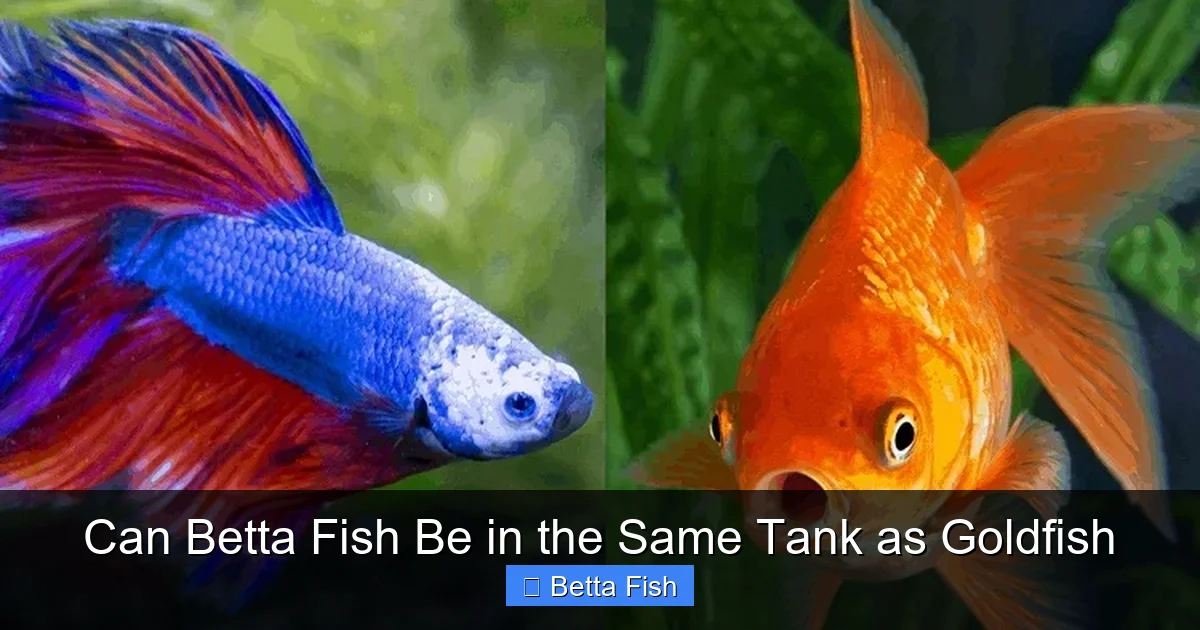
Betta fish and goldfish have very different needs, making them poor tank‑mates for most hobbyists. While a large, well‑filtered tank can sometimes work, the safest approach is to keep them separate or choose more compatible species. Read on for a step‑by‑step guide to decide what’s best for your fish.
Key Takeaways
- Different temperature needs: Betta thrive at 76‑82°F, goldfish prefer cooler water.
- Water quality demands: Goldfish produce heavy waste; bettas need pristine, low‑nitrate conditions.
- Temperament clash: Goldfish may nip betta fins, and bettas can become stressed by goldfish’s size.
- Tank size matters: A minimum of 30 gallons is required for a mixed setup, with ample hiding spots.
- Alternative companions: Consider peaceful community fish like tetras or rasboras instead of goldfish.
- Monitoring is essential: Observe behavior daily and be ready to separate if aggression appears.
- Proper filtration and heating: Use a reliable filter and a heater that can maintain a stable temperature for both species.
📑 Table of Contents
- Introduction: Why the Question Comes Up
- Understanding the Basics: Species Differences
- Can They Coexist? The Verdict
- Setting Up a Mixed Tank (If You Still Want to Try)
- Safer Alternatives: Community Fish That Get Along
- Frequently Made Mistakes and How to Avoid Them
- Conclusion: Make the Best Choice for Your Fish
Introduction: Why the Question Comes Up
When you first set up a freshwater aquarium, it’s natural to wonder if you can combine two of the most popular hobby fish—betta fish and goldfish. Both are bright, active, and relatively easy to care for, which makes the idea of a “double‑fun” tank very appealing. However, the reality is a bit more complicated. Betta fish (Betta splendens) are tropical, love warm water, and are territorial, while goldfish (Carassius auratus) are cold‑water lovers that produce a lot of waste.
In this article we’ll break down everything you need to know to answer the question “can betta fish be in the same tank as goldfish?” We’ll look at water parameters, temperament, tank size, and practical set‑up tips. By the end, you’ll be able to decide whether to keep them together, keep them apart, or choose a different community.
Understanding the Basics: Species Differences
Temperature Requirements
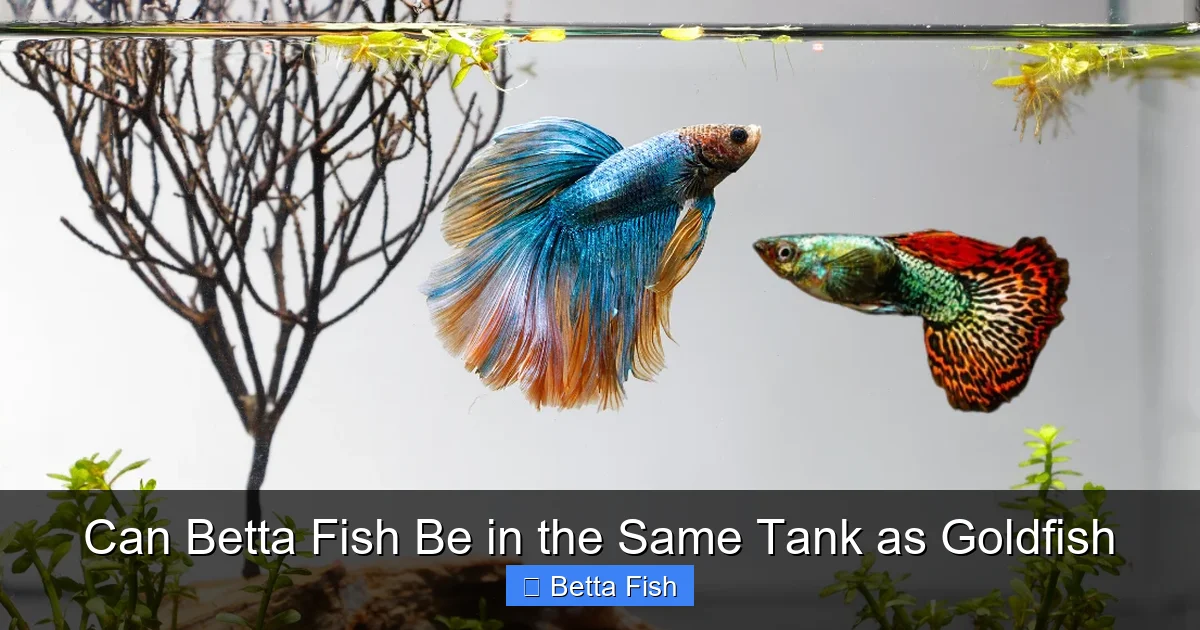
Betta fish are tropical and feel comfortable in water that stays between 76°F and 82°F (24°C‑28°C). Goldfish, on the other hand, are native to cooler streams and ponds and thrive in temperatures ranging from 65°F to 75°F (18°C‑24°C). Trying to keep both in the same water means compromising on one species’ comfort, which can lead to stress, disease, or even death.
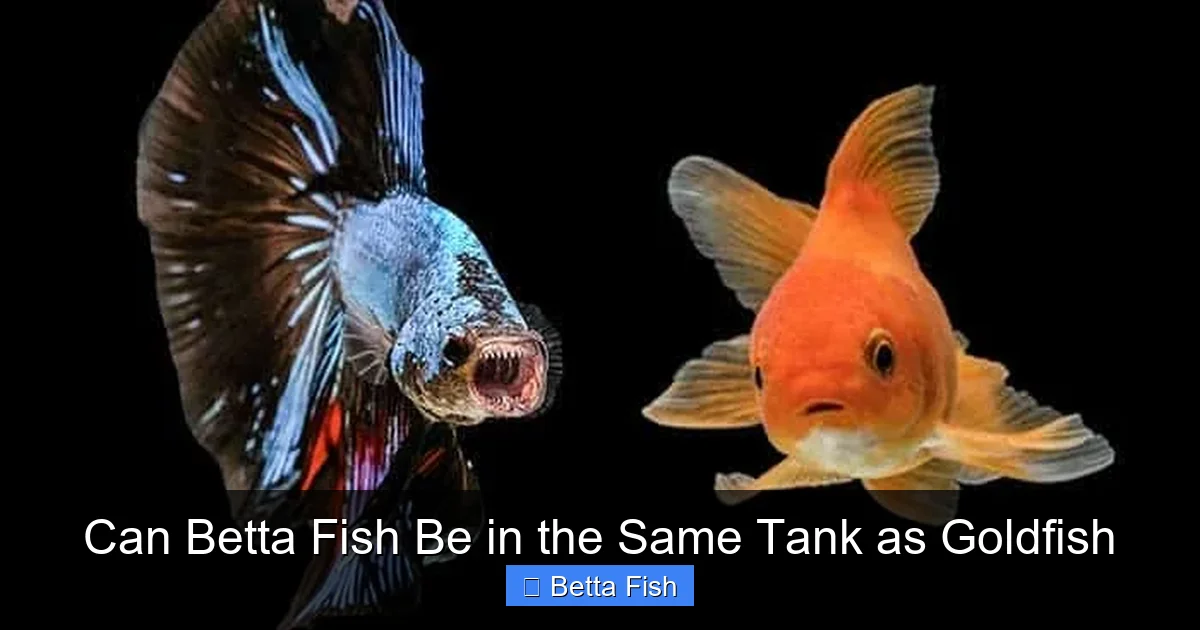
Visual guide about Can Betta Fish Be in the Same Tank as Goldfish
Image source: japanesefightingfish.org
Water Quality and Filtration
Goldfish are notorious “dumpsters” of the aquarium world. A single goldfish can produce as much waste as several tropical fish combined. This means the tank needs a strong filtration system to keep ammonia and nitrite levels low. Betta fish, however, are very sensitive to poor water quality; they prefer a calm, low‑flow environment with clean water. Over‑filtering can create a current that stresses a betta, while under‑filtering can quickly become toxic for both.
Temperament and Space
Betta fish are solitary by nature. Males especially are aggressive toward other bettas and can also be territorial toward similarly sized fish with bright colors. Goldfish are generally peaceful but are large, active swimmers that can unintentionally nip at a betta’s delicate fins. The size difference also matters—a common goldfish can grow to 12‑18 inches, easily dwarfing a 2‑inch betta.
Can They Coexist? The Verdict
When It Might Work
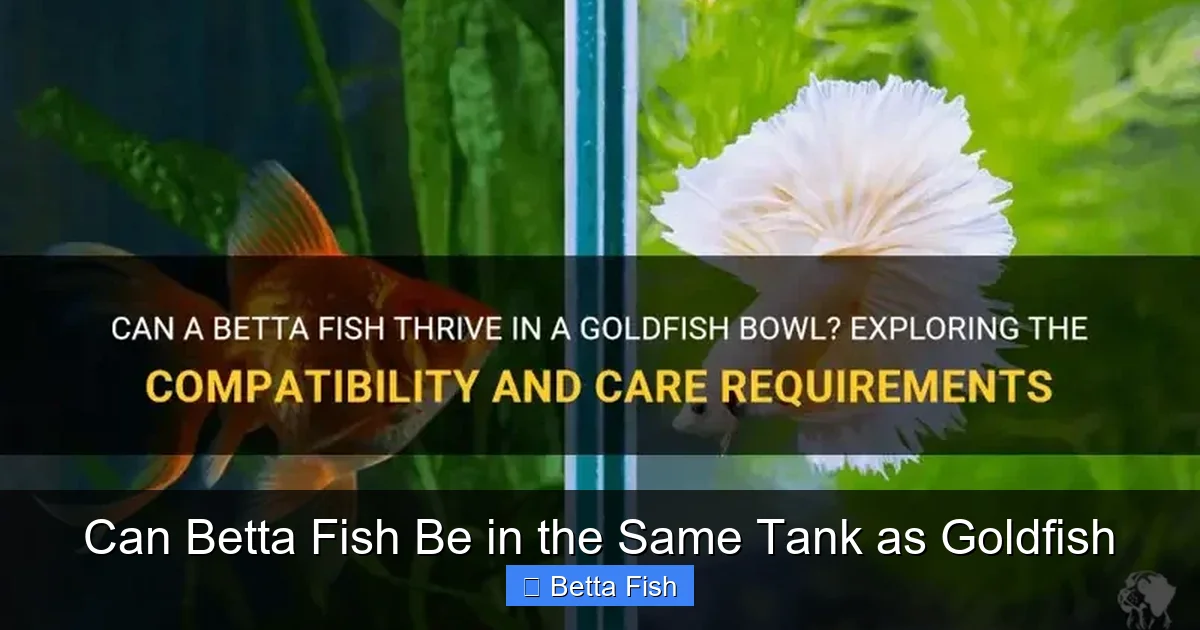
In a very large, well‑filtered tank (30 gallons or more) with plenty of plants and decorations to create separate territories, a single male betta *might* live with a single goldfish. You’ll need a reliable heater that can maintain a temperature acceptable to the betta while not overheating the goldfish (around 75°F is a compromise). Even then, success is far from guaranteed and requires constant monitoring.
Visual guide about Can Betta Fish Be in the Same Tank as Goldfish
Image source: petshun.com
Why It’s Usually a Bad Idea
- Temperature conflict: Goldfish can become sluggish or ill in warm water, while bettas become lethargic in cooler water.
- Water quality strain: Goldfish waste can quickly raise nitrate levels, stressing the betta.
- Physical risk: Goldfish may nip at a betta’s fins, causing infections; bettas may become stressed and display faded colors or frayed fins.
- Space limitation: Most hobbyists keep bettas in 5‑gallon tanks and goldfish in 20‑gallon tanks; combining them often leads to overcrowding.
Because of these issues, most experts recommend keeping bettas and goldfish separate. For a deeper dive on why goldfish and bettas don’t mix, see our article Can Betta Fish And Goldfish Live Together.
Setting Up a Mixed Tank (If You Still Want to Try)
Tank Size and Layout
Choose a minimum of 30 gallons for a single betta and a single goldfish. Use a sturdy, long tank that allows the goldfish to swim horizontally while the betta can stay near the surface and plants. Add plenty of live or silk plants, driftwood, and caves to give the betta hiding places.
Visual guide about Can Betta Fish Be in the Same Tank as Goldfish
Image source: fishkeepingacademy.com
Filtration and Heating
Install a canister or hang‑on‑back filter rated for at least twice the tank volume per hour. Use a sponge pre‑filter to reduce flow and protect the betta’s delicate fins. Place a heater set to 75°F and monitor temperature with a reliable digital thermometer. If the goldfish shows signs of overheating (gasping, lethargy), lower the temperature gradually.
Water Changes
Perform 25‑30% water changes twice a week to keep nitrate levels under 20 ppm. Use a water conditioner that removes chlorine and chloramine, and match the temperature of the new water to the tank.
Feeding Strategies
Goldfish are omnivorous and love pellets, while bettas prefer protein‑rich foods like frozen or live brine shrimp. Feed the goldfish in the morning and the betta in the evening to reduce competition. Avoid overfeeding, as excess food will quickly pollute the water.
Monitoring Behavior
Watch the first 48 hours closely. If the goldfish chases the betta, or the betta’s fins become ragged, be prepared to separate them immediately. A simple solution is a tank divider that keeps them in the same water but separate compartments.
Safer Alternatives: Community Fish That Get Along
Peaceful Tropical Species
If you love the vivid colors of bettas but want a community tank, consider small, non‑aggressive fish that share similar temperature needs. Good companions include:
- Neon tetras
- Harlequin rasboras
- Corydoras catfish (bottom dwellers)
- Cherry barbs
These fish thrive in 76‑80°F water and are less likely to stress a betta.
Goldfish‑Friendly Set‑Ups
If you are set on keeping goldfish, give them a spacious tank (20‑30 gallons per fish) with strong filtration and no betta. You can add other cold‑water species like white cloud minnows or other goldfish varieties for a classic “golden” community.
Frequently Made Mistakes and How to Avoid Them
Using a Bowl Instead of a Tank
A common mistake is placing a betta in a small bowl and adding a goldfish later. Bowls cannot hold enough water for proper filtration or temperature control, leading to rapid ammonia spikes.
Skipping a Heater for Goldfish
Even though goldfish are cold‑water fish, a stable temperature is still crucial. In a mixed tank, the heater is essential for the betta’s health and should be set to the lowest safe betta temperature.
Ignoring Water Parameters
Test the water weekly for ammonia, nitrite, nitrate, and pH. Goldfish prefer a slightly alkaline pH (7.0‑8.0), while bettas are fine with a range of 6.5‑7.5. Keeping pH stable around 7.0 is a good compromise.
Conclusion: Make the Best Choice for Your Fish
In most cases, the answer to “can betta fish be in the same tank as goldfish?” is no. Their differing temperature preferences, waste output, and temperaments create a high‑risk environment. If you have a large, well‑maintained tank and are willing to invest time in monitoring, a carefully planned mixed tank might work, but it’s far from ideal.
For most hobbyists, the safest and most rewarding approach is to keep bettas and goldfish in separate tanks or choose community fish that share similar needs. Remember, a happy fish is a healthy fish, and providing the right environment is the first step to enjoying a thriving aquarium.
Frequently Asked Questions
Can betta fish and goldfish share the same water temperature?
Only if you keep the water at the lower end of the betta’s range (around 75°F). Goldfish can tolerate this temperature, but they will be less active and may grow more slowly.
Do bettas need more or less filtration than goldfish?
Goldfish need heavy filtration because they produce a lot of waste. Betta fish prefer gentle flow, so a filter with a sponge pre‑filter or adjustable flow is best.
What signs show that a betta is stressed with a goldfish?
Look for faded colors, frayed fins, rapid breathing at the surface, or a tendency to hide near the tank lid.
Can I use a tank divider instead of separating the fish completely?
Yes, a clear acrylic divider can keep them in the same water while preventing direct contact, which reduces stress and injury.
Are there any plants that help keep bettas calm around goldfish?
Floating plants like Amazon frogbit or dense stem plants such as Java fern give bettas places to hide and break the line of sight.
Is it better to keep a male or female betta with a goldfish?
Both sexes can be aggressive, but male bettas are typically more territorial. If you must try a mixed tank, a female betta may be slightly less aggressive, though success is still unlikely.