How Many Food Pellets Can Betta Fish Eat
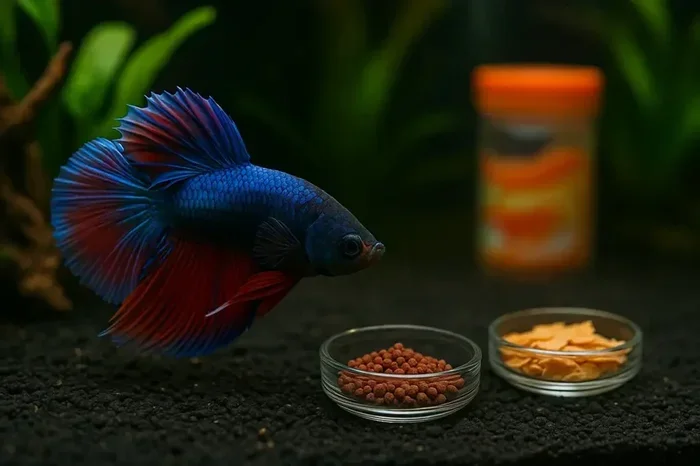
Knowing how many food pellets can betta fish eat is one of the most important parts of keeping your betta healthy. Most bettas thrive on 2 to 4 pellets per meal, fed once or twice a day. Overfeeding is a common mistake that can lead to serious health problems, so getting the portion size right matters more than many new fish owners realize.
If you own a betta fish, you have probably stared at that little container of pellets and wondered if you are giving your fish too much or too little food. It is a question almost every betta owner asks at some point. The truth is that how many food pellets can betta fish eat depends on a few simple factors, and once you understand those factors, feeding becomes easy and stress-free.
Feeding your betta the right amount of pellets is not just about portion control. It is about keeping your fish healthy, active, and colorful. Too much food can pollute your tank and cause painful digestive problems. Too little food can leave your betta weak and lethargic. In this guide, we will walk through everything you need to know about betta fish feeding portions, including how many pellets to use, how often to feed, and how to spot the warning signs of feeding mistakes.
Key Takeaways
- Feed 2 to 4 pellets per meal: This is the general sweet spot for most adult betta fish, depending on pellet size.
- Feed once or twice a day: A consistent feeding schedule supports digestion and prevents overfeeding.
- Watch for overfeeding signs: Bloating, constipation, and cloudy water are red flags you should not ignore.
- Soak pellets before feeding: This helps prevent swim bladder issues and makes the food easier to digest.
- Adjust for your fish’s size and age: Baby bettas, senior fish, and larger bettas may need slightly different portions.
- Quality pellets matter: Choose high-protein betta-specific pellets for the best nutrition and health outcomes.
📑 Table of Contents
- How Many Pellets Should You Feed Your Betta Each Day?
- The Best Feeding Schedule for Betta Fish
- Factors That Change How Many Pellets Your Betta Needs
- Signs You Are Overfeeding or Underfeeding Your Betta
- Best Practices for Feeding Betta Pellets
- What Happens If You Feed Too Many or Too Few Pellets?
- Quick Tips for Perfect Betta Feeding
- Final Thoughts on Feeding Your Betta the Right Amount
How Many Pellets Should You Feed Your Betta Each Day?
The most direct answer to how many food pellets can betta fish eat is usually 2 to 4 pellets per feeding session. Most standard betta pellets are small, about 3 to 5 millimeters in size, and they expand in the fish’s stomach. This means that even a few pellets can fill a betta up quickly. The general rule is simple: feed what your fish can consume in under two minutes.
Here is a quick breakdown of daily feeding amounts based on pellet size:
- Small pellets (under 3mm): 3 to 5 pellets per feeding, once or twice a day.
- Medium pellets (3 to 5mm): 2 to 4 pellets per feeding, once or twice a day.
- Large pellets (over 5mm): 1 to 3 pellets per feeding, once or twice a day.
These numbers are guidelines, not rigid rules. Every betta is different. Some fish have faster metabolisms and may need slightly more. Others are less active and do well with fewer pellets. The key is to observe your fish and adjust accordingly.
Why Two Minutes Matters
A good way to check if you are feeding the right amount is the two-minute rule. Drop the pellets into the tank and watch your betta eat. If there are still pellets sinking to the bottom after two minutes, you have given too much. Uneaten food will decay in the water and raise ammonia levels, which is dangerous for your fish. This is one of the most common betta fish feeding mistakes new owners make.
Also, keep in mind that how many pellets to feed betta fish daily is a topic many owners search for, and the answer is almost always less than people think. Bettas are small fish with small stomachs. Their digestive systems are designed for frequent small meals, not large ones.
The Best Feeding Schedule for Betta Fish
Consistency matters just as much as portion size when it comes to betta fish feeding portions. Most experts recommend feeding your betta once or twice a day. A common schedule is one meal in the morning and one in the evening, with a gap of about 12 hours between feedings.
Here is a sample weekly feeding schedule that works well for most bettas:
- Monday, Wednesday, Friday: 2 to 3 pellets in the morning, 2 to 3 pellets in the evening.
- Tuesday, Thursday: 3 pellets once a day.
- Saturday: 3 pellets once a day, with a small treat like a frozen bloodworm.
- Sunday: Skip one feeding or give just 1 to 2 pellets. This gives your betta’s digestive system a rest.
Some experienced fish keepers also practice a fasting day once a week. Skipping a meal helps prevent constipation and keeps the digestive system functioning smoothly. If you are unsure about how often to feed, start with once a day and slowly increase to twice a day if your betta seems hungry and active.
Can You Feed Betta Pellets More Than Twice a Day?
It is tempting to feed your betta more often because it is fun to watch them eat. However, feeding more than twice a day can easily lead to overfeeding. The betta stomach is roughly the size of their eye, which gives you a sense of just how small it really is. If you want to give your betta extra food, consider offering a single pellet split into smaller pieces rather than adding a whole extra feeding.
Factors That Change How Many Pellets Your Betta Needs
Not all bettas are the same, and several factors can change how much food your fish needs. Understanding these variables helps you fine-tune the feeding routine and keep your betta in top shape.
Your Betta’s Age
Young betta fish, especially babies and juveniles, need more frequent feedings than adults. A baby betta may need small amounts of food 3 to 4 times a day because their metabolism is fast and they are still growing. If you are caring for a young fish, check out our guide on can baby betta fish eat pellets for more specific advice.
Adult bettas, on the other hand, do well with one or two feedings a day. Senior bettas may eat less because their activity level drops and their metabolism slows down. Adjust portions as your fish ages to match their energy needs.
Water Temperature and Tank Conditions
Bettas are tropical fish, and water temperature plays a big role in their digestion. In warmer water, around 78 to 80 degrees Fahrenheit, bettas have faster metabolisms and may process food more quickly. In cooler water, digestion slows down, and your fish may not need as many pellets.
Make sure your tank has a reliable heater and thermometer. Stable water conditions support healthy digestion and a healthy appetite. If the water is too cold, your betta may refuse food altogether, which is another reason to keep the temperature consistent.
Activity Level and Tank Size
A betta in a larger, well-planted tank with places to explore will generally be more active than one in a small bare tank. More activity means more energy burned, which means your fish may need slightly more food. However, this does not mean you should dramatically increase the portion size. Small adjustments are all that is needed.
Signs You Are Overfeeding or Underfeeding Your Betta
One of the trickiest parts of feeding bettas is finding the right balance. Both overfeeding and underfeeding come with clear warning signs. Learning to recognize these signs early can save your fish from serious health problems.
Signs of Overfeeding
- Bloating: Your betta’s belly looks swollen or puffy after eating.
- Constipation: Your fish has not produced waste in over a day or two.
- Swim bladder issues: Your betta floats to the top or sinks to the bottom and struggles to maintain balance.
- Cloudy water: Uneaten pellets dissolve and cloud the tank water within hours.
- Lethargy: Your normally active betta becomes slow and uninterested in exploring.
If you notice any of these signs, skip the next feeding and let your fish’s digestive system reset. You can also offer a small piece of blanched pea, which is a natural remedy for constipation in bettas.
Signs of Underfeeding
- Weight loss: Your betta looks thin or its body seems sunken.
- Loss of color: The vibrant colors fade and the fish looks pale or dull.
- Constant begging: Your betta follows your hand or swims to the surface every time you approach the tank.
- Low energy: The fish stays in one spot and does not explore or build bubble nests.
If you see these signs, slowly increase the portion size by one pellet per feeding and monitor your fish for a few days. Changes should be gradual to avoid stressing the digestive system.
Best Practices for Feeding Betta Pellets
Getting the pellets right is only part of the equation. How you feed them matters just as much. Follow these simple best practices to make every feeding session count.
Soak the Pellets First
Dry pellets expand once they hit water. If your betta swallows dry pellets, they can expand inside the stomach and cause bloating or constipation. To avoid this, soak the pellets in a small cup of tank water for 2 to 3 minutes before feeding. This pre-expands the food and makes it much easier for your betta to digest.
Use High-Quality Betta Pellets
Not all pellets are created equal. Cheap pellets often contain fillers like wheat and corn, which offer little nutritional value. Look for pellets that list fish meal or whole fish as the first ingredient. The protein content should be at least 35 to 40 percent. High-quality betta fish nutrition supports bright colors, strong immunity, and a long lifespan.
Some pellets float, and some sink. Bettas are natural surface feeders, so floating pellets can be easier for them to eat. However, if you are asking can betta fish eat sinking food, the answer is yes. Many bettas eat sinking pellets just fine, especially if they are hungry and motivated.
Remove Uneaten Food Promptly
After feeding, watch your betta for a few minutes. If there are any pellets left after two minutes, use a small net or siphon to remove them. Decaying food releases ammonia and nitrites into the water, which can harm your fish and spike your tank’s nitrogen cycle. Clean water equals a healthy fish.
Vary the Diet Occasionally
Pellets should be the staple of your betta’s diet, but variety keeps things interesting and nutritious. You can offer frozen or live foods like bloodworms, brine shrimp, or daphnia once or twice a week. Just remember that treats should make up no more than 10 to 15 percent of the total diet. If you are curious about what else your betta can eat, you might want to read about can betta fish eat other fish food for a broader perspective.
What Happens If You Feed Too Many or Too Few Pellets?
Both extremes carry real risks, and understanding them helps you stay on track with your feeding routine.
The Dangers of Overfeeding
Overfeeding is the number one killer of pet bettas, and it is completely preventable. When a betta eats too many pellets, the excess food sits in the tank and decomposes. This spikes ammonia levels, which damages the gills and stresses the immune system. Inside the fish’s body, overfeeding causes bloating, swim bladder disorder, and fatty liver disease. A betta that is constantly overfed may only live a few years instead of the 3 to 5 years they are capable of reaching.
The Dangers of Underfeeding
Underfeeding is less common but still a concern, especially with new owners who are afraid of giving their fish too much food. A chronically underfed betta will lose weight, become lethargic, and its immune system will weaken. This makes the fish more vulnerable to diseases like ich and fin rot. In extreme cases, prolonged underfeeding can lead to organ failure and a shortened lifespan.
The sweet spot is somewhere in the middle. Feed enough to keep your betta plump, active, and colorful, but not so much that food is left to rot in the tank. Finding this balance is the foundation of good betta care.
Quick Tips for Perfect Betta Feeding
- Feed 2 to 4 pellets per meal, once or twice a day.
- Soak pellets in tank water for 2 to 3 minutes before feeding.
- Follow the two-minute rule: remove any uneaten food after two minutes.
- Include one fasting day per week to rest the digestive system.
- Choose high-protein pellets with at least 35 to 40 percent protein.
- Watch your betta’s body shape and behavior to adjust portions.
- Keep water temperature stable between 78 and 80 degrees Fahrenheit.
Final Thoughts on Feeding Your Betta the Right Amount
Answering the question of how many food pellets can betta fish eat does not have to be complicated. Stick with 2 to 4 pellets per feeding, feed once or twice a day, and always remove uneaten food. Pay attention to your fish’s body language, adjust portions as needed, and you will have a happy, healthy betta for years to come.
Feeding is one of the simplest yet most important parts of betta care. When you get it right, you give your fish the best chance at a long, vibrant life. Start with the guidelines in this article, watch how your betta responds, and fine-tune from there. Your fish will thank you with bright colors, energetic swimming, and regular bubble nests.
Remember, every betta is an individual. What works perfectly for one fish may need a small tweak for another. The most important thing is that you are paying attention, caring enough to learn, and willing to adjust. That is what makes a great fish owner, and your betta will thrive because of it.
Frequently Asked Questions
How many pellets should I feed my betta fish per day?
Most bettas do well with 2 to 4 pellets per feeding, given once or twice a day. This adds up to 4 to 8 pellets total per day, depending on pellet size and your fish’s appetite. Start with a smaller amount and increase slightly if your betta seems hungry after eating.
Can I feed my betta pellets every day?
Yes, feeding pellets daily is perfectly fine and actually recommended. Just make sure you are not overfeeding. A consistent daily routine with one fasting day per week is the ideal betta fish feeding schedule for most fish owners.
What happens if I give my betta too many pellets?
Too many pellets can cause bloating, constipation, and swim bladder problems. Excess food also decays in the water and raises ammonia levels, which is toxic to your fish. Always follow the two-minute rule and remove any uneaten pellets promptly.
Should I soak betta pellets before feeding?
Yes, soaking pellets for 2 to 3 minutes in tank water is a great practice. It prevents the pellets from expanding inside your betta’s stomach, which reduces the risk of digestive issues like bloating and constipation.
How do I know if I am feeding my betta the right amount?
A well-fed betta has a rounded but not swollen belly, stays active, and maintains vibrant colors. If your fish seems lethargic, loses color, or has a bloated stomach, adjust the portion size. Watching your fish during and after feeding gives you the best clues about whether the amount is right.
Can I replace pellets with other food for my betta?
Pellets should remain the staple of your betta’s diet because they are formulated for betta nutrition. You can supplement with frozen or live foods like bloodworms and brine shrimp as treats, but these should not replace pellets entirely. A varied but pellet-based diet is the best approach for long-term health.