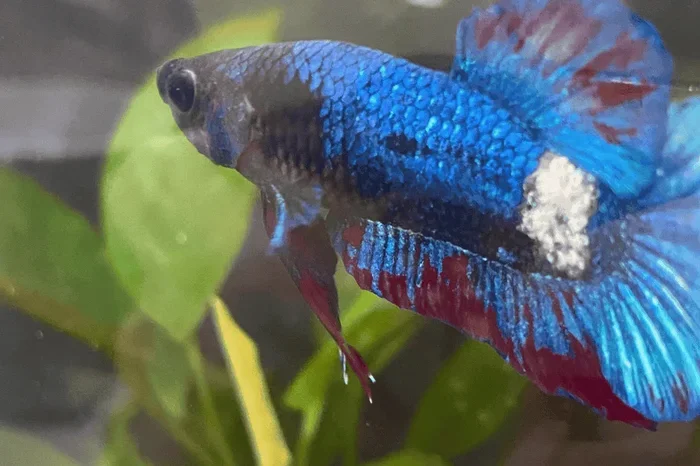
How Do Betta Fish Get Stressed

Stress in betta fish often comes from poor water conditions, cramped tanks, and sudden environmental changes. When these vibrant fish are kept in unsuitable habitats, they can develop serious health problems like fin rot, loss of appetite, and a weakened immune system. Understanding the common stress triggers — including aggressive tank mates, incorrect water temperature, and lack of enrichment — helps you create a safe, thriving environment that keeps your betta healthy and happy for years to come.
Key Takeaways
- Poor water quality is the top stress trigger for betta fish.
- Overcrowding and aggressive tankmates cause chronic stress and fin damage.
- Sudden temperature changes shock their system and weaken immunity.
- Lack of hiding spots leaves bettas feeling exposed and anxious.
- Overfeeding and improper diet leads to digestive stress and bloating.
- Excessive noise and vibrations near the tank disrupt their rest.
- Regular water changes and stable parameters keep stress levels low.
📑 Table of Contents
What Does Stress Look Like in Betta Fish?
Just like humans, betta fish show stress in very visible ways. But because they live underwater, many beginners miss the warning signs entirely. Understanding what stress looks like is the first step toward helping your fish feel safe and healthy again.
When a betta is stressed, its body starts sending out signals. Some are subtle, while others are hard to ignore. The sooner you spot these signs, the faster you can fix the problem. This is where do betta fish get stressed becomes such an important topic for every fish owner to understand.
Here are the most common stress signs in betta fish:
- Clamped fins – Fins held close to the body instead of flowing freely.
- Loss of color – A once-vibrant betta turning pale or dull.
- Hiding constantly – Burrowing behind plants or decorations more than usual.
- Rapid breathing – Gills moving faster than normal at the water surface.
- Erratic swimming – Darting around the tank without purpose.
- Lethargy – Lying at the bottom or barely moving.
- Scratching against objects – Rubbing against rocks, gravel, or glass.
- Stress spots – Dark or faded patches appearing on the body. To learn more about this, check out do betta fish get stress spots.
Some of these signs overlap with illness, which can make things confusing. That is why paying close attention to changes in your betta’s behavioral patterns matters so much. If your fish suddenly starts acting differently, stress is usually the first thing to investigate.
Common Causes of Stress in Betta Fish
Bettas are sensitive creatures. Even small changes in their environment can trigger a strong stress response. Knowing the common causes of stress helps you avoid problems before they start.
Poor Water Quality
This is the number one reason bettas get stressed. Dirty water filled with ammonia or nitrites makes them feel sick and unsafe. Water parameters that fluctuate too quickly can also cause serious harm. Bettas thrive in clean, stable environments with proper filtration.
To keep things in check, test your water regularly. A water change schedule of 25-30% every week works well for most setups. Avoid cleaning everything at once, since that disrupts the helpful bacteria in your tank.
Wrong Tank Size
A lot of people keep bettas in tiny bowls and think it is fine. It is not. Bettas need space to swim and explore. A tank smaller than 5 gallons puts them under constant environmental stress. The bigger the tank, the more stable the water conditions stay too.
Aggressive Tank Mates
Bettas are territorial by nature. Placing them with aggressive fish leads to constant territorial disputes. Fin nipping and chasing wear your betta down quickly. Over time, this kind of aggressive behavior from other fish can lead to injuries and chronic stress.
Sudden Environmental Changes
Moving the tank, rearranging decorations, or changing the water temperature suddenly — all of these cause panic. Bettas like routine. Any environmental changes should be introduced slowly and carefully. Even something as simple as moving a tank near a window where sunlight hits differently can unsettle them.
Overfeeding
It is easy to overfeed a betta because they always look hungry. But uneaten food rots in the water and messes up your tank’s balance. Overfeeding also leads to bloating and swim bladder disease, which makes swimming painful and stressful. Feed small amounts once or twice a day and remove any leftovers after a few minutes.
How to Tell If Your Betta Fish Is Stressed
Sometimes the signs are obvious. Other times, they are easy to miss. Here is a closer look at how to read your betta’s mood and catch stress early.
Watching Fin Position
Healthy bettas hold their fins wide and proud. When fins get clamped or pulled close to the body, something is wrong. Clamped fins often point to stress, illness, or poor water conditions. Fin rot can also develop if the fish stays stressed for too long.
Color Changes
A stressed betta often loses its bright colors. You might notice your fish looking faded or washed out. In some cases, dark patches or stress spots show up. These changes happen because stress hormones flood the body and affect pigmentation. To understand more about how color changes connect to stress, read about do betta fish get more colorful.
Swimming Patterns
Watch how your betta moves. A relaxed betta swims smoothly and explores the tank. A stressed betta might:
- Swim near the surface gasping for air
- Dart around erratically
- Stay frozen in one spot
- Sink to the bottom and refuse to move
Any big change in your betta’s normal swimming patterns deserves your attention. Quick, jerky movements often mean fear or discomfort. Lethargy can signal deeper issues.
Behavioral Comparison Table
| Behavior | Healthy Betta | Stressed Betta |
|---|---|---|
| Fins | Flowing and open | Clamped or torn |
| Color | Bright and vivid | Dull or patchy |
| Swimming | Smooth and curious | Erratic or motionless |
| Eating | Eager at feeding time | Ignoring food |
| Hiding | Occasional | Constant |
How to Reduce Stress in Your Betta Fish
Once you spot stress, the next step is fixing it. Reducing betta fish stress involves improving their environment and removing the causes. Here is what works best.
Improve Water Conditions
Start with the water. Test for ammonia, nitrites, and nitrates. Keep the water temperature between 76-82°F (24-28°C). Use a heater to maintain stability. Make sure your filter is running but not creating a strong current — bettas are weak swimmers and do not like powerful flow.
Perform regular water changes. Consistency matters more than perfection. A tank with stable water parameters keeps your betta feeling secure.
Create a Comfortable Habitat
Bettas love tanks with hiding spots. Add live or silk plants, caves, and gentle decorations. Avoid sharp plastic decorations that can tear their delicate fins. A well-decorated tank gives your betta places to explore and feel safe. This also helps prevent boredom in a tank, which can become a stress factor on its own. Learn more about this in our article on do betta fish get bored in a tank.
Here are some great additions for a stress-free setup:
- Floating plants for shade and security
- Soft silk plants with no rough edges
- A cozy cave or hiding spot
- A gentle filter with adjustable flow
- A heater with a thermostat
Choose Compatible Tank Mates
Not every fish gets along with bettas. Avoid keeping them with bright-colored or long-finned species that trigger territorial disputes. Good options include cory catfish, snails, and certain shrimp. Always research before adding anything new to the tank. If you are unsure about compatibility, look into topics like do betta fish get along with tetras or similar pairings before making decisions.
When introducing new tank mates, watch your betta closely for signs of agitation. Remove any fish that causes prolonged chasing or nipping.
Feed a Balanced Diet
High-quality food supports overall betta fish health. Feed a mix of pellets, frozen or live bloodworms, and brine shrimp. Avoid overfeeding at all costs. A healthy diet reduces stress by keeping your fish strong and energized.
Quick Tips to Calm a Stressed Betta
- Dim the lights for a few hours to help them relax
- Avoid tapping on the glass or sudden movements near the tank
- Play soft music or keep the area quiet
- Add stress coat conditioner to the water during water changes
- Give them time to adjust after any changes
Preventing Stress Long-Term
Prevention is always better than cure. Building a routine around betta fish care keeps stress from becoming a recurring problem. Here is how to stay ahead of it.
Stick to a Routine
Bettas respond well to consistency. Feed at the same times each day. Keep lighting on a regular schedule. Perform water changes on the same day every week. This predictability makes them feel safe and reduces the release of stress hormones that come from uncertainty.
Monitor Your Fish Daily
Take a few minutes each day to simply watch your betta. Notice how they swim, what they eat, and how their colors look. Catching behavioral changes early makes a huge difference. A fish that starts hiding more or stops eating deserves immediate attention.
Keep the Tank Clean but Not Sterile
A clean tank does not mean a bacteria-free tank. Beneficial bacteria help break down harmful waste. Wipe down glass and remove debris, but do not scrub everything spotless. Balance is key to long-term betta fish health.
Avoid Frequent Tank Reorganizations
Moving decorations around or changing the layout too often causes unnecessary anxiety. If you need to rearrange, do it in small steps over several days. Your betta needs a stable territory to call home.
When to See a Vet
Sometimes stress turns into illness. If your betta shows aggressive behavior toward itself, develops fin rot, or stays at the bottom for days, it is time for professional help. Swim bladder disease, fungal infections, and severe poor water quality damage can all require treatment beyond what home care offers.
Look for an aquatic vet or experienced fish store staff. Early intervention saves lives. Do not wait for things to “fix themselves.” The longer a betta stays stressed or sick, the harder recovery becomes.
Remember, a healthy betta is a happy betta. Proper betta fish care means watching closely, acting fast, and always putting their needs first.
Key Takeaways
Understanding how do betta fish get stressed is one of the most important parts of being a responsible owner. Here is a quick recap of everything we covered:
- Watch for visible signs like clamped fins, color loss, hiding, and lethargy
- Poor water quality, wrong tank size, and overfeeding are top stress causes
- Reduce stress by improving water conditions, adding hiding spots, and feeding properly
- Prevent long-term stress through routine, daily monitoring, and stable environments
- Seek professional help if stress turns into illness or injury
Your betta depends on you for everything. Small changes in how you care for them can make a big impact. A calm, well-set-up tank leads to a healthier, more colorful, and happier fish. Take what you have learned here and put it into action — your betta will thank you for it.
Frequently Asked Questions
Why Do Betta Fish Get Stressed?
Betta fish get stressed when their environment doesn’t meet their basic needs. Poor water quality, wrong tank temperatures, and lack of hiding spots are the most common culprits. Even small changes in their routine can trigger stress responses in these sensitive fish.
Can Bad Water Quality Make Betta Fish Stressed?
Yes, dirty or unbalanced water is one of the top reasons betta fish get stressed. High levels of ammonia, nitrite, or nitrate can seriously harm your fish and weaken its immune system. Regular water changes and proper filtration help keep stress levels low.
What Are the Signs That Your Betta Fish Is Stressed?
A stressed betta fish often shows faded colors, clamped fins, and loss of appetite. You might also notice your fish hiding constantly, gasping at the surface, or acting unusually lethargic. Recognizing these signs early helps you fix the problem before it gets worse.
How Do You Prevent Betta Fish from Getting Stressed?
Keep the water temperature between 76°F and 82°F and maintain a clean tank with gentle filtration. Provide plenty of plants and hiding spots so your fish feels safe. Avoid loud noises, sudden movements near the tank, and aggressive tank mates that can frighten your betta.
Is a Small Tank a Reason Bettas Get Stressed?
Absolutely. Keeping a betta in a tank smaller than 5 gallons can cause chronic stress and shorten its lifespan. Small spaces limit movement and make it harder to maintain stable water conditions. A properly sized tank gives your betta room to swim and explore comfortably.
Can Overfeeding Cause Betta Fish to Get Stressed?
Yes, overfeeding leads to dirty water and health problems that stress your fish out. Uneaten food decays quickly and spikes ammonia levels in the tank. Feed your betta small amounts once or twice a day to keep both its body and environment healthy.