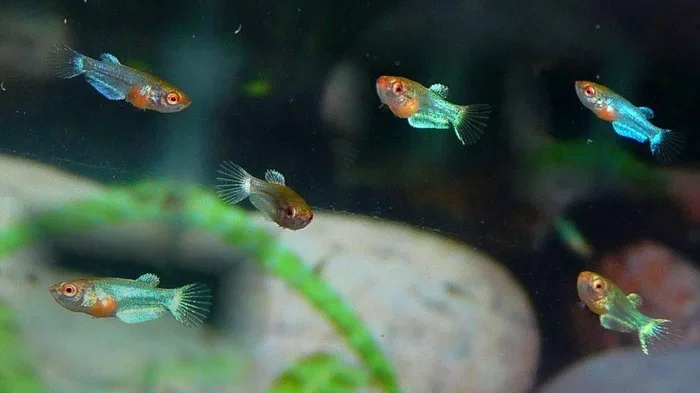
Can Betta Fish Eat Sinking Food
Betta fish can safely eat sinking food, but it’s not the best choice for every situation. Understanding their natural feeding habits, choosing the right type of sinker, and monitoring water quality will keep your betta healthy and happy.
Key Takeaways
- Natural habit: Bettas are surface‑feeders, so sinking food is optional, not required.
- Food type matters: Small, soft, protein‑rich sinkers work best; large or hard pellets can cause digestive issues.
- Water quality: Sinking food can cloud water faster; regular cleaning is essential.
- Feeding frequency: Offer sinkers once or twice a day in small amounts to avoid over‑feeding.
- Observe behavior: If your betta chases the food to the bottom, it’s a sign they accept sinkers.
- Mix with floating food: A varied diet mimics the wild diet and keeps your fish interested.
- Internal resources: Check related guides like What Can Betta Fish Eat for broader feeding ideas.
Quick Answers to Common Questions
Can betta fish eat sinking food?
Yes, bettas can eat sinking food if it’s small, soft, and protein‑rich. They may prefer it as an occasional treat rather than a staple.
How often should I feed sinking food?
Offer sinking food once or twice a day, but limit it to 2‑3 times per week to avoid over‑feeding.
Will sinking food affect water quality?
Yes, it can cloud water faster than floating flakes. Perform regular partial water changes and remove uneaten food promptly.
What size sinking pellets are safe for bettas?
Pellets 2‑3 mm in diameter are ideal—small enough to fit a betta’s mouth yet large enough to sink quickly.
Can I mix sinking and floating foods?
Mixing both is recommended. It mimics a natural diet, keeps feeding behavior varied, and supports overall health.
📑 Table of Contents
- Introduction: Why the Question Matters
- 1. Betta Feeding Habits in the Wild
- 2. Types of Sinking Food Suitable for Bettas
- 3. Benefits of Offering Sinking Food
- 4. Potential Drawbacks and How to Mitigate Them
- 5. How to Introduce Sinking Food Safely
- 6. Frequently Asked Questions About Sinking Food
- Conclusion: Making the Best Choice for Your Betta
Introduction: Why the Question Matters
If you’ve ever watched a betta glide just beneath the water’s surface, you might wonder whether a sinking pellet would even reach its mouth. The short answer is yes—betta fish can eat sinking food—but the longer answer involves understanding their natural behavior, the type of food you choose, and the impact on your aquarium’s ecosystem.
In this article we’ll dive into the science behind betta feeding habits, compare floating versus sinking foods, give you a step‑by‑step guide to safely introduce sinkers, and answer the most common concerns pet owners have. By the end, you’ll know exactly how to feed your betta a balanced diet that keeps it vibrant and healthy.
1. Betta Feeding Habits in the Wild
Surface‑Feeder by Nature
Betta splendens originate from shallow rice paddies and slow‑moving streams in Southeast Asia. In those habitats, insects, larvae, and tiny crustaceans float or skim the surface. Their up‑turned mouth and short, strong jaw are built for snapping up prey at the water’s top.

Visual guide about Can Betta Fish Eat Sinking Food
Image source: cdn.sex.com
What This Means for Home Aquariums
Because of this natural design, most bettas prefer food that stays near the surface. However, they are opportunistic eaters. If a food item drifts down and stays within reach, a betta will often go after it—especially if it’s small, soft, and smells like protein.
2. Types of Sinking Food Suitable for Bettas
Protein‑Rich Sinking Pellets
High‑quality sinking pellets made especially for bettas contain fish meal, shrimp powder, and added vitamins. Look for pellets that are 2‑3 mm in size—small enough for a betta’s mouth but large enough to sink quickly.
Visual guide about Can Betta Fish Eat Sinking Food
Image source: canna-pet.com
Freeze‑Dried and Frozen Options
Freeze‑dried brine shrimp, daphnia, or bloodworms are often sold in packets that sink after a few seconds. They are excellent for occasional treats because they mimic live prey and are easy to digest.
Homemade Sinking Mixes
Some hobbyists blend gelatin, fish broth, and finely ground betta flakes to create a custom sinking snack. This approach lets you control ingredients and avoid fillers.
What to Avoid
- Large, hard pellets that can get stuck in the gut.
- Foods with heavy fillers like wheat or soy that may cloud the water.
- Anything with added dyes or artificial flavors that can irritate the stomach.
3. Benefits of Offering Sinking Food
Variety Keeps the Betta Engaged
Just like us, fish can get bored with the same menu. Adding a sinking treat once a day can stimulate a betta’s hunting instincts and prevent over‑grazing on floating flakes.

Visual guide about Can Betta Fish Eat Sinking Food
Image source: windows10spotlight.com
Helps with Digestive Health
Soft sinking foods often have higher moisture content, which can aid digestion and reduce the risk of constipation—a common issue in captive bettas.
Useful for Tank Set‑Ups with Plants
If you have live plants that trap floating food, sinking pellets pass through the water column and reach the fish without fouling the plant leaves.
4. Potential Drawbacks and How to Mitigate Them
Water Quality Concerns
Because sinking food spends more time in the water before being eaten, it can dissolve and release waste nutrients faster than floating flakes. This may lead to cloudy water or algae growth.
Tip: Perform a light water change (10‑15 %) each time you feed sinking food, and use a gentle filter to capture uneaten particles.
Over‑Feeding Risks
Bettas have tiny stomachs—roughly the size of their eye. Over‑feeding sinking pellets can cause bloating or constipation.
Tip: Offer no more than what your betta can consume in 2‑3 minutes. If any food remains, remove it with a turkey baster.
Behavioral Changes
Some bettas may become less active at the surface if they get used to food that sinks. To keep them exercising their natural surface‑feeding behavior, rotate between floating and sinking foods.
5. How to Introduce Sinking Food Safely
Step‑by‑Step Feeding Routine
- Start Small: Begin with a single 2‑mm sinking pellet.
- Observe: Watch for the betta’s reaction. If it swims down and eats, it accepts the food.
- Gradual Increase: Over a week, raise the amount to 2‑3 pellets per feeding.
- Mix with Floaters: Offer a floating flake alongside the sinker to keep surface activity.
- Monitor Water: Check the water clarity after each feeding; perform a partial change if needed.
Feeding Frequency
Adult bettas typically eat once or twice a day. If you’re using sinking food as a treat, limit it to 2‑3 times per week to avoid nutritional imbalance.
When to Switch Back to Floaters
If you notice excessive waste, cloudy water, or your betta seems less interested in surface feeding, reduce sinking food and return to mainly floating flakes or pellets.
6. Frequently Asked Questions About Sinking Food
Can sinking food replace floating food entirely?
It can, but most experts recommend a mixed diet. Floating foods align with a betta’s natural habit, while occasional sinkers add variety.
Will my betta get sick from eating sinkers?
Only if the food is low quality, oversized, or over‑fed. Choose reputable brands and follow portion guidelines.
How long does sinking food stay edible?
Most sinkers remain viable for 5‑10 minutes before they start to break down. Remove any leftovers promptly.
Is it okay to feed live sinking foods?
Yes—live brine shrimp or daphnia are excellent protein sources and sink quickly. Just be sure they’re from a clean source.
Do other fish in a community tank compete for sinking food?
In a community set‑up, bottom‑dwelling or mid‑level fish may eat the sinker before the betta. If you have tank mates, feed the betta first or use a feeding cup.
Conclusion: Making the Best Choice for Your Betta
In short, can betta fish eat sinking food? Yes, they can, and they often will if the food is appropriately sized, soft, and protein‑rich. However, because bettas are natural surface feeders, sinking food should complement—not replace—their regular floating diet. By selecting high‑quality sinkers, feeding in small portions, and keeping a close eye on water quality, you give your betta a richer, more stimulating feeding experience without compromising its health.
Remember to rotate foods, watch your fish’s response, and adjust based on the condition of your tank. With a balanced approach, your betta will thrive, flaunting its brilliant fins and lively personality for years to come.
Frequently Asked Questions
Do bettas need sinking food to stay healthy?
No. Bettas thrive on high‑quality floating foods, but occasional sinking treats can add variety and extra protein.
What are the best brands of sinking betta food?
Look for brands that list fish meal or shrimp as the first ingredient, have no fillers, and offer pellets around 2 mm in size.
Can I feed my betta live sinking foods?
Yes—live brine shrimp or daphnia are excellent protein sources and sink quickly, making them a great occasional treat.
Will my betta stop eating floating food if I give sinkers?
Usually not. Bettas will still seek surface food. If they seem to ignore floaters, reduce sinker frequency.
How do I know if my betta is over‑fed?
Signs include bloated belly, lethargy, and leftover food after a feeding session. Adjust portions accordingly.
Where can I learn more about betta diets?
Check out our guide on What Can Betta Fish Eat for a full overview of safe foods and feeding tips.