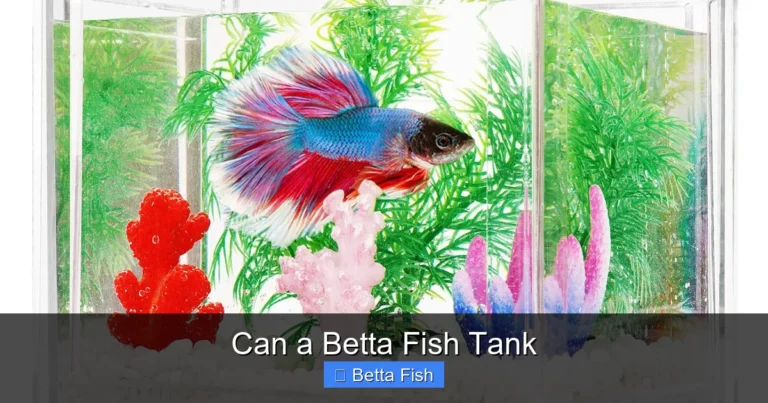
Can I Hold My Betta Fish
Can you hold your betta fish? The short answer is no — it’s not recommended. Betta fish are delicate creatures with a protective slime coat that can be easily damaged by human hands. Handling your betta can cause serious stress, injury, and even death. There are much safer and healthier ways to bond with your fish without ever taking them out of the water.
Key Takeaways
- Holding a betta fish is not recommended: Their delicate bodies and protective slime coat make handling extremely risky and potentially fatal.
- Human hands carry harmful substances: Oils, lotions, soap residue, and bacteria on your skin can damage your betta’s slime coat and introduce toxins to their body.
- Handling causes extreme stress: Being removed from water is terrifying for bettas and can lead to shock, organ failure, or death.
- The slime coat is essential for survival: This protective layer guards against infections, parasites, and diseases — and it can be stripped away by touch.
- Safer bonding alternatives exist: You can interact with your betta through feeding, tank enrichment, and observation without ever touching them.
- Netting is the safest transfer method: If you must move your betta, use a soft aquarium net and keep them submerged in water at all times.
- Stress weakens the immune system: A stressed betta is far more vulnerable to common diseases like fin rot and ich.
📑 Table of Contents
- Can I Hold My Betta Fish? The Honest Answer Every Owner Needs
- Why Betta Fish Should Not Be Held
- The Serious Risks of Handling Your Betta Fish
- What About Those Videos of People Holding Their Bettas?
- Safe Ways to Interact With Your Betta Fish
- When You Need to Move Your Betta Fish
- Understanding Betta Fish Behavior and Happiness
- Final Thoughts: Respecting Your Betta’s Nature
Can I Hold My Betta Fish? The Honest Answer Every Owner Needs
You’ve just brought home your beautiful betta fish. Their fins flow like silk. Their colors shimmer under the tank light. And naturally, you want to get close — maybe even pick them up and hold them. It’s a completely understandable impulse. After all, we hold our dogs, cats, and hamsters all the time. So why not a fish?
Here’s the truth that every betta owner needs to hear: you should not hold your betta fish. I know that might be disappointing to read, especially if you were hoping for a hands-on pet experience. But understanding why will help you become a better betta keeper and actually strengthen your bond with your fish in ways you never expected.
In this article, we’re going to break down exactly what happens when you handle a betta fish, why their bodies are so vulnerable, the serious risks involved, and — most importantly — the wonderful alternatives that let you connect with your betta without putting them in danger. Let’s dive in.
Why Betta Fish Should Not Be Held
Their Bodies Are Incredibly Delicate
Betta fish are small, fragile creatures. Most adult bettas are only about 2.5 to 3 inches long. Their fins are made of thin, translucent tissue supported by tiny rays. These fins tear incredibly easily — even brushing against a rough decoration in the tank can cause damage. Now imagine the pressure of human fingers gripping their body.
When you hold a betta, even gently, you risk crushing their internal organs. Their skeletal structure is not designed to support their body weight outside of water. In water, buoyancy does the work. In your hand, gravity takes over, and that’s a dangerous combination for such a tiny animal.
The Slime Coat: A Betta’s Invisible Shield
Here’s something most new betta owners don’t know: every fish is covered in a thin layer of mucus called a slime coat. This isn’t just slime — it’s a critical part of your betta’s immune system. The slime coat serves several vital functions:
- Barrier against bacteria and parasites: It prevents harmful microorganisms from entering the fish’s body through the skin.
- Protection from fungal infections: Without it, your betta is exposed to fungi that are naturally present in almost every aquarium.
- Osmoregulation: It helps the fish maintain the right balance of water and salts in their body.
- Wound healing: The slime coat contains antibodies and enzymes that help repair minor injuries.
When you touch your betta fish with bare hands, you strip away this protective layer. It’s like removing someone’s skin and leaving them exposed to the elements. Once the slime coat is compromised, your betta becomes vulnerable to a host of diseases including fin rot, velvet, and bacterial infections.
What’s on Your Hands Matters More Than You Think
Our hands carry a lot more than we realize. Even after washing, trace amounts of soap, lotion, oils, and chemicals remain on your skin. Things like hand sanitizer residue, sunscreen, perfume, and even the natural oils your skin produces are toxic to fish.
Betta fish absorb substances directly through their skin and gills. So when you place your betta in your hand, they’re essentially soaking in whatever chemicals are on your skin. This can cause chemical burns, respiratory distress, and long-term health problems that may not show up immediately but can shorten your betta’s lifespan significantly.
The Serious Risks of Handling Your Betta Fish
Stress and Shock
Fish experience stress very differently than mammals do, but it’s no less real. When a betta is removed from water, they go into a state of acute stress. Their heart rate spikes. Stress hormones flood their system. In severe cases, this can lead to shock — a life-threatening condition where the body essentially shuts down.
Signs that your betta is experiencing extreme stress include rapid gill movement, erratic swimming, loss of color, and lying on their side. If you’ve ever seen a betta go pale or clamp their fins after being handled, that’s their body telling you something is very wrong.
Chronic stress is equally dangerous. Even if your betta seems to “recover” after being held, the stress event can weaken their immune system for days or weeks afterward. This is often when illnesses like common betta diseases take hold, because the fish’s defenses are down.
Physical Injury
Beyond the risk of crushing, there are several ways handling can physically injure your betta:
- Fin tears and damage: Fins can snag on your skin’s texture or tear if the fish thrashes.
- Scale loss: Scales can be pulled off during handling, leaving open wounds.
- Eye damage: Betta eyes are prominent and can be scratched or punctured.
- Internal injuries: Pressure on the body can damage organs that aren’t visible from the outside.
- Dropping the fish: A struggling betta can easily slip from your hands and fall, which can be fatal.
Even experienced fish handlers who work with larger, hardier species take extreme precautions. For a small, delicate betta, the risks are magnified significantly.
Oxygen Deprivation
Betta fish breathe through their gills, which extract dissolved oxygen from water. While bettas have a special organ called a labyrinth organ that allows them to breathe atmospheric air (which is why they can survive in low-oxygen environments), this doesn’t mean they can survive out of water for extended periods.
When you hold your betta, their gills begin to collapse and dry out. Even a few seconds out of water can cause gill damage. Prolonged exposure leads to oxygen deprivation, which can cause brain damage and death. It’s a painful, frightening experience for the fish — similar to how drowning feels for humans.
What About Those Videos of People Holding Their Bettas?
If you’ve spent any time on social media, you’ve probably seen videos of people holding their betta fish in cupped hands, seemingly without any problems. Your betta might even appear calm. So what’s the deal?
First, survivorship bias is at play. You’re only seeing the bettas that survived the experience. You’re not seeing the ones that died hours or days later from stress, infection, or internal injuries. For every viral video of a “happy” betta being held, there are countless untold stories of fish that didn’t make it.
Second, a betta that appears calm during handling is often in a state of tonic immobility — essentially, they’ve frozen in fear. It’s a defense mechanism, not a sign of contentment. Think of it like a rabbit going still when grabbed by a predator. That stillness doesn’t mean they’re okay.
Third, some bettas are hardier than others, and some handlers are more careful. But “it worked once” doesn’t mean “it’s safe.” Every instance of handling carries risk, and those risks accumulate over time.
Just because something can be done doesn’t mean it should be done. Your betta’s health and wellbeing should always come before the desire for a photo opportunity or a hands-on experience.
Safe Ways to Interact With Your Betta Fish
Observation and Watching
One of the most rewarding aspects of betta keeping is simply watching them. Bettas are incredibly expressive fish. They flare their gills, wiggle their bodies, build bubble nests, and explore their environment with genuine curiosity. Spending time observing your betta each day is one of the best ways to bond with them.
You can learn a lot about your betta’s personality just by watching. Some bettas are bold and interactive. Others are shy and prefer to observe from a distance. Either way, your presence at the tank becomes a source of stimulation and enrichment for them.
Hand-Feeding (With Caution)
If you want a more hands-on experience, hand-feeding can be a great alternative — with some important caveats. You can use feeding tongs or a pipette to offer treats like bloodworms or brine shrimp directly to your betta at the water’s surface.
Never put your fingers in the tank water regularly. The oils and chemicals on your skin can contaminate the water. If you do want to try hand-feeding, make sure your hands are thoroughly rinsed with hot water only — no soap, no lotion, nothing. And keep your fingers submerged so you’re not introducing your betta to air unnecessarily.
Many bettas will learn to associate your hand with food and will swim up to greet you. It’s an incredibly rewarding interaction that doesn’t require any handling at all.
Tank Enrichment and Play
Bettas are intelligent fish that benefit from mental stimulation. You can “play” with your betta by:
- Adding new decorations: Rearranging tank items gives your betta new areas to explore.
- Using a laser pointer: Some bettas will chase a laser dot on the tank glass (use sparingly to avoid overstimulation).
- Introducing floating plants: Bettas love to rest on and explore floating vegetation.
- Placing a clean mirror briefly: A short mirror session allows your betta to display and exercise, but limit it to 1-2 minutes to prevent stress.
These activities provide the interaction and engagement you’re looking for without any of the risks associated with physical handling.
Building Trust Over Time
One of the most beautiful things about betta fish is that they can learn to recognize their owners. Over time, your betta will begin to associate your presence with positive experiences like feeding and tank maintenance.
You’ll notice your betta swimming to the front of the tank when you approach. They might follow your finger along the glass. Some bettas even “dance” or wiggle when they see you. These are signs of trust and recognition — and they’re far more meaningful than holding your fish ever could be.
Building this kind of relationship takes patience, but it’s incredibly rewarding. And it keeps your betta safe, healthy, and stress-free.
When You Need to Move Your Betta Fish
Using a Soft Aquarium Net
There are times when you’ll need to move your betta — during tank cleaning, water changes, or if you’re transferring them to a new home. In these situations, always use a soft aquarium net.
Choose a net with fine, soft mesh that won’t tear your betta’s fins. Gently guide your betta into the net rather than chasing them around the tank. Chasing causes stress and can injure your betta as they try to escape.
Once your betta is in the net, keep them submerged in water at all times. Transfer them directly from one body of water to another. Never lift your betta out of the water in a net — the net is simply a guide, not a holding device.
The Cup Method for Transfers
For short transfers, you can also use a clean cup or container. Gently guide your betta into the cup while it’s submerged, then lift the cup out with the fish still in water. This keeps your betta fully submerged and minimizes stress.
This method is especially useful during tank cleaning when you need to temporarily relocate your betta. Have the container ready with water from their tank (not fresh tap water) to avoid temperature shock and parameter changes.
Minimizing Transfer Stress
Every transfer is stressful for your betta, so it’s important to minimize how often you do it. When you must move your betta, follow these guidelines:
- Use tank water: Always transfer your betta into water from their current tank to avoid parameter shock.
- Match the temperature: Ensure the water they’re going into is the same temperature as their current water.
- Work quickly but calmly: Don’t rush, but don’t drag out the process either.
- Dim the lights: Bright lights during a transfer can increase stress.
- Give them time to recover: After a transfer, leave your betta alone for a few hours to settle in.
Understanding Betta Fish Behavior and Happiness
Signs of a Happy Betta
Instead of focusing on physical handling, learn to read your betta’s behavior to understand their emotional state. A happy, healthy betta will display the following signs:
- Vibrant color: Bright, rich colors indicate good health and low stress.
- Active swimming: A happy betta explores their tank regularly.
- Healthy appetite: They eat eagerly and show interest in food.
- Flaring occasionally: Brief displays of flaring are normal and healthy.
- Bubble nest building: Male bettas build bubble nests when they’re content.
- Relaxed fins: Fins are spread naturally, not clamped tight against the body.
These behaviors tell you far more about your betta’s wellbeing than any physical interaction ever could.
Signs of Stress or Illness
On the flip side, watch for warning signs that something is wrong:
- Clamped fins: Fins held tight against the body signal stress or illness.
- Loss of color: Fading or dull colors can indicate stress or disease.
- Lethargy: A betta that sits at the bottom or floats at the surface may be unwell.
- Loss of appetite: Refusing food is often the first sign of a problem.
- Erratic swimming: Darting, crashing, or swimming in circles is abnormal.
- Visible spots, tears, or growths: These may indicate infection or parasites.
If you notice any of these signs, check your water parameters immediately and consider consulting a fish veterinarian or experienced aquarist. Early intervention can make all the difference.
Final Thoughts: Respecting Your Betta’s Nature
At the end of the day, the question “can I hold my betta fish?” is really about understanding and respecting what a betta fish is. They’re not a puppy or a kitten. They’re an aquatic animal that has evolved over millions of years to live in water. Their bodies, their biology, their entire existence is designed for an underwater life.
When we try to force our betta into a human framework of interaction — holding, cuddling, petting — we’re doing it for us, not for them. And that’s okay, as long as we recognize it and choose to prioritize our pet’s wellbeing over our own desires.
The beautiful thing is that bettas offer so many other ways to connect. Their intelligence, their personality, their stunning beauty — these are things you can enjoy every single day without ever needing to touch them. Watching your betta build a bubble nest, seeing them wiggle with excitement at feeding time, or simply observing them glide gracefully through the water — these are the real joys of betta keeping.
So the next time you’re tempted to reach into the tank and pick up your betta, pause. Watch them instead. Appreciate them for the remarkable aquatic creature they are. And know that the best way to show your betta love is to keep them safe, healthy, and thriving in the environment they were born to live in.
Your betta can’t tell you they’re scared. They can’t ask you to put them back. It’s up to you to make the right choice for them — even when it’s not the choice you wanted to make. And honestly? That’s what being a great pet owner is all about.
Frequently Asked Questions
Can I hold my betta fish out of water?
No, you should never hold your betta fish out of water. Being removed from water causes extreme stress, gill collapse, oxygen deprivation, and can result in serious injury or death. Even brief exposure to air can damage their delicate gills and protective slime coat.
Why does my betta fish seem calm when I hold it?
A betta that appears calm during handling is likely experiencing tonic immobility — a fear response where the fish freezes. This is not a sign of contentment or enjoyment. It’s a survival mechanism similar to playing dead, and it indicates your betta is terrified.
Can I touch my betta fish with wet hands?
Even with wet hands, touching your betta is not recommended. Water doesn’t remove the oils, bacteria, and chemical residues on your skin that can harm your betta’s slime coat. The risk of injury and infection is still present even with thoroughly wet or rinsed hands.
How do I move my betta fish safely?
Use a soft, fine-mesh aquarium net to gently guide your betta into a container of tank water. Keep them fully submerged at all times during the transfer. Work calmly and quickly, and always use water from their current tank to avoid temperature and parameter shock.
Do betta fish like to be petted?
No, betta fish do not enjoy being petted or touched. Unlike mammals, fish don’t have the neurological wiring to experience touch as pleasurable. Physical contact is stressful and harmful for bettas, and they derive no comfort or enjoyment from being handled.
How can I bond with my betta without holding it?
You can bond with your betta through regular feeding routines, tank enrichment, observation, and gentle interaction at the glass. Many bettas learn to recognize their owners and will swim to greet you. Offering varied, high-quality food and maintaining a stimulating tank environment are the best ways to build trust and connection.