How Many Flakes Should You Feed a Betta Fish
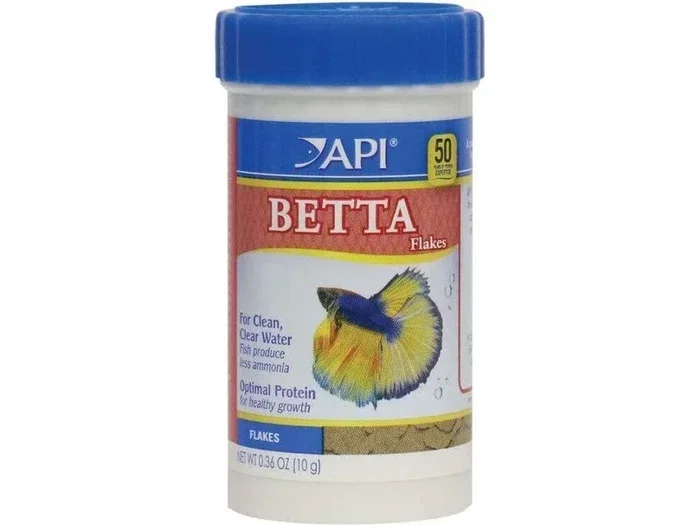
Knowing how many flakes to feed a betta fish is one of the most important parts of betta care. Most bettas do best with 2 to 3 small flakes per meal, fed once or twice a day. Overfeeding is the biggest mistake new fish owners make, and it can seriously harm your fish.
Feeding your betta fish the right amount of flakes can feel tricky. You do not want to give too little and starve your fish. But you also do not want to give too much and ruin your water quality. how many flakes should you feed a betta fish is a question almost every betta owner asks at some point. The answer is simpler than you might think, but there are important details to know.
In this guide, we will walk you through everything you need to know about feeding flakes to your betta. You will learn the right portion size, how often to feed, and the mistakes to avoid. By the end, you will feel confident about your betta’s feeding routine. Let us dive in.
Key Takeaways
- Feed 2 to 3 flakes per meal: This is the ideal portion for most adult bettas.
- Feed once or twice a day: A consistent feeding schedule keeps your betta healthy and active.
- Watch for overfeeding signs: Cloudy water, uneaten flakes, and bloating are red flags.
- Soak flakes before feeding: This prevents swim bladder issues and makes food easier to digest.
- Variety matters: Alternate flakes with pellets and occasional treats for balanced nutrition.
- Remove uneaten food promptly: Leftover flakes degrade water quality fast.
📑 Table of Contents
- Why Flake Food Matters for Your Betta
- How Many Flakes Should You Feed a Betta Fish
- How Often Should You Feed Your Betta Flakes
- Common Feeding Mistakes to Avoid
- How to Tell If You Are Feeding the Right Amount
- Flakes vs. Other Food Types: What Is Best?
- Special Feeding Considerations
- Final Thoughts on How Many Flakes to Feed Your Betta
Why Flake Food Matters for Your Betta
Flakes are one of the most common foods for betta fish. They are convenient, affordable, and widely available. But not all flakes are created equal. Your betta needs a balanced betta fish diet that is rich in protein. Flakes can provide that, but only if you choose the right kind and feed the correct amount.
Betta fish are carnivores by nature. They thrive on a diet high in animal-based protein. Many cheap flakes are filled with fillers and plant matter that your betta does not need. Look for flakes that list fish meal or shrimp as the first ingredient. High-quality fish food makes a big difference in your betta’s energy, color, and lifespan.
The Role of Flakes in a Balanced Diet
Flakes should be a staple in your betta’s diet, but they do not need to be the only food. Think of flakes as the foundation. You can build on that with pellets, frozen foods, or live foods. A varied betta fish feeding schedule that includes different food types keeps your fish healthy and interested in eating.
Some owners prefer pellets over flakes, and that is perfectly fine. Pellets sink, which can be easier to manage. But flakes float, and many bettas love to eat from the surface. The key is to feed the right amount of food for betta fish regardless of the type.
How Many Flakes Should You Feed a Betta Fish
This is the core question, and the answer depends on a few factors. The general rule is 2 to 3 flakes per feeding for an adult betta. But the exact number can vary based on the size of the flakes, your fish’s age, and its activity level.
Here is a simple breakdown to help you get it right:
- Adult bettas: 2 to 3 flakes, once or twice a day.
- Young bettas (under 6 months): 3 to 4 flakes, twice a day.
- Senior bettas: 1 to 2 flakes, once a day.
The flakes should be small enough for your betta’s mouth. If a flake is bigger than your fish’s eye, break it in half. Proper portion control is one of the easiest ways to keep your betta healthy and prevent common health problems.
What Happens If You Feed Too Many Flakes
Overfeeding is the number one killer of pet bettas. When you give too many flakes, your fish will eat what it can and ignore the rest. Uneaten flakes sink to the bottom and start to decompose. This releases ammonia into the water, which is toxic to your fish.
Even if your betta eats everything, too much food can cause swim bladder disease and bloating. A betta’s stomach is about the size of its eye. It does not take much food to fill it up. Can you feed a betta fish too much? Yes, absolutely, and the consequences can be serious.
How Often Should You Feed Your Betta Flakes
Frequency matters just as much as portion size. Most experts agree that feeding your betta once or twice a day is ideal. Some owners skip a day once a week to give the digestive system a break. This mimics what bettas would experience in the wild, where food is not always available every day.
Consistency is key. Try to feed your betta at the same times each day. Many owners find that morning and evening feedings work well. This also makes it easy to spot any changes in appetite, which can be an early sign of illness.
Creating a Feeding Schedule That Works
Building a routine around your betta’s feeding is simple. Here are a few tips to get started:
- Pick two consistent times each day, like 8 AM and 6 PM.
- Feed only what your betta can eat in 2 minutes.
- Remove any uneaten flakes after feeding.
- Skip one feeding per week to support digestion.
Following a regular betta feeding routine helps your fish feel secure and healthy. Bettas thrive on predictability. Once they know when food is coming, they will be more active and engaged.
Common Feeding Mistakes to Avoid
Even experienced fish keepers make feeding mistakes. Here are the most common ones and how to fix them:
Mistake 1: Overfeeding
This is the big one. It is easy to think your betta is hungry because it swims to the front of the tank when you approach. But bettas learn to associate your presence with food. They will often beg even when they are full. Stick to the recommended portion size and do not give in to the begging.
Mistake 2: Using Low-Quality Flakes
Cheap flakes are full of fillers and lack the protein your betta needs. Over time, a poor diet can lead to dull colors, low energy, and a weakened immune system. Invest in quality betta food that lists real animal protein as the main ingredient.
Mistake 3: Feeding Only Flakes
Variety is important for your betta’s health. Flakes alone may not provide all the nutrients your fish needs. Consider alternating with betta pellets, frozen bloodworms, or brine shrimp. A varied tropical fish diet supports growth, color, and longevity.
Mistake 4: Leaving Uneaten Food in the Tank
Flakes start to break down within minutes of hitting the water. Uneaten flakes will foul your water quickly, leading to ammonia spikes. Always remove any food your betta does not eat within a few minutes of feeding.
How to Tell If You Are Feeding the Right Amount
It can take some trial and error to find the perfect amount. But your betta will give you clues. A well-fed betta has a rounded but not bloated belly. It is active, curious, and has bright, vibrant colors. Its waste is solid and well-formed.
On the other hand, if your betta seems lethargic or its belly looks stretched, you may be overfeeding. If it is losing weight or looking thin, you may need to increase the portion slightly. Paying attention to these signs helps you adjust the feeding amount for betta fish over time.
Quick Tips for Perfect Flake Feeding
- Break large flakes into smaller pieces before adding them to the tank.
- Soak flakes for a few seconds before feeding to prevent them from expanding in your fish’s stomach.
- Use a feeding ring or tray to keep flakes in one place and make cleanup easier.
- Wash your hands before and after feeding to protect water quality.
- Do not feed your betta right after a water change. Wait at least an hour.
These small habits add up to a big difference. They help you maintain clean water and keep your betta in great shape. A good betta fish care routine starts with proper feeding.
Flakes vs. Other Food Types: What Is Best?
Flakes are a great staple food, but they are not the only option. Let us compare flakes with other common betta foods so you can make the best choice for your fish.
| Food Type | Pros | Cons |
|---|---|---|
| Flakes | Affordable, easy to find, good for beginners | Can lose nutrients quickly, may contain fillers |
| Pellets | Sinking food, less waste, high nutritional value | Can be expensive, some bettas refuse them |
| Frozen Foods | High protein, mimics natural diet | Requires thawing, can introduce bacteria if not handled properly |
| Live Foods | Most natural, great for breeding and conditioning | Risk of parasites, harder to source |
The best approach is to use flakes as a base and supplement with other foods a few times a week. This gives your betta the best of both worlds. If you ever wonder about switching foods, check out our guide on how many pellets to feed a betta fish for helpful tips.
Special Feeding Considerations
Not all bettas are the same. Age, health, and living conditions can all affect how much and how often you should feed. Here are a few situations where you might need to adjust your approach.
Feeding a Sick Betta
If your betta is sick, it may lose its appetite. In this case, do not force-feed. Instead, offer a tiny amount of softened flakes and see if your fish shows interest. If it refuses food for more than two days, how do you cure a sick betta fish should be your next research step. Sometimes a change in diet is all that is needed to spark an appetite.
Feeding a Baby Betta
Young bettas need more frequent feedings than adults. You can feed baby bettas 3 to 4 small pinches of crushed flakes, 2 to 3 times a day. Make sure the flakes are broken down into very small pieces. For more details on feeding young fish, see our article on can you feed a baby betta fish.
Feeding After Water Changes
Water changes can stress your betta. It is best to wait at least an hour after a water change before feeding. This gives your fish time to settle and reduces the risk of digestive issues. A calm fish eats better and digests food more efficiently.
Final Thoughts on How Many Flakes to Feed Your Betta
Feeding your betta the right number of flakes does not have to be complicated. Stick with 2 to 3 flakes per meal, feed once or twice a day, and always remove uneaten food. Your betta will thank you with vibrant colors, steady energy, and a long, healthy life.
Remember that every betta is a little different. Pay attention to your fish’s behavior and adjust as needed. If you ever feel unsure, start with a smaller portion and work your way up. It is always better to underfeed slightly than to overfeed.
Good nutrition is the foundation of good betta fish care. When you get the feeding right, everything else falls into place. Your tank will be cleaner, your fish will be happier, and you will enjoy the hobby even more. For more tips on keeping your betta healthy, check out our complete guide on how do you care for a betta fish and learn everything you need to know.
Take what you have learned here today and put it into practice at your next feeding. Your betta will be healthier and more active because of it. how many flakes should you feed a betta fish is a simple question with a powerful answer: a little goes a long way when you get it right.
Frequently Asked Questions
Can I feed my betta flakes every day?
Yes, feeding flakes every day is perfectly fine as long as you stick to the right portion. Most adult bettas do well with 2 to 3 flakes once or twice a day. Just make sure the flakes are high quality and suited for bettas.
What happens if I give my betta too many flakes?
Overfeeding can cause bloating, swim bladder issues, and dirty water. Uneaten flakes decompose quickly and release harmful ammonia. Always feed only what your betta can consume in about 2 minutes.
Can I mix flakes with pellets for my betta?
Absolutely. Mixing flakes and pellets gives your betta a varied diet and ensures it gets a range of nutrients. Just be mindful of the total amount so you do not overfeed.
How do I know if my betta is still hungry after feeding?
Betta fish are opportunistic eaters and will often seem hungry even when they are full. A good rule of thumb is to stick to the recommended portion size and not increase it based on begging behavior. Your fish will be healthy if it has a rounded belly and steady energy.
Should I soak flakes before feeding my betta?
Yes, soaking flakes for a few seconds before adding them to the tank is a great practice. This prevents the flakes from expanding in your betta’s stomach, which can cause digestive discomfort and swim bladder problems.
How long can a betta fish go without eating flakes?
A healthy adult betta can go 2 to 3 days without food without any issues. Some owners skip one day per week to support digestion. If your betta refuses food for longer than that, it may be a sign of illness and should be checked.
=== INTERNAL LINKS USED ===
1. how often you feed a betta fish
2. how many pellets to feed a betta fish
3. can you feed a betta fish too much
4. how do you care for a betta fish