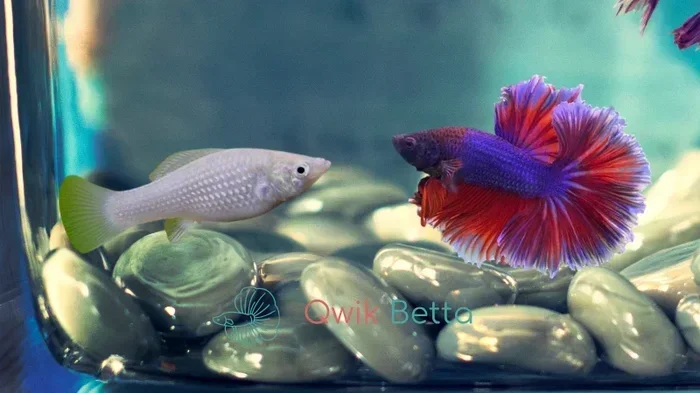
Can You Put Betta Fish with Mollies Find Out Now
Wondering if you can keep betta fish with mollies? This guide reveals the truth about their compatibility, tank requirements, and how to create a peaceful home where both species thrive. You’ll learn why many aquarists ask Can You Put Betta Fish with Mollies, what factors influence success, and step‑by‑step tips to avoid common mistakes. By the end, you’ll have a clear plan for a harmonious betta‑molly tank.
Key Takeaways
- Compatibility is possible but not guaranteed. Male bettas are territorial, while mollies are active swimmers; proper tank size and hiding spots are essential.
- Water parameters must match. Both species prefer similar temperature (75‑80°F) and pH (6.5‑7.5), making water setup straightforward.
- Tank mates matter. Choose peaceful mollies (preferably female) and avoid fin‑nipping species that stress a betta.
- Gradual introduction is key. Use a quarantine tank and slow acclimation to reduce aggression and stress.
- Monitor behavior closely. Look for signs of bullying, hiding, or health issues to intervene early.
- Research and planning pay off. Refer to detailed guides like Can You Put Mollies In With Betta Fish for deeper insights.
- Community support helps. Joining betta and molly hobbyist forums can provide real‑world tips and troubleshooting.
📑 Table of Contents
Understanding Betta Fish Behavior
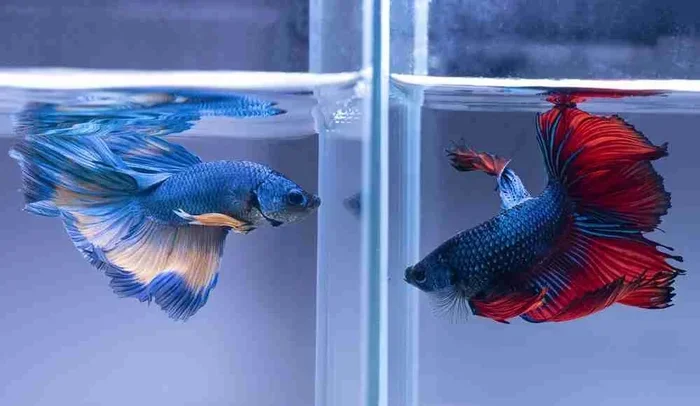
If you’ve ever wondered Can You Put Betta Fish with Mollies, the first step is to understand why betta fish act the way they do. Male bettas are famous for their vibrant colors and impressive bubble nests. They are also naturally territorial, especially toward other fish that swim near the surface or have flowing fins. This territorial instinct is a survival mechanism, not just aggression for its own sake. Female bettas are generally more tolerant, but they still appreciate space and clear boundaries.
Betta fish are solitary by nature in the wild, but in a well‑planned aquarium they can coexist with carefully chosen companions. The key is to reduce triggers that make a betta feel threatened. Bright colors, fast movements, and long fins can all set off a betta’s defensive response. When you introduce a molly, you want to minimize these triggers while providing enough visual barriers to keep the betta comfortable.
Why Bettas Are Particular
• Surface dominance: Bettas patrol the top layers of the tank and will guard their bubble nests fiercely.
• Ferocity over fins: Fish with long, flowing fins (like some guppies or veiltails) are often seen as rivals.
• Space matters: A cramped environment amplifies aggressive tendencies.
• Lighting effects: Bright or flickering lights can be perceived as threats.
Tips to Keep Your Betta Calm
- Provide plenty of live or artificial plants to create visual barriers.
- Use a tank lid to maintain humidity and reduce surface disturbances.
- Avoid sudden movements or loud noises near the aquarium.
- Keep the lighting moderate and consistent.
Meet the Molly Fish
Mollies are lively, social fish that belong to the Poecilia genus. They are native to fresh and slightly brackish waters in Central and South America. Mollies are known for their active swimming style and bright coloration, which can range from neon orange to deep black. They are generally peaceful, but their high energy can sometimes irritate a more sedentary betta.
When asking Can You Put Betta Fish with Mollies, it’s important to consider the molly’s temperament. Female mollies are often more docile than males, which can be more territorial during breeding periods. Mollies also prefer a community setting, so they thrive when they have at least a few tank mates. Their diet is omnivorous, and they enjoy a mix of flake food, frozen foods, and occasional live foods.
Molly Characteristics to Know
• Active swimmers: They love to explore the middle and upper water columns.
• Social structure: They form hierarchies, but usually without aggression toward other species.
• Breeder types: Live‑bearing, meaning they give birth to free‑swimming fry.
• Temperature tolerance: They handle a range of 72‑82°F comfortably.
Choosing the Right Molly Species
- Shortfin Mollies – less aggressive, good for community tanks.
- Gold Mollies – striking color, moderate temperament.
- Neon Tetras (not true mollies) – often confused; better suited for different setups.
- Black Mollies – sleek and calm, excellent for betta pairings.
Compatibility: Can Betta and Mollies Coexist?
The short answer to Can You Put Betta Fish with Mollies is “it depends.” Successful cohabitation hinges on several factors: tank size, hiding places, individual personalities, and water conditions. Below, we break down the most critical elements.
Key Compatibility Factors
1. Tank Size – A minimum of 20 gallons is recommended. Larger volumes dilute waste and give fish more space to establish territories.
2. Hiding Spots – Live plants like Java Fern, Anubias, or floating Amazon Frogbit create visual barriers that calm a betta.
3. Molly Behavior – Choose calm, non‑fin‑nipping mollies. Female mollies are often a safer bet than boisterous males.
4. Water Parameters – Both species thrive in similar conditions, which simplifies maintenance.
5. Individual Temperament – Even with perfect conditions, some bettas simply don’t tolerate tank mates. Watch for signs of stress.
Quick Tips for a Peaceful Mix
- Introduce the betta first and let it claim its spot.
- Add mollies later, after the betta has settled.
- Use a floating barrier or separate compartment during the first few days.
- Maintain consistent feeding times to reduce competition.
- Monitor water quality weekly; cloudy water can trigger aggression.
Expert Insight
Experienced aquarists often advise a “slow‑and‑steady” approach. According to many betta forums, the best results come from giving the betta a clear territory and ensuring mollies stay active but not overly intrusive. For deeper guidance, check out Can You Put Other Fish With A Betta, which covers general compatibility principles.
Tank Setup and Water Parameters
Creating the right environment is the foundation of any successful betta‑molly tank. Both species share similar needs, which makes maintenance easier.
Ideal Water Conditions
- Temperature: 75‑80°F (24‑27°C)
- pH: 6.5‑7.5 (slightly acidic to neutral)
- Hardness: 10‑20 dGH (soft to moderately hard)
- Filtration: Gentle flow to mimic natural streams; avoid strong currents that can stress bettas.
- Lighting: Moderate, 10‑12 hours per day; avoid direct sunlight which can cause algae blooms.
Comparison Table: Betta vs. Molly Care Needs
| Parameter | Betta Fish | Molly Fish |
|---|---|---|
| Temperature | 75‑80°F | 72‑82°F |
| pH | 6.5‑7.5 | 7.0‑8.2 |
| Hardness | 10‑20 dGH | 10‑30 dGH |
| Space Required | 5‑10 gallons (per fish) | 10‑15 gallons (per school) |
| Diet | Protein‑rich, occasional live foods | Omnivorous, flakes + frozen |
Creating a Secure Environment
Start with a solid substrate—fine gravel works well. Add driftwood or roots to provide horizontal hiding spots. Live plants not only beautify the tank but also serve as visual barriers. For a betta, a spot near a plant where it can build a bubble nest is ideal. Mollies appreciate open swimming zones, so ensure there’s enough free space away from the betta’s territory.
Common Mistakes to Avoid
- Overcrowding the tank, leading to stress and aggression.
- Using bright LED strips that constantly flicker.
- Neglecting regular water changes, which can spike ammonia and irritate bettas.
- Choosing aggressive molly variants (like some male sailfin types) that may nip at betta fins.
- Failing to acclimate fish properly, causing shock and territorial behavior.
Step‑by‑Step Guide to Introducing Betta with Mollies
When you finally decide to combine these two species, follow this systematic approach to maximize success.
Step 1: Prepare the Tank
Clean the aquarium thoroughly, replace 30‑40% of the water with dechlorinated water at the correct temperature, and add your chosen plants and décor. Ensure the filter is running and the water flow is gentle.
Step 2: Quarantine the New Mollies
Isolate mollies for 2‑4 weeks in a separate tank. Observe them for signs of disease or parasites. This step protects your betta from hidden health threats.
Step 3: Acclimate the Betta
If the betta isn’t already in the main tank, acclimate it slowly to the new environment. Float the betta in a bag for 15 minutes, then open the bag and let the fish explore the tank at its own pace.
Step 4: Introduce the Mollies
Place the mollies in a net or a small container and lower them gently into the tank. Keep the net near the betta’s periphery but not directly in its line of sight. This reduces sudden confrontations.
Step 5: Monitor for 48‑72 Hours
Watch for any aggressive behavior: chasing, fin nipping, or rapid surface movements. If the betta shows extreme stress, consider removing the mollies and re‑evaluating tank conditions.
Step 6: Establish Routine
Feed the fish sparingly twice a day. Keep lighting consistent, and perform weekly water changes of 20‑30% to maintain stable parameters.
Quick Check List
- ✓ Tank size ≥20 gallons
- ✓ Proper water parameters (see table)
- ✓ Hiding spots for betta
- ✓ Peaceful molly species
- ✓ Quarantine period completed
- ✓ Gradual introduction with monitoring
Common Mistakes and How to Avoid Them
Even with perfect conditions, many aquarists encounter setbacks. Recognizing and correcting these errors early can save both fish.
1. Ignoring the Betta’s Territorial Nature
Even a well‑stocked tank can become a battleground if the betta feels its bubble nest is under threat. Provide multiple hiding spots and avoid placing decorations too close to the surface where the betta rests.
2. Overfeeding and Water Quality Issues
Excess food pollutes the water, raising ammonia and nitrite levels. This stress can trigger aggression. Use a feeding schedule and a reliable test kit to keep water pristine.
3. Wrong Molly Species
Some mollies, especially aggressive males, can nip at betta fins. Stick to calm females or docile varieties like shortfin mollies. For more species guidance, see Can You Put Mollies In With Betta Fish.
4. Inadequate Tank Size
A cramped environment forces fish to compete for space, leading to chronic stress. Aim for at least 20 gallons, and consider adding a larger tank if you plan to expand the community later.
5. Sudden Changes in Lighting or Temperature
Rapid shifts can confuse both species. Use timers for lighting and insulated heaters to maintain steady temperatures.
Expert Insight
Long‑time betta enthusiast Maria L. notes: “The secret isn’t just picking the right fish, it’s about reading their body language. If a betta constantly flares at the molly’s path, it’s time to rearrange décor or reconsider the pairing.”
Conclusion
So, can you put betta fish with mollies? The answer is a qualified “yes.” With careful planning, proper tank setup, and vigilant monitoring, many aquarists successfully combine these two popular species. The key is to respect the betta’s territorial instincts while providing a stimulating environment for the active molly.
By following the step‑by‑step guide, avoiding common pitfalls, and staying attentive to water conditions, you’ll create a harmonious community tank where both fish can thrive. Remember, patience and observation are your greatest tools. For more detailed strategies, check out resources like Can You Put Other Fish With A Male Betta and continue expanding your aquarium knowledge.
Now you’re equipped to answer the question Can You Put Betta Fish with Mollies with confidence and expertise. Happy fishkeeping!
Frequently Asked Questions
Can betta fish and mollies live together safely?
Yes, they can coexist when tank conditions are optimal. Provide plenty of hiding spots, maintain stable water parameters, and choose calm molly varieties. Monitor behavior closely, especially during the first week, and be ready to separate the fish if aggression persists.
What tank size is recommended for a betta‑molly combination?
A minimum of 20 gallons is ideal. This size gives the betta room to establish territory and allows mollies to swim freely without crowding the space, reducing stress and aggression.
Do I need to quarantine mollies before adding them to the betta tank?
Absolutely. Quarantining for 2‑4 weeks helps prevent the spread of parasites or diseases that could harm your betta. It also gives you time to observe the mollies’ health and temperament before the final introduction.
Which molly species are best suited for betta tanks?
Female mollies and calm varieties like shortfin or black mollies are the safest choices. Avoid aggressive male sailfin or longfin types, as they may nip at betta fins and provoke territorial responses.
How can I tell if my betta is stressed by the mollies?
Watch for constant flaring, hiding, loss of color, or refusal to eat. Rapid surface breathing and aggressive chasing of the mollies are also signs of stress. If these behaviors continue, consider rearranging décor or separating the fish.
What water parameters should I maintain?
Keep the temperature between 75‑80°F, pH around 6.5‑7.5, and hardness at 10‑20 dGH. Perform regular water changes (20‑30% weekly) and use a gentle filter to ensure stable, clean water for both species.