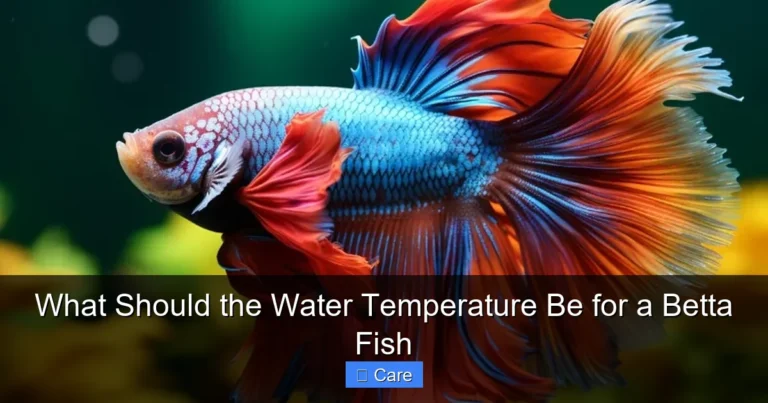
What Is the Best Temperature for Betta Fish Care
The ideal water temperature for betta fish ranges from 78°F to 80°F (25.5°C to 26.5°C). Maintaining this stable range is crucial for their metabolism, immune system, and overall longevity. Sudden temperature swings can cause stress, illness, or even death, so investing in a reliable heater and thermometer is essential. By monitoring your tank daily and making gradual adjustments, you will create a thriving environment where your betta can display vibrant colors and active behavior.
Key Takeaways
- Ideal Range: Keep water between 78°F and 80°F for optimal health, digestion, and activity levels.
- Stability Matters: Avoid rapid temperature fluctuations; even small shifts can weaken your betta immune system.
- Heater Selection: Use an adjustable submersible heater sized correctly for your tank volume to maintain consistent warmth.
- Monitoring Tools: Always pair your heater with a reliable digital or glass thermometer to verify actual water temperature.
- Signs of Trouble: Watch for lethargy, clamped fins, loss of appetite, or gasping at the surface as indicators of temperature stress.
- Seasonal Adjustments: Room temperature changes in winter or summer may require heater recalibration or temporary cooling methods.
- Long-Term Health: Consistent warm water supports proper metabolism, reduces disease risk, and extends your betta lifespan.
📑 Table of Contents
- Understanding the Ideal Water Temperature for Your Betta
- Why Temperature Stability Matters More Than Exact Numbers
- Choosing the Right Heater for Consistent Warmth
- Recognizing Temperature Stress and Common Mistakes
- Seasonal Changes and Long-Term Temperature Management
- Creating a Complete Care Routine Around Temperature
- Expert Insights and Practical Tips for Healthy Warm Water
- Conclusion
Understanding the Ideal Water Temperature for Your Betta
Betta fish are tropical creatures that evolved in warm, shallow waters across Southeast Asia. Because of their natural habitat, they thrive in consistently warm environments rather than cool or fluctuating ones. When you bring a betta home, your first priority should be creating a stable aquatic environment that mimics those conditions. The best temperature for betta fish sits firmly between 78°F and 80°F. This range supports healthy digestion, proper immune function, and natural swimming behavior.
Many new owners assume room temperature is enough, but most households sit around 68°F to 72°F, which is simply too cool for a tropical fish. Even if your betta survives in cooler water, it will likely become sluggish, eat less, and develop a weaker immune response over time. Temperature acts like a metabolic switch. When water stays in the optimal zone, your fish processes food efficiently and remains active. When it drops, everything slows down.
You do not need to chase perfection down to the decimal point, but you do need consistency. A stable 78°F environment is far better than a tank that bounces between 74°F and 82°F throughout the day. Think of temperature as a foundation. Once that foundation is solid, other aspects of care like feeding, filtration, and water quality become much easier to manage.
Why Temperature Stability Matters More Than Exact Numbers
It is easy to become obsessed with hitting an exact number on your thermometer, but stability actually outweighs minor variations. Betta fish handle small, gradual changes reasonably well, but rapid swings trigger stress hormones that suppress their immune system. Stress makes fish more vulnerable to common issues like fin rot, fungal infections, and bacterial outbreaks.
Imagine your tank sitting at 78°F during the day, then dropping to 72°F at night because the heater is undersized or the room gets cold. That four-degree drop repeated daily forces your betta to constantly adapt. Over weeks, that adaptation drains energy and reduces vitality. The same principle applies to overheating. If your tank climbs above 82°F for extended periods, oxygen levels drop and your fish may breathe faster or linger near the surface.
The goal is simple. Keep the water within the ideal betta fish temperature range and prevent sudden jumps. You achieve this by choosing the right equipment, placing the tank away from drafts or direct sunlight, and checking the thermometer regularly. Consistency creates a calm environment where your betta can focus on thriving instead of surviving.
The Role of Metabolism and Digestion
Warm water directly influences how your betta processes food. In the 78°F to 80°F zone, digestion runs smoothly and nutrients absorb efficiently. When water sits below 74°F, food moves through the digestive tract much slower. Uneaten or partially digested food can linger, leading to bloating or water quality issues. This is one reason why feeding schedules often need adjustment during colder months or if your heater struggles to maintain warmth.
A healthy metabolism also supports natural behaviors. Bettas become more curious, more responsive, and more likely to explore their tank when they feel thermally comfortable. You will notice brighter colors, more confident swimming, and better interaction during feeding time. These signs are not just aesthetic. They reflect a fish that feels secure and physiologically balanced.
Choosing the Right Heater for Consistent Warmth
Selecting a reliable heater is the most important step in maintaining the best temperature for betta fish care. Not all heaters perform equally, and the wrong choice can create hot spots, inconsistent readings, or constant cycling. Look for an adjustable submersible heater with a clear temperature dial or digital control. Fixed-temperature heaters can work in very small setups, but adjustable models give you far more control.
Sizing matters just as much as features. A heater that is too weak will run constantly and still fail to keep the tank warm. A heater that is too powerful may overshoot the target temperature or create uncomfortable hot zones near the heating element. As a general rule, aim for roughly 2.5 to 5 watts per gallon for betta tanks, depending on room temperature and insulation. Smaller tanks often need a compact 25-watt to 50-watt unit, while larger community-style setups require more capacity.
Placement also affects performance. Submersible heaters work best when fully immersed and positioned near a gentle water flow, such as close to a filter output. This helps distribute warmth evenly instead of creating a localized hot pocket. Always follow the manufacturer guidelines for minimum water depth and never operate a heater outside of water. Safety and consistency go hand in hand.
Thermometer Options and How to Use Them
A heater dial is not a guarantee. Internal thermostat readings can drift, and the temperature displayed on the heater body rarely reflects the actual water temperature across the tank. That is why a separate thermometer is essential. You have a few reliable options, each with its own strengths.
- Stick-on strip thermometers: Affordable and easy to read, though they can lag slightly and may be affected by ambient air temperature on the glass.
- Glass thermometers: Simple, traditional, and generally accurate when placed properly. They work well for quick visual checks.
- Digital thermometers: Often the most precise option, especially models with a probe that sits in the water and a clear display outside the tank.
Whichever type you choose, place it away from the heater itself and away from direct sunlight or drafts. Check readings at different times of day for the first few weeks. This helps you understand how your tank behaves and whether your heater needs adjustment. When the thermometer and heater agree closely, you can trust your setup and focus on routine care.
Recognizing Temperature Stress and Common Mistakes
Even with a good heater, problems can arise. The key is learning to spot early warning signs before they become serious. Temperature stress often shows up subtly at first, then becomes more obvious if the issue continues. Pay attention to behavior changes, especially after weather shifts, power fluctuations, or equipment changes.
Common signs that your betta is experiencing temperature trouble include:
- Lethargy or resting on the bottom more than usual
- Clamped fins that stay close to the body
- Reduced appetite or refusal to eat during regular feeding times
- Rapid gill movement or frequent surface breathing
- Faded color or dull appearance
- Hiding more often or avoiding normal exploration
If you notice these symptoms, verify the water temperature immediately. Compare your thermometer reading to the heater setting and check whether the tank is near a cold window, air vent, or drafty doorway. Sometimes the fix is as simple as turning the heater up slightly or moving the tank to a more stable location. Other times, the heater may be failing and need replacement.
Mistakes That Undermine Temperature Control
Several common errors make temperature management harder than it needs to be. Avoiding these pitfalls will save you time, protect your fish, and make your tank more stable.
One common mistake is relying only on the heater dial. The dial tells you what the heater is trying to do, not necessarily what the water is actually doing. Always confirm with a thermometer.
Another mistake is placing the tank in an unstable environment. Windows, exterior walls, air conditioning vents, and heating registers can all create swings that confuse your heater and stress your fish. A interior wall with steady room conditions is usually a better choice.
Overcrowding or adding too much equipment can also interfere. Strong currents, excessive surface agitation, or a tank that is too small for the heater capacity can make temperature harder to regulate. Keep the setup balanced and appropriate for a betta.
Quick Tip: If your tank ever gets too warm, do not dump ice or cold water directly into the aquarium. Sudden cooling can shock your fish. Instead, raise the lid slightly for gradual heat escape, reduce lighting heat, or move the tank to a cooler room if needed. Make changes slowly.
Seasonal Changes and Long-Term Temperature Management
Your tank does not exist in a vacuum. Room temperature changes with the seasons, and those changes affect your aquarium. In winter, heaters often run longer and may need a slight adjustment if the room gets colder at night. In summer, the same heater may cycle less, and you may need to watch for overheating if the room becomes warm and sunny.
A practical approach is to establish a simple weekly routine. Check the thermometer at the same time each day for a few minutes. Note any trends. If the reading drifts outside the ideal betta fish temperature range, adjust the heater in small increments rather than making a large jump. Small changes give the tank time to respond and help you avoid overshooting.
Water changes also deserve attention. New water should be close to the existing tank temperature before you add it. Adding a large volume of much colder or much warmer water can create a sudden shift that stresses your betta. Many keepers let replacement water sit briefly or use a controlled method to match temperatures before pouring it in. This simple habit preserves stability and keeps your fish comfortable.
When to Adjust and When to Leave It Alone
Not every change requires action. If your betta is active, eating well, and showing healthy color, a reading of 77°F or 81°F is usually not an emergency. Focus on trends and behavior first, then fine-tune the equipment. Constant tweaking often creates more instability than it solves.
That said, persistent readings below 75°F or above 82°F should be addressed. At that point, evaluate your heater, tank placement, room conditions, and thermometer accuracy. If the equipment is functioning properly but the room is simply too cold or too warm, you may need to adjust the room itself or reconsider the tank location. Long-term comfort comes from a balanced system, not from chasing every minor fluctuation.
Creating a Complete Care Routine Around Temperature
Temperature works best as part of a broader care routine. Warm, stable water supports health, but it cannot compensate for poor water quality, inappropriate feeding, or a neglected tank. Think of temperature as one pillar of betta care, alongside clean water, proper nutrition, and a low-stress environment. When all pillars are strong, your betta has the best chance to live a full, vibrant life.
A balanced routine might include:
- Checking the thermometer during regular tank observations
- Confirming the heater is fully submerged and functioning
- Matching new water temperature during partial water changes
- Feeding appropriately for activity level and water warmth
- Watching for behavior changes that could signal stress
- Keeping the tank away from drafts, direct sun, and heavy foot traffic
If you want to deepen your understanding of betta care, it helps to explore related topics that connect directly to daily maintenance. For example, learning how bettas behave during rest can clarify what normal activity looks like, and understanding their breathing habits can help you spot early stress. You may also find it useful to review feeding practices, since appetite often changes with temperature and overall condition.
For additional background on betta behavior and comfort, you can read more in these guides: Do Betta Fish Leave There Eyes Open When The Sleep, Do Betta Fish Have To Come Up For Air, and Do Betta Fish Have Treats For A Snack. These resources can help you build a more complete picture of your fish needs beyond temperature alone.
Expert Insights and Practical Tips for Healthy Warm Water
Experienced betta keepers often say that consistency is the real secret, not perfection. A tank that stays near 78°F with minimal swings will usually support a healthier fish than a tank that hits 80°F briefly but fluctuates wildly. With that mindset, focus on equipment reliability, observation habits, and gentle adjustments.
Here are a few practical insights that can make a real difference:
Start with a quality thermometer. It is one of the least expensive tools in the hobby, yet it gives you the information you need to make smart decisions. Without it, you are guessing.
Give your heater time to stabilize. After installation or adjustment, allow several hours for the tank to settle before judging performance. Water holds temperature steadily, but changes do not happen instantly.
Watch the season, not just the dial. A heater setting that works in summer may need a small bump in winter. Regular observation helps you catch those shifts early.
Keep the environment calm. Bettas respond well to predictable conditions. A quiet location, stable room temperature, and consistent lighting schedule all support a more relaxed fish.
Do not ignore small clues. A betta that rests more, eats less, or clamps its fins may be telling you something is off. Temperature is one of the first things to check because it influences so many other behaviors.
If you ever suspect a health issue linked to temperature stress, act calmly and methodically. Verify the reading, review the equipment, and make gradual corrections. In many cases, restoring stability improves behavior within a short period. If symptoms continue despite proper temperature, it may be time to evaluate water quality, diet, or potential illness more closely.
Quick Reference: Temperature Range and Care Focus
The table below summarizes the main temperature zones and what they generally mean for betta care. Use it as a quick guide, not a substitute for observation.
| Water Temperature | General Effect | Care Focus |
|---|---|---|
| Below 74°F | Slowed metabolism, reduced activity, higher stress risk | Improve heating, check heater size, monitor behavior closely |
| 74°F to 77°F | Acceptable for short periods, but not optimal long term | Aim for a higher stable range, adjust heater gradually |
| 78°F to 80°F | Ideal range for digestion, immunity, and active behavior | Maintain stability, monitor with a thermometer, keep routine consistent |
| 81°F to 82°F | Often tolerable briefly, but may reduce oxygen slightly | Watch for surface breathing, ensure good aeration and stable room temp |
| Above 82°F | Increased stress risk, lower dissolved oxygen, faster metabolism | Reduce heat source, improve airflow around tank, avoid sudden cooling |
This range gives you a practical framework, but your betta individual response matters most. Some fish tolerate slightly cooler or warmer water better than others, especially if the change is gradual and the overall environment is clean and low-stress. Use the numbers as a guide, then let behavior confirm whether your setup is working.
Conclusion
If you are wondering what is the best temperature for betta fish, the answer is simple and practical: keep the water steady between 78°F and 80°F, and protect that stability with good equipment and regular observation. A reliable heater, a trusted thermometer, and a draft-free tank location will do most of the heavy lifting. From there, your daily attention to behavior, feeding, and water changes will help you catch small issues before they grow.
Temperature may seem like a single number, but it influences everything from digestion to immunity to activity level. When you get it right, your betta is more likely to show vibrant color, confident movement, and a healthy appetite. That is the real goal of good care: creating a calm, stable home where your fish can thrive. With a little consistency and a lot of observation, you can give your betta exactly that.
Frequently Asked Questions
What temperature range do betta fish need to stay healthy?
Betta fish do best in water between 78°F and 80°F. This range supports healthy digestion, strong immunity, and normal activity. Stability matters as much as the number, so avoid sudden swings.
Can betta fish live in room temperature water?
They can survive for a while, but most room temperatures are too cool for long-term health. Cooler water often slows metabolism and reduces activity. A properly sized heater is usually the better choice.
How do I know if my betta is too cold?
Common signs include lethargy, clamped fins, less interest in food, and more time spent resting at the bottom. If you see these changes, check the thermometer and verify the heater is working correctly.
Is 82°F too hot for a betta fish?
It can be tolerable for short periods, but prolonged warmth above 82°F may lower oxygen levels and increase stress. If the tank stays that warm, improve airflow around the tank and make gradual cooling adjustments.
Do I really need a thermometer if I have a heater?
Yes, because heater dials are not always accurate and do not show the actual water temperature throughout the tank. A separate thermometer helps you confirm stability and catch problems early.
How quickly can I change the water temperature if it is wrong?
Make changes slowly rather than all at once. Large, sudden shifts can shock your betta and cause stress. Adjust the heater in small steps and give the tank time to stabilize before rechecking.