Best Fish Companions for Betta What Type of Fish Can You Put With a Betta
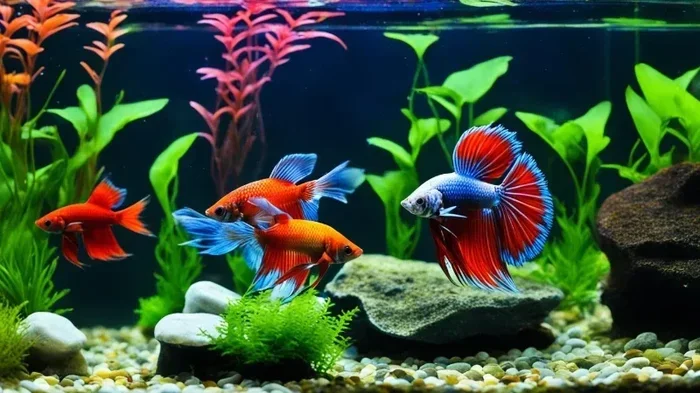
Choosing the right tank mates for your betta fish is essential for a peaceful aquarium. Many owners wonder what type of fish can you put with a betta without causing stress or aggression. This guide covers safe species, tank setup tips, and common mistakes to avoid. You will learn how to create a harmonious community tank that keeps your betta happy and healthy.
Key Takeaways
- Tank size matters: A minimum 10-gallon tank is best for adding companions to reduce territorial behavior.
- Avoid fin-nippers: Species like tiger barbs can stress your betta and damage their beautiful fins.
- Choose peaceful fish: Look for calm, non-aggressive species that occupy different levels of the tank.
- Watch water parameters: Ensure all fish share similar temperature and pH needs for long-term health.
- Introduce slowly: Quarantine new fish and add them gradually to prevent shock and aggression.
- Monitor behavior: Watch for signs of stress like hiding, loss of color, or torn fins.
- Consider alternatives: Snails, shrimp, and live plants can be great companions without the risks of fish.
📑 Table of Contents
- Understanding Betta Fish Temperament and Behavior
- What Type of Fish Can You Put With a Betta: Safe Options
- What Type of Fish Can You Put With a Male Betta
- What Type of Fish Can You Put With a Female Betta
- What Type of Fish Can You Put With a Betta: Tank Setup and Water Conditions
- Introducing New Fish to Your Betta Tank
- Alternatives to Fish: Snails, Shrimp, and Plants
Understanding Betta Fish Temperament and Behavior
Betta fish are famous for their vibrant colors and flowing fins. But they also have a reputation for being aggressive. This is why many people ask what type of fish can you put with a betta in the same tank. Understanding their natural behavior helps you make better choices for your aquarium.
Male bettas are highly territorial. In the wild, they defend small pools of water from rivals. This instinct does not disappear in captivity. They may see other fish as threats, especially those with bright colors or long fins. Female bettas can be slightly more tolerant, but they still need careful monitoring.
The good news is that bettas can live peacefully with the right companions. The key is to choose fish that do not trigger their aggression. You also need to provide enough space and hiding spots. A well-planned tank can be beautiful and peaceful for all inhabitants.
Why Betta Aggression Happens
Aggression in bettas is mostly about territory and breeding. Males will fight other males to protect their space. They may also chase fish that swim too close to their favorite resting spots. Stress can make this behavior worse, so a calm environment is crucial.
Signs Your Betta Is Stressed
Watch your betta closely after adding new tank mates. Signs of stress include hiding constantly, refusing to eat, or flaring their gills often. Torn fins or missing scales are clear warnings that something is wrong. If you see these signs, remove the new fish right away.
Quick Tips for Reducing Aggression
- Provide plenty of hiding spots with plants, rocks, and decorations.
- Use a tank divider if you need to separate fish temporarily.
- Keep the tank well-lit but avoid bright lights that may stress shy fish.
- Maintain clean water with regular partial water changes.
What Type of Fish Can You Put With a Betta: Safe Options
When asking what type of fish can you put with a betta, the answer depends on several factors. Tank size, water conditions, and the individual personality of your betta all matter. Some fish are naturally peaceful and make excellent companions. Others are too active or aggressive and should be avoided.
The safest choices are usually small, calm fish that stay out of the betta’s way. They should not have long, flowing fins that might tempt your betta to nip. Bottom-dwelling species can also work well since they occupy a different area of the tank. Always research each species before adding them to your aquarium.
Top Peaceful Tank Mates for Bettas
Here are some of the best fish to consider for a community tank with your betta:
- Neon Tetras: These small, peaceful fish swim in schools and stay in the middle of the tank. They are easy to care for and generally ignore bettas.
- Corydoras Catfish: These bottom feeders are gentle and help keep the substrate clean. They prefer groups of six or more.
- Harlequin Rasboras: Calm and colorful, these fish do well in small schools. They are not aggressive and rarely bother other tank mates.
- Platies: Hardy and friendly, platies come in many colors. They are active but usually peaceful with bettas.
- Mollies: Similar to platies, mollies are adaptable and can thrive in community tanks with proper space.
Fish to Avoid with Bettas
Some fish are simply not compatible with bettas. These species may trigger aggression or cause stress. Avoid the following:
- Tiger Barbs: Known for fin-nipping, they can damage your betta’s beautiful fins.
- Goldfish: They produce too much waste and need cooler water than bettas prefer.
- Angelfish: Their size and territorial nature can lead to conflicts.
- Guppies (male): Their bright colors and long fins may attract unwanted attention from your betta.
- Large Cichlids: These fish are often aggressive and need much more space.
Expert Insights on Choosing Tank Mates
Many experienced aquarists recommend starting with a single species of small schooling fish. This creates a balanced environment without overcrowding. Always introduce new fish slowly and watch how your betta reacts. Some bettas are more tolerant than others, so patience is key.
What Type of Fish Can You Put With a Male Betta
Male bettas are the most common choice for home aquariums. Their stunning appearance makes them a favorite, but their aggression requires extra care. If you are wondering what type of fish can you put with a male betta, you need to be especially selective. Male bettas are more likely to see other fish as rivals.
The best companions for male bettas are species that are neither too flashy nor too aggressive. Small, fast-moving fish that stay in groups can work well. They tend to keep to themselves and do not challenge the betta’s territory. Bottom dwellers are also a safe choice since they rarely interact with the betta directly.
Best Companions for Male Bettas
Here are some species that often do well with male bettas:
- Neon Tetras: Their small size and schooling behavior make them less threatening.
- Ember Tetras: Even smaller and softer in color, these fish are very peaceful.
- Corydoras Catfish: They stay at the bottom and help clean up leftover food.
- Kuhli Loaches: These shy, eel-like fish hide during the day and are very gentle.
- Ghost Shrimp: While not fish, they are excellent cleaners and usually ignored by bettas.
Special Considerations for Male Bettas
Male bettas need extra space when sharing a tank. A 10-gallon tank is the minimum recommended size for community setups. Anything smaller increases the risk of aggression and stress. You should also avoid adding multiple males together, as they will fight.
Common Mistakes When Pairing Male Bettas
- Adding too many fish at once: This overwhelms the tank and stresses the betta.
- Choosing fish with long fins: These can trigger chasing and nipping behavior.
- Skipping the quarantine step: New fish may carry diseases that harm your betta.
- Ignoring water temperature: All fish must thrive in the same temperature range.
What Type of Fish Can You Put With a Female Betta
Female bettas are often more social than males. They can sometimes be kept in groups called sororities, though this requires careful planning. If you are asking what type of fish can you put with a female betta, you may have more flexibility. Female bettas are generally less aggressive, but they still need compatible tank mates.
Female bettas can live with many of the same species as males. However, they may also tolerate slightly more active fish. The key is to monitor their behavior closely during the first few weeks. Every betta has a unique personality, so what works for one may not work for another.
Tank Mates for Female Bettas
Consider these options when pairing fish with a female betta:
- Harlequin Rasboras: Their calm nature makes them great companions.
- Zebra Danios: Active but peaceful, they can handle a bit more movement.
- Platies: Friendly and adaptable, they do well in community tanks.
- Nerite Snails: These algae-eating snails are peaceful and help keep the tank clean.
- Cherry Shrimp: Small and colorful, they are interesting additions that rarely cause issues.
Tips for Keeping Female Bettas with Others
Start with a larger tank to give all fish enough room. Provide plenty of plants and decorations to break up sightlines. This reduces direct confrontations and gives shy fish places to hide. Feed all fish adequately to prevent competition over food.
Quick Tips for Female Betta Communities
- Introduce fish gradually over several days.
- Watch for bullying during feeding time.
- Maintain stable water conditions with regular testing.
- Be ready to separate if aggression occurs.
What Type of Fish Can You Put With a Betta: Tank Setup and Water Conditions
Choosing the right fish is only part of the equation. You also need the correct tank setup and water conditions. When people ask what type of fish can you put with a betta, they often overlook the environment. A poorly planned tank can cause stress even with peaceful fish.
Bettas originate from warm, shallow waters in Southeast Asia. They prefer temperatures between 76 and 82 degrees Fahrenheit. The pH should be neutral to slightly acidic, around 6.5 to 7.5. All tank mates must thrive in similar conditions for the community to succeed.
Ideal Tank Size for Community Tanks
A larger tank gives fish more space to establish territories. For a betta with companions, aim for at least 10 gallons. This reduces crowding and makes it easier to maintain water quality. Bigger tanks also dilute waste more effectively, keeping the water cleaner for longer.
Water Parameters to Match All Fish
Before adding any new fish, research their specific needs. Make sure they match your betta’s requirements. Here is a simple comparison table to help you understand common parameters:
| Parameter | Betta Fish | Neon Tetras | Corydoras | Platies |
|---|---|---|---|---|
| Temperature | 76-82°F | 70-81°F | 72-78°F | 70-82°F |
| pH Level | 6.5-7.5 | 6.0-7.0 | 6.0-7.5 | 7.0-8.0 |
| Hardness | Soft to medium | Soft to medium | Soft to medium | Medium to hard |
Essential Tank Setup Tips
- Use a gentle filter: Bettas dislike strong currents that tire them out.
- Add live plants: Plants like java fern and anubias provide cover and improve water quality.
- Include hiding spots: Caves, driftwood, and decorations give fish places to retreat.
- Avoid sharp decorations: Rough edges can tear delicate fins.
- Test water regularly: Use a test kit to monitor ammonia, nitrite, and nitrate levels.
Common Mistakes in Tank Setup
- Using a tank that is too small: This leads to poor water quality and more aggression.
- Overcrowding the tank: Too many fish create stress and waste buildup.
- Skipping the cycling process: Uncycled tanks can be deadly for all fish.
- Ignoring temperature stability: Sudden changes stress fish and weaken their immune systems.
Introducing New Fish to Your Betta Tank
Adding new fish to a betta’s tank requires patience and planning. A sudden introduction can trigger aggression or stress. If you want to know what type of fish can you put with a betta successfully, follow a careful process. This helps all fish adjust and reduces the risk of conflict.
Start by quarantining new fish for at least two weeks. This prevents the spread of diseases to your existing tank. After quarantine, introduce the new fish during a feeding time. Distraction with food can reduce initial tension. Watch their interactions closely for the first few hours.
Step-by-Step Introduction Process
- Quarantine new fish in a separate tank for 14 days.
- Acclimate them slowly by matching water temperature and chemistry.
- Turn off the tank light during the first introduction to reduce stress.
- Add the new fish using a net, not the water from their bag.
- Observe behavior for signs of aggression or hiding.
- Feed all fish to distract them and create positive associations.
What to Do If Aggression Occurs
If your betta starts chasing or attacking the new fish, do not panic. Sometimes fish need time to adjust to each other. However, if the aggression continues for more than a few days, you may need to separate them. Use a tank divider or move the new fish to a different aquarium.
Expert Insights on Successful Introductions
Many aquarists recommend adding the betta to the tank last. This way, the betta sees the new fish as already established in the territory. Another tip is to rearrange decorations before adding new fish. This changes the layout and reduces the betta’s sense of ownership over specific spots.
Quick Tips for Smooth Introductions
- Add fish in small numbers rather than all at once.
- Choose similar-sized fish to avoid size-based bullying.
- Keep the tank well-maintained with clean water and proper filtration.
- Be patient and observant during the first few weeks.
Alternatives to Fish: Snails, Shrimp, and Plants
Not every aquarium needs more fish. Sometimes the best companions for your betta are invertebrates or plants. If you are still wondering what type of fish can you put with a betta, consider these alternatives. They add interest to the tank without the risks of fish aggression.
Snails are excellent cleaners that eat algae and leftover food. Shrimp are fascinating to watch and help keep the substrate clean. Live plants improve water quality and provide natural hiding spots. These options are often safer and easier to manage than adding more fish.
Best Snails for Betta Tanks
- Nerite Snails: Great algae eaters that do not reproduce in freshwater.
- Mystery Snails: Friendly and interesting to observe, they clean up debris.
- Ramshorn Snails: Small and effective, though they can multiply quickly.
Shrimp as Tank Companions
Cherry shrimp and ghost shrimp are popular choices. They are small, peaceful, and add color to the tank. However, bettas may occasionally eat shrimp, especially if they are hungry. Providing plenty of plants and hiding spots gives shrimp a better chance of survival.
Live Plants for a Healthy Tank
Plants are one of the best additions to any betta tank. They absorb nitrates, produce oxygen, and create a natural environment. Some easy options include java fern, anubias, and amazon sword. These plants do not require strong lighting and are beginner-friendly.
Benefits of Non-Fish Companions
- Lower aggression risk: Snails and shrimp do not challenge bettas.
- Improved water quality: Plants and cleaners help maintain a balanced tank.
- More visual interest: Different species create a diverse and engaging aquarium.
- Easier care: Invertebrates and plants often need less monitoring than fish.
Frequently Asked Questions
Can you put neon tetras with a betta fish?
Yes, neon tetras are generally safe tank mates for bettas. They are small, peaceful, and swim in schools, which keeps them less threatening. Just make sure your tank is at least 10 gallons and has plenty of hiding spots.
What type of fish can you put with a male betta?
Male bettas do best with calm, small fish like neon tetras, ember tetras, and corydoras catfish. Avoid fish with long fins or bright colors that may trigger aggression. A larger tank with good filtration is essential for success.
Can you put a snail with a betta fish?
Yes, snails like nerite and mystery snails are excellent companions for bettas. They help clean the tank by eating algae and leftover food. Most bettas ignore snails, making them a safe and low-maintenance choice.
What type of fish can you put with a female betta?
Female bettas can live with many peaceful species, including harlequin rasboras, platies, and zebra danios. They are often more social than males but still need careful monitoring. Always introduce new fish slowly and watch for signs of stress.
Can you put a pleco with a betta fish?
It is not recommended to keep a pleco with a betta. Plecos grow very large and produce a lot of waste, which can overwhelm a standard betta tank. They also need different water conditions and more space than most home aquariums provide.
What type of fish can you put with a betta in a 5-gallon tank?
A 5-gallon tank is too small for most fish companions. It is best to keep only the betta in this size tank. You can add snails or shrimp, but avoid adding other fish until you upgrade to at least 10 gallons.
=== CONCLUSION ===
Finding the right companions for your betta fish takes research and patience. When you ask what type of fish can you put with a betta, the answer depends on your tank size, water conditions, and your betta’s personality. Peaceful, small fish like neon tetras and corydoras catfish are often safe choices. Avoid aggressive or fin-nipping species that can cause stress and injury.
Remember that a well-planned tank setup is just as important as the fish you choose. Provide plenty of hiding spots, maintain clean water, and introduce new tank mates gradually. Snails, shrimp, and live plants are also wonderful alternatives that add beauty without the risks of fish aggression.
With the right approach, you can create a thriving community aquarium that keeps your betta healthy and happy. Take your time, observe your fish closely, and enjoy the process of building a peaceful underwater world. Your betta will thank you for the care and attention you give to their home.