How Many Gallons for Betta Fish Ideal Tank Size Guide
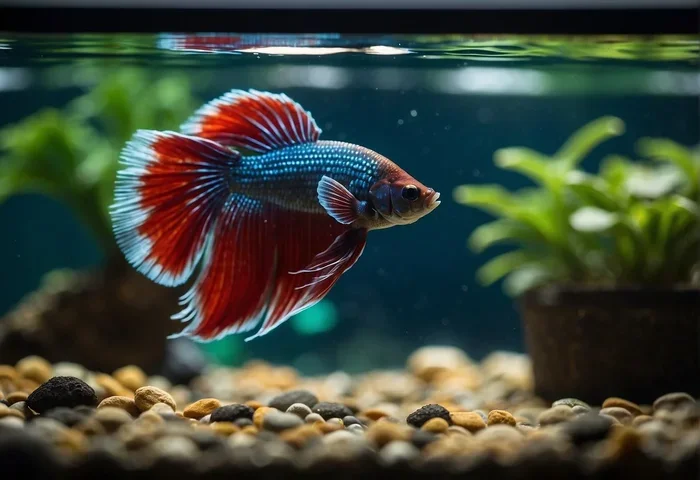
Choosing the right tank size matters for your betta fish health. Many owners ask how many gallons for betta fish they truly need. A proper setup prevents stress and supports vibrant colors. This guide explains the best tank size for your pet.
Welcome to your complete guide on betta fish care. Many new owners wonder about the right home for their colorful pet. You might have seen small bowls in stores. But those tiny spaces do not support a healthy life. We will break down everything you need to know. You will learn about water volume, tank shapes, and basic setup tips. Let’s dive in and find the perfect spot for your friend.
Key Takeaways
- Minimum Tank Size: A 5-gallon tank is the absolute minimum for a single betta fish.
- Ideal Tank Size: 10 gallons or more provides better water stability and swimming space.
- Water Quality: Larger volumes dilute waste faster, reducing harmful ammonia spikes.
- Heating Needs: Betta fish require warm water, which is easier to maintain in bigger tanks.
- Filtration Importance: Gentle filtration keeps water clean without stressing your fish.
- Tank Shape Matters: Longer tanks offer more surface area for oxygen exchange.
- Future Planning: A larger tank allows room for plants and safe tank mates later.
📑 Table of Contents
- Why Tank Size Matters for Your Betta
- Understanding How Many Gallons for Betta Fish
- Water Quality and Tank Volume Connection
- Choosing the Right Tank Shape and Setup
- Filtration and Heating Needs by Tank Size
- Common Mistakes When Picking Tank Size
- Quick Tips for a Healthy Betta Setup
- Final Thoughts on Betta Tank Size
Why Tank Size Matters for Your Betta
Your betta fish needs room to swim and explore. Small containers trap waste quickly. This leads to poor water conditions. A bigger tank helps keep the water clean longer. It also gives your fish more space to move. Happy fish show brighter colors and active behavior. Stressed fish often hide or lose their appetite. Choosing the right size sets the foundation for good health.
The Truth About Small Bowls
You may see cute bowls at pet shops. These bowls look decorative but lack proper space. They hold very little water volume. Waste builds up fast in such small areas. Your fish cannot swim freely in a round bowl. The curved glass also distorts vision. Many experts advise against using these bowls. A rectangular tank works much better for daily care.
Benefits of a Larger Water Volume
More water means better stability. Temperature changes happen slower in larger tanks. Harmful chemicals dilute more easily. You also get more surface area for oxygen. This helps your fish breathe comfortably. A spacious setup reduces cleaning frequency. You spend less time fixing water problems. Your betta enjoys a calm and steady environment.
Understanding How Many Gallons for Betta Fish
This question comes up often among new hobbyists. The short answer starts at five gallons. That amount gives your fish a decent home. Yet ten gallons works even better for most setups. Bigger tanks handle mistakes more forgivingly. They also support live plants and decorations. You can create a beautiful underwater scene with extra space. Always match the tank size to your care routine.
Minimum Requirements Explained
Five gallons serves as the baseline standard. Anything smaller creates health risks quickly. Your fish produces waste every day. Small water volumes turn toxic faster. You would need to change water very often. That routine becomes hard to maintain. A five-gallon tank balances space and manageability. It fits well in most homes and offices.
Why Ten Gallons Works Better
Ten gallons offers a comfortable upgrade. Water parameters stay steady longer. You gain room for a heater and filter. Plants grow better in this volume too. Your betta can explore more areas. Cleaning becomes easier with stable water. Many keepers prefer this size for long-term care. It supports a healthier lifestyle for your pet.
Water Quality and Tank Volume Connection
Water quality directly affects fish health. Ammonia builds from fish waste and leftover food. Larger tanks spread this waste across more water. This slows down toxic buildup. You also benefit from better filtration choices. A good filter cleans water without creating strong currents. Bettas prefer calm water flow. Proper volume helps your filter work efficiently.
Managing Ammonia and Nitrites
New tanks go through a cycling process. Beneficial bacteria need time to grow. These bacteria break down harmful waste. A larger tank supports this cycle better. You see fewer sudden spikes in toxins. Regular testing keeps you informed. Quick water changes help when needed. Stable water leads to a thriving fish.
Temperature Stability in Different Sizes
Bettas thrive in warm water around seventy-eight degrees. Small volumes lose heat quickly. Room temperature changes affect them faster. Larger tanks hold warmth more steadily. You get consistent conditions day and night. A reliable heater works better in more water. Your fish stays comfortable without sudden shifts.
Choosing the Right Tank Shape and Setup
Size is not the only factor to consider. Tank shape influences swimming space and oxygen. Long tanks provide more surface area. This helps with gas exchange at the top. Wide tanks give your betta room to glide. Tall tanks may look nice but limit movement. Pick a shape that matches your space and goals.
Surface Area and Oxygen Exchange
Bettas breathe air from the surface. They possess a special organ for this. Still, good oxygen levels help overall health. A broad surface supports better air exchange. Avoid tall narrow tanks for this reason. A rectangular design works best for most homes. You also get easier access for maintenance.
Decorations and Swimming Room
Plants and rocks add beauty to the tank. They also give your fish places to rest. Sharp objects can damage delicate fins. Choose smooth decorations for safety. Leave open areas for swimming. Your betta enjoys both hiding spots and open water. Balance aesthetics with practical space.
Filtration and Heating Needs by Tank Size
Your equipment must match the water volume. Small tanks need gentle filters. Strong currents stress betta fish. Sponge filters or low-flow options work well. Heaters should fit the tank size properly. Oversized heaters may warm water too fast. Always check equipment ratings before buying. Proper gear keeps your setup stable.
Filter Options for Small and Large Tanks
Sponge filters suit smaller tanks nicely. They provide gentle movement and good bacteria space. Hang-on-back filters work for medium volumes. Canister filters fit larger setups best. Each type has pros and cons. Pick one that matches your tank and budget. Clean filters regularly for best results.
Heater Sizing Guidelines
A good heater maintains steady warmth. Five-gallon tanks need smaller wattage heaters. Ten-gallon tanks handle standard aquarium heaters well. Always use a thermometer to verify temperature. Place the heater where water flows gently. This spreads warmth evenly through the tank. Your fish stays healthy in consistent heat.
Common Mistakes When Picking Tank Size
New keepers often choose tanks that are too small. They think bettas live well in tiny spaces. This idea comes from old myths. Another mistake involves ignoring water changes. Even a good tank needs regular care. Some owners also forget to test water parameters. These errors cause stress and illness. Learning the right approach prevents problems.
Thinking Small Bowls Are Enough
Bowl marketing can mislead buyers. Pretty designs do not equal good care. Limited water volume causes quick pollution. Your fish suffers without enough space. Upgrade to a proper tank for better health. Your pet will show more energy and color. A right-sized home makes care easier too.
Overlooking Long-Term Care Needs
Fish grow and live for several years. A small tank may seem fine at first. Over time, waste and stress become obvious. Planning ahead saves you trouble later. Choose a tank that lasts for years. You can add plants and safe mates later. Think about future care before buying.
Quick Tips for a Healthy Betta Setup
Start with a tank that holds at least five gallons. Use a gentle filter and a reliable heater. Test water regularly for ammonia and nitrites. Perform partial water changes each week. Add smooth plants for enrichment. Keep the tank in a quiet spot. Avoid direct sunlight and drafts. Watch your fish for signs of stress. These habits build a strong foundation.
Expert Insights on Tank Size
Experienced keepers recommend bigger tanks for beginners. Larger water volumes forgive small mistakes. They also make water changes less frequent. You learn care routines more easily. Many successful hobbyists start with ten gallons. This size balances space and simplicity. Your betta enjoys a stable and clean home.
Final Thoughts on Betta Tank Size
Your betta deserves a safe and comfortable home. The right tank size supports clean water and active behavior. Start with at least five gallons for basic care. Ten gallons gives you more stability and room. Match your equipment to the water volume. Keep up with regular testing and maintenance. Your fish will reward you with vibrant colors and lively movement. Make a thoughtful choice and enjoy your new aquatic friend.
Frequently Asked Questions
How many gallons for betta fish is the minimum?
The minimum recommended size is five gallons. Smaller containers cause rapid water quality issues. A five-gallon tank gives your fish a healthier start.
Can I keep a betta fish in a 2-gallon tank?
A two-gallon tank is too small for long-term care. Waste builds up quickly and stresses the fish. You should choose at least five gallons for better stability.
Is a 10-gallon tank better than a 5-gallon tank?
Yes, a ten-gallon tank offers more stability and swimming space. Water parameters stay steady longer with extra volume. It also makes maintenance easier for beginners.
Do betta fish need a filter in their tank?
Yes, a gentle filter helps keep water clean and safe. Bettas prefer low flow, so choose a calm filter type. Good filtration supports beneficial bacteria growth.
What temperature should a betta tank stay at?
Betta fish thrive around seventy-eight degrees Fahrenheit. Use a reliable heater to maintain steady warmth. Consistent temperature helps prevent stress and illness.
Can I add tank mates to a betta tank?
You can add peaceful tank mates in larger tanks. Start with a ten-gallon setup for better space. Always research compatibility before introducing new fish.