Can I Put a Betta Fish in a N Aquarium

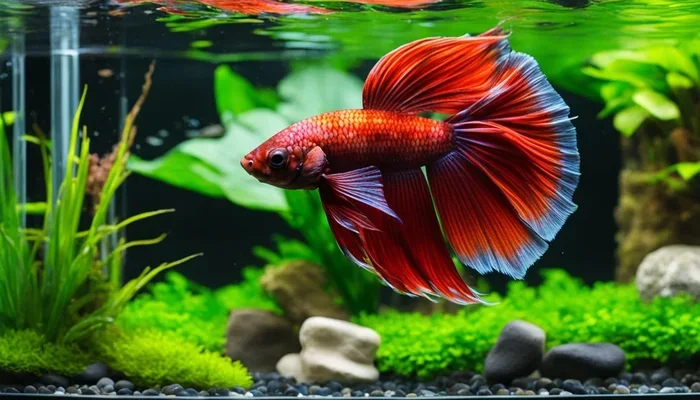
Yes, you can absolutely put a betta fish in an aquarium, and in fact, an aquarium is one of the best homes you can provide for your betta. While bettas are often sold in tiny cups and bowls, they thrive in properly set up aquariums with the right water conditions, temperature, and space to explore. This guide covers everything you need to know to create the perfect aquarium environment for your betta fish.
Key Takeaways
- Aquariums are ideal for bettas: A properly set up aquarium is far better than a bowl or small container for your betta fish’s long-term health and happiness.
- Minimum 5-gallon tank recommended: While bettas can survive in smaller spaces, a 5-gallon aquarium or larger gives them room to swim and reduces stress.
- Heater and filter are essential: Bettas are tropical fish that need warm water (76-82°F) and a gentle filter to maintain water quality.
- Water quality matters most: Regular water changes, dechlorinated water, and proper cycling are critical for keeping your betta healthy.
- Enrichment keeps bettas happy: Live plants, hiding spots, and decorations make your betta’s aquarium feel like home and reduce boredom.
- Careful with tank mates: Not all fish can live with bettas, so research compatibility before adding any companions to the aquarium.
- Patience during setup: Never put a betta fish in a new aquarium immediately — cycle the tank first to establish beneficial bacteria.
📑 Table of Contents
- Can I Put a Betta Fish in an Aquarium?
- Why an Aquarium Is Better Than a Bowl for Your Betta
- Choosing the Right Aquarium Size for Your Betta
- Setting Up Your Betta’s Aquarium
- Water Quality and Maintenance
- Feeding Your Betta in the Aquarium
- Adding Tank Mates to Your Betta Aquarium
- Common Mistakes to Avoid
- Conclusion
Can I Put a Betta Fish in an Aquarium?
If you’ve ever walked into a pet store, you’ve probably seen betta fish sitting in tiny cups on the shelf. It’s easy to assume these beautiful fish don’t need much space. But here’s the truth — you can and should put a betta fish in an aquarium. In fact, an aquarium is one of the best things you can give your betta.
Betta fish, also known as Siamese fighting fish, are stunning, full of personality, and surprisingly interactive. They recognize their owners, flare their fins when excited, and even learn simple tricks. But to see your betta at its best, you need to give it the right home. An aquarium set up with proper heating, filtration, and enrichment will let your betta truly thrive rather than just survive.
In this article, we’ll walk you through everything you need to know about putting a betta fish in an aquarium — from choosing the right tank size to setting it up, maintaining water quality, and even picking compatible tank mates. Whether you’re a first-time fish keeper or looking to upgrade your betta’s living situation, this guide has you covered.
Why an Aquarium Is Better Than a Bowl for Your Betta
The Bowl Myth
For decades, betta fish have been marketed as “bowl fish.” You’ve probably seen the images — a single betta in a small glass bowl with a plant on top. It looks cute, but it’s not a good life for the fish. Bettas kept in bowls often live shorter, less healthy lives because bowls lack proper heating, filtration, and swimming space.
Here’s the thing — bettas can survive in small spaces because of a special organ called the labyrinth organ. This organ lets them breathe air from the surface, which is why they can live in stagnant, low-oxygen water in the wild. But surviving isn’t the same as thriving. Just because a betta can live in a bowl doesn’t mean it should.
The Aquarium Advantage
An aquarium gives your betta everything a bowl cannot. You can add a heater to keep the water warm and stable. You can install a filter to remove toxins and keep the water clean. You can add plants, caves, and decorations that give your betta places to explore and hide. A proper aquarium setup can double or even triple your betta’s lifespan compared to life in a bowl.
If you’re wondering whether you can keep a betta fish in a bowl, the short answer is that it’s possible but not recommended. An aquarium is always the better choice for a happy, healthy betta.
Choosing the Right Aquarium Size for Your Betta
Minimum Tank Size
The most common question new betta owners ask is: how big should my aquarium be? The absolute minimum recommended size is 5 gallons. Yes, you might see bettas kept in 2.5-gallon tanks, and while that’s better than a bowl, a 5-gallon aquarium gives your betta much more room to swim and explore.
Think of it this way — would you want to live in a closet or a spacious room? Your betta feels the same way. A larger aquarium is easier to maintain because water parameters stay more stable. Tanks that small can experience rapid swings in temperature and water chemistry, which stress your fish and lead to illness.
Bigger Is Always Better
If you have the space and budget, go bigger than 5 gallons. A 10-gallon aquarium is a fantastic choice for a single betta. It gives you more flexibility with decorations, plants, and even the possibility of adding compatible tank mates. Larger tanks also look more impressive and give your betta a richer environment.
Here’s a quick guide to aquarium sizes:
- 2.5 gallons: Absolute bare minimum, not ideal
- 5 gallons: Recommended minimum for a single betta
- 10 gallons: Excellent choice, allows for tank mates
- 20 gallons or more: Perfect for a betta community tank
Setting Up Your Betta’s Aquarium
Essential Equipment
Before you put your betta fish in an aquarium, you need to make sure you have the right equipment. Here’s what every betta aquarium needs:
Heater: Bettas are tropical fish from Southeast Asia. They need water temperatures between 76°F and 82°F. Without a heater, the water in your aquarium can get too cold, which weakens your betta’s immune system and makes it susceptible to disease. Get an adjustable heater so you can fine-tune the temperature.
Filter: A filter keeps the water clean by removing waste and housing beneficial bacteria. However, bettas don’t like strong water flow because their long fins make swimming against a current difficult. Choose a filter with an adjustable flow, or use a sponge filter, which provides gentle filtration that bettas love.
Thermometer: Don’t guess the temperature. A simple aquarium thermometer lets you monitor the water and make sure your heater is working properly.
Lighting: If you plan to have live plants in your aquarium, you’ll need a light. Even with artificial plants, a light helps simulate a natural day-night cycle, which is important for your betta’s health.
Substrate and Decorations
The bottom of your aquarium needs a substrate. Gravel and sand are the most popular choices. Sand is gentler on betta fins, but gravel works well too. Avoid sharp or rough decorations that could tear your betta’s delicate fins.
When it comes to decorations, think about creating a natural environment. Live plants like Java fern, Anubias, and Amazon sword are excellent choices. They help absorb nitrates, provide hiding spots, and make your betta feel secure. If you prefer artificial plants, choose silk plants over plastic ones — plastic plants can be rough and damage your betta’s fins.
Add caves, driftwood, or betta hammocks (leaf-shaped rests that suction to the tank wall). Bettas love to rest near the surface, and a hammock gives them a comfortable spot to relax. For more ideas on what to include, check out our guide on what you can put in a betta fish tank.
Cycling Your Tank Before Adding Your Betta
This is one of the most important steps, and it’s the one most beginners skip. You need to cycle your aquarium before putting your betta fish in it. Cycling is the process of establishing beneficial bacteria in your filter and substrate that convert harmful ammonia (from fish waste) into less harmful nitrates.
An uncycled tank is dangerous for your betta. Ammonia and nitrite buildup can burn your fish’s gills, damage its organs, and eventually kill it. The cycling process typically takes 4-6 weeks. You can speed it up by using beneficial bacteria supplements or by adding a source of pure ammonia to feed the bacteria.
Test your water regularly with a liquid test kit (not strip tests — they’re less accurate). Your tank is fully cycled when ammonia and nitrite levels read 0 ppm and you have some level of nitrates. Only then is it safe to add your betta. For more details on timing, read our article on when you can put your betta fish in the tank.
Water Quality and Maintenance
Water Parameters
Keeping the water clean and chemically balanced is the single most important thing you can do for your betta. Here are the ideal water parameters for a betta aquarium:
- Temperature: 76-82°F (24-28°C)
- pH: 6.5-7.5
- Ammonia: 0 ppm
- Nitrite: 0 ppm
- Nitrate: Below 20 ppm
Test your water at least once a week. This helps you catch problems before they become serious. A betta living in poor water quality will become stressed, lose its color, and become vulnerable to diseases like fin rot and ich.
Water Changes
Even with a filter, you need to perform regular water changes. For a 5-gallon aquarium, change about 25-30% of the water once a week. For a 10-gallon tank, the same schedule works well. Use a gravel vacuum to remove debris from the substrate during water changes.
Always treat tap water with a dechlorinator before adding it to your aquarium. Chlorine and chloramines in tap water are harmful to fish and kill the beneficial bacteria in your filter. Let the new water sit at room temperature or match it to your tank’s temperature to avoid shocking your betta.
Can You Use Tap Water for a Betta Fish?
Yes, you can use tap water for your betta fish, but it must be treated first. Tap water contains chlorine, chloramines, and sometimes heavy metals that are toxic to fish. A water conditioner like Seachem Prime neutralizes these chemicals instantly. Simply add the recommended dose to your water before pouring it into the aquarium.
Never use distilled or purified water for your betta aquarium. These types of water lack the essential minerals that fish need. If you’re curious about this topic, we cover it in detail in our article about using tap water for betta fish.
Feeding Your Betta in the Aquarium
What to Feed
Bettas are carnivores. In the wild, they eat insects, larvae, and small crustaceans. In your aquarium, you should feed them high-quality betta pellets as their staple food. Look for pellets with protein as the first ingredient — avoid fillers like wheat and corn.
Supplement their diet with frozen or live foods like bloodworms, brine shrimp, and daphnia. These treats provide extra nutrition and enrichment. Feed treats 1-2 times a week, not every day, as they’re rich and can cause bloating if overfed.
How Much and How Often
Feed your betta 2-3 pellets twice a day. A betta’s stomach is about the size of its eye, so it doesn’t need much food. Overfeeding is one of the most common mistakes new betta owners make. Excess food decays in the tank, polluting the water and leading to ammonia spikes.
Consider fasting your betta one day a week. This gives its digestive system a break and helps prevent constipation, which is a common issue in bettas.
Adding Tank Mates to Your Betta Aquarium
Can Bettas Live with Other Fish?
This is a tricky topic. Male bettas are territorial and aggressive toward other male bettas — that’s why they’re called fighting fish. However, some bettas can peacefully coexist with certain species of fish and invertebrates, especially in a larger aquarium with plenty of space and hiding spots.
Good tank mates for bettas include:
- Corydoras catfish: Peaceful bottom dwellers that stay out of the betta’s way
- Neon tetras: Small, fast, and generally ignored by bettas
- Amano shrimp: Great algae eaters that are too large for bettas to bother
- Mystery snails: Peaceful and help clean the tank
- Kuhli loaches: Shy, nocturnal fish that hide during the day
Avoid keeping bettas with fin-nipping fish like tiger barbs, aggressive species, or fish that look similar to bettas (like guppies with bright, flowing tails). Every betta has a different personality — some are more tolerant than others. Always have a backup plan in case your betta doesn’t accept tank mates.
Can You Keep Two Bettas Together?
Two male bettas should never be kept in the same aquarium. They will fight, often to the death. Female bettas can sometimes be kept together in groups called “sororities,” but this requires a heavily planted 20-gallon tank or larger and careful monitoring. Even then, sororities can fail, and fish may need to be separated.
If you’re considering adding companions to your betta’s aquarium, do your research first. The temperament of your individual betta plays a huge role in whether a community tank will work.
Common Mistakes to Avoid
Rushing the Setup
The biggest mistake new betta owners make is buying a fish on the same day as the tank and putting them right in. An uncycled aquarium is a death sentence for most fish. Take the time to cycle your tank properly — your betta will thank you with years of vibrant color and activity.
Choosing the Wrong Tank Size
That cute 1-gallon tank might look appealing, but it’s far too small for a betta. Small tanks are incredibly difficult to maintain because water parameters change rapidly. Invest in at least a 5-gallon aquarium from the start — it’s actually easier to care for than a tiny tank.
Ignoring Water Temperature
Room temperature is not warm enough for a betta. If your home is below 76°F, your betta will become sluggish, lose its appetite, and become prone to illness. A heater is not optional — it’s a necessity.
Overcrowding the Tank
More fish doesn’t mean more fun. Overcrowding leads to poor water quality, stress, and aggression. If you want a community tank, start with a 10-gallon or larger aquarium and add fish slowly, one species at a time.
Conclusion
So, can you put a betta fish in an aquarium? Absolutely, yes — and you should. An aquarium provides your betta with the space, warmth, clean water, and enrichment it needs to live a long, healthy, and happy life. While bettas are often sold as low-maintenance pets that can live in tiny containers, the reality is that they deserve so much better.
By choosing the right tank size (5 gallons minimum), installing a heater and filter, cycling the tank before adding your fish, and maintaining consistent water quality, you’re setting your betta up for success. Add some live plants, a few hiding spots, and maybe even some peaceful tank mates, and you’ll have a beautiful aquarium that’s a joy to watch.
Your betta will reward you with dazzling colors, playful behavior, and a personality that’s bigger than you’d ever expect from such a small fish. Take the time to do it right, and you’ll enjoy your betta for years to come.
Frequently Asked Questions
Can a betta fish live in a 2.5-gallon aquarium?
A betta can survive in a 2.5-gallon aquarium, but it’s not ideal. Small tanks are harder to maintain because water parameters fluctuate quickly. A 5-gallon aquarium is the recommended minimum for a healthy, happy betta.
Do I need a filter in my betta aquarium?
Yes, a filter is highly recommended for any betta aquarium. It keeps the water clean and houses beneficial bacteria that break down harmful toxins. Choose a filter with gentle flow, as bettas don’t like strong currents.
How long can a betta fish live in an aquarium?
With proper care in a well-maintained aquarium, betta fish typically live 3-5 years. Some bettas have been known to live up to 7 years in optimal conditions. Good water quality, proper diet, and a stress-free environment are key to longevity.
Can I put a betta fish in a new aquarium right away?
No, you should never put a betta fish in a new aquarium immediately. The tank needs to be cycled first, which takes 4-6 weeks. Cycling establishes beneficial bacteria that process fish waste and prevent toxic ammonia buildup.
What temperature should my betta aquarium be?
Your betta aquarium should be kept between 76°F and 82°F (24-28°C). Bettas are tropical fish and need warm, stable water temperatures. Use an adjustable aquarium heater and a thermometer to maintain the right temperature.
Can betta fish live with other fish in an aquarium?
Yes, some bettas can live peacefully with certain tank mates like corydoras catfish, neon tetras, and snails. However, every betta has a different personality, and some are more aggressive than others. Always research compatibility and monitor interactions closely.