Wild betta fish are not from tiny puddles or bowls. They are native to the tropical, shallow, and often plant-dense waters of Southeast Asia. Understanding their true wild habitats—which include rice paddies, slow-moving streams, and floodplain swamps—is crucial for appreciating their incredible adaptations and providing proper care in captivity. Their natural environment is dynamic, warm, and chemically complex, a far cry from the sterile cups they are often sold in.
Have you ever wondered, where do betta fish live in the wild? The image that often comes to mind is a colorful fish trapped in a tiny, isolated cup. This common retail practice has created a profound myth: that bettas naturally come from small, dirty puddles and are therefore perfectly suited to life in a jar. The reality is one of the most fascinating stories in the fish-keeping world, and it’s a story that begins in the lush, tropical heart of Southeast Asia. Understanding the true wild home of the betta fish, scientifically known as Betta splendens, is not just an interesting biology lesson—it’s the first and most important step toward becoming a responsible and compassionate betta owner. Their natural habitat explains everything from their famous fighting behavior to their unique breathing ability and their stunning, variable colors.
So, let’s dive in and explore the real world of the Siamese fighting fish. We’ll journey to the rice fields of Thailand, the floodplains of Cambodia, and the slow-moving streams of Vietnam to see exactly where these resilient and beautiful creatures evolved. You’ll learn that their home is a dynamic, seasonal environment that is far more complex, challenging, and rich than any plastic cup could ever be. This knowledge transforms how we view them, shifting our perspective from seeing a hardy “beginner fish” to appreciating a specialized wild animal with very specific needs.
Key Takeaways
- Native Range: Wild bettas (Betta splendens) are indigenous to the Chao Phraya and Mekong river basins in Thailand, Cambodia, Vietnam, and Laos.
- Habitat Type: They thrive in shallow, slow-moving or still, warm waters like rice paddies, marshes, drainage ditches, and the edges of ponds and streams.
- Key Environmental Traits: Their habitats are typically heavily vegetated, have soft, acidic water, and experience significant seasonal changes in water level and chemistry.
- Labyrinth Adaptation: Their specialized labyrinth organ allows them to survive in oxygen-poor (hypoxic) water by breathing atmospheric air from the surface.
- Major Threats: Wild populations face severe threats from habitat destruction (palm oil, rice farming, urbanization), pollution, and hybridization with escaped captive stock.
- Conservation Status: While not currently listed as endangered globally, localized populations are in decline, and their genetic integrity is at risk.
- Care Implications: Replicating key aspects of their wild habitat—warmth, calm water, plants, and surface access—is essential for their health and well-being in aquariums.
📑 Table of Contents
- The Native Range: Heartland of the Betta
- Defining the Wild Betta Habitat: Not Just Any Puddle
- The Dynamic Wild: Seasonality and Water Conditions
- Adaptations Forged in the Wild: The Betta’s Toolkit
- The Perilous Present: Threats to Wild Betta Populations
- Bridging the Gap: Applying Wild Knowledge to Captive Care
- Conclusion: Respecting the Wild Within
The Native Range: Heartland of the Betta
The answer to “where do betta fish live in the wild” begins with a map. The wild Betta splendens is endemic to a specific region: the central and lower basins of two mighty river systems. Their native range is almost entirely confined to the Chao Phraya River basin in central Thailand and the vast Mekong River basin, which stretches through Thailand, Cambodia, Vietnam, and Laos. This is their evolutionary cradle. Within this region, you will not find them in the fast-flowing, rocky headwaters of these great rivers. Instead, you’ll find them in the quieter, lowland areas—the floodplains, swamps, and tributaries that spread out like veins across the landscape.
A Thai Origin Story
Thailand (formerly Siam) is the undisputed heartland of the wild betta. The species name “splendens” means “shining” or “glittering,” a nod to the vibrant colors of captive-bred varieties, but wild males are typically a more subdued green, brown, or blue with flashes of red or blue on their fins when displaying. The first documented collection of wild bettas for the aquarium trade came from the shallow waters around Bangkok and the central plains. The local name, “plakat,” which means “biting fish,” refers to their historic use in fighting matches, a practice that is still culturally significant in some areas. This deep connection to Thailand means that the specific water conditions, vegetation, and seasonal cycles of Thai lowlands are the primary template for their evolutionary adaptations.
Beyond Thailand: Neighboring Nations
While Thailand is the core, the betta’s natural distribution extends into neighboring countries. In Cambodia, they inhabit the Tonle Sap lake and its connecting rivers—a massive, biodiverse floodplain system. In Vietnam, they are found in the Mekong Delta, the intricate network of rivers and marshes known as the “rice bowl” of the country. Small, isolated populations may also exist in Laos. It’s important to note that these populations are not identical; slight variations in color, size, and behavior can occur across this range, a phenomenon known as geographic variation. However, they are all the same species, Betta splendens, sharing the same fundamental habitat requirements.
Defining the Wild Betta Habitat: Not Just Any Puddle
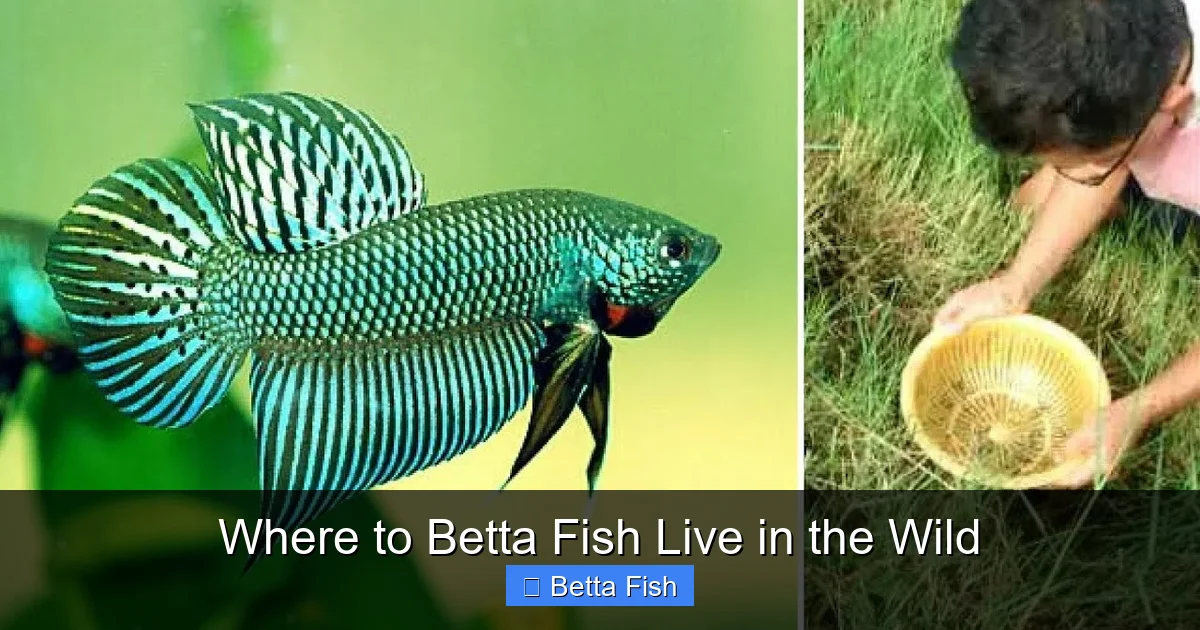
Now we get to the core of the question. If not a puddle, then what? The wild betta’s habitat is best described as a shallow, vegetated, stagnant or slow-flowing freshwater system. Think less of an isolated rain puddle and more of a permanent, biologically rich wetland ecosystem. These are environments where the water is often less than a foot deep, allowing dense plant growth at the surface and submerged throughout. The water movement is minimal, sometimes created only by a gentle breeze or the occasional insect landing. This calmness is critical; strong currents would overwhelm the betta’s delicate, large fins and make it difficult for them to reach the surface to gulp air.
Visual guide about Where to Betta Fish Live in the Wild
Image source: i.ytimg.com
The Iconic Rice Paddy: A Man-Made Paradise
Perhaps the most famous and important wild betta habitat is the rice paddy field. During the rainy season, these agricultural fields flood with water, transforming into a vast, shallow network of interconnected ponds and canals. For a betta, this is ideal. The water is warm, soft, and tea-colored from decomposing plant matter. It is choked with vegetation—not just rice stalks, but also opportunistic aquatic plants, algae, and floating weeds like water hyacinth. This dense cover provides essential hiding places from predators (birds, snakes, larger fish), reduces stress, and offers territories for males to build their bubble nests. The seasonal flooding also connects previously isolated water bodies, allowing bettas to disperse to new areas. In many parts of Thailand, wild bettas are still commonly found in these flooded agricultural fields, a striking example of wildlife adapting to a human-altered landscape.
Swamps, Marshes, and Drainage Ditches
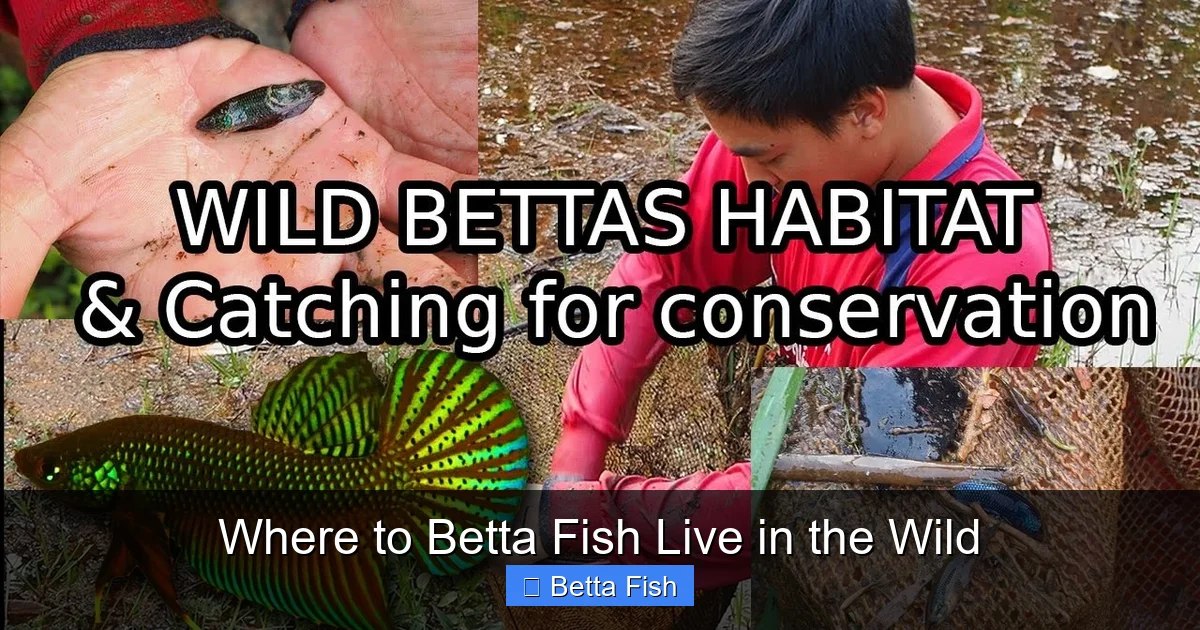
Beyond rice paddies, wild bettas occupy any similar slow-moving or stagnant wetland. This includes peat swamps and blackwater streams, where the water is stained dark brown by tannins from decaying vegetation. These waters are typically very soft and acidic—a crucial detail for captive care. They also live in the margins of ponds, lakes, and slow streams, preferring the dense, weedy edges over open water. Even human-made structures like irrigation ditches and canals can become perfect betta habitats if they are shallow, vegetated, and calm. The common thread is always the same: warm, shallow, slow, and full of plants. These habitats are not barren; they are teeming with insect larvae, tiny crustaceans, zooplankton, and other microorganisms that make up the betta’s carnivorous diet.
The Dynamic Wild: Seasonality and Water Conditions
A static picture of a betta’s habitat is misleading. Their world is defined by dramatic seasonal cycles, primarily driven by the monsoon climate of Southeast Asia. The “wild” in “wild betta” means they are adapted to change, not stability. Understanding this dynamism is key to understanding the fish itself.
Visual guide about Where to Betta Fish Live in the Wild
Image source: i.ytimg.com
The Wet Season: Expansion and Breeding
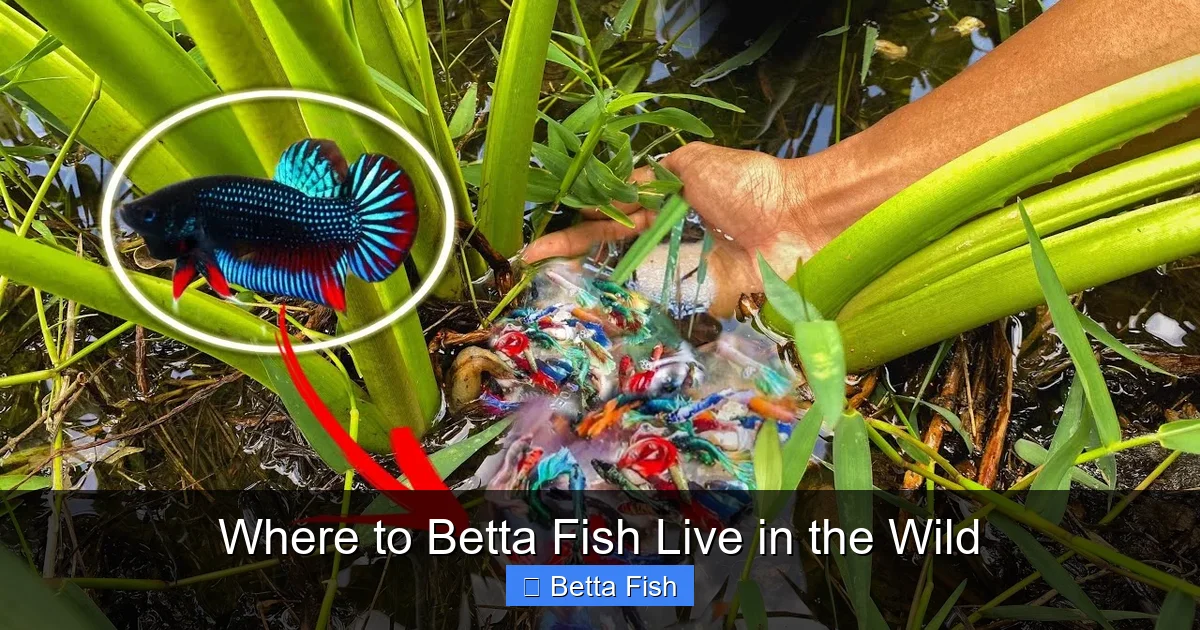
During the rainy season (roughly May to October), torrential rains cause rivers to overflow their banks. Floodplains inundate, rice paddies fill, and previously isolated pools connect into a massive, continuous aquatic landscape. For bettas, this is a time of abundance and opportunity. The water level rises, temperature stabilizes in the warm 75-85°F (24-29°C) range, and new territories open up. This is the primary breeding season. Males build their iconic bubble nests at the water’s surface, anchored to overhanging plants or debris. The abundance of food and space allows for multiple spawning events. The water chemistry also changes; heavy rainfall dilutes minerals, often making the water softer and more acidic, which is ideal for egg development and fry survival.
The Dry Season: Concentration and Survival
The dry season (November to April) presents the ultimate test. As rains cease, water bodies begin to shrink and isolate. What was once a vast network becomes a series of disconnected, shrinking pools. The water in these pools becomes warmer, even more stagnant, and lower in dissolved oxygen. This is where the betta’s most famous adaptation—the labyrinth organ—becomes a matter of life and death. This specialized structure, a folded piece of tissue behind the gills, allows the betta to breathe atmospheric air directly. They are obligate air-breathers; they must surface regularly to gulp air. In the hypoxic (low-oxygen) conditions of a drying pool, this ability is the only thing that keeps them alive while other, non-labyrinth fish perish. The dry season also concentrates bettas, sometimes forcing them into closer proximity, which may have historically influenced the development of their territorial and aggressive behaviors.
Adaptations Forged in the Wild: The Betta’s Toolkit
The specific conditions of their wild habitat directly shaped the betta’s most notable physical and behavioral traits. These are not random quirks; they are brilliant survival solutions.
Visual guide about Where to Betta Fish Live in the Wild
Image source: i.ytimg.com
The Labyrinth Organ: A Built-In Snorkel
As mentioned, the labyrinth organ is the betta’s defining physiological feature. It allows them to thrive in waters where other fish would suffocate. This adaptation is shared with other fish from similar habitats, like gouramis and paradise fish. In captivity, this means you must provide access to the air at the water’s surface. A tight-fitting lid is fine (they are jumpers!), but there must be no barrier between the water and the air above it. Water agitation should be minimal, as strong surface movement makes it difficult for them to take their gulps of air. This organ is also why bettas can survive in low-oxygen conditions in the pet store cup—it’s a short-term survival mode, not a healthy long-term state.
Physical Design: Built for the Surface and the Plants
The betta’s body is a masterpiece of form following function. Their upward-facing mouth is perfect for grabbing insects and other prey from the water’s surface or from plant leaves. They are not bottom-feeders. Their long, flowing fins, so prized in captivity, are actually a hindrance in the wild. A wild male’s fins are much shorter and more robust to navigate dense vegetation without tearing. The spectacular fins of the modern Veiltail or Halfmoon are a result of selective breeding for beauty, not utility. Their iridescent color layers (guanine crystals in the skin) may serve purposes in communication, camouflage among dappled light, and possibly even deterring predators in the shimmering surface world.
Behavioral Blueprint: Bubble Nests and Territoriality
The male betta’s bubble-nesting behavior is a direct response to their habitat. They collect air from the surface and coat it with saliva to create a raft of bubbles that floats on the surface, usually anchored to a plant. This provides a safe, oxygen-rich place for eggs and later, fry, which cannot breathe air until their labyrinth organ develops. The choice of a well-planted, calm surface area for the nest is non-negotiable. Their territorial aggression, especially in males, likely evolved as a strategy to defend a prime, resource-rich patch of vegetation—a good nest site with ample food and cover—from rivals. In the wild, fights are usually brief displays and chases, not to the death, because the loser can simply retreat into the dense vegetation. This is a crucial distinction from the staged, confined fights they were historically bred for.
The Perilous Present: Threats to Wild Betta Populations
Knowing where betta fish live in the wild also means knowing that their homes are under severe threat. The idyllic wetlands they depend on are some of the most threatened ecosystems on Earth. The wild betta is not currently listed as endangered on the IUCN Red List, but this masks a troubling reality of declining local populations and genetic erosion.
Habitat Loss: The Primary Threat
The biggest threat is the outright destruction of their wetland habitat. This happens for several reasons. First, urbanization and industrial development around Bangkok and other major cities has drained and paved over vast areas of marshland. Second, large-scale agricultural conversion, particularly for palm oil plantations, clears natural swamps. Even rice farming, which creates temporary habitat, can be detrimental when fields are treated with heavy pesticides and herbicides that poison the water. The construction of dams and water management infrastructure on the Mekong and Chao Phraya rivers alters the natural flood cycles, preventing the seasonal flooding that is essential for betta dispersal and breeding.
Pollution and Chemical Contamination
The waters bettas call home are often the first to receive agricultural runoff (fertilizers, pesticides) and industrial and urban wastewater. These pollutants can directly kill fish or degrade water quality, altering pH and hardness levels beyond what bettas can tolerate. The very tannin-rich, acidic blackwater environments they thrive in are highly susceptible to pH crashes from chemical pollution. Plastic pollution is also a major issue, with floating debris entangling fish or degrading water quality.
Genetic Swamping: The Silent Threat
Perhaps the most insidious threat is genetic hybridization. Millions of bettas are farmed in Southeast Asia, primarily for export. Escaped or released captive bettas—which are often hybrids of various color strains and sometimes even related species like Betta imbellis—can interbreed with wild populations. Over time, this dilutes the unique genetic lineages of wild bettas. The result is a loss of the natural genetic diversity and adaptations that have allowed them to survive for millennia in their specific habitats. A “wild” betta caught near a fish farm might look more like a colorful captive fish than its true wild ancestors. This genetic pollution is a slow but certain path to the extinction of truly wild, genetically pure Betta splendens.
Bridging the Gap: Applying Wild Knowledge to Captive Care
This is where your journey as a betta keeper comes full circle. Knowing where betta fish live in the wild is not just academic; it’s a practical care guide. Every aspect of their natural habitat provides a clue to their needs in your tank.
Mimicking the Water: Temperature, Flow, and Chemistry
Start with the foundation: water temperature. Wild bettas live in consistently warm water (76-85°F or 24-29°C). A stable temperature in this range, provided by an aquarium heater, is non-negotiable. Cold water slows their metabolism and suppresses their immune system. Next, water movement. Remember the rice paddy—still or very slow-moving water. Use a gentle filter with a flow that doesn’t push them around. Sponge filters are often ideal. You can also diffuse the output with plants or decorations. Finally, water chemistry. While captive bettas are adaptable, soft, slightly acidic water (pH 6.0-7.5) is closest to their native blackwater and peat swamp environments. Using Indian almond leaves, peat moss (in a filter bag), or driftwood can help soften water and release beneficial tannins, also providing a natural look and potential health benefits.
The Critical Importance of Plants and Surface Cover
This is the most critical element. Your tank must be a densely planted jungle. Live plants are best, as they oxygenate the water, absorb nitrates, and provide complex structure. Floating plants like Salvinia, Duckweed, or Water Sprite are absolutely vital. They diffuse bright light, reduce stress, provide a ceiling for the betta to build a bubble nest against, and mimic the surface cover of their wild home. Tall stem plants and broad-leafed plants like Anubias and Java Fern attached to driftwood create mid-level and bottom cover. This vertical complexity gives them hiding spots, exploration opportunities, and breaks in line of sight to reduce territorial aggression if you have a community tank. Think of your aquascape not as a clear exhibit, but as a lush, overgrown wetland.
Tank Size and Shape: More Than Just a Cup
The myth of the betta in a cup stems from a misunderstanding of their wild mobility. While they often live in shallow water, they traverse large, interconnected areas during the wet season. A minimum of 5 gallons (19 liters) is strongly recommended, with more being always better. A long, shallow tank (like a 20-gallon long) is often better than a tall, narrow one, as it provides more surface area—the area where they breathe and where bubble nests are built. A larger volume of water is also more stable, resisting dangerous temperature and parameter swings. A properly sized, planted tank is not a luxury for a betta; it is a basic requirement for a healthy, active life that allows for natural behaviors.
Conclusion: Respecting the Wild Within
The question “where do betta fish live in the wild” reveals a story of resilience, adaptation, and fragility. These are not fish born for confinement; they are specialized products of a unique and dynamic ecosystem in Southeast Asia. From the flooded rice paddies that expand and contract with the monsoons to the tea-colored, oxygen-poor swamps that would suffocate most other fish, the betta’s natural home is a testament to evolutionary ingenuity. Their labyrinth organ, their bubble-nesting instinct, their surface-dwelling nature—all are perfect solutions to the challenges of that specific environment.
But that wild world is disappearing. The wetlands are being drained, the waters are being polluted, and the genetic purity of wild populations is being diluted. As betta enthusiasts, we have a responsibility. The vibrant fish swimming in our carefully prepared, warm, planted tanks are ambassadors for their wild cousins. By striving to replicate the key conditions of their natural habitat—warmth, calm surface, dense vegetation, and soft water—we do more than just keep a pet alive. We honor the wild spirit within them. We provide an environment that allows their natural behaviors to flourish, reducing stress and promoting health. And in doing so, we connect with the true story of the betta, a story far richer and more important than any myth of a fish that lives in a puddle. Let that story guide your care, and let your tank become a small, thriving window into the fascinating wetlands of Southeast Asia.
Frequently Asked Questions
Do wild betta fish have the bright colors of store-bought ones?
No. Wild male bettas are typically a more camouflaged green, brown, or dull blue with only subtle iridescence or flashes of color on their fins during displays. The brilliant reds, blues, and multi-colors are the result of centuries of selective breeding for the aquarium trade.
Can wild bettas survive in cold water?
No. They are tropical fish adapted to consistently warm waters (76-85°F or 24-29°C). Cold water (<70°F or 21°C) drastically slows their metabolism, weakens their immune system, and can be fatal, especially over time. Their labyrinth organ helps them survive low oxygen, not low temperature.
Are wild betta fish endangered?
They are not currently listed as endangered globally by the IUCN, but their situation is concerning. Local populations are declining due to severe habitat loss, pollution, and genetic hybridization with escaped captive stock. Their long-term wild survival is not guaranteed.
Do wild betta fish build bubble nests?
Yes, absolutely. Bubble-nesting is a fundamental, instinctive breeding behavior of all wild Betta splendens males. They build these nests on the water’s surface, anchored to overhanging plants or debris, in response to environmental cues like warm temperatures and the presence of a female.
What is the biggest difference between a wild betta and a store betta?
Beyond color and fin length, the biggest difference is in hardiness and behavior. Wild bettas are generally hardier, more active, and more intelligent, having survived in a complex, challenging natural environment. Store bettas are often inbred for specific colors/fins and may be weaker, more stressed, and display fewer natural behaviors due to poor rearing conditions.
Does habitat destruction really affect such a common pet fish?
Yes, profoundly. The wild habitat is being destroyed at an alarming rate for agriculture and development. While the species as a whole is not yet extinct in the wild, the unique genetic diversity and natural behaviors found in pure wild populations are being lost forever. This loss of genetic diversity makes the species, including our aquarium bettas, more vulnerable to diseases and environmental changes in the long run.

