Can I Breed Betta Fish in a Bowl

Breeding betta fish in a bowl is not recommended and rarely succeeds. While bettas can survive in bowls short-term, breeding requires stable warm water, proper filtration, hiding spots, and enough space for fry to develop. A dedicated breeding tank of 5-10 gallons gives your bettas the best chance at healthy eggs and thriving babies.
Key Takeaways
- Bowls lack stability: Small volumes of water cause rapid temperature swings and ammonia spikes, which kill eggs and fry quickly.
- Breeding needs space: A proper breeding tank should be at least 5-10 gallons to give the male room to build a bubble nest and the female places to hide.
- Water parameters matter: Bettas breed best in warm (78-80°F), slightly acidic to neutral water (pH 6.5-7.0) with very low water flow.
- Filtration is essential: A gentle sponge filter keeps water safe without sucking up tiny eggs or damaging the male’s bubble nest.
- Fry need special care: Baby bettas require infusoria or baby brine shrimp for their first weeks and pristine water conditions to survive.
- Separate the female after spawning: Male bettas guard the nest aggressively and will attack or kill the female once eggs are laid.
- Condition the pair first: Feed live or frozen foods for 1-2 weeks before breeding to get both fish into peak breeding condition.
📑 Table of Contents
- Can I Breed Betta Fish in a Bowl? The Honest Answer
- Why Bowls Fail for Betta Breeding
- The Ideal Betta Breeding Setup
- Preparing Your Betta Pair for Breeding
- The Breeding Process Step by Step
- Caring for Betta Eggs and Fry
- Common Mistakes to Avoid When Breeding Betta Fish
- Frequently Asked Questions About Betta Breeding
- Final Thoughts on Breeding Betta Fish
Can I Breed Betta Fish in a Bowl? The Honest Answer
So you have a beautiful male betta and a gorgeous female, and you are thinking about breeding them. Maybe you have a bowl sitting around and you are wondering, “Can I breed betta fish in a bowl?” It is one of the most common questions new betta keepers ask, and the answer is not as simple as you might hope.
Here is the truth. Technically, bettas can spawn in a bowl. Male bettas are famous for building bubble nests even in tiny containers. But just because something can happen does not mean it should. Breeding betta fish successfully requires very specific conditions that a bowl simply cannot provide. The survival rate of eggs and fry in a bowl is extremely low, and the stress on both parent fish is significant.
In this guide, we will break down exactly why bowls fall short for breeding, what you actually need for a successful betta breeding setup, and how to raise healthy fry from day one. Whether you are a complete beginner or someone who has kept bettas for a while, this article will give you the real information you need before attempting to breed these amazing fish.
Why Bowls Fail for Betta Breeding
Before we talk about the ideal setup, let us understand why a bowl is not the right choice for breeding betta fish. Many people keep bettas in bowls for everyday living, and that can work with enough care. But breeding is a completely different situation.
Unstable Water Temperature
Bettas are tropical fish. They need warm water between 78 and 80°F to breed successfully. A small bowl loses heat very quickly. Even if you place a small heater in a bowl, the water volume is so low that the temperature can swing by several degrees throughout the day. These fluctuations stress the fish and can cause the male to abandon his bubble nest or the eggs to fail to develop.
In a larger tank of 5-10 gallons, the water holds heat much more consistently. The temperature stays stable, which is critical during the 24-48 hour period when eggs are developing inside the bubble nest.
Poor Water Quality
A bowl holds very little water, sometimes just 1-2 gallons. Fish waste, uneaten food, and decaying plant matter build up fast in such a small volume. Ammonia and nitrite levels can spike within hours, and both are deadly to betta eggs and newly hatched fry. Even with frequent water changes, maintaining stable water chemistry in a bowl is a constant battle.
When you are breeding betta fish, you cannot do large water changes during the spawning process or right after. The male tends the nest and the eggs, and sudden water changes can cause him to eat the eggs or abandon them entirely. A larger, filtered breeding tank gives you the stability you need.
Lack of Space for the Female
This is a big one that many beginners overlook. Female bettas need places to hide during and after breeding. The male betta becomes very aggressive during the spawning process. He will chase the female, flare at her, and sometimes attack her. In a bowl, there is nowhere for her to escape. She can get seriously injured or even killed.
A proper breeding tank needs dense live plants like Java moss, floating plants, and other decorations that break the line of sight. The female needs to be able to swim away and rest in a safe spot. A bowl simply cannot offer this kind of environment.
No Room for a Proper Bubble Nest
Male bettas build bubble nests as part of their breeding behavior. A good nest can be several inches wide and needs to be anchored to something at the water surface, like a plant leaf or a floating object. In a bowl, the surface area is limited, and the male may struggle to build a nest that holds together well. A weak nest means eggs can fall to the bottom and be lost.
The Ideal Betta Breeding Setup
Now that we know why bowls do not work, let us talk about what you actually need to breed betta fish successfully. The good news is that a proper breeding setup does not have to be expensive or complicated.
Tank Size and Shape
The minimum recommended tank size for breeding betta fish is 5 gallons, but a 10-gallon tank is even better. A longer, rectangular tank is ideal because it provides more horizontal swimming space and a larger surface area for the bubble nest. Avoid tall, narrow tanks as they limit surface area and make it harder for the male to tend his nest.
Some breeders use a 20-gallon long tank for breeding because it gives the female even more room to escape the male’s attention. If you are serious about breeding, investing in a larger tank will pay off with higher success rates and healthier fry.
Heating and Temperature Control
You need a reliable adjustable heater for your breeding tank. Set it to 78-80°F and let the water stabilize for at least 24 hours before introducing the breeding pair. A heater with a built-in thermostat is best because it maintains a consistent temperature without constant adjustment.
Always use a separate thermometer to verify the temperature. Do not rely solely on the heater’s dial, as many budget heaters are not perfectly accurate. Stable warmth is one of the most important factors in getting bettas to spawn and keeping the eggs healthy.
Gentle Filtration
Filtration is important for keeping the water clean, but you need the right kind of filter. A strong filter will create too much water movement, which can destroy the bubble nest and scatter the eggs. The best choice for a breeding tank is a sponge filter powered by an air pump.
Sponge filters provide gentle biological filtration without creating strong currents. They are also safe for tiny fry because there is no intake tube that could suck them up. If you already have a hang-on-back filter, you can baffle the output with a sponge to reduce the flow.
Essential Hiding Spots and Plants
Live plants are a must for any betta breeding tank. Java moss is the top choice because it provides dense cover for the female and harbors beneficial microorganisms that fry can eat. Other great options include Hornwort, Water Sprite, and Amazon Sword plants.
Floating plants are especially important because betta bubble nests are usually built underneath floating plant roots. You can also add a small piece of Styrofoam or a floating betta log near the surface to give the male a stable anchor point for his nest.
Avoid sharp decorations or rough gravel. Bare-bottom tanks or tanks with a thin layer of sand are easiest to clean and safest for tiny fry.
Preparing Your Betta Pair for Breeding
Before you put a male and female together, both fish need to be in excellent health and proper breeding condition. Rushing this step is one of the most common reasons breeding attempts fail.
Choosing Healthy Breeding Stock
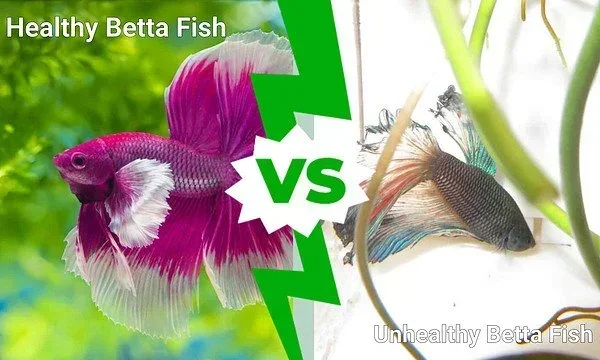
Select a male and female that are at least 4-6 months old and fully mature. Look for bright colors, active behavior, full fins, and no signs of disease like fin rot, white spots, or bloating. Both fish should be eating well and swimming actively.
If you are buying fish specifically for breeding, check out tips on breeding bettas from pet store fish to understand the challenges and what to look for. You can also find quality breeding stock from reputable breeders online or at local fish clubs.
Conditioning with High-Quality Foods
For 1-2 weeks before breeding, feed both fish high-protein live or frozen foods. Great options include bloodworms, brine shrimp, daphnia, and mosquito larvae. Feed small amounts 2-3 times a day. This conditioning process gets the female producing eggs and the male building strong bubble nests.
Avoid flake food during conditioning. It does not provide the nutrition needed for breeding. Live foods are best, but frozen foods work well too. The extra protein and fat make a huge difference in breeding success.
Setting Up the Breeding Tank First
Get your breeding tank fully set up and cycled before adding any fish. The tank should run for at least a week with stable parameters. Test the water to make sure ammonia and nitrite are at zero and nitrates are low. The temperature should be steady at 78-80°F.
Let the male settle into the breeding tank first. Give him 1-2 days alone to explore and start building a bubble nest. Once you see a decent bubble nest, you can introduce the female.
The Breeding Process Step by Step
Introducing the Female
Do not just drop the female into the tank. This will trigger immediate aggression from the male. Instead, place the female in a clear container or breeder box inside the tank so the two fish can see each other without physical contact. This allows them to display to each other and get comfortable.
Watch their behavior closely. The male will flare his gills, spread his fins, and swim near the female. The female will show vertical breeding stripes on her body and lower her head in a submissive posture. If she is receptive and he is building a nest, you can release her into the tank.
Spawning Behavior
When you release the female, the male will chase her and try to wrap around her in a spawning embrace. This can look violent, but it is normal. The male wraps his body around the female, squeezing eggs out of her while fertilizing them. They will do this several times over the course of a few hours.
After each embrace, the male catches the fertilized eggs in his mouth and spits them up into the bubble nest. The female may appear lethargic or hide after spawning. This is normal, but watch carefully to make sure the male is not attacking her relentlessly.
Removing the Female After Spawning
Once spawning is complete and the female has been released from the male’s embrace for the last time, remove her from the breeding tank immediately. The male will now take over all care of the eggs and fry. If you leave the female in the tank, the male may seriously injure or kill her.
Move the female to a separate recovery tank with clean, warm water. She will be exhausted and may have torn fins or scales. Keep her in a quiet, dimly lit space and feed her well. She should recover within a few days.
Caring for Betta Eggs and Fry
Egg Development
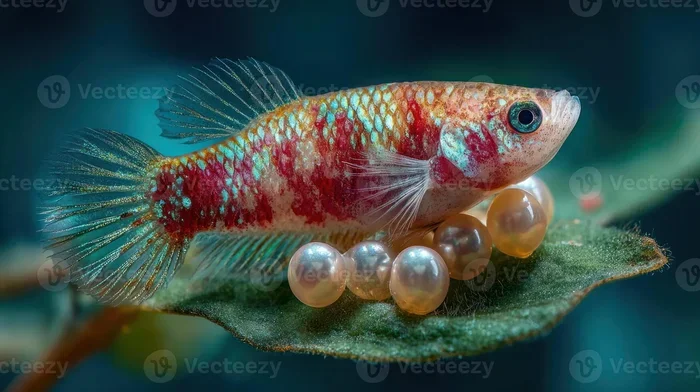
The male will tend the bubble nest, catching any eggs that fall and spitting them back up. The eggs hatch within 24-48 hours depending on temperature. At first, the fry will hang vertically in the nest, still feeding on their yolk sacs. The male will continue to guard them during this time.
Do not feed the fry during the first 2-3 days. They are absorbing their yolk sacs and do not need food yet. The male will keep the nest maintained and return any fry that fall out.
First Foods for Betta Fry
Once the fry are free-swimming (usually day 3-4), they need to be fed very small foods. The best first food is infusoria, which are tiny microorganisms that you can culture at home. You can also use liquid fry food or commercially prepared fry food.
After about a week, the fry can start eating newly hatched baby brine shrimp. This is the best food for rapid growth. Feed small amounts 3-4 times a day. Be careful not to overfeed, as uneaten food will foul the water quickly.
Water Maintenance During the Fry Stage
Water quality is critical when raising betta fry. Do not use a strong filter. A gentle sponge filter is perfect. Perform very small water changes (10-15%) every few days using water that is the same temperature as the tank. Use a airline tubing to siphon out debris from the bottom very gently.
As the fry grow, you will need to separate them into larger containers. Male bettas will start showing aggression toward each other as early as 8-12 weeks. Plan ahead for multiple tanks or containers to house the growing fry.
Common Mistakes to Avoid When Breeding Betta Fish
Even with the best intentions, many first-time breeders make mistakes that lead to failure. Here are the most common pitfalls to watch out for.
- Starting with unhealthy fish: Sick or weak bettas will not breed successfully. Always condition your pair for at least two weeks before attempting to spawn them.
- Using a bowl or tiny container: As we discussed throughout this guide, bowls cannot provide the stable environment needed for breeding. Invest in a proper tank.
- Not providing enough hiding spots: The female needs places to escape. Without plants and decorations, she can be seriously harmed during breeding.
- Removing the male too early: The male is essential for caring for the eggs and fry in the first few days. Only remove him once the fry are free-swimming.
- Overfeeding the fry: Tiny fry have tiny stomachs. Overfeeding pollutes the water and kills the entire batch. Feed small amounts frequently.
- Ignoring water parameters: Test the water regularly. Ammonia and nitrite must be zero at all times, especially with fry in the tank.
Frequently Asked Questions About Betta Breeding
Here are answers to some of the most common questions people ask about breeding betta fish, including questions about housing and tank setup that relate directly to breeding success.
If you are wondering about keeping bettas in smaller containers for non-breeding purposes, you might want to read about keeping betta fish in a small bowl and whether bettas can live in a bowl without a filter. These articles explain the challenges of small-container keeping, which are even more pronounced when attempting to breed.
Understanding why betta fish can survive in bowls helps explain why they are sometimes kept this way, but survival and successful breeding are two very different things. The labyrinth organ that allows bettas to breathe air from the surface is what makes bowl-living possible, but it does not make bowls ideal for any aspect of advanced care like breeding.
Final Thoughts on Breeding Betta Fish
So, can you breed betta fish in a bowl? The short answer is no, not successfully. While a male might build a bubble nest in a bowl and spawning might technically occur, the chances of eggs surviving and fry growing to adulthood in a bowl are extremely low. The unstable water conditions, lack of space, and absence of proper hiding spots make a bowl a poor choice for breeding.
If you are serious about breeding betta fish, invest in a proper 5-10 gallon breeding tank with a heater, sponge filter, and plenty of live plants. Condition your breeding pair with high-quality foods, monitor the process carefully, and be prepared to care for potentially hundreds of fry. It is a rewarding experience when done right, but it requires preparation, patience, and the right equipment.
Breeding betta fish is one of the most exciting parts of the hobby. With the right setup and knowledge, you can raise beautiful, healthy bettas and share them with other enthusiasts. Just remember to skip the bowl and give your fish the proper environment they deserve.
Frequently Asked Questions
Can betta fish breed in a 1-gallon bowl?
A 1-gallon bowl is far too small for breeding betta fish. The water parameters will be unstable, there is no room for a proper bubble nest, and the female has nowhere to hide from the male’s aggression. Use at least a 5-gallon tank for breeding.
How long does it take for betta eggs to hatch?
Betta eggs typically hatch within 24 to 48 hours after spawning, depending on water temperature. Warmer water around 80°F speeds up development, while cooler temperatures slow it down. The male will tend the nest until the fry are free-swimming.
Do I need a filter in a betta breeding tank?
Yes, but it must be a gentle sponge filter. Strong filters create currents that destroy bubble nests and can harm or kill tiny fry. A sponge filter powered by an air pump provides safe biological filtration without disturbing the breeding process.
How many babies do betta fish have?
A single spawning session can produce anywhere from 30 to 500 eggs, though not all will hatch successfully. Even with excellent care, only a percentage of fry typically survive to adulthood. Be prepared to house many growing fry separately as they mature.
When can I separate male and female betta fry?
Start separating male fry from each other around 8 to 12 weeks of age when aggression begins. Females can often be kept together longer in a sorority setup. Always monitor for fighting and separate any fish that show signs of aggression.
Can I breed bettas without live plants?
Live plants are strongly recommended but not absolutely required. You can use artificial plants and floating decorations to provide cover and bubble nest anchors. However, live plants like Java moss also harbor microorganisms that serve as natural fry food.