Can I Breed 2 Differnt Betta Fish
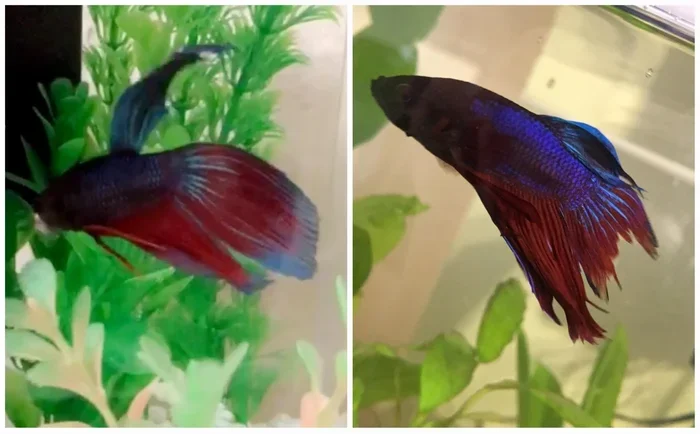
Yes, you can breed two different betta fish types together. All bettas are the same species, so crossbreeding is possible. The fry will be hybrids with mixed colors and fin shapes. Breeding different bettas is fun but needs planning, patience, and the right setup.
Key Takeaways
- Same species, different types: All betta fish are Betta splendens, so different tail types and colors can breed together.
- Hybrid fry results: Breeding two different bettas produces hybrid babies with mixed traits from both parents.
- Not all traits are predictable: Fry may show unexpected colors, patterns, and fin shapes due to complex genetics.
- Health matters more than looks: Choose healthy, strong breeders to avoid passing on genetic problems to fry.
- Proper setup is essential: You need a dedicated breeding tank, warm water, and live food for fry survival.
- Be prepared for many fry: A single spawn can produce 100–500 eggs, so have a plan for raising or rehoming them.
- Ethical breeding matters: Avoid breeding fish with known health issues to keep the betta hobby healthy long-term.
📑 Table of Contents
- Can I Breed 2 Different Betta Fish? The Complete Answer
- Understanding Betta Fish Types and Genetics
- What Happens When You Breed Two Different Betta Fish
- How to Set Up a Breeding Tank for Different Betta Types
- The Breeding Process Step by Step
- Ethical Considerations for Breeding Different Betta Fish
- Frequently Asked Questions About Breeding Different Betta Fish
- Final Thoughts on Breeding Two Different Betta Fish
Can I Breed 2 Different Betta Fish? The Complete Answer
So you have been looking at your bettas and wondering, “Can I breed 2 different betta fish together?” Maybe you have a gorgeous halfmoon male and a stunning plakat female. Or perhaps you have two completely different color types and you are curious what the babies would look like. The short answer is yes, you absolutely can breed two different betta fish together. But there is a lot more to it than just putting two fish in a tank and hoping for the best.
Breeding bettas is one of the most exciting parts of the hobby. Watching the male build his bubble nest, seeing the courtship dance, and then caring for hundreds of tiny fry is an incredible experience. But when you start mixing different types of bettas, things get a little more complicated. The genetics can be unpredictable. The results can be surprising. And you need to be prepared for the responsibility that comes with producing potentially hundreds of baby fish.
In this guide, we will walk you through everything you need to know about breeding two different betta fish. We will cover the science behind it, what to expect from the fry, how to set up a breeding tank, and the ethical considerations every breeder should think about. Whether you are a complete beginner or have kept bettas for years, this article will give you the knowledge you need to make smart breeding decisions.
Understanding Betta Fish Types and Genetics
All Bettas Are the Same Species
Here is something that surprises a lot of people. Every betta fish you see at the pet store, whether it is a crowntail, halfmoon, plakat, double tail, or veiltail, is the same species. They are all Betta splendens. The different tail types, colors, and patterns you see are the result of selective breeding over many generations. This means that any male betta can breed with any female betta, regardless of their appearance.
Think about it like dog breeds. A golden retriever and a poodle are very different looking dogs, but they are both Canis lupus familiaris. When you breed them together, you get a goldendoodle. The same concept applies to bettas. When you breed a halfmoon male with a crowntail female, you get hybrid fry that may show traits from both parents.
How Betta Genetics Work
Betta genetics are actually quite complex. Multiple genes control tail shape, color, pattern, and fin length. Some traits are dominant, meaning they are more likely to show up in offspring. Others are recessive, meaning they can hide for generations and then suddenly appear in fry.
For example, the marble gene in bettas is known for being unstable. A marble betta can change colors throughout its life. If you breed a marble betta with a solid color betta, some of the fry might carry the marble gene and change colors as they grow. This unpredictability is part of what makes breeding different bettas so exciting and challenging at the same time.
The long fin gene is another important factor. Bettas with extremely long fins, like halfmoons and rosetails, carry genes for those flowing fins. When bred with a short fin plakat, the fry might have medium length fins or a mix of long and short fins. Predicting the exact outcome is nearly impossible without deep knowledge of the parent fish’s genetic history.
What Happens When You Breed Two Different Betta Fish
The Hybrid Fry
When you breed two different betta fish, the resulting fry are hybrids. They inherit genes from both parents, which means they can display a wide range of colors, patterns, and fin types. Some fry might look more like the father. Others might resemble the mother. And some might look completely different from both parents.
This is why breeding bettas is often described as a box of chocolates. You never quite know what you are going to get. A breeder might pair a blue male with a red female hoping for purple offspring, but end up with a mix of blues, reds, and maybe some multicolored surprises. The genetic lottery is part of the fun, but it also means you should not breed bettas expecting specific results unless you have studied the bloodlines carefully.
Common Crossbreeding Combinations
Here are some common combinations breeders try and what you might expect:
- Halfmoon x Plakat: This is a popular cross. The fry often have wider tails than plakats but may not achieve the full 180-degree spread of a pure halfmoon. Many breeders do this to add strength and vitality to their halfmoon lines.
- Crowntail x Halfmoon: The fry may show reduced crowntail rays with wider tail spreads. The results can be stunning but unpredictable.
- Solid Color x Marble: Expect a mix of solid and marble-patterned fry. Some may change colors dramatically as they mature.
- Different Color Crosses: Breeding different colors together can produce interesting results, but color genetics in bettas are extremely complex. Purple bettas, for instance, are notoriously difficult to produce reliably.
Potential Concerns with Crossbreeding
While breeding two different betta fish is perfectly fine from a biological standpoint, there are some concerns to keep in mind. Double tail bettas, for example, carry a gene that can cause spinal deformities. Breeding two double tail bettas together increases the chance of producing fry with serious health problems. Responsible breeders avoid pairing fish that both carry known genetic weaknesses.
Another concern is fin quality. Some bettas have been bred for extreme fin length at the expense of their health. These fish may struggle to swim, be prone to fin rot, or have shortened lifespans. Breeding two fish with extreme traits can pass those problems to the next generation. Always prioritize health and vitality over appearance when choosing breeders.
How to Set Up a Breeding Tank for Different Betta Types
Tank Size and Setup
A dedicated breeding tank is essential for success. A 10-gallon tank is the most common choice for betta breeding. It gives the female enough space to escape the male’s attention when needed, and it is small enough to help the fry find food easily once they are free swimming.
Fill the tank with about 6 to 8 inches of water. Shallow water helps the male build his bubble nest and makes it easier for fry to reach the surface for air. Bettas have a special organ called a labyrinth organ that allows them to breathe atmospheric air, but fry need to reach the surface easily during their first few days of life.
Add a heater to keep the water temperature between 78 and 80 degrees Fahrenheit. Bettas are tropical fish, and warm water encourages breeding behavior. A gentle sponge filter is ideal because it provides filtration without creating strong currents that could disturb the bubble nest or harm tiny fry.
Adding Hiding Spots and a Bubble Nest Anchor
The female needs places to hide during the breeding process. The male can be aggressive, especially before the female is ready to spawn. Add live or silk plants, a small cave, or even a piece of Indian almond leaf to provide cover. Indian almond leaves also release tannins that mimic the betta’s natural habitat and can encourage spawning.
For the bubble nest, many breeders use a small piece of Styrofoam cup or a floating plant like Indian almond leaf. The male will build his nest under these objects. Some males are enthusiastic nest builders, while others need a little encouragement. Keeping the tank in a quiet area with minimal disturbances helps the male feel secure enough to build.
Conditioning the Breeders
Before introducing your bettas to the breeding tank, you need to condition them. This means feeding them high-quality, protein-rich foods for about two weeks. Live or frozen foods like bloodworms, brine shrimp, and daphnia are excellent choices. Conditioning helps the female develop eggs and gets the male in prime breeding condition.
During conditioning, keep the male and female in separate tanks where they can see each other. Many breeders use a divided tank or place the female’s container next to the male’s tank. When the male sees a potential mate, he will start flaring, displaying his fins, and building a bubble nest. The female will show vertical breeding stripes on her body when she is ready to spawn.
The Breeding Process Step by Step
Introducing the Pair
Once both fish are conditioned and the male has built a bubble nest, it is time to introduce the female. Place her in a clear container or breeder box inside the breeding tank. This allows the male to see her and court her without being able to attack her. Watch their behavior closely.
The male will display by flaring his gills, spreading his fins, and swimming in a dance-like pattern. The female will respond by showing her breeding stripes and positioning herself in a submissive posture. If she is ready, she will approach the male and they will begin their courtship dance around each other.
The Spawning Embrace
When both fish are ready, release the female into the tank. The male will wrap his body around the female in what is called a spawning embrace. This squeeze causes the female to release eggs, which the male fertilizes immediately. The eggs sink to the bottom, and the male carefully collects them in his mouth and places them in the bubble nest.
This process is repeated many times over the course of several hours. A single spawn can produce anywhere from 100 to 500 eggs, though not all will be fertilized or survive. After spawning is complete, remove the female from the tank immediately. The male will become aggressive toward her as he focuses on guarding the nest and caring for the eggs.
Caring for the Eggs and Fry
The male will tend to the nest for the next 24 to 48 hours, catching any eggs that fall and returning them to the nest. After about two days, the eggs will hatch, and the fry will hang vertically from the nest. They are extremely tiny and fragile at this stage. The male will continue to care for them until they are free swimming, which usually happens around day three or four.
Once the fry are free swimming, remove the male from the tank. Start feeding the fry with infusoria or liquid fry food for the first few days. As they grow, you can introduce baby brine shrimp, which is the best food for growing betta fry. Feed small amounts several times a day and perform regular water changes to keep the water clean.
Ethical Considerations for Breeding Different Betta Fish
Why Ethics Matter in Betta Breeding
Breeding bettas is not just about producing pretty fish. It is a responsibility. Every year, thousands of bettas are produced by breeders around the world, and many end up in poor conditions at pet stores or in homes where they are not properly cared for. Before you decide to breed two different betta fish, ask yourself some important questions.
Do you have the time and resources to care for potentially hundreds of fry? Do you have a plan for finding homes for the babies? Are you breeding healthy fish with good genetics, or are you just curious what the fry will look like? These questions matter because irresponsible breeding contributes to the overpopulation and poor treatment of bettas worldwide.
Avoiding Genetic Problems
Responsible breeders carefully select their breeding pairs to avoid passing on genetic problems. As mentioned earlier, breeding two double tail bettas can produce fry with spinal deformities. Breeding fish with known health issues, such as chronic fin rot or tumors, can pass those problems to the next generation.
If you are serious about breeding, research the bloodlines of your fish. Talk to experienced breeders. Learn about the genetics behind the traits you are trying to produce. The more you know, the better decisions you can make for the health and well-being of your fry.
Finding Homes for Your Fry
One of the biggest challenges of breeding bettas is finding homes for all the fry. A single spawn can produce hundreds of babies, and they grow quickly. By the time they are a few months old, you will need separate containers for each male since male bettas cannot live together. If you are not prepared for this, you could end up with more fish than you can handle.
Some breeders sell their fry to local pet stores or online. Others give them away to fellow hobbyists. Whatever you do, make sure your fry are going to good homes where they will be properly cared for. Never release bettas into the wild, as they are an invasive species in many parts of the world.
Frequently Asked Questions About Breeding Different Betta Fish
Will the fry look like the parents?
The fry will inherit traits from both parents, but the results are not always predictable. Some fry may look like the father, some like the mother, and some may look completely different. This is especially true when breeding two very different betta types together.
Can I breed a male and female of different species?
No, you should only breed Betta splendens with other Betta splendens. There are other betta species, like Betta imbellis or Betta smaragdina, but crossbreeding different species is not recommended and often does not produce viable offspring.
How long does it take for betta fry to grow?
Betta fry grow relatively quickly with proper care. They will reach juvenile size in about 6 to 8 weeks and start showing their colors around 2 to 3 months. Males can be separated by gender starting at around 8 to 12 weeks, though some may need longer.
Final Thoughts on Breeding Two Different Betta Fish
Breeding two different betta fish is absolutely possible and can be a rewarding experience. The hybrid fry that result from crossbreeding different tail types, colors, and patterns can be truly stunning. But breeding bettas is not something to take lightly. It requires preparation, knowledge, and a genuine commitment to the health and well-being of the fish you produce.
If you are new to breeding, start by learning as much as you can about betta genetics and care. Set up a proper breeding tank, choose healthy breeders, and have a plan for the fry before you even begin. Talk to experienced breeders in your area or online communities. The more you learn before your first spawn, the better your results will be.
And remember, breeding bettas is about more than just producing beautiful fish. It is about contributing to the hobby in a positive way. By breeding responsibly, avoiding genetic problems, and finding good homes for your fry, you are helping to ensure that bettas continue to thrive for generations to come. So yes, you can breed two different betta fish. Just make sure you do it right.
Frequently Asked Questions
Can I breed a halfmoon betta with a crowntail betta?
Yes, you can breed a halfmoon with a crowntail. The fry will be hybrids and may show a mix of traits from both parents, such as wider tails with some crowntail ray extension. Results vary since betta genetics are complex.
What happens if I breed two different colored betta fish?
Breeding two different colored bettas produces fry with mixed color genetics. Some fry may show one parent’s color, some may show the other’s, and some may display entirely new colors or patterns due to recessive genes.
Is it safe to breed a plakat with a long fin betta?
Yes, it is safe and actually quite common. Many breeders cross plakats with long fin bettas to improve the health and vitality of the offspring. The fry may have medium length fins or a variety of fin types.
How many fry will I get from breeding two different bettas?
A single spawn can produce 100 to 500 eggs, though not all will hatch or survive. The number depends on the age and health of the breeders, water conditions, and how well you care for the fry after hatching.
Do I need a special tank to breed different betta types?
You need a dedicated breeding tank of at least 10 gallons with warm water around 78 to 80 degrees Fahrenheit, a gentle sponge filter, hiding spots for the female, and a floating object for the male’s bubble nest.
Can I sell the fry from breeding two different betta fish?
Yes, many breeders sell their hybrid fry to pet stores, online, or to other hobbyists. Make sure the fry are healthy and large enough to ship or transport safely before selling them.