Can Glow and Betta Fish Live Together

Many aquarium hobbyists wonder if glow fish and betta fish can share the same tank. While it is technically possible under very specific conditions, it is generally not recommended due to the betta’s aggressive temperament and the glow fish’s flashy appearance. This guide breaks down everything you need to know before attempting this combination.
Key Takeaways
- Glow fish are genetically modified zebra danios, tetras, or barbs — they are not a single species, and their behavior varies by type.
- Betta fish are territorial and aggressive — especially males, which makes them poor tank mates for most fish.
- Glow fish may trigger aggression in bettas — their bright, fluorescent colors and fast swimming can stress or provoke a betta.
- Water parameter overlap exists but is not perfect — both prefer warm water, but ideal pH and hardness ranges differ slightly.
- A large, heavily planted tank is essential — if you attempt this pairing, you need at least 20 gallons with plenty of hiding spots.
- Safer tank mate alternatives exist — snails, shrimp, and certain peaceful bottom dwellers are better choices for bettas.
- Constant monitoring is required — even in ideal conditions, aggression can appear suddenly and cause injury or death.
📑 Table of Contents
- Can Glow Fish and Betta Fish Live Together?
- What Exactly Are Glow Fish?
- Understanding Betta Fish Temperament
- Water Parameters: Do They Match?
- Tank Setup: Making It Work (If You Must)
- Which Glow Fish Are the Best (and Worst) Matches?
- Safer Alternatives to Glow Fish
- Signs of Trouble: What to Watch For
- Final Verdict: Should You Do It?
Can Glow Fish and Betta Fish Live Together?
If you have ever walked into a pet store, you have probably seen those stunning, neon-colored fish glowing under blacklight. They are called glow fish, and they are one of the most eye-catching additions to any aquarium. Now, if you already own a betta fish — or are planning to get one — you might be wondering: can glow fish and betta fish live together?
The short answer is: it is complicated. While some hobbyists have managed to keep them in the same tank without issues, many others have experienced stress, fin nipping, and outright aggression. The truth is that betta fish are known for their territorial and sometimes violent behavior, and glow fish bring a set of traits that can either coexist peacefully or trigger a full-blown war in your aquarium.
In this article, we will explore everything you need to know about glow fish, betta fish behavior, water requirements, tank setup, and whether this combination is worth the risk. By the end, you will have a clear understanding of what it takes — if it is even advisable — to house these two types of fish together.
What Exactly Are Glow Fish?
The Science Behind the Glow
Glow fish are not a naturally occurring species. They are genetically modified fish that have been infused with fluorescent protein genes, typically from jellyfish or coral. This genetic modification causes them to glow vibrantly under normal and blacklight conditions. The most common types of glow fish you will find in pet stores are:
- Glow light tetras — genetically modified white skirt tetras
- Glow zebra danios — genetically modified zebra danios
- Glow barbs — genetically modified tiger barbs
Each of these species has its own temperament, swimming speed, and social needs. This is important because not all glow fish behave the same way, and some are far more likely to cause problems with a betta than others.
Behavior and Temperament of Glow Fish
Most glow fish are schooling fish, which means they need to be kept in groups of at least five or six to feel secure. When kept in small numbers, they can become stressed and may exhibit erratic swimming patterns. Glow zebra danios, for example, are extremely fast swimmers that zip around the tank constantly. Glow light tetras are a bit calmer but still active. Glow barbs, on the other hand, have a reputation for being semi-aggressive and nippy.
This variety in behavior is exactly why you cannot make a blanket statement about whether glow fish and bettas can coexist. The specific type of glow fish matters enormously.
Understanding Betta Fish Temperament
Why Bettas Are Not Your Average Community Fish
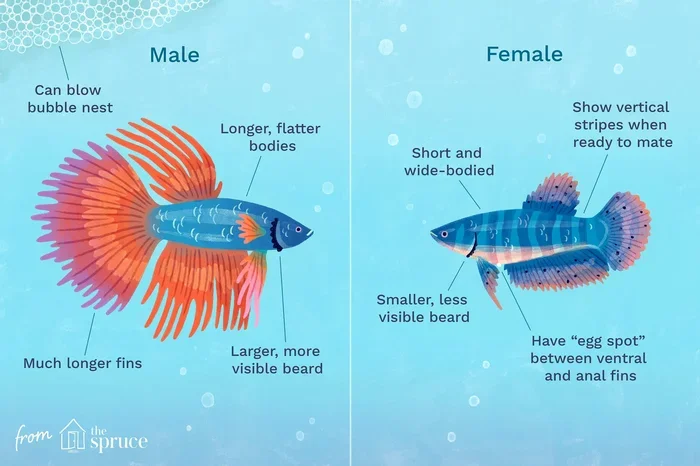
Betta fish, also known as Siamese fighting fish, have a well-earned reputation for aggression. Male bettas, in particular, are extremely territorial. In the wild, a male betta will fight another male to the death over territory and mating rights. This instinct does not disappear just because your betta lives in a glass tank in your living room.
Even female bettas can be aggressive, though they are generally less so than males. If you are considering keeping multiple bettas together, you should read our guide on can betta fish live together to understand the risks involved.
What Triggers Aggression in Bettas?
Several factors can trigger aggressive behavior in betta fish:
- Bright colors — fish with vivid, flashy colors can be perceived as rivals
- Long, flowing fins — similar to a betta’s own fins, which signals competition
- Fast, erratic movement — darting fish can stress a betta and provoke chasing
- Lack of space — a small tank amplifies territorial behavior
- Reflections — bettas may attack their own reflection, so imagine how they feel about a glowing fish
Now think about glow fish. They are literally designed to be bright and eye-catching. Under normal aquarium lighting, they still stand out. Under a blacklight, they are practically neon signs screaming “look at me!” For a betta, this can be incredibly provocative.
Water Parameters: Do They Match?
Ideal Conditions for Betta Fish
Betta fish are tropical freshwater fish that thrive in the following conditions:
- Temperature: 76–82°F (24–28°C)
- pH: 6.5–7.5
- Water hardness: soft to moderately hard
- Tank size: minimum 5 gallons, ideally 10 or more
Ideal Conditions for Glow Fish
Glow fish, depending on their base species, have slightly different requirements:
- Glow light tetras: 68–78°F, pH 6.0–7.5
- Glow zebra danios: 64–75°F, pH 6.5–7.2
- Glow barbs: 72–79°F, pH 6.0–7.0
The Compatibility Gap
As you can see, there is some overlap in temperature and pH, but it is not perfect. Glow zebra danios, for instance, prefer cooler water than bettas. Keeping them at betta-preferred temperatures (above 78°F) can shorten the danios’ lifespan and cause stress. Glow light tetras have the closest match, but even then, the ideal ranges do not align perfectly.
If you are serious about trying this combination, you will need to find a middle ground — typically around 76–78°F with a pH near 7.0. This is acceptable for both species, though not optimal for either.
Tank Setup: Making It Work (If You Must)
Size Matters More Than Anything
If you are determined to try housing glow fish and betta fish together, tank size is the single most important factor. A small 5-gallon or even 10-gallon tank is almost guaranteed to result in conflict. You need a minimum of 20 gallons, and 30 gallons or more is even better.
A larger tank gives the betta enough space to establish a territory without feeling the need to defend every inch of the aquarium. It also gives the glow fish room to school and swim without constantly crossing the betta’s path.
Plants, Hiding Spots, and Visual Barriers
A bare tank is a recipe for disaster. You need to create a heavily planted environment with plenty of visual barriers. Live plants like Java fern, Anubias, and Amazon sword are excellent choices. Floating plants like frogbit or water lettuce can also help by breaking the surface and giving the betta shaded areas to retreat to.
Decorations like driftwood, rocks, and ceramic caves provide hiding spots for both the betta and the glow fish. The goal is to break up sightlines so that the betta cannot constantly see the glow fish swimming around. If the betta cannot see them, it is less likely to feel threatened.
Lighting Considerations
Here is an interesting twist: if you use a blacklight to make your glow fish fluoresce, you may actually increase the risk of aggression. The enhanced brightness makes the glow fish even more visible and stimulating to the betta. Standard aquarium lighting is less likely to cause problems, though the glow fish will still be noticeable.
Keep the lighting moderate and avoid leaving the tank light on for more than 8–10 hours per day. A consistent day-night cycle helps reduce stress for all fish in the tank.
Which Glow Fish Are the Best (and Worst) Matches?
Glow Light Tetras: The Best Option
If you absolutely must try this combination, glow light tetras are your best bet. They are relatively calm swimmers compared to danios, and they tend to occupy the middle of the water column, while bettas prefer the top. This natural separation reduces the chances of conflict.
However, glow light tetras can occasionally nip at long fins, and a betta’s flowing tail is an irresistible target. Keep the tetras in a group of at least six to minimize nipping behavior.
Glow Zebra Danios: Risky
Glow zebra danios are fast, hyperactive swimmers that never seem to stop moving. This constant darting can stress a betta immensely. A stressed betta is an aggressive betta. Additionally, danios prefer cooler water, which creates a temperature compromise that is not ideal for your betta’s long-term health.
Glow Barbs: The Worst Choice
Glow barbs are genetically modified tiger barbs, and tiger barbs are notorious fin nippers. Pairing them with a betta — a fish with long, flowing fins — is essentially asking for trouble. The barbs will likely nip at the betta’s fins, and the betta will retaliate. This combination should be avoided entirely.
Safer Alternatives to Glow Fish
If you want to add some life and activity to your betta’s tank without the risks associated with glow fish, consider these safer options:
- Nerite snails — peaceful, excellent algae eaters, and bettas generally ignore them. Learn more in our article about can snails and betta fish live together.
- Amano shrimp or ghost shrimp — small, fast, and usually left alone by bettas. Check out our guide on can shrimp and betta fish live together.
- Corydoras catfish — peaceful bottom dwellers that stay out of the betta’s way
- African dwarf frogs — interesting tank mates that occupy a different niche in the tank
- Kuhli loaches — shy, nocturnal fish that hide during the day
These alternatives provide the visual interest and activity you might be looking for without the high risk of aggression that comes with glow fish.
Signs of Trouble: What to Watch For
If you do decide to try keeping glow fish and betta fish together, you need to monitor the tank closely, especially during the first few weeks. Here are the warning signs that the arrangement is not working:
- Chasing — if the betta is constantly chasing the glow fish, or vice versa, separation is needed
- Fin nipping — torn or ragged fins on either species indicate aggression
- Hiding — if any fish is spending all its time hiding, it is under too much stress
- Loss of appetite — stressed fish often stop eating
- Color fading — a stressed betta may lose its vibrant coloration
- Clamped fins — fins held close to the body are a sign of stress or illness
If you notice any of these signs, you should be prepared to separate the fish immediately. Having a backup tank or divider on hand is always a good idea when experimenting with new tank mate combinations.
Final Verdict: Should You Do It?
After looking at all the factors — temperament, water parameters, tank requirements, and the specific type of glow fish — the honest answer is that keeping glow fish and betta fish together is not recommended for most hobbyists. While it is not impossible, the risks generally outweigh the rewards.
The combination requires a large tank, careful species selection, constant monitoring, and a willingness to separate the fish at the first sign of trouble. For beginners, this is a setup that is more likely to end in frustration and injured fish than in a harmonious community tank.
If you are an experienced aquarist with a spacious, well-planted tank and a calm betta, you might be able to make it work with glow light tetras. But for everyone else, there are far safer and more reliable tank mate options that will give you a beautiful, peaceful aquarium without the constant worry.
Your betta’s health and well-being should always come first. A happy, stress-free betta in a species-only tank is far better off than a betta living in a constant state of agitation because of flashy tank mates. Choose wisely, and your fish will thank you for it.
Frequently Asked Questions
What are glow fish?
Glow fish are genetically modified freshwater fish that have been infused with fluorescent protein genes from jellyfish or coral. The most common types are modified zebra danios, white skirt tetras, and tiger barbs. They glow brightly under normal and blacklight aquarium conditions.
Why are bettas aggressive toward glow fish?
Bettas are territorial fish that perceive bright colors and fast movement as threats. Glow fish are naturally vivid and often swim quickly, which can trigger a betta’s aggressive instincts. The combination of flashy appearance and active behavior makes them a risky match.
What size tank do I need to keep glow fish with a betta?
You need a minimum of 20 gallons, though 30 gallons or more is strongly recommended. A larger tank provides enough space for the betta to establish a territory and for the glow fish to school without constant interaction. Smaller tanks almost always result in aggression.
Can glow light tetras live with betta fish?
Glow light tetras are the best option among glow fish for pairing with a betta, but it is still not guaranteed to work. They should be kept in groups of at least six, and the tank must be large and heavily planted. Even then, close monitoring is essential.
Do glow fish and betta fish have the same water requirements?
They have overlapping but not identical water requirements. Both prefer warm water around 76–78°F, but glow zebra danios prefer cooler temperatures, and pH preferences vary slightly. You will need to find a compromise that is acceptable but not ideal for either species.
What are safer tank mates for betta fish?
Safer options include nerite snails, Amano shrimp, ghost shrimp, corydoras catfish, kuhli loaches, and African dwarf frogs. These species are peaceful, occupy different areas of the tank, and are less likely to provoke aggression from a betta.