Are Tungsten Fishing Weights Better
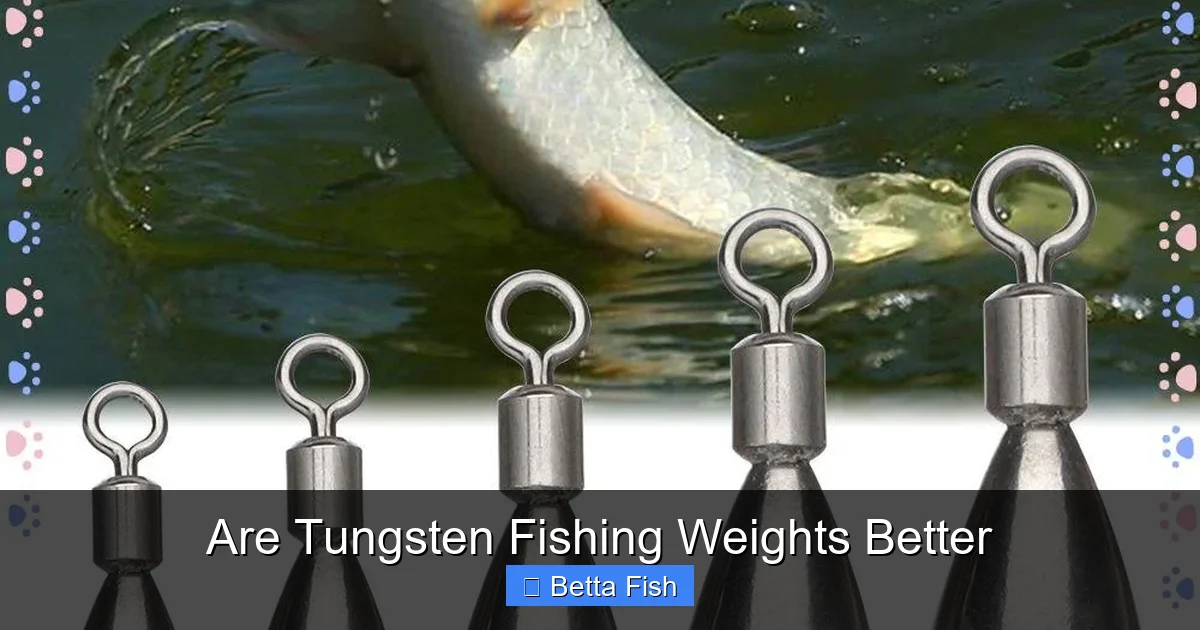
Curious whether tungsten fishing weights outperform traditional lead weights? This guide breaks down the advantages, drawbacks, and practical tips so you can decide if switching to tungsten will boost your fishing success. Read on for easy‑to‑follow advice and expert insights.
Key Takeaways
- Density advantage: Tungsten is nearly twice as dense as lead, letting you use smaller weights for the same sink rate.
- Environmental benefit: Tungsten is non‑toxic, making it safer for waterways and wildlife.
- Cost consideration: Tungsten weights cost more up‑front, but their durability can offset the price over time.
- Application matters: For deep‑water or fast‑current fishing, tungsten often outperforms lead, while casual surface fishing may not need the extra density.
- Compatibility: Most rigs accept tungsten weights, but some specialized rigs may require lead‑shaped designs.
- Maintenance tip: Clean tungsten weights with mild soap to keep them bright and prevent algae buildup.
- Eco‑friendly choice: Switching to tungsten helps reduce lead contamination in popular fishing spots.
📑 Table of Contents
- Introduction: Why the Weight Debate Matters
- What Makes Tungsten Different?
- When Tungsten Weights Shine
- Potential Drawbacks of Tungsten
- How to Choose the Right Weight for Your Needs
- Practical Tips for Using Tungsten Weights
- Environmental Impact: A Deeper Look
- Real‑World Example: A Day on the Gulf Coast
- Conclusion: Are Tungsten Fishing Weights Better?
- Related Reading
Introduction: Why the Weight Debate Matters
When you cast a line, the weight you choose is the silent hero that determines how fast your bait reaches the fish. For decades, anglers have relied on lead because it’s cheap and easy to find. But lead has a dark side: it’s toxic, it can rust, and it often forces you to use larger pieces to get the sink rate you need.
Enter tungsten. This metal is denser than lead, more environmentally friendly, and increasingly popular among serious anglers. The big question on every fisherman’s mind is simple: are tungsten fishing weights better than the old‑school lead options? In this article we’ll weigh the pros and cons, look at real‑world scenarios, and give you clear guidance on when to make the switch.
What Makes Tungsten Different?
Density and Sink Rate
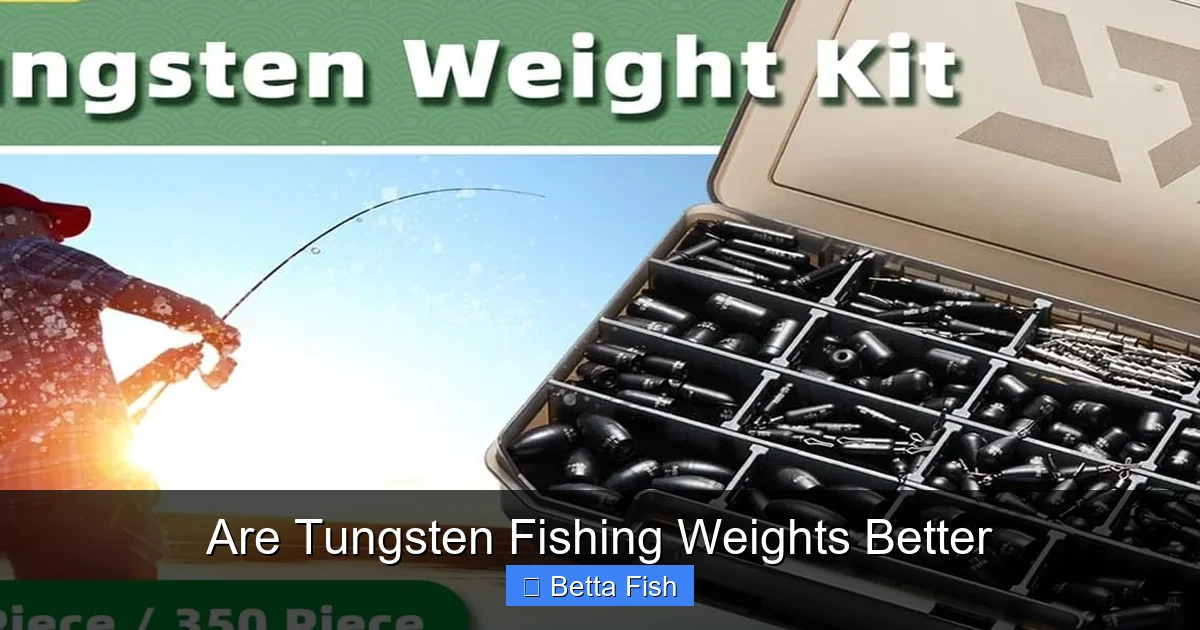
Tungsten’s density is about 19.3 g/cc, nearly double lead’s 11.3 g/cc. This means a 2‑gram tungsten weight sinks as fast as a 4‑gram lead weight. For anglers, that translates into smaller, less visible weights that still get your bait down quickly.
Visual guide about Are Tungsten Fishing Weights Better
Image source: m.media-amazon.com
Non‑Toxic Nature
Lead can leach into water, harming fish and other wildlife. Tungsten is inert and does not dissolve, making it a safer choice for lakes, rivers, and coastal waters. If you care about preserving the environment, this is a huge plus.
Durability and Corrosion Resistance
Tungsten does not rust like some lead alloys. It holds its shape even after repeated drops on rocks or the bottom. Over time, you’ll notice fewer broken or deformed weights, which saves money on replacements.
When Tungsten Weights Shine
Deep‑Water and Offshore Fishing
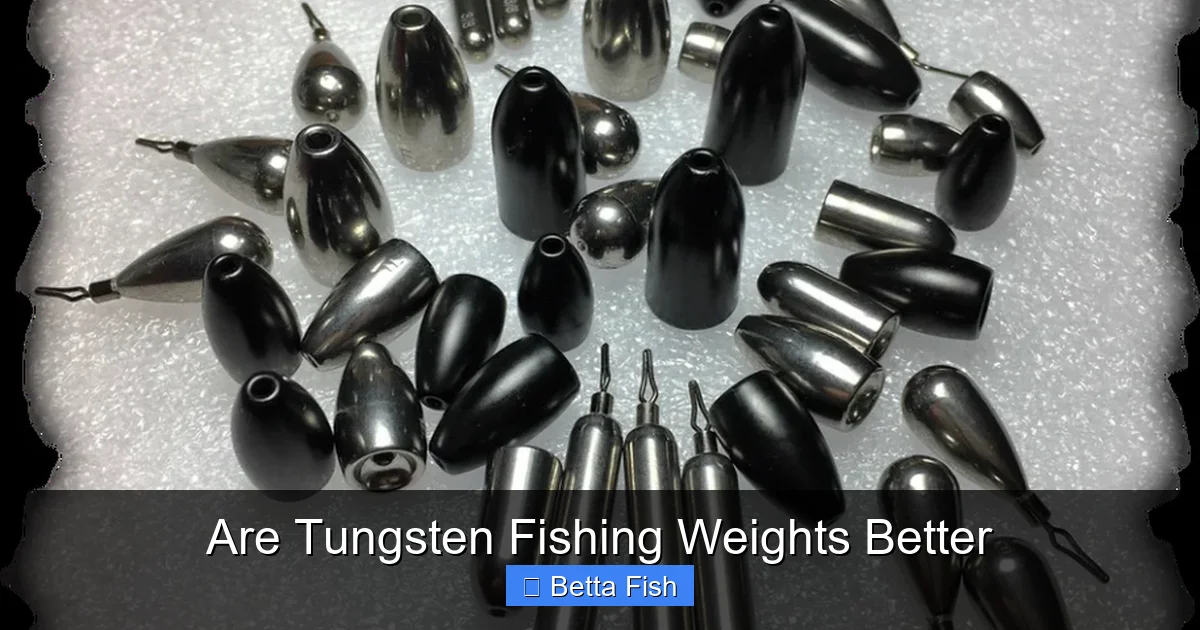
If you’re targeting species that live 30 feet or deeper, a fast‑sinking weight is essential. Tungsten’s superior density lets you reach those depths quickly, keeping your bait in the strike zone before currents whisk it away.
Visual guide about Are Tungsten Fishing Weights Better
Image source: tungstenfishingweights.com
Fast Currents and High Flow Areas
In rivers or tidal zones where water moves fast, a heavier weight helps keep your line stable. Because you can use a smaller tungsten weight for the same pull, you reduce drag and keep your presentation natural.
Stealth Situations
Predatory fish are often spooked by large, shiny weights. A compact tungsten weight is less visible, especially in clear water. This stealth factor can be the difference between a bite and a missed opportunity.
Potential Drawbacks of Tungsten
Higher Initial Cost
One of the most common complaints is price. Tungsten weights can cost 2–3 times more than lead. However, because they last longer and you need less material, many anglers find the long‑term value justifies the expense.
Visual guide about Are Tungsten Fishing Weights Better
Image source: assets.wired2fish.com
Limited Availability in Some Sizes
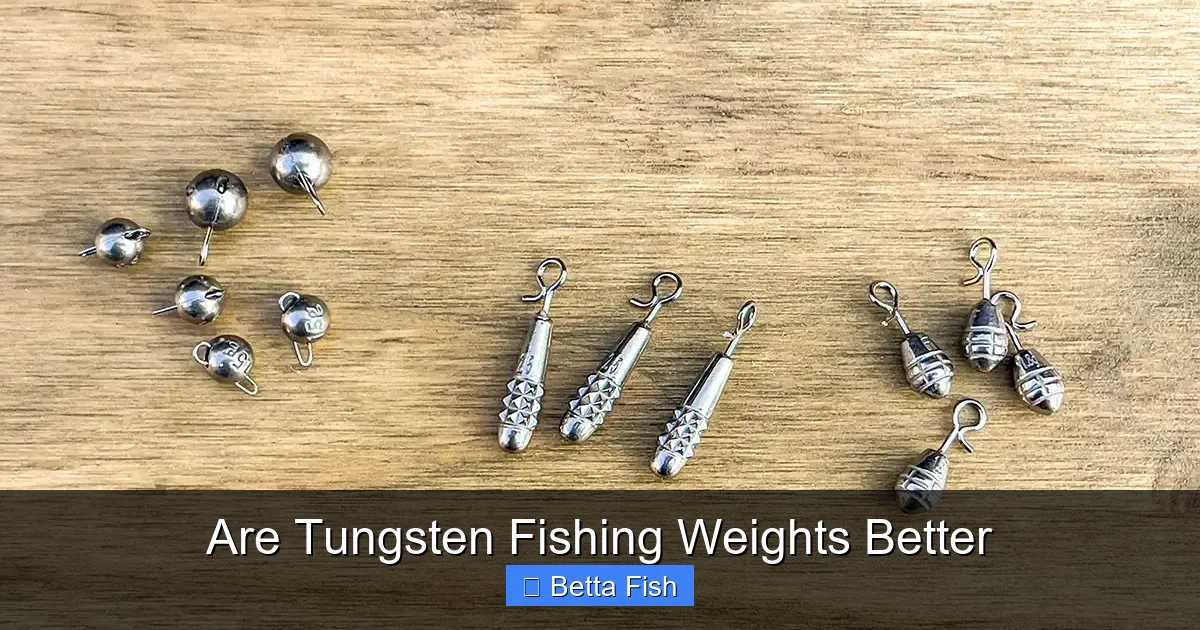
While lead comes in almost every size imaginable, tungsten is often sold in standard increments (e.g., 1 g, 2 g, 5 g). If you need a very specific weight, you might need to combine several pieces or stick with lead for that particular rig.
Rig Compatibility
Most rigs can accommodate tungsten, but some specialty rigs—like certain drop‑shot or Texas rigs—are designed around the shape of lead. In those cases, you may need to purchase tungsten weights that mimic the lead shape, which can be pricier.
How to Choose the Right Weight for Your Needs
Assess Your Fishing Environment
Ask yourself: Are you fishing in deep water, fast currents, or calm surface ponds? For deep or fast water, tungsten is usually the better choice. For calm, shallow water, lead may be perfectly adequate.
Match Weight to Bait Size
Heavy weights can crush soft baits or cause unnatural movement. Pair a small tungsten weight with a lightweight soft plastic to keep the bait’s action natural.
Budget Planning
If you’re on a tight budget, start by buying a small batch of tungsten weights for your most demanding rigs. Use lead for everyday, low‑stakes fishing. Over time, you’ll see if the performance boost is worth expanding your tungsten collection.
Try a Hybrid Approach
Many anglers keep both lead and tungsten on hand. Use tungsten for deep‑water or high‑current scenarios, and switch to lead for casual, surface‑level fishing. This hybrid strategy gives you flexibility without breaking the bank.
Practical Tips for Using Tungsten Weights
Cleaning and Maintenance
After each trip, rinse tungsten weights in fresh water and wipe them dry. A mild dish soap solution removes any algae or mud, keeping the metal shiny and preventing buildup that could affect sink rate.
Storing Properly
Store weights in a dry container with a soft lining to avoid scratches. While tungsten is hard, scratches can create tiny pits where algae can cling.
Testing Sink Rate
Before heading out, drop a weight into a bucket of water. If it sinks too fast for your bait, add a small lead weight to fine‑tune the rate. This simple test ensures your rig is balanced.
Integrating with Existing Rigs
Most drop‑shot and jig rigs accept tungsten without modification. For rigs that require a specific shape, look for “tungsten‑coated lead” options that combine the best of both worlds.
Environmental Impact: A Deeper Look
Lead poisoning has been linked to declines in fish populations, especially in heavily fished lakes. By switching to tungsten, you help reduce the amount of toxic metal entering the water. Many conservation groups now recommend non‑toxic weights for recreational anglers. If you’re passionate about protecting the ecosystems you love, choosing tungsten is a simple yet effective step.
Real‑World Example: A Day on the Gulf Coast
Imagine you’re fishing off the west coast of Florida, targeting red snapper in 40‑foot water with a strong Gulf current. Using a 5 g lead weight, your bait drifts slowly and often gets swept away. Switching to a 2.5 g tungsten weight gives you the same sink speed, but the smaller profile lets the bait stay on target longer. The result? More strikes and a healthier catch rate, all while keeping the water free of lead contamination.
Conclusion: Are Tungsten Fishing Weights Better?
So, are tungsten fishing weights better? The answer is both yes and no—it depends on your fishing style, environment, and budget. For deep‑water, fast‑current, or environmentally conscious anglers, tungsten offers clear advantages in density, stealth, and durability. For casual, shallow‑water fishing, lead still does the job well and costs less.
Ultimately, the best approach is to evaluate your typical fishing scenarios and try a few tungsten weights on a trial basis. If you notice improved sink rates, better presentations, and a cleaner water footprint, you’ll likely find that the extra cost pays off in both fish and peace of mind.
Related Reading
- Which Is Better Inshore Or Offshore Fishing – Learn how weight choice varies between inshore and offshore environments.
- Is Fishing Better On The East Or West Of Florida – Discover regional differences that affect weight selection.
- Which Is Better 1 Piece Or 2 Piece Fishing Rod – Find out how rod design pairs with weight type for optimal performance.
Frequently Asked Questions
Do tungsten weights sink faster than lead?
Yes. Because tungsten is almost twice as dense as lead, a smaller tungsten weight can achieve the same sink rate as a larger lead weight.
Are tungsten weights safe for the environment?
Absolutely. Tungsten does not leach toxic substances into water, making it a non‑hazardous alternative to lead.
Will tungsten weights work with any fishing rig?
Most rigs accept tungsten, but some specialty rigs designed for lead shapes may need tungsten weights that mimic the original shape.
How much more do tungsten weights cost?
Typically 2–3 times the price of comparable lead weights, though their longer lifespan can offset the higher upfront cost.
Can I mix lead and tungsten on the same line?
Yes. Many anglers combine a small tungsten weight with a lead weight to fine‑tune sink rates while keeping costs down.
How do I clean tungsten weights?
Rinse them in fresh water after each use and wipe with a mild soap solution to remove algae or mud.