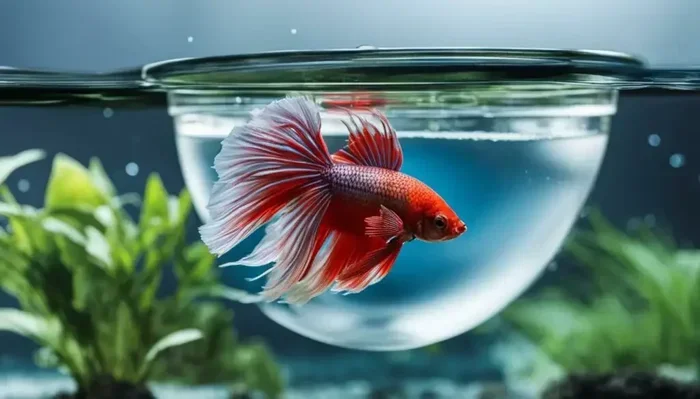
Is Betta Fish Tropical
Yes, betta fish are tropical freshwater fish that thrive in warm waters between 76-82°F. Understanding their tropical nature helps you create the perfect home for your betta. This guide covers everything from their native habitat to ideal tank conditions.
Is betta fish tropical? This is one of the most common questions new fish owners ask. The short answer is yes. Betta fish are tropical freshwater fish that come from warm climates in Southeast Asia. Knowing this fact changes everything about how you care for your pet betta.
Many people think bettas can live in cold water bowls or unheated tanks. That is a dangerous myth. Betta fish need warm, stable water temperatures just like other tropical species. When you understand their tropical origins, you give your fish a much better life.
In this guide, we will explore everything about betta fish and their tropical nature. We will look at where they come from, what temperatures they need, and how to set up the perfect tank. By the end, you will know exactly how to keep your betta healthy and happy.
Key Takeaways
- Betta fish are tropical: They naturally live in warm, slow-moving waters in Southeast Asia.
- Temperature matters: Keep your betta tank between 76-82°F for optimal health.
- Betta fish are freshwater fish: They need freshwater conditions, not saltwater environments.
- Tank setup is crucial: A proper tropical aquarium setup supports your betta’s well-being.
- Betta fish care starts with knowledge: Understanding their tropical origins helps you make better care decisions.
- Not all tropical fish mix well: Choose tank mates carefully for your betta.
📑 Table of Contents
- What Makes a Fish Tropical?
- Where Do Betta Fish Come From?
- What Temperature Does a Betta Fish Need?
- How to Set Up a Tropical Betta Tank
- Can Betta Fish Live With Other Tropical Fish?
- Common Mistakes About Betta Fish Care
- Why Understanding Betta’s Tropical Nature Matters
- Final Thoughts on Is Betta Fish Tropical
What Makes a Fish Tropical?
Before we dive deeper into the question is betta fish tropical, let us understand what makes any fish tropical. Tropical fish live in warm regions near the equator. These areas have consistent warm temperatures year-round. The water stays between 74-82°F in their natural homes.
Tropical fish have adapted to these warm conditions over thousands of years. Their bodies work best in heated water. Cold water can slow their metabolism and make them sick. This is true for most tropical species including bettas.
Not all freshwater fish are tropical. Some fish, like goldfish, prefer cooler water. Betta fish clearly fall into the tropical category. They need warm water to thrive and stay active.
The Science Behind Tropical Fish Biology
Tropical fish have a specific metabolism that works best in warm water. When water temperatures drop too low, their body functions slow down. This can lead to serious health problems. For betta fish, cold water weakens their immune system.
Warm water also helps with digestion. Betta fish digest food more efficiently in tropical temperatures. This means better nutrient absorption and stronger overall health. Keeping your betta in proper tropical conditions is not optional. It is essential for their survival.
Where Do Betta Fish Come From?
Betta fish, also known as Siamese fighting fish, originate from Southeast Asia. They live in warm tropical regions including Thailand, Cambodia, Vietnam, and Malaysia. These areas have hot, humid climates with warm standing water.
In the wild, bettas live in shallow waters. They are found in rice paddies, flood plains, and slow-moving streams. These environments are warm and tropical all year long. The water temperature rarely drops below 75°F in their natural habitat.
Understanding the betta fish natural habitat helps you recreate those conditions at home. Your tank should mimic their tropical homeland. This means warm water, gentle flow, and plenty of places to hide and explore.
Betta Fish Origins in Southeast Asia
The betta fish species has been around for centuries in tropical Asia. People in Thailand and Cambodia have kept bettas for over 150 years. They were first bred for their fighting spirit and vibrant colors.
Wild bettas live in diverse tropical environments. Some inhabit shallow ponds that dry up during certain seasons. Others live in slow rivers and streams with warm, calm water. These natural conditions shaped the betta into the hardy tropical fish we know today.
Even though bettas are bred in captivity now, their tropical nature remains unchanged. They still need the same warm water conditions their ancestors had. This is why a heated tank is so important for betta care.
What Temperature Does a Betta Fish Need?
The ideal temperature for betta fish is between 76-82°F. This range keeps them healthy, active, and colorful. If the water drops below 74°F, your betta may become stressed. Temperatures below 70°F can be life-threatening.
Because bettas are tropical fish, they need a heater in their tank. Many beginners make the mistake of skipping this essential equipment. A small aquarium heater maintains a stable tropical temperature for your betta.
Temperature fluctuations are just as dangerous as cold water. Sudden changes stress your fish and weaken their immune system. Use a reliable thermometer to monitor your tank temperature daily.
Best Temperature Range for Betta Fish
Here is a simple breakdown of betta temperature zones:
- Ideal Range (76-82°F): Your betta thrives in this zone. They are active and eat well.
- Acceptable Range (74-76°F): Your betta survives but may be less active.
- Danger Zone (Below 74°F): Health risks increase. Your betta may develop diseases.
- Critical Zone (Below 70°F): This can be fatal. Immediate action is needed.
- Too Hot (Above 84°F): Stress and oxygen loss become concerns.
Investing in a good aquarium heater is the best thing you can do for your tropical betta. A heater with a thermostat keeps the water at a steady temperature. This gives your fish a stable and comfortable environment.
How to Set Up a Tropical Betta Tank
Setting up a proper tropical tank for your betta is easier than you think. The key is to recreate their natural warm water habitat. Here are the essential steps to build a great home for your betta fish.
Tank Size and Shape
A minimum tank size of 5 gallons is recommended for a single betta. While bettas are small fish, they need space to swim and explore. A larger tank also helps maintain stable water temperature. This is important for tropical fish care.
Avoid tiny bowls and vases. These do not provide enough room or stable conditions. A proper tank with a heater and filter gives your betta the best chance at a long, healthy life.
Heating and Filtration
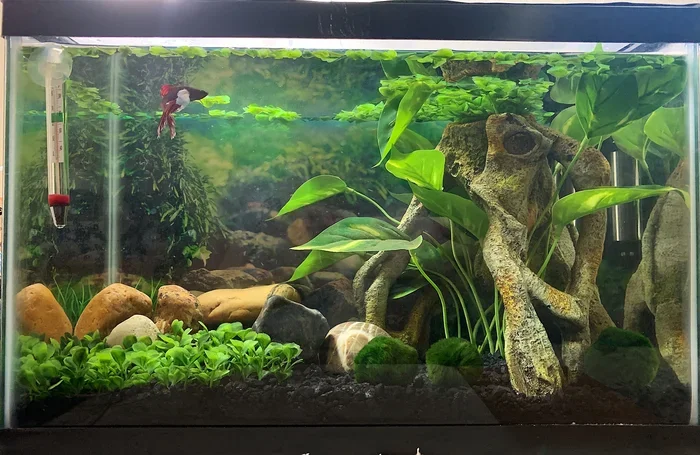
A small submersible heater is a must for any betta tank. Set it to maintain 78°F, which is right in the middle of the ideal range. Choose a heater with a built-in thermostat for automatic temperature control.
Filtration keeps the water clean and safe. However, bettas prefer gentle water flow. Strong filters can tire them out. Use a sponge filter or adjust the output to create a calm tropical environment.
Decor and Plants
Betta fish love plants and hiding spots. Live plants like java fern and anubias work great. They also help maintain water quality in your tropical setup. Add caves, driftwood, and soft substrate to make your betta feel at home.
Avoid sharp decorations. Betta fins are long and delicate. Smooth, natural decorations create a beautiful and safe tropical aquarium for your fish.
Can Betta Fish Live With Other Tropical Fish?
This is a common question among fish keepers. The answer depends on the tank setup and the other fish species. Bettas can sometimes live with certain tropical fish, but it requires careful planning.
Because bettas are tropical freshwater fish, they share many habitat needs with other tropical species. However, bettas can be territorial, especially males. Choosing the right tank mates is critical for success.
Peaceful bottom dwellers like corydoras and small tetras often work well. Always research any fish before adding them to your betta tank. A well-planned tropical community tank can be beautiful and harmonious.
Good Tank Mates for Bettas
Here are some tropical fish that often do well with bettas:
- Corydoras catfish: Peaceful bottom dwellers that stay in warm water.
- Neon tetras: Small, colorful fish that mind their own business.
- Snails: Help clean algae without bothering your betta.
- Kuhli loaches: Peaceful and active in tropical community tanks.
Always monitor your fish when introducing new tank mates. Watch for signs of stress or aggression. A calm and well-maintained tropical aquarium keeps everyone healthy.
Common Mistakes About Betta Fish Care
Many new betta owners make avoidable mistakes. Understanding that betta fish are tropical helps prevent these common errors. Let us look at the biggest care mistakes and how to fix them.
Skipping the Heater
The most common mistake is keeping a betta in an unheated tank. Some people think bettas can live in cold water bowls. This is false. Betta fish are tropical and need consistent warm water. Without a heater, your fish will become stressed and prone to illness.
Overfeeding
Bettas are small fish with small stomachs. Overfeeding leads to obesity and poor water quality. Feed your betta small amounts twice a day. Remove any uneaten food after a few minutes. This keeps the tropical tank clean and your fish healthy.
Using the Wrong Water
Tap water contains chlorine and other chemicals harmful to fish. Always use a water conditioner before adding water to your tank. This removes toxins and makes the water safe for your tropical betta. Regular water changes keep the tank environment fresh and stable.
Ignoring Water Parameters
Beyond temperature, bettas need proper pH and water hardness. The ideal pH for bettas is between 6.5 and 7.5. Test your water regularly with a reliable test kit. Keeping stable water parameters is essential for any tropical fish setup.
Why Understanding Betta’s Tropical Nature Matters
Knowing that betta fish are tropical gives you an advantage as a fish owner. It guides every decision you make about their care. From tank setup to feeding habits, tropical needs come first.
When you treat your betta as the tropical fish it is, you create conditions for a long and healthy life. The average betta lifespan is 3-5 years, but with proper tropical care, some bettas live even longer. Your fish will show better colors, more energy, and a stronger appetite.
Take the time to learn about tropical fish keeping. The more you know about your betta’s natural needs, the better caregiver you become. Your effort pays off in a happy, vibrant fish that brings joy to your home.
Final Thoughts on Is Betta Fish Tropical
The answer to is betta fish tropical is a clear and definitive yes. Betta fish are tropical freshwater fish that need warm water, proper tank conditions, and attentive care. Understanding their tropical origins helps you provide the best possible home for your pet.
Keep your tank between 76-82°F, use a heater, and maintain clean water. Choose appropriate tank mates and feed a balanced diet. These simple steps honor your betta’s tropical nature and set them up for a thriving life.
Whether you are a beginner or an experienced fish keeper, always remember the tropical needs of your betta. A well-maintained tropical aquarium is a joy to own and a healthy home for your beautiful fish.
Frequently Asked Questions
Can betta fish live in cold water?
No, betta fish cannot live in cold water. They are tropical fish that need warm water between 76-82°F. Cold water weakens their immune system and can lead to serious illness or death.
What kind of water do betta fish need?
Betta fish need warm freshwater that is conditioned and free of chlorine. The water temperature should stay between 76-82°F. Using a water conditioner removes harmful chemicals from tap water.
Do betta fish need a heater?
Yes, betta fish need a heater in their tank. They are tropical fish that require consistent warm water temperatures. A small aquarium heater set to 78°F keeps your betta healthy and comfortable.
Can betta fish live with other tropical fish?
Yes, bettas can sometimes live with other tropical fish. Choose peaceful species that enjoy similar warm water conditions. Always research compatibility before adding new fish to your betta tank.
What is the best tank size for a betta fish?
A 5-gallon tank is the minimum recommended size for a single betta fish. Larger tanks provide more stable water conditions and room for your betta to swim. A bigger tropical aquarium also makes it easier to maintain proper temperature.
Why is my betta fish not eating?
There are many reasons a betta might stop eating. Cold water temperature is a common cause since bettas are tropical fish. Stress, illness, and poor water quality can also affect their appetite. Check your tank temperature first and make sure it is in the ideal range of 76-82°F.