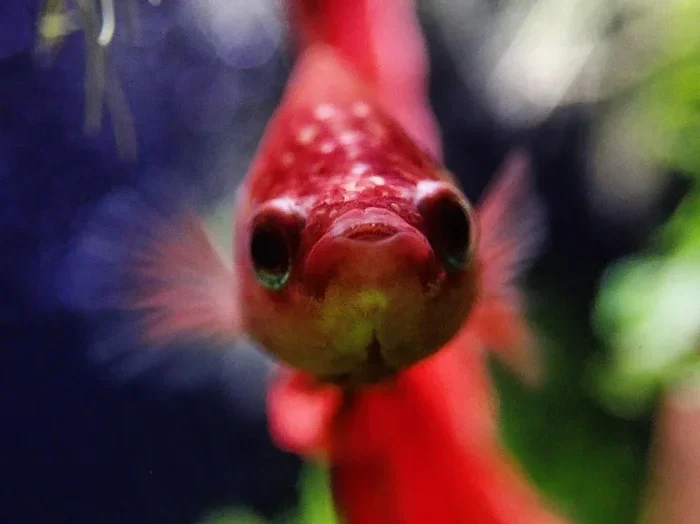
Can Girl Bettas Live with Other Fish

Female bettas can live with other fish, but success depends on choosing the right tank mates, providing enough space, and monitoring behavior. Unlike their male counterparts, girl bettas are generally less aggressive and can even coexist with other female bettas in groups known as sororities. However, careful planning and a well-structured aquarium are essential to keep everyone happy and stress-free.
[FEATURED IMAGE_PLACEHOLDER]
Key Takeaways
- Female bettas are less aggressive than males: They are generally more tolerant of other fish, making them better candidates for community tanks.
- Choosing the right tank mates is crucial: Avoid fin-nippers and aggressive species; opt for peaceful, similarly-sized fish.
- Tank size matters: A minimum of 20 gallons is recommended for a female betta community to provide adequate territory and reduce stress.
- Plenty of hiding spots are essential: Plants, caves, and decorations help break lines of sight and give fish places to retreat.
- Sororities are possible but risky: Groups of 5+ female bettas can work, but require close monitoring and a heavily planted tank.
- Individual temperament varies: Every betta has a unique personality; some may never tolerate tank mates, so always have a backup plan.
- Regular monitoring is key: Watch for signs of aggression or stress, especially during the first few weeks after introducing new fish.
📑 Table of Contents
- Introduction: Can Girl Bettas Live with Other Fish?
- Understanding Female Betta Temperament
- Best Tank Mates for Female Bettas
- Setting Up the Perfect Community Tank
- Introducing New Fish to Your Betta
- Common Mistakes to Avoid
- Long-Term Care and Maintenance
- Conclusion: Building a Happy Home for Your Girl Betta
Introduction: Can Girl Bettas Live with Other Fish?
If you have ever admired the flowing fins and vibrant colors of a female betta fish, you have probably wondered whether she could share her space with other fish. It is one of the most common questions new and experienced betta keepers ask. The good news? Female bettas are generally more social and less territorial than males, which means the answer is often a hopeful yes.
However, simply tossing a girl betta into a tank with random fish and hoping for the best is a recipe for disaster. There are several factors to consider, including the betta’s individual temperament, the size of your tank, and the types of fish you plan to introduce. In this guide, we will walk you through everything you need to know about whether female bettas can live with other fish and how to set up a thriving community aquarium.
By the end of this article, you will have a clear understanding of which tank mates work best, which ones to avoid, and the steps you need to take to create a peaceful underwater world for your girl betta and her potential companions.
Understanding Female Betta Temperament
How Female Bettas Differ from Males
Male bettas are infamous for their aggressive nature. In the wild, they defend large territories and will fight other males to the death. This reputation has led many people to believe all bettas are solitary and hostile. But female bettas tell a different story.
Girl bettas are typically less aggressive and more tolerant of other fish. They still have territorial instincts, but these are usually milder. In many cases, female bettas can coexist peacefully with other species as long as their basic needs are met and their environment is set up correctly.
Individual Personality Matters
That said, every betta has a unique personality. Some female bettas are incredibly docile and will happily share a tank with a variety of tank mates. Others may be feisty and prefer to rule their domain alone. There is no guaranteed way to know your betta’s temperament until you introduce her to a community setting and observe her behavior.
This is why it is so important to have a backup plan. Always be prepared to separate fish if aggression occurs. A spare tank or divider can save lives and prevent unnecessary stress for your aquatic pets.
The Sorority Concept
One fascinating aspect of female betta behavior is the possibility of keeping them in groups, known as betta sororities. A sorority typically consists of five or more female bettas housed together in a single tank. The idea is that aggression is spread across multiple fish rather than focused on one target.
While sororities can be beautiful and rewarding, they are not for beginners. They require a large tank, heavy planting, and constant vigilance. If you are interested in learning more about this setup, it helps to first understand the basics of whether betta fish can live with other betta fish.
Best Tank Mates for Female Bettas
Peaceful Community Fish
The best tank mates for female bettas are peaceful, non-aggressive fish that occupy different areas of the tank. Look for species that are not known fin-nippers, as betta fins are long and tempting targets. Here are some excellent options:
- Ember Tetras: These tiny, peaceful fish are a great choice. They stay small, are not aggressive, and their subdued coloration does not trigger betta aggression.
- Harlequin Rasboras: Active but gentle, rasboras make wonderful companions. They tend to school in the middle of the tank, staying out of the betta’s preferred top-level territory.
- Corydoras Catfish: These bottom-dwelling scavengers are peaceful and help keep the tank clean. They mind their own business and rarely bother bettas.
- Kuhli Loaches: These quirky, eel-like fish are nocturnal and spend most of their time hiding. They are an excellent addition to a betta community tank.
- Neon Tetras: A classic choice for community tanks, neon tetras are small, fast, and generally ignored by bettas. Just keep them in groups of six or more for their own comfort.
When selecting tank mates, always research each species thoroughly. For a more detailed breakdown of compatible species, check out our guide on what other fish can bettas live with.
Invertebrates as Tank Mates
Fish are not the only option when it comes to tank mates. Many invertebrates make excellent companions for female bettas:
- Amano Shrimp: These larger shrimp are great algae eaters and are usually too big for bettas to bother.
- Ghost Shrimp: Affordable and interesting to watch, ghost shrimp can coexist with bettas, though some bettas may see smaller ones as snacks.
- Mystery Snails: These colorful snails are peaceful, hardy, and help keep algae under control.
- Nerite Snails: Another excellent snail option, nerites are known for their beautiful shells and algae-eating abilities.
Keep in mind that some bettas are more predatory than others. If your girl betta has a strong hunting instinct, shrimp may not be the safest choice. Always observe interactions closely during the first few days.
Fish to Avoid
Just as important as knowing which fish to add is knowing which ones to avoid. Stay away from the following types of fish:
- Other male bettas: Never house a female betta with a male unless for supervised breeding purposes.
- Guppies: Their bright colors and flowing fins can trigger aggression in bettas.
- Fin-nipping species: Tiger barbs, serpae tetras, and some types of danios are known to nip at long fins.
- Aggressive cichlids: Most cichlids are too territorial and aggressive for a betta community.
- Goldfish: Goldfish require cooler water and produce too much waste to be compatible with bettas.
Setting Up the Perfect Community Tank
Tank Size and Shape
One of the most important factors in creating a successful community tank is size. A small tank increases stress and aggression because fish cannot establish their own territories. For a female betta with tank mates, a minimum of 20 gallons is recommended. Larger is always better.
A long tank is preferable to a tall one because it provides more horizontal swimming space. Bettas prefer the top of the water column, so a longer tank gives other fish room to occupy the middle and bottom levels without encroaching on the betta’s space.
Filtration and Water Parameters
Bettas thrive in warm, clean water with a temperature between 76 and 82 degrees Fahrenheit. The pH should be between 6.5 and 7.5. A gentle filter is essential because bettas do not appreciate strong currents. Sponge filters are an excellent choice for betta tanks because they provide biological filtration without creating too much flow.
Regular water changes are crucial. Aim to change 25 to 30 percent of the water every week to keep ammonia and nitrate levels in check. Clean water reduces stress and helps prevent disease, which is especially important in a community setting.
Plants and Decorations
A well-decorated tank is not just visually appealing. It is essential for reducing aggression and stress. Live plants, caves, driftwood, and other decorations create hiding spots and break up lines of sight. This is critical because it allows fish to escape from each other if tensions rise.
Some of the best plants for a betta community tank include Java fern, Anubias, Amazon sword, and floating plants like frogbit or water lettuce. Floating plants are particularly beneficial because bettas love to rest near the surface and appreciate the cover they provide.
Avoid decorations with sharp edges that could tear your betta’s delicate fins. Silk plants are a good alternative if you prefer artificial decorations, as they are soft and pose no risk of injury.
Introducing New Fish to Your Betta
The Quarantine Process
Before adding any new fish to your betta’s tank, it is wise to quarantine them for at least two weeks. This helps prevent the introduction of diseases or parasites. A simple quarantine tank with a heater and sponge filter is all you need.
During quarantine, observe the new fish for any signs of illness, such as white spots, clamped fins, or unusual behavior. Only introduce fish to the main tank once you are confident they are healthy.
Gradual Introduction
When you are ready to introduce new fish, do it gradually. One effective method is to place the new fish in a clear container or breeder box inside the tank for a few hours. This allows the betta and the new arrivals to see each other without physical contact.
After this initial introduction, release the new fish into the tank during a quiet time, such as in the evening when the lights are dimmed. Monitor the tank closely for the first few hours and watch for any signs of aggression.
What to Watch For
Some initial chasing and flaring is normal as the betta establishes her territory. However, persistent aggression, nipping, or stress signals like faded colors and hiding are red flags. If aggression does not subside within a day or two, you may need to separate the fish.
Signs of a happy, healthy community include active swimming, normal eating habits, and no visible injuries. If all fish are behaving normally, you have successfully created a peaceful community tank.
Common Mistakes to Avoid
Overcrowding the Tank
One of the biggest mistakes new aquarists make is adding too many fish too quickly. Overcrowding leads to poor water quality, increased stress, and heightened aggression. Always stock your tank slowly, adding a few fish at a time and allowing the biological filter to adjust.
A general rule of thumb is one inch of fish per gallon of water, but this is a rough guideline. Consider the adult size of each species, their activity level, and their waste production when planning your stocking levels.
Ignoring Water Quality
Poor water quality is the root cause of many aquarium problems. Neglecting water changes, overfeeding, or using an inadequate filter can lead to ammonia spikes, disease outbreaks, and stressed fish. Invest in a reliable water testing kit and check your parameters regularly.
Choosing Incompatible Species
Not all peaceful fish are good betta tank mates. Even generally calm species can cause problems if they are too colorful, too active, or occupy the same space as the betta. Always research compatibility before purchasing any new fish.
For example, while neon tetras are often recommended, some bettas may chase them relentlessly. Similarly, gouramis are closely related to bettas and can trigger territorial behavior. When in doubt, consult a compatibility guide or ask experienced aquarists for advice.
Skipping the Backup Plan
Even with the best planning, things can go wrong. Always have a backup plan in place before introducing new fish. This could be a spare tank, a tank divider, or a friend who can take in a fish if needed. Being prepared can prevent a minor issue from becoming a major disaster.
Long-Term Care and Maintenance
Feeding Your Community
A well-fed betta is a happy betta. Feed your female betta a varied diet of high-quality betta pellets, frozen or live foods like bloodworms and brine shrimp, and occasional treats. Feed once or twice a day, offering only what she can consume in two to three minutes.
Make sure all tank mates are also getting appropriate food. Bottom feeders like corydoras may need sinking pellets or wafers, while mid-level fish will eat flakes or small pellets. Observing feeding time ensures every fish in the tank is getting enough nutrition.
Monitoring Behavior Over Time
Even after a successful introduction, continue to monitor your tank regularly. Fish behavior can change over time due to maturity, illness, or shifts in the tank’s social dynamics. Early detection of problems allows you to intervene before serious harm occurs.
Keep an eye out for changes in eating habits, unusual hiding, faded colors, or physical injuries. These can all be signs of stress or illness that need to be addressed promptly.
Maintaining a Healthy Environment
Consistency is key to long-term success. Stick to a regular schedule for water changes, filter maintenance, and feeding. Avoid making sudden changes to the tank, such as rearranging decorations or changing the lighting schedule, as these can stress your fish.
Perform partial water changes weekly, clean the filter media monthly, and replace it only when necessary. Over-cleaning can disrupt the beneficial bacteria that keep your tank’s ecosystem balanced.
Conclusion: Building a Happy Home for Your Girl Betta
So, can girl bettas live with other fish? The answer is a resounding yes, with the right approach. Female bettas are more adaptable and less aggressive than their male counterparts, making them excellent candidates for community tanks. By choosing compatible tank mates, providing a spacious and well-decorated environment, and monitoring behavior closely, you can create a beautiful and harmonious aquarium.
Remember that every betta is unique. What works for one may not work for another. Patience, observation, and a willingness to adapt are your best tools. Start with a few peaceful tank mates, give everyone time to adjust, and enjoy the process of building a thriving underwater community.
Whether you are setting up your first community tank or adding to an existing one, the journey of keeping female bettas with other fish is incredibly rewarding. With the knowledge from this guide, you are well-equipped to make informed decisions and provide the best possible home for your aquatic friends.
Frequently Asked Questions
Are female bettas more peaceful than male bettas?
Yes, female bettas are generally less aggressive than males. While they can still be territorial, they are typically more tolerant of other fish and are better suited for community tanks.
Can I keep multiple female bettas together?
Yes, you can keep a group of five or more female bettas together in what is called a sorority. However, this requires a large, heavily planted tank and close monitoring to prevent bullying and aggression.
What is the best tank size for a female betta with tank mates?
A minimum of 20 gallons is recommended for a female betta community tank. Larger tanks provide more territory for each fish and significantly reduce the chances of aggression.
Can female bettas live with neon tetras?
Neon tetras are one of the most popular tank mates for female bettas. They are small, fast, and peaceful, making them a great choice. Keep them in groups of at least six for their own well-being.
How do I know if my female betta is being aggressive?
Signs of aggression include persistent chasing, flaring gills, nipping at other fish, and cornering tank mates. Some initial posturing is normal, but ongoing aggression means you may need to separate the fish.
What should I do if my female betta attacks her tank mates?
If aggression occurs, immediately separate the aggressive fish using a tank divider or move her to a spare tank. Reassess your tank setup, including size, decorations, and the compatibility of your chosen species, before trying again.