Can Betta Fish Live Together
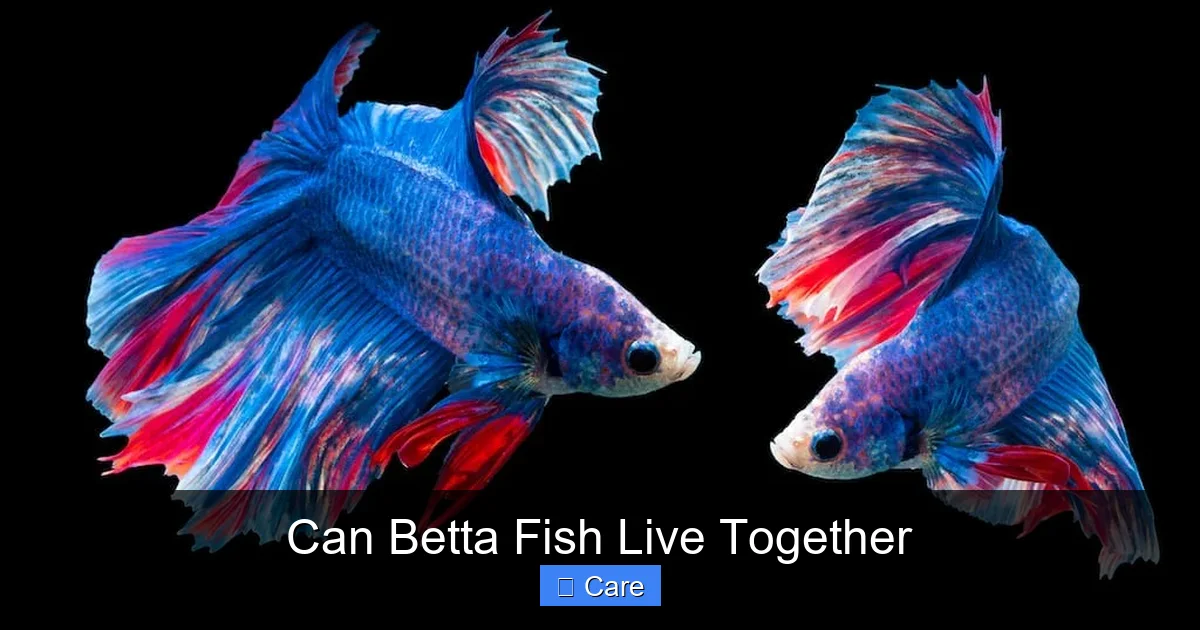
Betta fish are famously territorial, with males almost always requiring solitary tanks. However, female bettas can sometimes live together in carefully managed “sororities,” and certain other fish species may be compatible as tank mates under strict conditions. Success depends entirely on proper tank size, abundant hiding spots, careful species selection, and diligent monitoring to prevent aggression and stress.
So you’ve fallen in love with the flowing fins and vibrant colors of the betta fish. That stunning half-moon male with his brilliant blue scales looks like a masterpiece swimming in his small bowl. But then a thought creeps in: “Can betta fish live together?” It’s a natural question. After all, in the wild, bettas (Betta splendens) inhabit the shallow, slow-moving waters of Southeast Asia, often in dense vegetation. Surely they have company? The answer, like most things in the fish-keeping world, is a complex and resounding “it depends.” The short, critical answer is this: male betta fish should almost never be housed together. Female bettas have a slightly better, but still challenging, chance. And introducing other fish species as tank mates is a high-stakes game of compatibility.
This reputation for aggression—the “Siamese fighting fish” moniker isn’t a joke—has led to a common misconception that bettas are destined for lonely, solitary lives. While caution is always the wisest policy, the reality is more nuanced. With the right knowledge, setup, and a hefty dose of luck, some bettas can share their aquatic home. This guide will dive deep into the biology, the practicalities, and the hard truths of betta fish cohabitation. We’ll separate myth from reality, explore the rare scenarios where “betta fish live together” is possible, and give you the tools to make an informed, ethical decision for your finned friends.
Key Takeaways
- Male Betta Fish Are Almost Always Solitary: Male bettas (Siamese fighting fish) are highly territorial and aggressive towards other males. Keeping them together almost always results in severe injury or death, with extremely rare exceptions requiring massive, expertly designed tanks.
- Female Betta Sororities Are Possible but Demanding: Groups of 4-6 female bettas can coexist in a large, heavily planted tank (minimum 20-30 gallons) with a strict hierarchy. This is not a beginner setup and requires constant observation for bullying.
- Tank Mates Must Be Chosen with Extreme Care: Only peaceful, fast-moving, or bottom-dwelling fish that don’t resemble bettas (no long, flowing fins) are suitable. Even then, the betta’s individual personality is the ultimate deciding factor.
- Tank Size and Setup Are Non-Negotiable: For any cohabitation, the tank must be significantly larger than a standard 5-gallon betta tank. Ample visual barriers, dense planting, and multiple territories are essential to reduce stress and conflict.
- Constant Vigilance is Required: Cohabitation is an experiment, not a guarantee. You must watch for signs of stress, fin-nipping, and bullying daily and be prepared to separate fish immediately if problems arise.
- The Betta’s Personality Trumps All Rules: Some bettas are inherently more docile or more aggressive. A peaceful betta might tolerate a tank mate a rule-following betta would attack, and vice versa. You must be ready to adapt based on your specific fish’s behavior.
📑 Table of Contents
- The Myth of the Wild Betta: Understanding Their True Nature
- The Female Betta Sorority: A Delicate Balance
- Betta Tank Mates: The Compatibility Gamble
- The Essential Setup for Any Cohabitation Attempt
- Red Flags: When to Separate Immediately
- Common Mistakes and Hard Truths
- Conclusion: Respect the Fighter
The Myth of the Wild Betta: Understanding Their True Nature
To understand if betta fish can live together, we must first look past the domesticated, selectively bred beauties in our stores and consider their wild ancestors. Wild bettas are not the relentless killers their reputation suggests. They are insectivores that spend their days skulking in the dense, tangled roots and plants of rice paddies, ditches, and shallow streams. Their territory is a small patch of vegetation they defend from rivals, primarily to secure access to food and a safe place to build their bubble nest for breeding.
The Reality of Aggression
The key word here is “patch.” A wild betta’s territory is tiny, often just a few square feet of thick plant cover. If another male strays into this patch, a flare-up occurs—flaring gills, spreading fins, and posturing. Usually, one fish backs down and retreats. Prolonged, fatal fights are less common in the vast, plant-choked wild because there is always somewhere to hide and escape. In our glass boxes, there is nowhere to run. The aggression is innate, triggered by the sight of another male betta, which they perceive as a direct threat to their territory and reproductive success. This instinct has been amplified over a century of breeding for fighting (and later for show), making it a cornerstone of their behavior.
Sex Matters: A Critical Distinction
When asking “can betta fish live together,” the sex of the fish is the single most important factor. The differences between male and female betta behavior are stark:
- Males: The classic fighter. They develop long, flowing fins and vibrant colors. Their aggression towards other males is almost absolute and genetically hardwired. They will also often flare at their own reflection, perceiving it as a rival. Housing two males together is an act of profound cruelty unless you are an expert with a massive, custom-built, heavily planted tank (think 75+ gallons with multiple territories and escape routes, which is the extreme exception, not the rule).
- Females: Smaller, with shorter fins and often slightly less vibrant colors (though modern breeding has produced stunning females). In the wild, females have a loose social hierarchy and can be found in small groups. This is the foundation for the possibility of a “sorority” tank. However, even females will establish a pecking order through displays and occasional nipping, and a particularly dominant or aggressive female can bully others to death.
- Unsexed/”Fry”: Very young bettas (fry) can be kept in sibling groups for the first few months of life. However, as they mature (around 3-4 months), their sexual characteristics and territorial instincts emerge. At this point, they must be separated by sex to prevent fatal aggression.
The Female Betta Sorority: A Delicate Balance
This is the most common answer to “can betta fish live together?” for those hoping for a community. A sorority is a group of female bettas living together. It is not a casual endeavor. It is a carefully managed experiment that can go spectacularly wrong. Think of it less like a community and more like observing a complex, and sometimes brutal, social hierarchy being established.
Visual guide about Can Betta Fish Live Together
Image source: pickedbyfish.com
Tank Requirements: Bigger is Infinitely Better
The #1 reason sororities fail is undersized tanks. A common beginner mistake is thinking a 10-gallon tank is “plenty” for 4 females. It is not. The absolute minimum for a sorority is a 20-gallon long tank, and many experienced keepers insist on 29-30 gallons as the true starting point. The footprint (length and width) is more important than height, as bettas establish territories horizontally. A 20-gallon long provides about 30 inches of swimming space, allowing multiple territories to form.
The Essential Setup: Hiding Spots and Visual Barriers
In a sorority, every inch of the tank must be designed to break line-of-sight and provide escape routes. The goal is to prevent any one betta from being able to see and constantly harass another. This requires:
- Dense Planting: Live plants are ideal (Java fern, Anubias, Cryptocoryne, floating plants like frogbit or dwarf water lettuce). They create thickets and barriers. If using artificial plants, choose soft, bushy ones.
- Hardscape: Driftwood, large rocks, and ceramic pots (with entrance holes) create caves and divide the tank.
- Multiple “Focal Points”: Have several filter outflows, heaters (with covers), and decorations so no single spot is dominated by one betta.
Choosing and Introducing Your Sorority
Selecting the right females is half the battle. Choose fish from a reputable source known for temperament. At the store, avoid any that are flaring aggressively at tankmates. Prefer slightly smaller, less flashy females initially—they are often less dominant. Always start with an odd number of fish (5 or 7 is better than 4 or 6). This helps disperse aggression; if one is targeted, the others can form a temporary alliance against the bully.
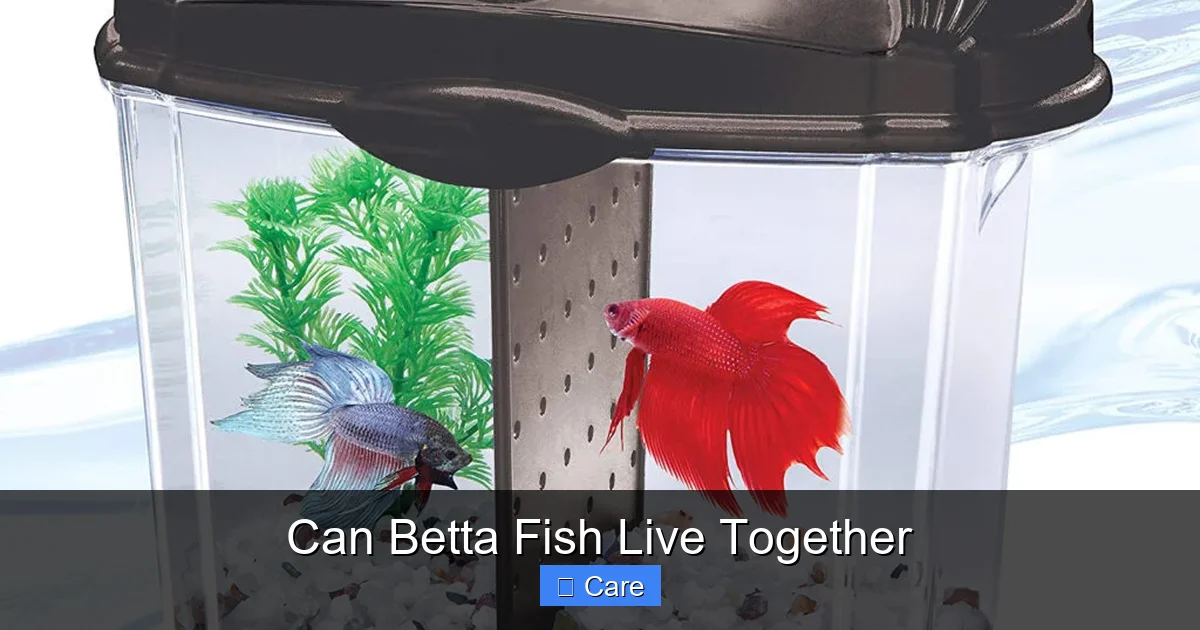
Introduction is a multi-step process. The safest method is using a tank divider for 1-2 weeks so they can see but not touch each other. Then, on a planned day, net all fish at once and place them into the prepared sorority tank simultaneously. This resets territorial claims. Be prepared for 2-3 weeks of intense squabbling as the hierarchy is established. Watch for fish being cornered, having fins nipped, or hiding constantly. Have a hospital/quarantine tank ready to remove any fish that is being relentlessly bullied or is a persistent bully.
Betta Tank Mates: The Compatibility Gamble
Can betta fish live together with other species? Yes, but the list of suitable candidates is short, and the betta’s personality is the final judge. The rules are clear:

Visual guide about Can Betta Fish Live Together
Image source: petshun.com
- No Fish with Long, Flowing Fins: Guppies, fancy goldfish, angelfish, and other bettas will be seen as rivals and attacked. The betta will try to nip their fins.
- No Brightly Colored Fish: Fish with similar coloration (like some male guppies or swordtails) can trigger aggression.
- No Slow, Peaceful Fish: A slow-moving fancy goldfish or a peaceful corydoras catfish may be terrorized by a curious or aggressive betta.
- No Fin-Nippers: Tiger barbs, serpae tetras, and some rasboras will nip at the betta’s long fins.
Potential Tank Mate Candidates
With a suitably large tank (minimum 20 gallons, heavily planted) and a betta whose personality is known to be calm, these species are often tried:
- Bottom-Dwellers: Kuhli loaches (eel-like, nocturnal, shy), Corydoras catfish (small, schooling, bottom feeders). They occupy a different area of the tank and are generally fast enough to avoid a curious betta. Avoid larger, bolder cory species like the Sterbai if your betta is skittish.
- Fast, Small Schooling Fish: Neon tetras, ember tetras, harlequin rasboras. Their speed and schooling behavior can help them avoid a betta’s attention. Caution: Tetras can sometimes be skittish and may stress out a more passive betta. Always introduce the betta to an established school, not the other way around.
- Algae Eaters and Clean-Up Crew: Amano shrimp, ghost shrimp, and Nerite snails are often excellent. They are not fish, so they don’t trigger the same territorial response. Shrimp can be eaten if the betta is hungry or particularly predatory, so provide lots of hiding places. Snails are generally safe but can be picked at.
The Introduction Protocol: A Patient Process
Never, ever just drop a new fish into a betta’s established tank. Use a divider or a separate quarantine tank for 2-4 weeks. The betta must see the new fish as a non-threatening part of the environment. The “jar method” is sometimes used: float the new fish’s container in the tank for 30 minutes to equalize temperature, then slowly add a little tank water to the container over an hour. Observe the betta’s reaction through the glass. If it flares aggressively and relentlessly, the introduction is likely doomed. If it shows mild curiosity and then ignores it, you can proceed with a net transfer (to avoid his own water). Be ready to remove the new fish at the first sign of chasing or fin-nipping.
The Essential Setup for Any Cohabitation Attempt
Whether you’re attempting a sorority or adding a single tank mate, the environment is your primary tool for success. A poorly set up tank guarantees failure.

Visual guide about Can Betta Fish Live Together
Image source: articles.hepper.com
Tank Size: The Non-Negotiable Rule
Let’s be brutally clear: a standard 5-gallon “betta tank” is for one betta, only. It is not large enough for any cohabitation. The general rule of thumb is to add at least 5-10 gallons of extra space per additional fish beyond the first betta. For a sorority of 5 females, you’re looking at 25-30+ gallons. For a betta with a small school of tetras and some shrimp, a 20-gallon long is a responsible starting point. More space dilutes aggression and provides more room for territories.
Aquascaping for Peace
The goal is to eliminate open sightlines. Your tank should look like a jungle, not an aquarium.
- Floating Plants: These are gold. They create a canopy that bettas love to rest under and block the view from the top down. They also help reduce stress by dimming the light.
- Dense Midground and Foreground: Use plants like Ludwigia, Rotala, or hairgrass to create walls. Hardscape like large, flat stones or driftwood branches can be propped up to create arches and caves.
- Multiple Heater and Filter Outflows: A single, strong outflow can create a current that stresses bettas and concentrates them in one area. Use a sponge filter (which also provides surface for beneficial bacteria and is betta-safe) or a hang-on-back filter with a spray bar to diffuse flow and create multiple gentle currents.
Feeding in a Community
Aggressive eaters can dominate feedings. Use feeding rings or target feed the betta with a pipette or tweezers while the other fish eat from the opposite side. Ensure all fish are getting their share. Overfeeding is a major water quality issue, so feed sparingly and remove any uneaten food immediately.
Red Flags: When to Separate Immediately
Even in the best setups, you must be a constant detective. Watch for these signs of stress and aggression:
- Chasing: One fish relentlessly pursuing another around the tank. Occasional chasing during hierarchy establishment is normal; constant, frantic chasing is not.
- Fin Nipping: Look for tattered, shredded, or missing fin rays on any fish, especially the betta’s or a tank mate’s. This is a direct sign of violence.
- Hiding: One or more fish spending 24/7 in the back of the tank, behind decor, or buried in substrate. They are terrified.
- Loss of Appetite: A stressed fish will often stop eating.
- Faded Colors or Clamped Fins: These are classic signs of illness and severe stress in bettas.
- Physical Injury: Any visible tears, missing scales, or sores require immediate separation and treatment.
If you see any of these, the fish in question needs to be removed to a hospital tank that day. Do not hope it will get better. Prolonged stress compromises the immune system and leads to disease and death.
Common Mistakes and Hard Truths
Let’s address the wishful thinking that leads to tragedy.
“My Betta is So Friendly!”
This is the most common and dangerous phrase. A betta that flares at its reflection is showing aggression. A betta that ignores its reflection may be bored or lethargic. Friendliness towards you (hand-feeding, following) has zero correlation with tolerance for other fish. Never assume a betta’s personality based on its interaction with humans.
“I Want a Mate for My Lonely Betta.”
This is an anthropomorphism. Fish do not get “lonely” in the way humans do. They get stressed by the presence of a territorial rival. A solitary betta in a properly sized, enriched tank is not lonely; it is secure in its domain. Forcing company on it is selfish, not kind.
“But I Saw It Online!”
The internet is full of flashy videos of bettas living with fancy fish. What you don’t see is:
- The 50 failed attempts that came before.
- The massive, custom-built tank (often 50+ gallons).
- The constant monitoring and readiness to separate.
- The fish that died from stress-induced illness weeks later.
- The fact that the “successful” tank often has a betta that is simply too stressed or defeated to act, not one that is truly happy.
The Ultimate Question: Should You Try?
If you are a beginner, the answer is a firm no. Your first betta experience should be about mastering the care of a single fish: perfecting water parameters, learning about cycling, understanding nutrition, and providing a pristine, stimulating environment. Once you have that down and have kept a healthy betta for a year or more, you can begin to research the immense complexities of cohabitation.
If you are an experienced aquarist with a large, well-planted tank and a deep understanding of fish behavior, you can experiment cautiously, with a clear exit strategy and backup tanks. But always remember: the goal is the betta’s welfare, not our desire for a pretty community tank. A happy, healthy, solitary betta flaring at his reflection in a 10-gallon jungle is a far greater success than a stressed, injured, or dead betta in a “successful” community.
Conclusion: Respect the Fighter
So, can betta fish live together? The honest, responsible answer is: not reliably, and not without significant risk, expertise, and resources. The male betta’s destiny is a solo tank. The female sorority is a complex, large-scale endeavor best left to seasoned hobbyists. Tank mates are a calculated risk with no guarantees. The betta’s centuries-old breeding for aggression has gifted us with a fish of unparalleled beauty and personality, but that personality is fiercely independent and territorial.
Our duty as keepers is to prioritize their natural instincts over our aesthetic wishes. Sometimes, the most loving thing we can do for a betta is to provide it with a spacious, planted, and peaceful kingdom all its own. By understanding their needs, respecting their nature, and avoiding the pitfalls of forced cohabitation, we ensure that our betta companions live long, healthy, and stress-free lives, displaying their glorious colors and fascinating behaviors for years to come. The question isn’t just “can they live together?” but “should we make them?” In most cases, the answer is to celebrate their solitary splendor.
Frequently Asked Questions
Can two female betta fish live together?
Yes, but only in a very large, heavily planted tank (minimum 20-30 gallons) with a group of 4-6 females to help disperse aggression. This is called a sorority and requires constant monitoring for bullying. It is not a beginner setup and can still result in injury or death.
Can a male and female betta fish live together?
No, not permanently. Males are extremely territorial and will harass or kill a female. The only exception is for brief, supervised breeding sessions in a dedicated tank, after which the female must be removed immediately for her safety.
What is the best tank mate for a betta fish?
The safest options are peaceful, fast-moving, or bottom-dwelling species that don’t have long fins or bright colors similar to the betta. Examples include small schools of neon tetras or ember tetras, Kuhli loaches, Corydoras catfish, and Amano shrimp or Nerite snails. Compatibility is never guaranteed and depends entirely on the individual betta’s personality.
How do I know if my betta is stressed from tank mates?
Look for constant hiding, loss of appetite, faded or clamped fins, frantic swimming, and visible fin nipping or damage. If your betta is being chased relentlessly or shows any of these signs, the tank mate(s) must be removed immediately.
What is the smallest tank for betta fish cohabitation?
There is no truly “small” tank for cohabitation. A single betta thrives in a heated, filtered 5-gallon tank. For any cohabitation—sorority or with other species—the absolute minimum is a 20-gallon long tank to provide enough space for territories and visual barriers.
My betta flares at its reflection. Does that mean it’s aggressive and can’t have tank mates?
Flaring at a reflection shows the betta is aware of and reacts to other betta-like forms, which is a sign of the territorial instinct. It does not directly predict behavior towards other fish species, but it does indicate the betta is alert and potentially more likely to be confrontational. It’s a sign to be extra cautious with any cohabitation attempt.