Betta fish have a unique organ called a labyrinth that lets them breathe air from the surface, so they don’t always need an air pump. However, an air pump can still benefit your betta in certain setups, especially larger tanks or heavily stocked aquariums where oxygen levels may drop.
[FEATURED IMAGE_PLACEHOLDER]
Key Takeaways
- Bettas have a labyrinth organ: This special organ allows betta fish to breathe atmospheric air directly from the surface, unlike most other fish.
- Air pumps are not always necessary: In small, lightly stocked tanks with good surface agitation, a betta fish can thrive without an air pump.
- Air pumps help in specific situations: Larger tanks, heavily stocked aquariums, and warm water setups benefit significantly from added aeration.
- Water movement matters: Gentle water flow and surface agitation help gas exchange happen more efficiently, keeping oxygen levels stable.
- Signs of low oxygen: Gasping at the surface, lethargy, and loss of appetite can indicate your betta isn’t getting enough dissolved oxygen.
- Filters often provide enough aeration: Hang-on-back and sponge filters create surface agitation that may eliminate the need for a separate air pump.
- Balance is key: Too much water flow stresses betta fish, so any air pump you use should create gentle, not strong, water movement.
📑 Table of Contents
- Understanding How Betta Fish Breathe
- Do Betta Fish Need an Air Pump? The Real Answer
- Signs Your Betta Fish Isn’t Getting Enough Oxygen
- Choosing the Right Air Pump for Your Betta Tank
- Alternatives to Air Pumps for Oxygenating Your Betta Tank
- Common Mistakes Betta Owners Make with Air Pumps
- Setting Up Your Betta Tank for Optimal Oxygen Levels
- Conclusion
Understanding How Betta Fish Breathe
If you’ve just brought home a beautiful betta fish, you might have noticed something strange. Your betta keeps swimming to the top of the water and taking a little gulp of air. Don’t panic! This is completely normal behavior. Betta fish are unlike most other aquarium fish because they have a special organ that gives them a unique superpower.
That superpower is called the labyrinth organ. It’s a special structure located in the betta’s head, right above the gills. This organ allows betta fish to breathe atmospheric oxygen directly from the air above the water’s surface. In the wild, bettas evolved this organ because they often lived in shallow, slow-moving waters like rice paddies, marshes, and stagnant ponds in Southeast Asia. These environments often had very low dissolved oxygen levels, so the labyrinth organ was essential for survival.
Because of this organ, many betta owners wonder whether their fish actually needs an air pump in the tank. The answer isn’t a simple yes or no. It depends on several factors, including your tank size, setup, water temperature, and whether you have other fish sharing the space with your betta. Let’s dive deep into this topic so you can make the best decision for your finned friend.
How the Labyrinth Organ Works
Think of the labyrinth organ as a backup breathing system. Your betta’s gills still extract oxygen from the water just like any other fish. But when the water doesn’t have enough dissolved oxygen, your betta can simply swim to the surface, open its mouth, and take a breath of fresh air. The labyrinth organ processes that air and delivers oxygen directly into the bloodstream.
This is why you’ll often see your betta fish swimming to the top and taking a quick gulp before swimming back down. It’s perfectly natural and nothing to worry about. In fact, if your betta never goes to the surface to breathe, that might actually be a sign that something is wrong with the labyrinth organ or the fish’s overall health.
However, just because bettas can breathe air doesn’t mean they should rely on it exclusively. Constantly needing to surface for air can be a sign that the water quality or oxygen levels in your tank need improvement. A healthy betta in a well-maintained tank will still breathe from the surface occasionally, but it won’t seem desperate or stressed about it.
Do Betta Fish Need an Air Pump? The Real Answer
Here’s the honest truth: most betta fish setups don’t strictly require an air pump. If you have a properly sized tank (at least 5 gallons is recommended), a good filter that creates some surface agitation, and you’re not overstocking the tank, your betta should be perfectly fine without one.
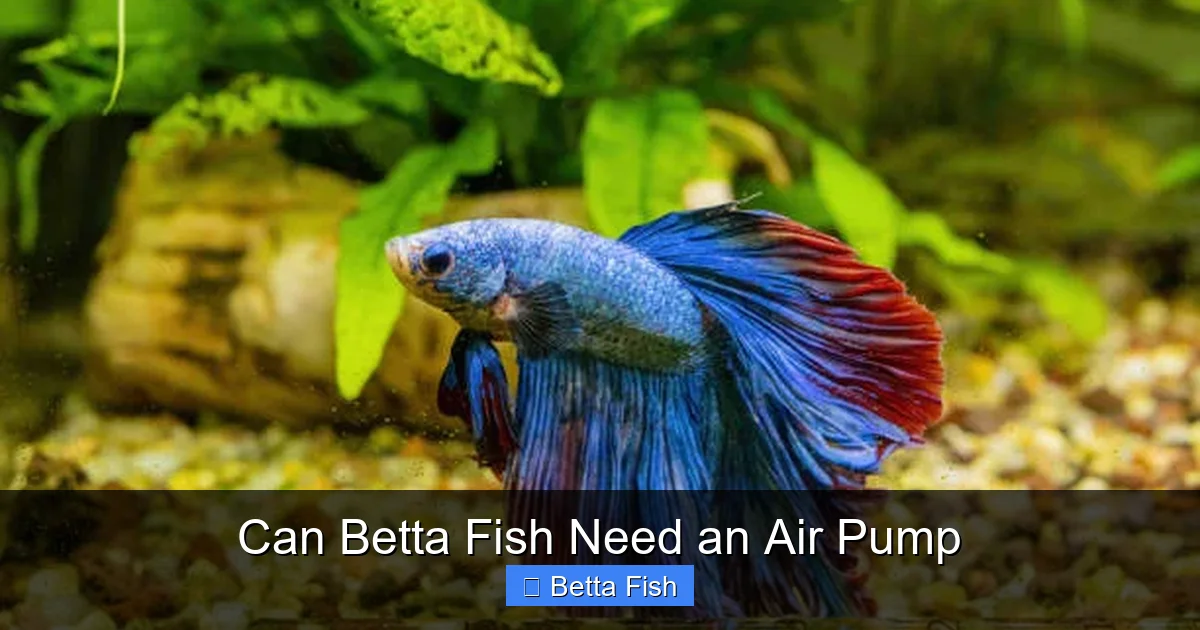
Visual guide about Can Betta Fish Need an Air Pump
Image source: thegoldfishtank.com
But there are definitely situations where adding an air pump can make a real difference. Let’s break down when you might want to consider one and when you can safely skip it.
When You Don’t Need an Air Pump
If your betta lives in a smaller tank or a filtered aquarium with decent water circulation, an air pump is usually unnecessary. Here are some scenarios where you can skip it:
- Small filtered tanks (5-10 gallons): A hang-on-back filter or sponge filter creates enough surface agitation to maintain healthy oxygen levels for a single betta.
- Regular water changes: Fresh water naturally contains more dissolved oxygen. If you’re doing regular partial water changes, you’re constantly replenishing oxygen levels.
- Low stocking levels: A single betta in a tank doesn’t produce much waste or consume much oxygen, so the natural gas exchange at the water’s surface is usually sufficient.
- Live plants in the tank: Aquatic plants produce oxygen through photosynthesis during the day, which helps maintain dissolved oxygen levels naturally.
Many experienced betta keepers run successful tanks for years without ever using an air pump. As long as your water parameters are good, your filter is working, and your betta looks healthy and active, you’re probably doing just fine without one.
When an Air Pump Can Help Your Betta
That said, there are definitely situations where an air pump becomes more than just a nice-to-have accessory. Here’s when you should seriously consider adding one:
- Larger tanks (20+ gallons): In bigger tanks, especially those with a lower surface-area-to-volume ratio, natural gas exchange might not be enough. An air pump helps ensure oxygen reaches all parts of the tank.
- Heavily stocked tanks: If you have your betta living with other fish, snails, or shrimp, the combined oxygen demand goes up. More fish means more respiration, which means more oxygen consumption.
- Warm water conditions: Betta fish prefer warm water between 76-82°F. Here’s the catch: warmer water holds less dissolved oxygen than cooler water. So the very temperature your betta loves is the one that makes an air pump more valuable.
- Medication periods: When you’re treating your betta with medications, some treatments can reduce oxygen levels in the water. An air pump ensures your fish can breathe easily during recovery.
- Power outages or filter failures: If your filter stops working for any reason, an air pump with a battery backup can be a literal lifesaver for your betta.
If you’re wondering does a betta fish need an air pump in your specific setup, consider these factors carefully. Every tank is different, and what works for one betta owner might not work for another.
Signs Your Betta Fish Isn’t Getting Enough Oxygen
Even though bettas have that amazing labyrinth organ, they can still suffer from low oxygen conditions. It’s important to know the warning signs so you can take action before your fish gets seriously stressed or sick.
Gasping at the Surface
This is the most obvious sign. While it’s normal for bettas to occasionally swim to the surface for a breath, constant gasping or hanging at the surface is a red flag. If your betpa seems to be struggling to breathe and keeps its mouth at the waterline, the dissolved oxygen in your tank is likely too low.
Lethargy and Loss of Appetite
Fish that aren’t getting enough oxygen become sluggish. Your betta might stop swimming around as much, hide more often, or lose interest in food. These symptoms can also indicate other health issues, so it’s important to check your water parameters and look for other clues.
Rapid Gill Movement
Take a close look at your betta’s gills. If they’re moving much faster than usual, your fish is working hard to extract oxygen from the water. This is a sign that the dissolved oxygen levels are insufficient for comfortable breathing.
Staying Near the Filter Output
If your betta spends most of its time near the filter output or any area with water movement, it might be seeking out the most oxygen-rich part of the tank. This behavior suggests the rest of the tank doesn’t have adequate oxygen levels.
If you notice any of these signs, consider adding an air pump or increasing surface agitation right away. You can also do a partial water change to immediately boost oxygen levels while you figure out a longer-term solution.
Choosing the Right Air Pump for Your Betta Tank
So you’ve decided an air pump is right for your setup. Great! But not all air pumps are created equal, and betta fish have specific needs that you should keep in mind.
Size Matters: Don’t Overpower Your Tank
Betta fish come from slow-moving waters. They are not built to swim against strong currents. A powerful air pump that creates a bubbling jacuzzi effect will stress your betta out tremendously. Look for an air pump rated for your tank size or even one step smaller. Many betta keepers prefer adjustable air pumps that let you dial down the airflow to a gentle, calming level.
Air Stones and Bubble Wands
The air pump itself is just one part of the equation. You’ll also need an air stone or bubble wand to diffuse the air into the water. For betta tanks, choose a fine-pore air stone that produces small, gentle bubbles rather than large, aggressive ones. Bubble wands can also work well because they create a curtain of tiny bubbles along their length, providing good aeration without creating a single strong current.
Noise Level
Let’s be honest: some air pumps are loud. If your betta tank is in your bedroom or living room, you’ll want a quiet model. Look for air pumps specifically marketed as “quiet” or “ultra-quiet.” Placing the air pump on a soft surface like a towel or foam pad can also reduce vibrations and noise.
Battery Backup Options
Power outages happen, and they can be deadly for fish in tanks that depend on filters and air pumps for oxygen. A battery-operated air pump is an inexpensive insurance policy that could save your betta’s life. Keep one on hand with fresh batteries, and you’ll have peace of mind during storms or unexpected power failures.
For more detailed information on this topic, check out our article on do betta fish need air pumps, which covers additional considerations for different tank setups.
Alternatives to Air Pumps for Oxygenating Your Betta Tank
An air pump isn’t the only way to increase oxygen levels in your betta’s tank. There are several alternatives that might work even better for your specific situation.
Sponge Filters: The Betta Owner’s Best Friend
Sponge filters are powered by air pumps but serve double duty. They provide both biological filtration and aeration in one device. The air rising through the sponge tube creates water flow through the sponge, which traps debris and provides surface area for beneficial bacteria. For betta tanks, sponge filters are often the ideal choice because they create gentle water movement that won’t stress your fish.
Hang-On-Back Filters
A hang-on-back (HOB) filter naturally creates surface agitation as water cascades back into the tank. This agitation promotes gas exchange, increasing dissolved oxygen levels. Many betta keepers find that a properly adjusted HOB filter provides all the aeration their tank needs without any additional equipment.
Live Aquatic Plants
Plants are nature’s air pumps. During daylight hours, aquatic plants produce oxygen through photosynthesis. Plants like Java fern, Anubias, hornwort, and floating plants like duckweed or water lettuce are all excellent choices for betta tanks. They not only oxygenate the water but also absorb harmful nitrates and provide hiding spots for your betta. Just remember that plants consume oxygen at night, so they’re most effective as a supplement to other aeration methods, not a complete replacement.
Surface Agitation Techniques
Sometimes the simplest solutions are the best. You can increase oxygen levels by simply adjusting your filter output to create more surface ripple. Even positioning a small powerhead near the surface can improve gas exchange significantly. The key is to break the surface tension of the water, which allows carbon dioxide to escape and fresh oxygen to dissolve.
Common Mistakes Betta Owners Make with Air Pumps
Even with the best intentions, betta owners sometimes make mistakes when it comes to air pumps and tank aeration. Here are some pitfalls to avoid.
Too Much Water Flow
This is by far the most common mistake. Betta fish have long, flowing fins that make them vulnerable to strong currents. An air pump that’s too powerful will push your betta around the tank, causing stress, exhaustion, and even fin damage. If your betta is constantly fighting to swim against the current from your air pump, it’s time to reduce the airflow or switch to a gentler setup. You can learn more about fin health in our guide on can betta fish fins grow back.
Ignoring Water Temperature
As mentioned earlier, warm water holds less oxygen. If you’re keeping your betta at the higher end of its preferred temperature range (around 80-82°F), you should be extra vigilant about oxygen levels. Don’t assume that because your betta can breathe air, it doesn’t need well-oxygenated water. The gills still need to function properly, and poor oxygen levels can stress the entire body.
Placing the Air Pump Incorrectly
Where you place your air stone or bubble wand matters. Positioning it in a corner or behind decorations can help diffuse the bubbles and reduce the direct current. Some betta owners also use a “bubble curtain” along the back wall of the tank, which provides aeration without creating a strong current in the swimming area.
Forgetting About Maintenance
Air stones get clogged over time, reducing their effectiveness. Air pumps have diaphragms that wear out. Tubing can develop kinks or algae buildup. Regular maintenance of your air pump system ensures it continues to work efficiently. Replace air stones every few months, and check your tubing periodically for blockages.
Not Considering Tank Mates
If you’re keeping your betta with other fish, the oxygen demands of the entire community need to be considered. Some tank mates, like tetras or corydoras, are more sensitive to low oxygen levels than bettas. An air pump becomes more important in community tanks. For ideas on suitable companions, read our article about what other fish can live with betta fish.
Setting Up Your Betta Tank for Optimal Oxygen Levels
Whether you decide to use an air pump or not, there are several things you can do to ensure your betta has access to plenty of oxygen at all times.
Choose the Right Tank Size
A larger tank is always better for maintaining stable water conditions, including oxygen levels. While bettas can survive in smaller spaces, a 5-gallon tank is the minimum recommended size, and 10 gallons is even better. Larger volumes of water are more resistant to rapid changes in temperature, chemistry, and oxygen levels. For more details, see our guide on how much water does a betta fish need.
Maintain Proper Water Temperature
Keep your betta’s water between 76-82°F using a reliable aquarium heater and thermometer. Stable temperature is crucial because sudden changes can stress your fish and affect oxygen levels. Remember that warmer water holds less oxygen, so the higher you keep the temperature, the more important good aeration becomes.
Perform Regular Water Changes
Weekly water changes of 25-50% are essential for maintaining good water quality and oxygen levels. Fresh, dechlorinated water naturally contains more dissolved oxygen than aged tank water. Use a gravel vacuum to remove waste from the substrate, which also helps prevent the buildup of organic matter that consumes oxygen as it decomposes.
Don’t Overfeed
Excess food that sinks to the bottom and decomposes consumes oxygen and produces harmful ammonia. Feed your betta only what it can eat in about two minutes, and remove any uneaten food promptly. For feeding tips, check out our article on what can betta fish eat.
Monitor Your Tank’s Surface
Pay attention to the surface of your water. If you see a thin film or biofilm forming on the surface, it can inhibit gas exchange. You can break up this film by gently stirring the surface or adjusting your filter output to create more ripple. A clean, moving surface is essential for proper oxygen exchange.
Conclusion
So, can betta fish need an air pump? The answer is nuanced. Thanks to their remarkable labyrinth organ, bettas have a built-in backup system that allows them to breathe air directly from the surface. This means that in many setups, especially smaller filtered tanks with a single betta, an air pump isn’t strictly necessary.
However, that doesn’t mean air pumps are useless for betta tanks. In larger aquariums, community setups, warm water conditions, or during medication periods, an air pump can be a valuable tool for maintaining optimal oxygen levels. The key is understanding your specific situation and choosing equipment that creates gentle aeration without producing stressful currents.
The best approach is to observe your betta closely. A healthy, active betta that swims freely, eats well, and shows vibrant colors is a sign that your tank conditions are right. If you notice signs of oxygen stress like constant gasping, lethargy, or staying near the filter output, it’s time to take action. Whether that means adding an air pump, increasing surface agitation, doing a water change, or adjusting your setup, your betta will thank you for paying attention to its needs.
Remember, every betta is unique, and every tank is different. What works beautifully for one setup might not be ideal for another. Trust your observations, do your research, and don’t be afraid to adjust your approach as you learn more about your fish. With the right care and attention, your betta fish can live a long, healthy, and happy life, whether or not you decide to add an air pump to its home.
Frequently Asked Questions
Can betta fish live without an air pump?
Yes, betta fish can live without an air pump in most setups. Their labyrinth organ allows them to breathe air directly from the surface, so as long as your tank has adequate surface agitation from a filter and you maintain good water quality, your betta should thrive without one.
Do betta fish need oxygen in the water?
Absolutely. Even though bettas can breathe atmospheric air, they still need dissolved oxygen in the water for their gills to function properly. Low oxygen levels can cause stress and health problems over time, so maintaining good aeration is important for your betta’s overall well-being.
Can an air pump harm my betta fish?
Yes, if the air pump is too powerful, it can create excessive water flow that stresses your betta. Bettas prefer calm water, so always choose an adjustable air pump and set it to the lowest effective setting. Gentle bubbling is perfect; a strong current is not.
How do I know if my betta needs more oxygen?
Watch for signs like constant gasping at the surface, rapid gill movement, lethargy, loss of appetite, or your betta staying near the filter output. These behaviors suggest low dissolved oxygen levels and indicate you should improve aeration in your tank.
Is a sponge filter better than an air pump for bettas?
Sponge filters are often ideal for betta tanks because they provide both filtration and gentle aeration in one device. They create minimal water flow, which bettas prefer, while still maintaining good oxygen levels and biological filtration.
Should I run my air pump at night?
It’s generally a good idea to keep your air pump running at night. While plants produce oxygen during the day through photosynthesis, they actually consume oxygen at night. Running your air pump 24/7 ensures consistent oxygen levels around the clock.

