Why Is My Betta Fish So Small
Wondering why your betta fish stays tiny? Small size often signals hidden issues like poor water quality, nutrition gaps, or genetics. Read on for easy fixes that can boost growth and keep your finned friend thriving.
Key Takeaways
- Water quality matters: Bad parameters stunt growth and can be fatal.
- Proper diet fuels size: Low‑protein or over‑feeding leads to stunted bettas.
- Tank size isn’t everything: A cramped space can stress a betta, but a well‑filtered 5‑gallon tank is ideal.
- Genetics set limits: Some bettas are naturally smaller; know what’s normal.
- Health checks are crucial: Parasites, fin rot, and swim‑bladder problems all affect growth.
- Temperature and lighting influence metabolism: Keep water warm and provide a day/night cycle.
- Regular monitoring helps: Simple tests and observations catch problems early.
📑 Table of Contents
- Introduction: When Tiny Betta Fish Raise Big Questions
- 1. Water Quality: The Foundation of Healthy Growth
- 2. Nutrition: Feeding for Size and Color
- 3. Tank Size & Environment: Bigger Isn’t Always Better, But It Helps
- 4. Genetics: When Size Is Simply Inherited
- 5. Health Issues That Keep a Betta Small
- 6. Temperature, Lighting, and Stress Management
- Putting It All Together: A 4‑Week Action Plan
- Conclusion: Small Betta, Big Hope
Introduction: When Tiny Betta Fish Raise Big Questions
Imagine you’ve just set up a beautiful, neon‑colored betta in a new tank. After a few weeks, the little fighter still looks like a minnow. You start to worry: why is my betta fish so small? It’s a common concern for new and seasoned hobbyists alike. The good news is that most size issues have clear, fixable reasons.
In this article we’ll walk through the most common culprits—water conditions, diet, genetics, and health problems—then give you step‑by‑step actions to help your betta reach its full potential. By the end, you’ll feel confident that your fish’s tiny stature isn’t a mystery but a solvable puzzle.
1. Water Quality: The Foundation of Healthy Growth
Why water matters more than tank size
Betta fish are hardy, but they thrive only when the water is clean, stable, and within the right temperature range. Poor water quality stresses the fish, suppresses appetite, and can stunt growth.
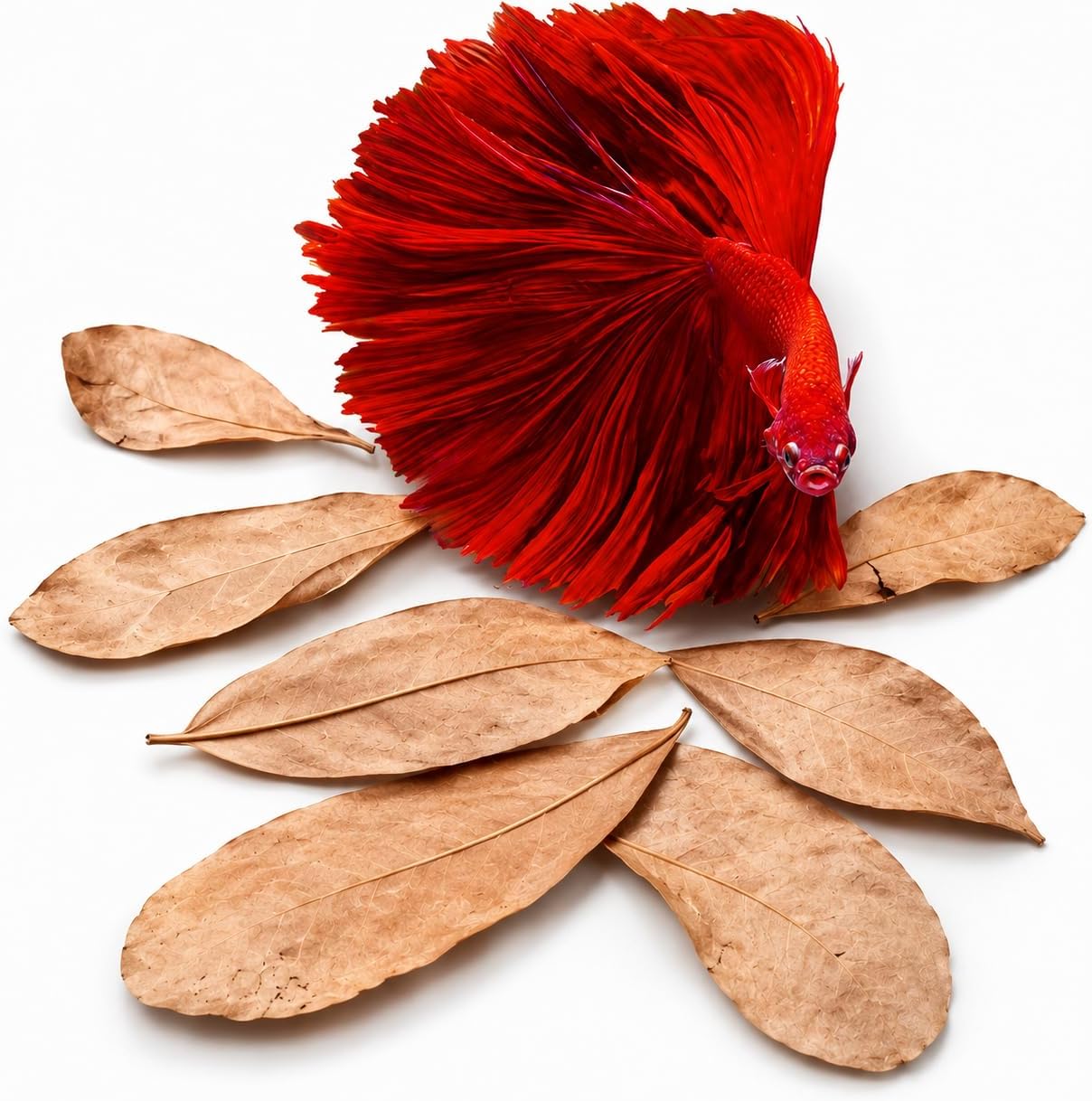
Visual guide about Why Is My Betta Fish So Small
Image source: m.media-amazon.com
Key parameters to monitor
- Temperature: Keep it between 76‑82°F (24‑28°C). Too cold slows metabolism; too hot can cause stress.
- pH: Aim for 6.5‑7.5. Sudden swings harm the gills.
- Ammonia & Nitrite: Both must be 0 ppm. Even low levels are toxic.
- Nitrate: Below 20 ppm is ideal for bettas.
Practical water‑care tips
Perform a 25‑30% water change every week, using a water conditioner to remove chlorine and chloramines. Test the water with a liquid test kit—cheaper than strips and more accurate.
For a quick boost, add a small dose of beneficial bacteria (e.g., Seachem Stability) after each water change. This helps maintain a stable nitrogen cycle, reducing stress that can keep your betta small.
2. Nutrition: Feeding for Size and Color
What a betta really needs
Betta fish are carnivores. Their natural diet consists of insects and larvae, so they require high‑protein foods. Low‑protein flakes or over‑reliance on plant‑based pellets can lead to stunted growth.
Best foods for growth
- High‑quality betta pellets: Look for ≥40% protein.
- Frozen or live foods: Daphnia, bloodworms, and brine shrimp are excellent treats.
- Supplemental greens: A tiny amount of blanched peas can aid digestion.
Feeding schedule
Feed 2‑3 small meals per day, offering only what the fish can eat in 2‑3 minutes. Over‑feeding leads to poor water quality, which circles back to stunted growth. If your betta isn’t eating, see our guide on why is my betta fish not eating for troubleshooting steps.
3. Tank Size & Environment: Bigger Isn’t Always Better, But It Helps
Common myth: Betta bowls are fine
Many beginners think a 2‑gallon bowl is enough because bettas can “breathe” air from the surface. In reality, a cramped space quickly builds up toxins and limits swimming space, both of which can keep a betta small.
Ideal setup
- Minimum volume: 5 gallons (19 L) is a comfortable baseline.
- Filtration: A gentle sponge filter or a low‑flow hang‑on‑back unit.
- Heater: A reliable 50‑watt heater for tanks under 10 gallons.
- Plants & hiding spots: Live plants or silk decorations reduce stress.
Read more about tank size myths in our article why are betta fish tanks so small.
4. Genetics: When Size Is Simply Inherited
Understanding natural variation
Betta splendens come in many strains—half‑moon, crowntail, and dwarf varieties. Dwarf bettas (often called “mini” bettas) naturally stay under 1.5 inches, while half‑moons can reach 3 inches.
Choosing the right fish
If you purchased a “mini” or “dwarf” betta, its small size is expected. Compare your fish to photos of the same strain. If it’s significantly smaller than the average, other factors are likely at play.
Breeding considerations
Selective breeding can produce unusually small or large offspring. If you plan to breed, research reputable lines to avoid unintentionally creating stunted fish.
5. Health Issues That Keep a Betta Small
Parasites and infections
Internal parasites (e.g., Costia) can siphon nutrients, leading to poor growth. External infections like fin rot also stress the fish.
Swim‑bladder disease
A malformed swim bladder makes it hard for the betta to eat and move, indirectly limiting size. Signs include floating sideways or upside‑down. For more on abnormal swimming, see why is my betta fish floating sideways.
Rapid death clues
If your betta suddenly shrinks or looks gaunt before dying, it may have suffered from a hidden disease. Our article on why did my betta fish die so fast outlines warning signs and emergency steps.
How to diagnose and treat
- Observe behavior: loss of appetite, lethargy, or abnormal swimming.
- Check water: high ammonia or nitrite often indicates disease stress.
- Treat with appropriate medication: antiparasitics for internal issues, antibacterial meds for fin rot.
6. Temperature, Lighting, and Stress Management
Temperature’s role in metabolism
Betta metabolism speeds up in warmer water, encouraging growth. Keep a consistent temperature; avoid sudden drops caused by drafts or heater failure.
Lighting cycles
Provide 10‑12 hours of light daily using a low‑intensity LED. Too much light encourages algae, which can degrade water quality.
Minimizing stress
- Limit sudden movements near the tank.
- Avoid strong currents; bettas prefer calm water.
- Keep tank mates to a minimum—especially other males.
Putting It All Together: A 4‑Week Action Plan
Week 1: Test and Tweak
Buy a liquid test kit. Record temperature, pH, ammonia, nitrite, and nitrate. Perform a 25% water change with conditioned water. Adjust heater if needed.
Week 2: Upgrade Diet
Introduce high‑protein pellets and a frozen food treat three times a week. Reduce any low‑protein flakes.
Week 3: Enrich the Environment
Add live plants like Java fern or a piece of driftwood. Check flow; add a sponge filter if water is stagnant.
Week 4: Health Check
Inspect fins for rot, look for signs of parasites, and monitor swimming behavior. If anything looks off, treat promptly.
Follow this plan and you’ll likely see your betta gain a few millimeters each week, becoming a healthier, more vibrant fish.
Conclusion: Small Betta, Big Hope
Seeing a tiny betta can be worrying, but most size issues stem from fixable problems—water quality, diet, tank environment, genetics, or hidden health concerns. By monitoring parameters, feeding high‑protein foods, providing a suitable tank, and keeping an eye on health, you give your betta the best chance to grow to its natural size.
Remember, a healthy betta isn’t just about length; it’s about vibrant color, active swimming, and a lively personality. Use the steps above, stay observant, and enjoy watching your little fighter flourish.
Frequently Asked Questions
Why does my betta stay the same size for months?
Stagnant growth often points to poor water quality or an inadequate diet. Test the water, perform regular changes, and feed high‑protein foods.
Can a betta outgrow a small bowl?
Yes. Even “small” bettas need room to swim. A 5‑gallon tank with gentle filtration is a healthier long‑term home.
Is it normal for a betta to be less than an inch long?
If you have a dwarf or mini betta, sub‑inch size can be normal. Compare your fish to breed standards to be sure.
My betta isn’t eating and looks tiny—what should I do?
First, check water parameters; poor water can suppress appetite. Then try offering live or frozen foods. If it still refuses, consult a vet.
Could disease be the reason my betta is small?
Yes. Parasites, fin rot, and swim‑bladder issues steal nutrients and stress the fish, leading to stunted growth.
Will raising the temperature help my betta grow?
Keeping the water within 76‑82°F boosts metabolism, but avoid exceeding 84°F as it can cause stress.