Can Betta Fish Live with Nerite Snails

Yes, betta fish can live with nerite snails in the same tank, and they often make excellent tank mates. Nerite snails are peaceful, hardy, and their tough shells protect them from curious bettas. This combination works well because nerite snails help control algae while bettas generally ignore them, making them one of the safest invertebrate companions you can pair with your betta fish.
Key Takeaways
- High Compatibility: Nerite snails are one of the best tank mates for betta fish due to their peaceful nature and hard shells that protect them from nipping.
- Algae Control Benefits: Nerite snails are exceptional algae eaters, helping keep your betta’s tank clean and reducing maintenance for you.
- Tank Size Matters: A minimum 10-gallon tank is recommended when housing betta fish with nerite snails to ensure adequate space and stable water parameters.
- Individual Temperament Varies: While most bettas ignore nerite snails, some aggressive individuals may harass them, so careful monitoring during introduction is essential.
- Low Bioload: Nerite snails produce very little waste, making them ideal companions that won’t overload your tank’s filtration system.
- Proper Introduction: Acclimate nerite snails slowly and provide hiding spots to reduce stress and help them adjust to their new environment.
- Water Parameter Overlap: Both species thrive in similar water conditions (76-82°F, pH 6.5-7.5), making it easy to maintain a shared habitat.
📑 Table of Contents
- Can Betta Fish Live with Nerite Snails? A Complete Guide
- Why Nerite Snails Are Great Tank Mates for Betta Fish
- Tank Requirements for Betta Fish and Nerite Snails
- How to Introduce Nerite Snails to Your Betta Tank
- Feeding Betta Fish and Nerite Snails Together
- Potential Problems and How to Solve Them
- Benefits of Keeping Nerite Snails with Betta Fish
- Frequently Asked Questions About Betta Fish and Nerite Snails
- Final Thoughts on Keeping Betta Fish with Nerite Snails
Can Betta Fish Live with Nerite Snails? A Complete Guide
If you’ve been wondering can betta fish live with nerite snails, you’re not alone. This is one of the most common questions betta owners ask when looking for suitable tank mates. The good news? Nerite snails and betta fish are one of the most compatible pairings in the freshwater aquarium hobby. Whether you’re a beginner or a seasoned aquarist, understanding how these two species interact will help you create a thriving, peaceful tank.
Betta fish are known for their stunning colors and unique personalities. But they’re also known for being territorial and sometimes aggressive. That’s why choosing the right tank mates is so important. Nerite snails, on the other hand, are calm, slow-moving invertebrates that mind their own business. They spend their days gliding across surfaces, munching on algae, and generally staying out of trouble. This combination of traits makes them an almost perfect match for bettas.
In this comprehensive guide, we’ll cover everything you need to know about keeping betta fish and nerite snails together. From compatibility factors and tank setup to feeding, potential problems, and expert tips, you’ll have all the information you need to make this pairing a success. Let’s dive in!
Why Nerite Snails Are Great Tank Mates for Betta Fish
Peaceful and Non-Threatening Nature
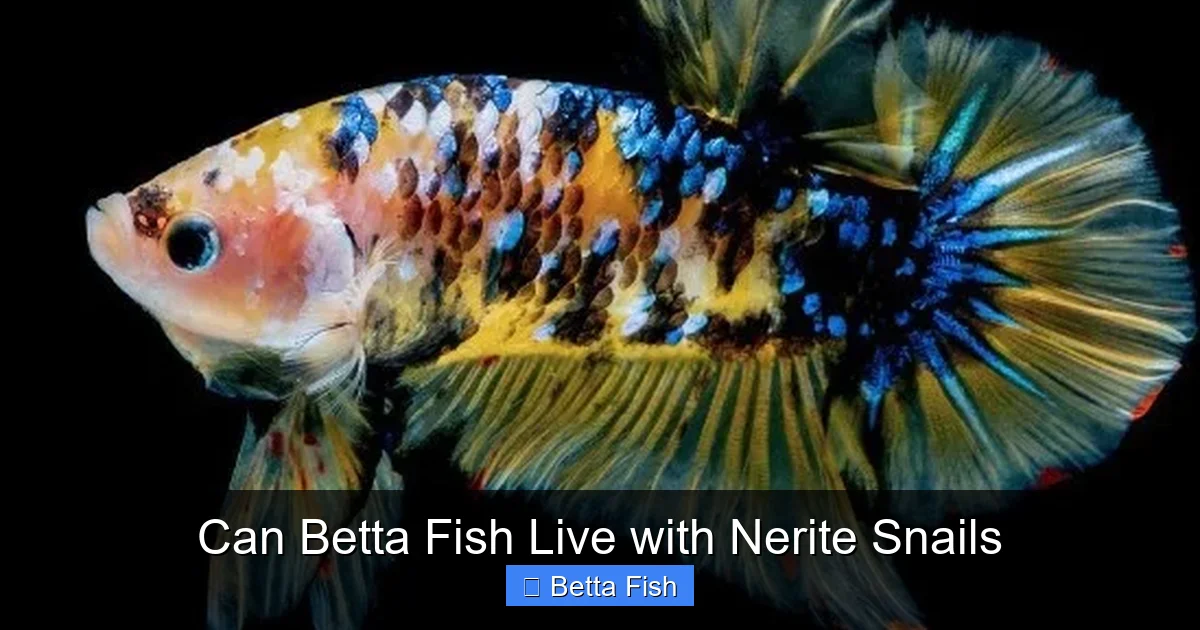
One of the biggest reasons nerite snails work so well with betta fish is their completely peaceful demeanor. Unlike some fish that might nip at a betta’s fins or compete for territory, nerite snails simply don’t register as a threat. They don’t swim fast, they don’t flash bright colors, and they don’t invade personal space. To a betta, a nerite snail is basically just another piece of the aquarium landscape.
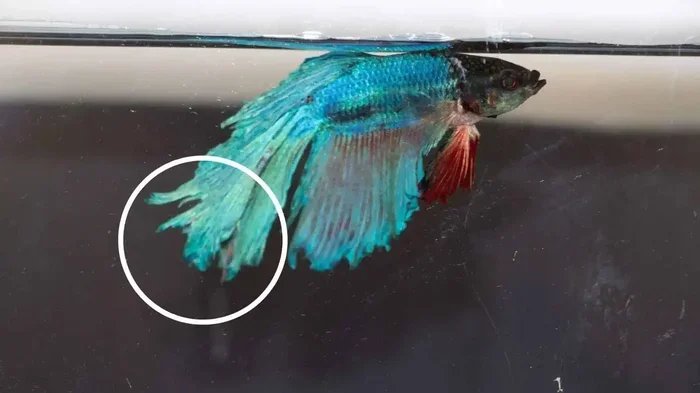
Visual guide about Can Betta Fish Live with Nerite Snails
Image source: snailmight.com
This is crucial because bettas are naturally territorial. They can become aggressive toward anything they perceive as a rival. Fish with long, flowing fins or bright colors often trigger a betta’s aggression. Nerite snails, with their small, rounded shells and slow movements, fly completely under the radar. Most bettas will take one look at a nerite snail and lose interest almost immediately.
Hard Shells Provide Natural Protection
Even if your betta is a bit more curious or aggressive than average, nerite snails have a built-in defense mechanism. Their shells are incredibly hard and durable. A betta might investigate a new snail by nudging it or even taking a tentative nip, but it won’t be able to cause any real damage. The snail simply retracts into its shell and waits for the betta to move on.
This is one of the key advantages nerite snails have over other invertebrates like shrimp. If you’re also curious about whether betta fish can live with shrimp, the answer is more complicated because shrimp are much more vulnerable. Snails offer a safer, more reliable option for betta tanks.
Excellent Algae Eaters
Beyond their compatibility, nerite snails serve a genuinely useful purpose in your betta’s tank. They are widely considered one of the best algae-eating invertebrates available in the aquarium hobby. Nerite snails will tirelessly graze on algae growing on glass, decorations, plants, and substrate. This means less scrubbing for you and a cleaner, healthier environment for your betta.
A single nerite snail can cover a surprising amount of surface area in a day. They’re particularly effective against green spot algae and brown diatom algae, two of the most common types that plague freshwater tanks. If algae control is one of your primary motivations for adding tank mates, nerite snails deliver outstanding results.
Tank Requirements for Betta Fish and Nerite Snails
Minimum Tank Size
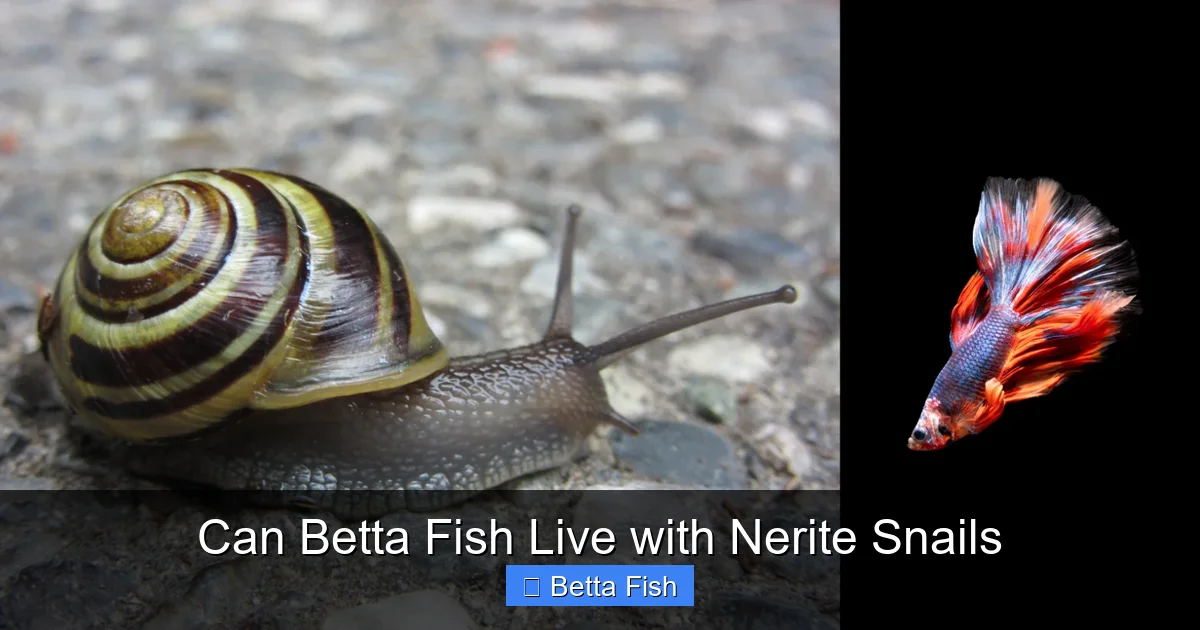
When keeping betta fish with nerite snails, tank size is an important consideration. While a betta can survive in a 5-gallon tank alone, you’ll want to go bigger when adding tank mates. A minimum of 10 gallons is recommended for a betta and a small group of nerite snails. This gives your betta enough territory to feel secure while providing ample surface area for the snails to graze.
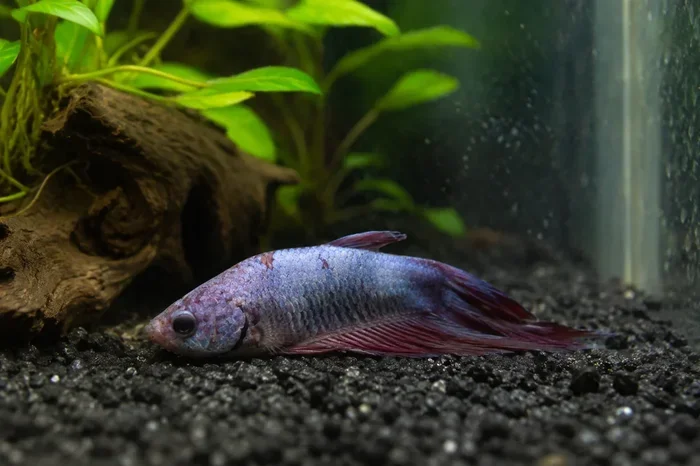
Visual guide about Can Betta Fish Live with Nerite Snails
Image source: allourcreatures.com
If you’re planning to keep multiple nerite snails or add other tank mates alongside your betta, consider upgrading to a 15- or 20-gallon tank. More space means more stable water parameters, less stress for all inhabitants, and a more natural, enjoyable environment. Remember that even though snails produce minimal waste, every additional creature adds to the overall bioload.
Water Parameters
One of the great things about pairing betta fish with nerite snails is that they thrive in very similar water conditions. Here’s a quick overview of the ideal parameters for both species:
- Temperature: 76-82°F (both species prefer warm water)
- pH: 6.5-7.5 (slightly acidic to neutral)
- Hardness: 5-20 dGH (nerite snails prefer slightly harder water for shell health)
- Ammonia/Nitrite: 0 ppm (always)
- Nitrate: Below 20 ppm
The overlap in temperature and pH requirements makes it easy to maintain a tank that suits both species perfectly. Just make sure you have a reliable heater and filter, and perform regular water changes to keep conditions stable. Nerite snails are sensitive to copper, so avoid any medications or plant fertilizers that contain this element.
Filtration and Water Flow
Bettas prefer calm water with minimal current, and nerite snails are equally comfortable in low-flow environments. A sponge filter or a hang-on-back filter with an adjustable flow rate works best for a betta and snail community tank. Sponge filters are particularly excellent because they provide gentle filtration and won’t create strong currents that stress your betta.
Good filtration is essential even though nerite snails produce very little waste. Your betta still generates waste, and uneaten food can quickly degrade water quality. A properly cycled tank with consistent filtration will keep both your betta and your nerite snails healthy and happy.
Substrate and Decorations
When setting up a tank for betta fish and nerite snails, choose a substrate that’s gentle on both species. Fine gravel or sand works well. Avoid sharp or rough substrates that could damage your betta’s delicate fins or scratch a snail’s foot as it moves around.
Decorations serve double duty in a betta and snail tank. They provide hiding spots for your betta (which reduces stress) and additional grazing surfaces for your nerite snails. Driftwood, smooth rocks, and live plants are all excellent choices. Live plants like Java fern, Anubias, and Amazon sword are particularly beneficial because they help maintain water quality and give snails plenty of surfaces to explore.
How to Introduce Nerite Snails to Your Betta Tank
Quarantine First
Before adding any new creature to your betta’s tank, it’s wise to quarantine the nerite snails for at least one to two weeks. This allows you to observe them for any signs of illness or parasites without risking your betta’s health. A simple quarantine container with clean, dechlorinated water and a piece of algae-covered rock for grazing is all you need.
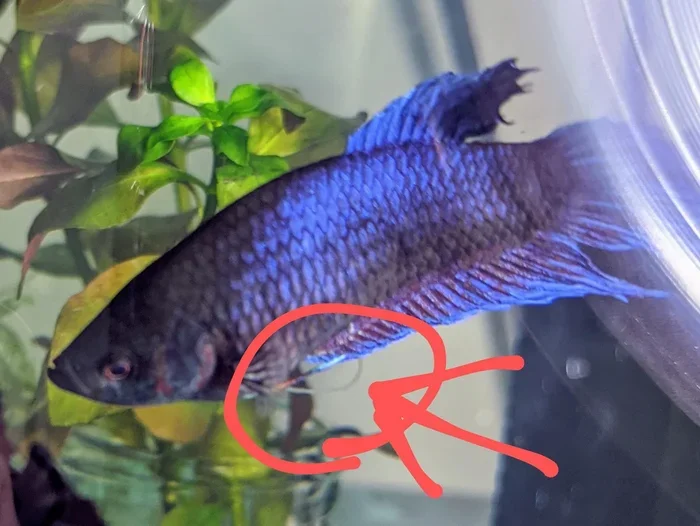
Visual guide about Can Betta Fish Live with Nerite Snails
Image source: snailmight.com
Quarantine might seem like an extra step, but it’s one of the best practices in fishkeeping. It prevents the introduction of diseases and gives you peace of mind knowing your new snails are healthy before they join your betta.
Proper Acclimation Process
Once your nerite snails are ready to join the main tank, proper acclimation is essential. The drip acclimation method is ideal, but you can also use the float method. Here’s a simple approach:
- Float the bag or container with the snails in your betta tank for 15-20 minutes to equalize temperature.
- Every 5 minutes, add a small amount of tank water to the container.
- Repeat this process for 30-45 minutes.
- Gently place the snails into the tank using a net (don’t pour the store water in).
This slow acclimation process reduces shock and helps the snails adjust to the new water chemistry. After introduction, keep the lights dim for a few hours to minimize stress.
Monitor Your Betta’s Reaction
The first 24-48 hours after introduction are the most critical. Watch your betta closely to see how it reacts to the new snails. Some bettas will completely ignore them. Others might flare, chase, or investigate. This initial curiosity is usually harmless and subsides within a day or two.
If your betta shows persistent aggression toward the snails, you may need to rearrange the tank decorations to break up sight lines and create more hiding spots. In rare cases, an extremely aggressive betta may not be suitable for any tank mates. However, the vast majority of bettas will coexist peacefully with nerite snails.
Feeding Betta Fish and Nerite Snails Together
Feeding Your Betta
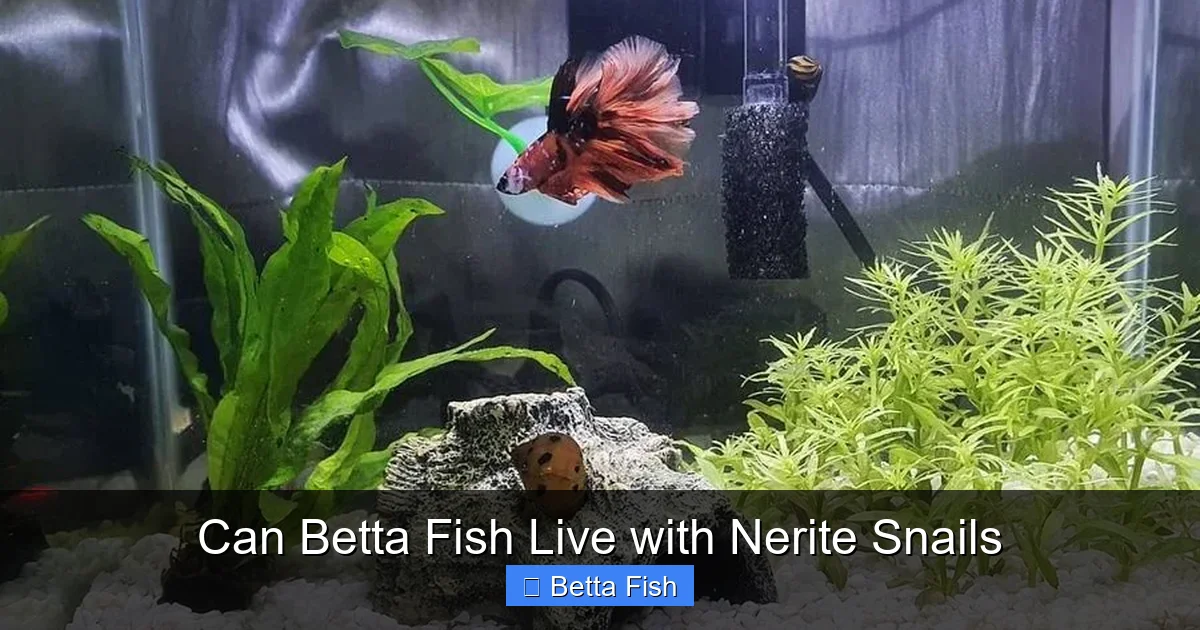
Your betta’s diet shouldn’t change just because you’ve added nerite snails. Bettas are carnivores and need a protein-rich diet. High-quality betta pellets should be the staple, supplemented with frozen or live foods like bloodworms, brine shrimp, and daphnia. Feed your betta once or twice daily, offering only what it can consume in about two minutes.
Visual guide about Can Betta Fish Live with Nerite Snails
Image source: ouraquariumlife.com
Be careful not to overfeed. Excess food will sink to the bottom and decompose, spiking ammonia levels. While nerite snails will eat some of this leftover food, relying on them to clean up after a heavy feeding is not a good strategy. Always remove uneaten food after a few minutes.
Feeding Your Nerite Snails
In a well-established tank with plenty of algae, your nerite snails may not need supplemental feeding at all. They’ll find plenty of biofilm and algae to graze on throughout the day. However, in a very clean or newly set up tank, you might need to offer additional food.
Algae wafers, blanched vegetables (like zucchini, spinach, and cucumber), and calcium-rich supplements are all good options for nerite snails. Place the food near the snails in the evening, as they tend to be more active at night. Remove any uneaten portions after 24 hours to prevent water quality issues.
Calcium for Shell Health
Nerite snails need calcium to maintain strong, healthy shells. If your water is soft or lacks sufficient calcium, you might notice shell erosion over time. You can supplement calcium by adding cuttlebone (sold for birds) to the tank, using mineral-rich substrates, or adding liquid calcium supplements. Healthy shells mean healthy snails, and this is especially important if you want your nerite snails to thrive long-term.
Potential Problems and How to Solve Them
Bettas Attacking Snails
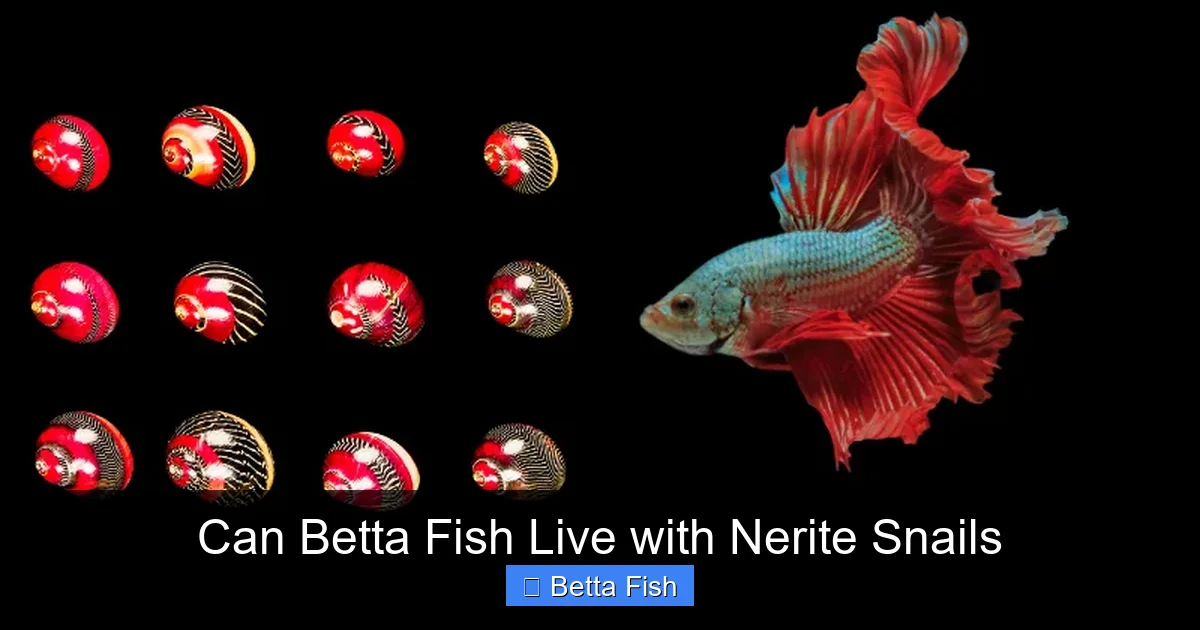
While it’s uncommon, some bettas may harass nerite snails. This usually manifests as the betta repeatedly nudging, flaring at, or trying to flip the snail over. In most cases, the snail’s hard shell prevents any real harm, but persistent stress isn’t good for either animal.
Visual guide about Can Betta Fish Live with Nerite Snails
Image source: allourcreatures.com
If this happens, try adding more plants and decorations to break up the tank’s layout. This gives the snails more places to hide and reduces the betta’s ability to single them out. You can also try feeding your betta right before introducing the snails, as a well-fed betta is generally less aggressive.
Nerite Snails Escaping the Tank
Nerite snails are notorious escape artists. They can and will climb above the waterline, sometimes ending up completely out of the tank. This is more common in tanks with high water levels that leave little space between the water surface and the lid. Always use a tight-fitting lid on your betta tank, and try to leave at least an inch of space above the waterline.
If you find a snail out of the tank, don’t panic. As long as its body is still moist, it will likely be fine. Gently place it back in the water and check your lid for gaps.
Nerite Snail Eggs
One unique aspect of keeping nerite snails is their egg-laying behavior. Female nerite snails will lay small, white, sesame seed-like eggs on hard surfaces throughout the tank. These eggs won’t hatch in freshwater (they need brackish water to develop), but they can be unsightly and difficult to remove.
Unfortunately, there’s no way to prevent nerite snails from laying eggs. You can manually scrape them off glass and decorations, or simply accept them as a minor cosmetic issue. If the appearance bothers you, consider keeping only male snails (though sexing nerite snails is extremely difficult).
Water Quality Issues
Even though nerite snails have a low bioload, adding any creature to your tank increases the demand on your filtration system. Stay on top of your regular maintenance schedule. Perform weekly water changes of 25-30%, test your water parameters regularly, and clean the substrate with a gravel vacuum.
Both bettas and nerite snails are sensitive to poor water quality. Ammonia and nitrite spikes can be deadly, and high nitrate levels can stress both species. Consistent maintenance is the single most important thing you can do to keep your betta and nerite snails healthy.
Benefits of Keeping Nerite Snails with Betta Fish
Natural Tank Cleaning
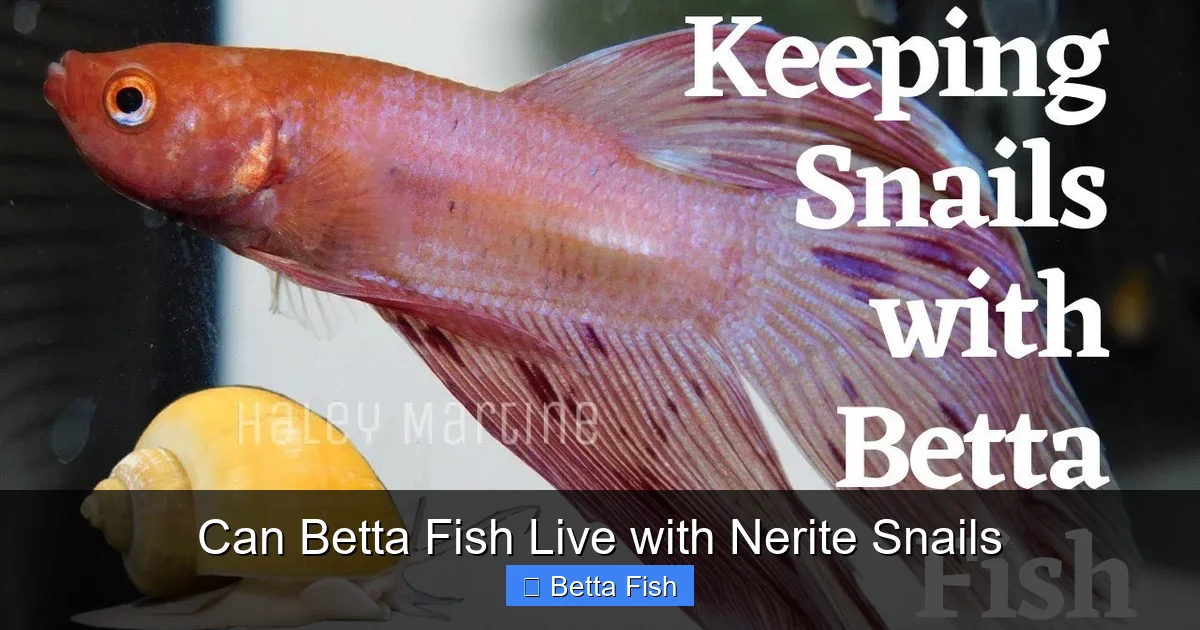
We’ve mentioned algae control, but the cleaning benefits of nerite snails go beyond just algae. They also consume biofilm, dead plant matter, and some types of detritus. This makes them a valuable part of your tank’s cleanup crew. While they won’t replace regular maintenance, they significantly reduce the amount of work you need to do.
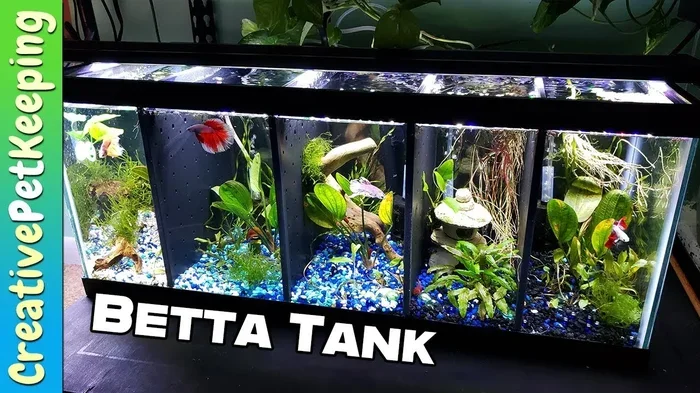
Visual guide about Can Betta Fish Live with Nerite Snails
Image source: i.ytimg.com
For busy aquarium hobbyists, this is a major advantage. Nerite snails work around the clock, quietly keeping surfaces clean without any effort on your part. It’s like having a tiny, self-sufficient cleaning crew living in your aquarium.
Visual Interest
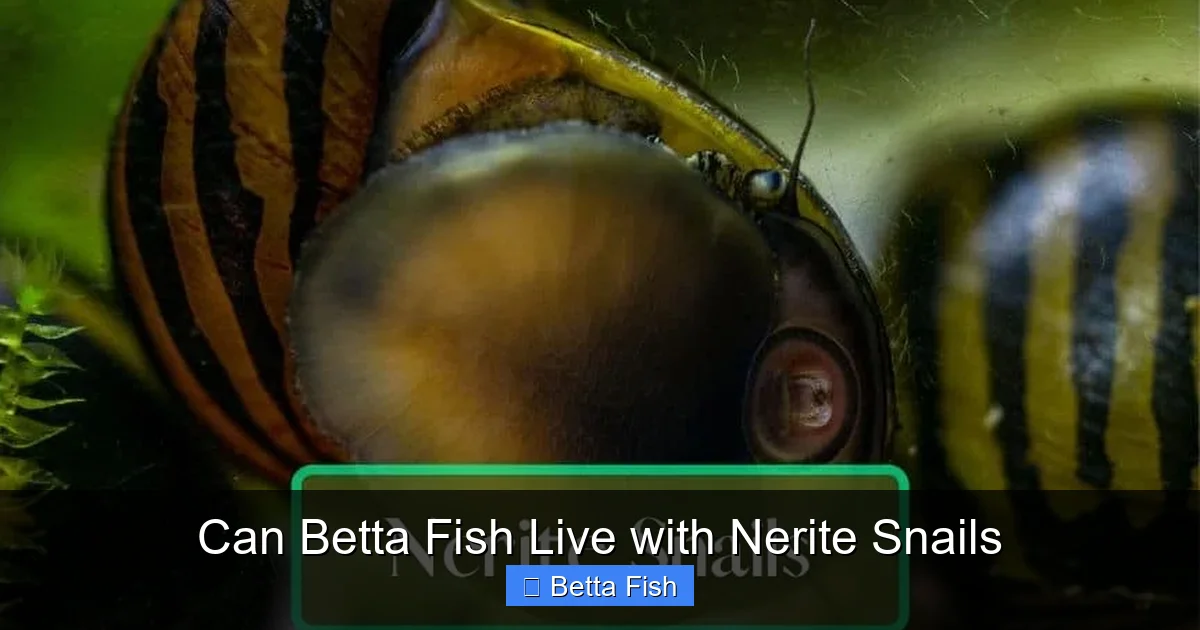
Nerite snails come in a variety of beautiful patterns and colors. Zebra nerite snails have striking black and gold stripes. Tiger nerite snails feature bold, irregular patterns. Olive nerite snails have smooth, dark shells. Horned nerite snails have small spikes protruding from their shells. Adding a variety of nerite snails can enhance the visual appeal of your betta tank.
Watching nerite snails glide across the glass, climb decorations, and navigate plants adds a whole new dimension to your aquarium. They’re surprisingly entertaining to observe, and their slow, deliberate movements create a calming contrast to your betta’s more active swimming.
Low Maintenance
Compared to adding fish as tank mates, nerite snails are incredibly low maintenance. They don’t require special feeding in most cases, they don’t produce significant waste, and they don’t need specific water parameters beyond what your betta already requires. They’re also very hardy and resistant to most common aquarium diseases.
If you’re looking for a simple, stress-free way to add life to your betta’s tank, nerite snails are hard to beat. They’re the perfect “set it and forget it” tank mate that still provides real benefits.
Frequently Asked Questions About Betta Fish and Nerite Snails
How Many Nerite Snails Can I Keep with My Betta?
A general rule of thumb is one nerite snail per 5 gallons of water. So in a 10-gallon tank, two to three nerite snails is a comfortable number. In a 20-gallon tank, you could keep four to six. Avoid overcrowding, as too many snails can lead to competition for food and increased waste.
Visual guide about Can Betta Fish Live with Nerite Snails
Image source: allourcreatures.com
Will My Betta Eat the Nerite Snails?
No, bettas cannot eat nerite snails. The snails’ hard shells make them completely inedible. Your betta might investigate or nip at a snail out of curiosity, but it won’t be able to harm the snail or consume it. This is one of the main reasons nerite snails are such a safe choice.
Do Nerite Snails Need a Heater?
Yes, if they’re living in a betta tank, the heater that keeps your betta comfortable will also suit your nerite snails. Both species thrive in water temperatures between 76-82°F. There’s no need for separate heating equipment.
Final Thoughts on Keeping Betta Fish with Nerite Snails
So, can betta fish live with nerite snails? Absolutely! This is one of the most reliable and rewarding pairings in the freshwater aquarium hobby. Nerite snails bring algae-cleaning power, visual interest, and peaceful energy to your betta’s home. In return, your betta provides a warm, well-maintained environment where the snails can thrive.
Visual guide about Can Betta Fish Live with Nerite Snails
Image source: fishtanko.com
The key to success is simple: provide adequate space, maintain good water quality, introduce the snails properly, and monitor the initial interactions. If you follow the guidelines in this article, you’ll have a beautiful, balanced aquarium that both you and your aquatic pets will enjoy.
If you’re exploring other options for your betta’s tank, you might also want to check out our guide on what snails can live with betta fish for a broader look at compatible snail species. And if you’re considering fish tank mates instead of invertebrates, our article on whether water snails can live with betta fish provides additional insights into creating a harmonious community tank.
Whether you’re setting up your first betta tank or looking to enhance an existing setup, adding nerite snails is a decision you’re unlikely to regret. They’re the perfect complement to a betta fish, and together, they create a stunning, low-maintenance aquatic display that’s a joy to watch every single day.
Frequently Asked Questions
Can betta fish live with nerite snails in a 5-gallon tank?
While it’s technically possible, a 5-gallon tank is quite small for housing both a betta and nerite snails. A 10-gallon tank is the recommended minimum to ensure stable water parameters and adequate space for both species to thrive comfortably.
Will my betta fish attack nerite snails?
Most bettas will ignore nerite snails completely. Some may investigate them out of curiosity, but the snails’ hard shells protect them from any harm. Only rarely does a betta show persistent aggression toward nerite snails.
Do nerite snails help keep a betta tank clean?
Yes, nerite snails are excellent algae eaters and will help keep your betta’s tank clean by consuming algae on glass, decorations, and plants. They also eat biofilm and some detritus, making them valuable members of your tank’s cleanup crew.
How many nerite snails should I put in my betta tank?
A good rule of thumb is one nerite snail per 5 gallons of water. For a standard 10-gallon betta tank, two to three nerite snails is ideal. Avoid adding too many, as they may compete for food in tanks with limited algae growth.
Do nerite snails reproduce in freshwater betta tanks?
Nerite snails will lay eggs in freshwater tanks, but the eggs won’t hatch. Nerite snail larvae require brackish or saltwater to develop, so you won’t end up with a snail overpopulation problem in your betta tank.
What do I feed nerite snails in a betta tank?
In a well-established tank with plenty of algae, nerite snails typically don’t need supplemental feeding. If algae is scarce, you can offer algae wafers, blanched vegetables like zucchini or cucumber, and calcium supplements to support shell health.