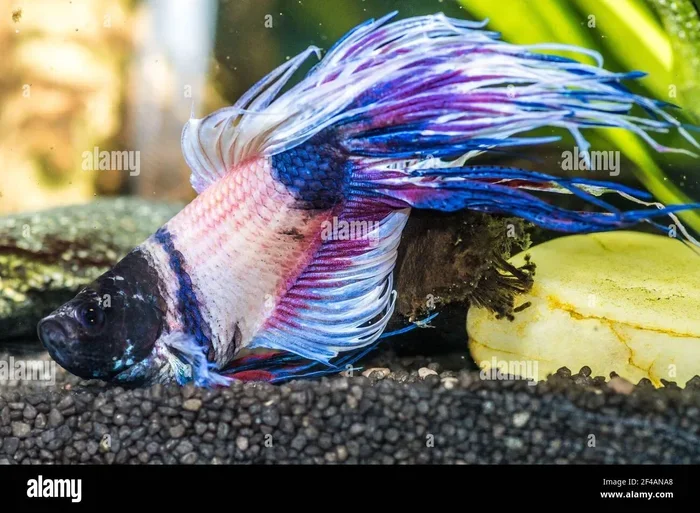
How to Save Your Dying Betta Fish
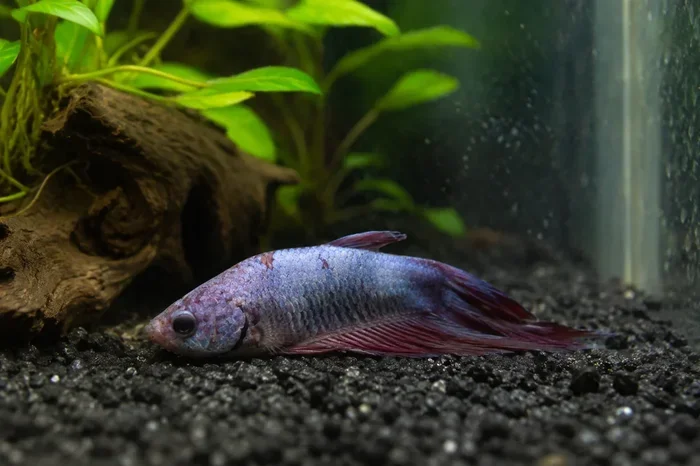
Saving a dying betta fish starts with recognizing the warning signs early — cloudy water, faded colors, labored breathing, and lethargy are all red flags you cannot ignore. Immediate action like checking water parameters, performing a partial water change, and raising the temperature to 78–80°F can make the difference between life and death. This guide walks you through every proven step to nurse your betta back to health and keep it thriving for years to come.
How to Save Your Dying Betta Fish
Watching your betta fish struggle is heartbreaking. You notice the colors fading, the fins clamped tight, and your little friend barely moving. It feels like time is running out. But here is the good news — many dying betta fish can be saved if you act fast and know what to do. This guide walks you through every step of the rescue process. You will learn how to spot warning signs early, fix the root causes, and create a healing environment. By the end, you will feel confident and ready to help your fish fight back.
Whether your betta is suffering from poor water conditions, disease, or stress, this guide covers it all. We keep things simple and practical. No confusing jargon. Just clear, actionable steps you can start using right away. Saving a dying betta fish is not magic. It is about knowing what to look for and responding quickly. Let us dive in and give your fish the best chance at survival.
Key Takeaways
- Check water parameters daily: Ammonia, nitrite, and nitrate levels are the leading causes of betta illness.
- Keep water warm: Bettas need a stable 76–82°F temperature to stay healthy and recover quickly.
- Spot disease early: Look for clamped fins, discoloration, or lethargy to act fast before it worsens.
- Upgrade from small bowls: A minimum 5-gallon tank with a filter dramatically improves survival chances.
- Feed a balanced diet: High-quality pellets plus occasional live food boost immunity and overall vitality.
- Reduce stress immediately: Remove tank mates, add hiding spots, and maintain a calm environment for recovery.
- Quarantine sick fish: Isolate your betta to prevent disease spread and simplify targeted treatment.
📑 Table of Contents
How to Tell If Your Betta Fish Is Dying
Before you can help, you need to know what you are looking at. A sick betta fish shows clear signs that something is wrong. These symptoms can range from mild to severe. Catching them early gives your fish a much better shot at recovery.
Key Symptoms to Watch For
- Faded or pale colors — A healthy betta has vibrant reds, blues, and greens. If your fish looks washed out, that is a red flag.
- Clamped fins — When a betta holds its fins close to its body, it is usually in pain or stressed.
- Loss of appetite — If your betta refuses food for more than two days, something is wrong.
- Labored breathing — Gasping at the surface or rapid gill movement means your fish is struggling to breathe.
- White spots or patches — These often signal ich or a fungal infection.
- Lethargy — Hanging at the bottom of the tank or not moving much is a serious warning sign.
- Fin rot — Ragged or dissolving fins point to bacterial or fungal decay.
If you are unsure whether your fish is dying or just sick, check out our guide on how to know if a betta fish is dying. It breaks down the difference between a sick fish and a dying fish clearly and simply.
The earlier you spot these betta fish symptoms, the better your chances. Write down what you see. This helps you track changes and decide on the right treatment path.
Common Causes of a Dying Betta Fish
Understanding why your betta is dying is just as important as knowing what to do. Most problems come from a few common culprits. Let us break them down.
Poor Water Quality
This is the number one killer of betta fish. Dirty water builds up ammonia, nitrite, and nitrate. These toxins damage your fish’s gills, skin, and organs. Even small spikes can be deadly. Fish tank maintenance is not optional — it is essential.
Wrong Water Temperature
Bettas are tropical fish. They need warm water between 76 and 82 degrees Fahrenheit. Cold water slows their immune system and makes them vulnerable to disease. If you are unsure how to keep the temperature right, our guide on how to keep your betta fish warm has you covered.
Stress and Poor Living Conditions
Bettas get stressed easily. Crowded tanks, aggressive tankmates, bright lights, and lack of hiding spots all take a toll. A stressed betta fish becomes weak and prone to illness. Check out our article on how to treat a stressed betta fish for targeted solutions.
Disease and Infections
Bettas can fall victim to bacterial infections, fungal diseases, and parasites. Fin rot, ich, and velvet are among the most common. Each requires a specific treatment approach. We will cover those in detail shortly.
Overfeeding or Poor Diet
Yes, you can overfeed a betta. Excess food rots in the tank and poisons the water. A poor diet also weakens the immune system over time. Feed small amounts twice a day and skip one day per week for digestion.
| Cause | Severity | Quick Fix |
|---|---|---|
| Poor Water Quality | High | Water change and test parameters |
| Wrong Temperature | Medium | Adjust heater to 76–82°F |
| Stress | Medium | Remove stressors, add hiding spots |
| Disease/Infection | High | Treat with appropriate medication |
| Overfeeding | Low to Medium | Fast for 24 hours, reduce portions |
Step-by-Step Rescue Plan for Your Dying Betta
Now that you know the causes, it is time to take action. Follow these steps in order for the best results. This rescue plan works whether your betta is mildly sick or critically ill.
Step 1: Test the Water Immediately
Grab a water test kit and check your water parameters. Test for ammonia, nitrite, nitrate, and pH. Ammonia and nitrite should read zero. Nitrate should be below 20 ppm. If any number is off, a water change is your first priority.
Step 2: Do a Large Water Change
Replace 50 to 75 percent of the tank water with fresh, dechlorinated water. This dilutes toxins instantly. Always use a water conditioner to remove chlorine and chloramine. If you need a refresher on how to do this properly, our article on how to change your betta fish water gives a simple walkthrough.
Step 3: Move Your Betta to a Quarantine Tank
If possible, transfer your sick betta to a clean, separate container. This reduces stress and prevents disease from spreading. Use a small tank or a large bowl with a gentle filter. Keep the water warm and stable.
Step 4: Identify and Treat the Specific Problem
Match your treatment to the symptoms. Here is a quick reference:
- Fin rot — Use aquarium salt and clean water. Antibacterial treatments help in moderate cases.
- Ich (white spots) — Raise the temperature slightly and use an ich treatment.
- Fungal infection — Treat with antifungal medication and improve water quality.
- Bacterial infection — Broad-spectrum antibiotics may be necessary.
- Stress — Reduce light, add hiding spots, and keep the water calm and warm.
For natural comfort methods, you can also read our guide on how to comfort a dying betta fish naturally. It offers gentle, holistic approaches that work alongside medical treatment.
Step 5: Monitor Your Betta Closely
Watch your fish for 24 to 48 hours after treatment. Look for small improvements — a slight increase in appetite, more movement, or colors returning. Recovery takes time. Be patient and consistent with water changes and care.
Creating the Right Recovery Environment
A sick betta needs more than just medicine. The environment around your fish plays a huge role in healing. Think of it as creating a hospital room for your little friend.
Keep the Water Clean and Warm
Maintain a steady temperature around 78°F. Use a reliable heater with a thermostat. Clean water is non-negotiable during recovery. Do small water changes every other day — about 25 percent each time. This keeps toxins low without shocking your fish.
Reduce Stress Signals
Dim the lights. Keep the tank in a quiet room away from loud noises and vibrations. Avoid tapping on the glass. If you have other fish in the main tank, make sure they are not bothering your recovering betta. A calm, peaceful space helps your fish focus on healing.
Add Hiding Spots and Enrichment
Live or silk plants give your betta places to rest and feel safe. Avoid sharp decorations that could tear already damaged fins. Some bettas enjoy gentle enrichment like a betta hammock or a slow-moving current from a sponge filter.
Feed Nutritious, Easy-to-Digest Food
During recovery, offer high-quality betta pellets and frozen or live foods like brine shrimp. These are easy to digest and packed with nutrients. Feed tiny amounts twice a day. Remove any uneaten food within five minutes.
Long-Term Care to Keep Your Betta Healthy
Once your betta pulls through the crisis, your job is not done. Long-term care prevents the problem from coming back. A healthy betta fish can live three to five years with proper care.
Stick to a Regular Maintenance Schedule
- Test water parameters weekly
- Perform 25 percent water changes every one to two weeks
- Clean the substrate with a gravel vacuum
- Rinse filter media in old tank water (never tap water)
- Replace filter cartridges as needed
Watch for Early Warning Signs
Get to know your betta’s normal behavior. A healthy betta is curious, colorful, and eager to eat. If you notice changes — less activity, loss of appetite, or clamped fins — act fast. Early intervention is always easier than a full rescue.
For ongoing care tips and how to strengthen your bond with your fish, check out how to grow a bond with your betta fish. A strong connection helps you notice problems sooner.
Build a Proper Tank Setup
A bare bowl is not a suitable home for a betta. A tank of at least 5 gallons with a heater and filter gives your fish the best quality of life. Add plants, a few hiding spots, and keep the water flow gentle. Bettas are not strong swimmers, so a gentle filter is key.
When to Seek Professional Help
Sometimes home treatment is not enough. If your betta is not improving after 48 hours of consistent care, it is time to consult a professional. Look for a veterinarian who specializes in fish or a local aquatic pet store with experienced staff.
Here are signs that you need expert help right away:
- Your betta is completely immobile or unresponsive
- Severe bloating or body deformities
- Open wounds or severe fin damage
- No improvement after two full treatment cycles
- Multiple fish showing the same symptoms
A professional can run diagnostic tests and prescribe targeted medications. Do not feel bad about seeking help — it shows you truly care about your fish’s well-being.
Key Takeaways
Saving a dying betta fish is possible when you act with knowledge and speed. Here is a quick recap of what matters most:
- Know the symptoms — faded colors, clamped fins, and lethargy are warning signs.
- Fix the water first — poor water quality causes most betta health problems.
- Treat the specific disease — match your treatment to the symptoms you see.
- Create a calm, warm recovery environment — reduce stress and keep water clean.
- Stay consistent — ongoing maintenance prevents future crises.
- Ask for help when needed — a professional can make all the difference.
Every betta fish deserves a fighting chance. By following the steps in this guide, you are giving your fish the best possible opportunity to recover. How to save your dying betta fish comes down to quick action, clean water, proper treatment, and patience. You have the tools now. Use them with confidence and give your betta the second chance it deserves.
Frequently Asked Questions
How to save your dying betta fish quickly?
Start by checking your water parameters — ammonia, nitrite, and nitrate levels should be at safe levels immediately. Perform a 25-50% water change with dechlorinated water that matches the tank temperature. Move your fish to a clean, warm environment and remove any stressors to give it the best chance of recovery.
What are the signs that your betta fish is dying?
Common warning signs include faded or clamped fins, lethargy, loss of appetite, gasping at the surface, and unusual swimming behavior like floating sideways. Discoloration, white spots, or visible wounds are also red flags that something is seriously wrong. Acting fast when you notice these symptoms can make a real difference.
What water temperature does a betta fish need to recover?
Betta fish thrive in water between 76°F and 82°F (24°C to 28°C), and keeping the temperature stable is critical when your fish is struggling. Use a reliable aquarium heater and thermometer to maintain a consistent warmth that supports their immune system. Sudden temperature swings can weaken your betta even further, so avoid placing the tank near drafts or direct sunlight.
Should you stop feeding a dying betta fish?
Yes, if your betta is not eating or is bloating, skipping a day or two of feeding can help ease digestive issues and reduce waste in the water. When you do resume feeding, offer small amounts of high-quality food like bloodworms or brine shrimp. Overfeeding is one of the most common mistakes that worsens a betta’s condition.
Can poor water quality cause a betta fish to die suddenly?
Absolutely — ammonia and nitrite spikes are the leading causes of sudden betta fish death and severe illness. Even if the water looks clear, harmful chemicals can build up quickly in small tanks without proper filtration. Testing your water regularly and performing routine water changes are the simplest ways to prevent this.
When should you take a dying betta fish to a vet?
If your betta shows no improvement after 24-48 hours of water changes and proper care, it is time to consult a fish veterinarian or experienced aquatic specialist. Professional treatment may include medications for bacterial infections, parasites, or fungal issues that home remedies cannot fix. Early veterinary intervention gives your betta the best possible chance of survival.