How Does a Betta Fish Poop
Understanding how a betta fish poops is one of the easiest ways to monitor your fish’s health. Normal betta waste should be small, tubular, and brownish. Changes in color, frequency, or consistency can signal digestive issues or water quality problems. A healthy poop routine means a healthy betta fish.
Have you ever watched your betta fish and wondered, “How does a betta fish poop?” It is a simple question, but the answer tells you a lot about your fish’s health. Your betta’s waste habits are a window into their digestive system. They also tell you whether your tank water is clean and safe.
Betta fish poop might not be the most glamorous topic. But it is one of the most important things you can observe as a fish owner. Once you know what normal looks like, you can quickly spot when something goes wrong. This guide covers everything you need to know about betta waste, from the digestive process to warning signs and tank maintenance.
Whether you are a beginner or a seasoned aquarist, understanding your betta’s bathroom habits will make you a better caretaker. Let us dive in and break it all down in simple, easy-to-follow steps.
Key Takeaways
- Betta fish poop through a single opening called the vent: This opening handles waste, eggs, and urine.
- Healthy betta poop is small and brown: It should sink or drift slowly in the water.
- Poop frequency matters: A well-fed betta typically poops several times a day.
- Abnormal poop colors can indicate health problems: White, stringy, or discolored waste needs attention.
- Water quality directly affects digestion: Dirty water can cause irregular bowel movements.
- Constipation is common in bettas: It can be prevented with proper feeding and fiber-rich foods.
- Regular tank maintenance helps prevent waste buildup: This keeps your betta healthy and happy.
📑 Table of Contents
- Understanding Your Betta Fish’s Digestive System
- What Does Normal Betta Fish Poop Look Like?
- Where Does a Betta Fish Poop From?
- Why Is Your Betta Fish’s Poop Important?
- Common Problems with Betta Fish Poop
- How to Keep Your Betta’s Waste Under Control
- Quick Tips for Monitoring Betta Waste
- Expert Insights on Betta Fish Digestion and Waste
- Key Takeaways
- Conclusion
Understanding Your Betta Fish’s Digestive System
Before we talk about waste, it helps to understand how food moves through a betta’s body. Bettas are carnivorous fish. They eat protein-rich foods like pellets, brine shrimp, and bloodworms. Their digestive system is designed to process these foods efficiently.
The journey starts in the mouth. Bettas do not chew their food. They swallow it whole. From there, the food travels down the esophagus and into the stomach. The stomach breaks down the food using digestive enzymes. Nutrients get absorbed along the way through the intestinal tract.
How Digestion Works in Betta Fish
Betta fish have a relatively short digestive tract. This means food moves through quickly. A typical meal takes about 24 to 48 hours to fully digest. During this time, the body extracts nutrients and fluids. What remains becomes waste.
The waste travels to the rectum and exits through a single opening called the vent. The vent is located near the base of the tail. It serves multiple purposes. It handles both solid waste and urine. In female bettas, the vent is also where eggs are released during breeding.
Because bettas digest food quickly, they tend to poop frequently. A healthy betta can produce waste several times a day, especially after meals. This fast processing rate is normal and expected.
What Betta Fish Eat and How It Affects Poop
Diet plays a huge role in the appearance and frequency of betta fish waste. Different foods produce different types of poop. Here is a quick breakdown:
- High-quality pellets: Produce firm, brown poop that sinks or drifts slowly.
- Bloodworms: Can cause darker, reddish-tinted waste due to the iron content.
- Brine shrimp: May result in lighter-colored, softer waste.
- Daphnia: Acts as a natural laxative, leading to more frequent and looser bowel movements.
- Fasting days: Bettas may pass very little or no waste on days without food.
Feeding your betta a varied diet keeps their digestive system healthy. It also makes it easier to spot abnormalities. If you change their food suddenly, you might notice a temporary shift in poop color or consistency. This is normal and usually resolves within a day or two.
What Does Normal Betta Fish Poop Look Like?
Knowing what healthy betta poop looks like is the first step in monitoring your fish. Normal waste should be easy to identify. It has a distinct shape, color, and behavior in the water.
Color and Consistency of Healthy Poop
Healthy betta poop is typically brown or dark brown. It is small and tubular, shaped like a tiny worm or pellet. The consistency should be firm but not hard. It should hold its shape for a moment before slowly breaking apart in the water.
Here is what normal betta poop looks like in detail:
- Small in size, about the width of a grain of rice
- Tube-shaped or slightly curved
- Brown to dark brown in color
- Sinks to the bottom or drifts slowly
- Breaks apart gradually after a few seconds
- Does not have a strong or foul odor
If your betta’s poop matches this description, your fish is likely healthy and well-fed. Keep monitoring regularly so you have a baseline to compare against.
How Often Should a Betta Fish Poop?
Frequency depends on how much and how often you feed your betta. A betta fed twice a day will usually poop two to four times daily. Some fish may poop after every meal. Others may have longer gaps between bathroom trips.
Feeding frequency also matters. Overfeeding leads to more waste, but it can also cause digestive problems. Underfeeding leads to less waste, which might sound good, but it can mean your fish is not getting enough nutrition.
A good rule of thumb is to feed your betta two small meals per day. Each meal should be about the size of their eye. This keeps their digestive system running smoothly and their waste output consistent.
Where Does a Betta Fish Poop From?
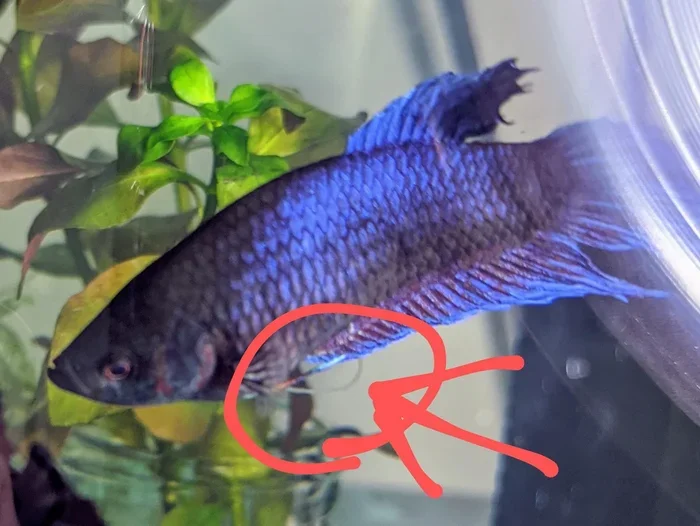
This is one of the most common questions among new betta owners. The answer is simpler than you might think. Bettas poop from a single opening called the vent, also known as the cloaca. This opening is located on the underside of the fish, near the tail fin.
The vent serves as a multi-purpose exit point. It releases solid waste (feces), liquid waste (urine), and in females, eggs. This shared opening is common among many freshwater fish species. It is efficient and compact, which makes sense for a small fish body.
If you look closely at your betta, you might notice a small opening just in front of the anal fin. That is the vent. When your fish is about to poop, you may see a small string of waste emerge from this spot. It is a fascinating process to observe once you know what to look for.
Understanding the anatomy helps you identify what is normal and what is not. For example, if you notice waste hanging from the vent for a long time, it could be a sign of constipation. This is a common issue in bettas and is usually easy to fix.
For more details on this topic, you can check out our guide on where does a betta fish poop from for a deeper dive into the anatomy and function of the vent.
Why Is Your Betta Fish’s Poop Important?
You might be thinking, “Why does it matter what my betta’s poop looks like?” The answer is simple: it is one of the earliest and most reliable signs of your fish’s overall health. Experienced fish keepers always pay attention to waste because it tells a story.
Poop as a Health Indicator
Changes in your betta’s bowel movements can signal a range of issues. These include digestive problems, infections, parasites, and even stress. Catching these changes early gives you a better chance of addressing the problem quickly.
Here are some key health indicators you can watch for in your betta’s waste:
- Consistent, normal poop: Your fish is healthy and eating well.
- No poop for over 24 hours: Could indicate constipation or loss of appetite.
- Stringy, white poop that hangs from the fish: Often a sign of internal parasites or poor digestion.
- Very dark or black poop: May indicate blood in the digestive tract.
- Floating, pale poop: Could suggest a diet low in protein or a digestive imbalance.
Observing your betta’s poop daily takes only a few seconds. Just glance at the substrate or watch for waste trailing behind your fish during free swimming. Make it part of your regular betta care routine.
How Poop Affects Water Quality
Betta waste does not just disappear. It breaks down in the tank and releases ammonia. Ammonia is toxic to fish, even in small amounts. This is why managing waste is critical for maintaining clean and safe tank water.
In a well-cycled tank, beneficial bacteria convert ammonia into nitrite and then into nitrate. Nitrate is much less harmful and can be removed through regular water changes. But if waste builds up faster than bacteria can process it, ammonia levels spike. This creates a dangerous environment for your betta.
Proper filtration and regular maintenance are essential. A good filter removes solid waste and supports the growth of helpful bacteria. Without adequate waste removal, your fish faces serious health risks. For tips on keeping your betta’s environment clean, read our article on how to take care of a betta fish water.
Common Problems with Betta Fish Poop
Even with the best care, bettas sometimes experience digestive issues. Knowing the common problems helps you act fast when something looks off. Most issues are easy to fix if you catch them early.
Constipation in Betta Fish
Constipation is one of the most common digestive problems in bettas. It happens when waste builds up in the intestines and the fish cannot pass it comfortably. Several factors contribute to constipation:
- Overfeeding, especially with dry foods that expand in the stomach
- A diet lacking in fiber
- Too many freeze-dried or processed foods
- Inadequate water temperature, which slows digestion
Signs of constipation include a swollen belly, reduced appetite, and little to no waste production. Your betta may also appear lethargic or hover near the surface gasping.
The good news is constipation is usually easy to treat. Try feeding your betta a single frozen or live daphnia. Daphnia acts as a natural laxative. You can also try fasting your fish for one day to give the digestive system a break. Keeping the water temperature between 78 and 80 degrees Fahrenheit supports healthy digestion as well.
Abnormal Poop Colors and What They Mean
Not all poop is created equal. Color changes can be harmless or they can signal a serious problem. Here is a quick reference guide:
- Brown or dark brown: Normal and healthy. This is what you want to see.
- Red or reddish: May be caused by bloodworm consumption. If it persists without bloodworms in the diet, check for internal issues.
- White or translucent: Often a sign of parasites or a digestive infection. Stringy white poop is a red flag.
- Green: Can result from too much plant matter in the diet or algae consumption.
- Black: May indicate old blood in the digestive tract. This warrants close observation.
- Yellow or orange: Sometimes normal if linked to specific foods. Otherwise, it could indicate a liver or digestive issue.
If you notice persistent abnormal colors, especially white or stringy waste, consider consulting a fish veterinarian or adjusting the diet. For more on betta health concerns, our article on can a betta fish poop covers related digestive topics in more detail.
How to Keep Your Betta’s Waste Under Control
Managing waste is a key part of responsible betta ownership. A clean tank means a healthy fish. Here are practical steps you can take every day, week, and month to keep waste under control.
Tank Maintenance Tips
Regular maintenance prevents waste from building up to dangerous levels. Here is a simple schedule you can follow:
- Daily: Remove any visible waste or uneaten food with a small net or turkey baster. Check that your filter is running properly.
- Weekly: Perform a 25 to 30 percent water change. Use a gravel vacuum to suck up waste trapped in the substrate.
- Monthly: Rinse or replace filter media in tank water (not tap water) to preserve beneficial bacteria. Check water parameters with a test kit.
- As needed: Clean the glass and remove any algae buildup that could affect water quality.
Consistency is key. Skipping water changes leads to ammonia buildup. This stresses your betta and can cause both digestive and immune problems. For guidance on how much water your tank needs, see our article on how much water does a betta fish need.
Feeding Practices for Healthy Digestion
What and how you feed your betta directly impacts their waste and overall digestion. Follow these feeding best practices:
- Feed high-quality pellets as the staple diet. Look for brands with high protein content and minimal fillers.
- Offer variety with frozen or live foods like bloodworms, brine shrimp, and daphnia two to three times per week.
- Stick to a consistent feeding schedule. Feed at the same times each day.
- Remove any uneaten food within five minutes of feeding. Leftover food decays and pollutes the water.
- Include one fasting day per week. This gives the digestive system time to clear out any remaining waste.
- Soak dry foods before feeding. This prevents them from expanding in the stomach and causing bloating.
Good feeding habits lead to regular, healthy bowel movements. They also reduce the amount of waste your tank needs to process. Your betta will be happier, more active, and less prone to digestive issues.
Quick Tips for Monitoring Betta Waste
Making waste observation part of your daily routine takes almost no time. Here are some quick tips to help you stay on top of things:
- Watch for waste during feeding time. Bettas often poop shortly after eating.
- Use a flashlight to inspect the substrate at the bottom of the tank.
- Keep a simple log of your betta’s feeding and waste patterns. This helps you spot trends over time.
- Do not panic over a single abnormal poop. Look for patterns. Persistent changes are the real concern.
- Keep your water parameters stable. Stress from poor water quality often shows up in digestion first.
These small habits add up to big benefits. You will become more attuned to your betta’s needs and catch problems before they become serious.
Expert Insights on Betta Fish Digestion and Waste
Veterinarians and experienced aquarists agree that waste observation is one of the simplest yet most powerful tools for betta care. Dr. Jessie Sanders, a certified aquatic veterinarian, often emphasizes that “the first signs of illness in fish show up in behavior and waste patterns.”
Many beginners overlook poop entirely. They focus on tank decor, lighting, and feeding schedules. But waste tells you what is happening inside your fish’s body. It is a direct reflection of diet, digestion, and overall wellness.
Experienced keepers also stress the importance of patience. Changes in waste can sometimes be temporary. A new food, a slight temperature fluctuation, or minor stress can cause brief changes. Give it a day or two before assuming something is wrong. If the issue persists, then it is time to take action.
Key Takeaways
- Betta fish poop through a single vent near the tail: This opening handles waste and, in females, eggs.
- Normal poop is small, brown, and tubular: It sinks or drifts slowly and breaks apart in the water.
- A healthy betta poops several times a day: Frequency depends on feeding schedule and diet.
- Abnormal colors and textures signal health issues: White, stringy, or very dark waste needs attention.
- Constipation is common but treatable: Daphnia, fasting, and proper temperature help resolve it.
- Waste affects water quality: Regular water changes and filtration keep ammonia levels safe.
- Daily observation catches problems early: A few seconds of watching can prevent serious health crises.
Conclusion
Betta fish poop might seem like a small detail, but it carries big meaning. Your betta’s waste reveals their digestive health, diet quality, and even the state of their tank water. By learning what normal looks like and watching for changes, you become a more effective and confident fish owner.
Make it a habit to observe your betta’s waste during your daily tank checks. It takes seconds and provides invaluable insight. Pair this awareness with proper feeding, clean water, and a well-maintained tank. Your betta will reward you with vibrant colors, active behavior, and a long, healthy life.
Remember, a happy betta is a healthy betta. And a healthy betta poops regularly, with waste that is normal in color, consistency, and frequency. Keep these tips in mind, trust your observations, and enjoy the rewarding experience of caring for these beautiful fish.
Frequently Asked Questions
Why is my betta fish not pooping?
A betta that is not pooping may be constipated, stressed, or unwell. Overfeeding, low water temperature, and a lack of fiber in the diet are common causes. Try fasting your fish for one day and offering a single daphnia to encourage bowel movements. If no waste appears after 48 hours, check water parameters and consider consulting a fish vet.
What does it mean when betta poop is stringy and white?
Stringy white poop often indicates internal parasites or a digestive infection. It can also result from excess mucus in the intestines due to poor diet or stress. Monitor your fish closely for other symptoms like lethargy, loss of appetite, or a swollen belly. If the condition persists, seek advice from an aquatic veterinarian.
Can betta fish poop get stuck?
Yes, bettas can experience impacted waste, especially when constipated. This happens when dry food expands in the stomach and blocks the digestive tract. Signs include a swollen abdomen and difficulty passing waste. Feeding daphnia or fasting for a day usually resolves mild cases. Severe impaction requires professional treatment.
How does water quality affect betta fish digestion and waste?
Poor water quality stresses bettas and disrupts their digestive processes. High ammonia and nitrite levels can cause irregular bowel movements and make waste appear abnormal. Regular water changes and proper filtration keep the tank environment stable. Clean water supports healthy digestion and consistent waste production.
Is it normal for betta poop to float?
Occasionally floating poop is usually not a concern, especially after feeding foods with air or low density. However, consistently floating waste may suggest a diet issue or digestive imbalance. Review your betta’s food and consider offering more high-quality pellets or sinking foods to promote normal waste behavior.
How can I prevent digestive problems in my betta fish?
Prevent digestive issues by feeding a balanced diet of high-quality pellets, frozen foods, and live foods. Include one fasting day per week. Avoid overfeeding and remove uneaten food promptly. Maintain stable water temperatures between 78 and 80 degrees Fahrenheit and perform regular water changes to support a healthy digestive system.