Is Your Betta Fishes Tail Injured
Is your betta fishes tail injured? Tail injuries in betta fish are common and can happen for many reasons, from rough tank mates to poor water quality. Recognizing the early signs of a damaged tail is the first step toward helping your fish recover. This guide covers the causes, symptoms, treatments, and prevention tips you need to keep your betta happy and healthy.
Is your betta fishes tail injured? If you have noticed tears, holes, or discoloration on your betta’s tail, you are not alone. Tail injuries are one of the most common health issues betta fish owners face. The good news is that most tail injuries are treatable, especially when you catch them early.
Your betta fish relies on its tail for more than just swimming. The tail, also called the caudal fin, plays a big role in balance, movement, and even showing off those beautiful colors. When the tail gets damaged, it affects your fish’s quality of life. Understanding what caused the injury is the key to fixing it and stopping it from happening again.
In this article, we will walk you through everything you need to know about betta fish tail injuries. We will cover the signs to watch for, the common causes, effective treatments, and simple prevention tips. Whether your betta has a small tear or a serious tail condition, this guide will help you take action with confidence.
Key Takeaways
- Spotting tail injuries early makes a huge difference in your betta fish recovery time.
- Poor water quality and aggressive tank mates are the top causes of betta fish tail damage.
- Simple home treatments like water changes and salt baths can help heal minor tail injuries.
- Fin rot and tail rot are serious conditions that need prompt attention and proper medication.
- Prevention is always better than cure — maintaining clean water and a stress-free environment keeps tails healthy.
- Betta fish tails can regrow if the injury is caught early and treated correctly.
- Know when to see a vet — some tail injuries need professional fish care.
📑 Table of Contents
How to Tell if Your Betta Fish Tail Is Injured
Knowing the signs of a tail injury helps you act fast. Betta fish cannot tell you when something is wrong, so you need to watch their body carefully. Here are the most common signs that your betta’s tail may be injured.
Visible Tears or Holes in the Tail
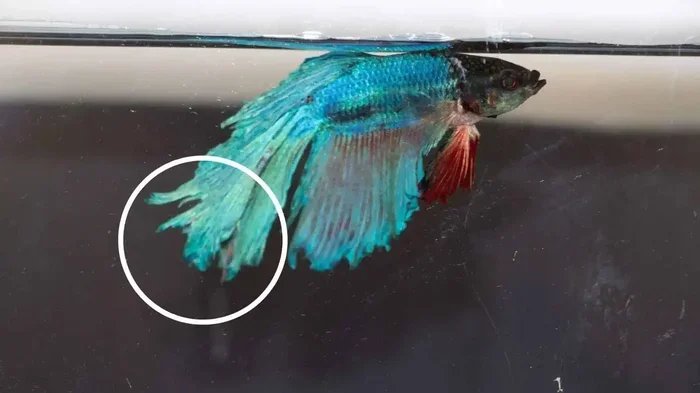
The easiest sign to spot is physical damage to the tail fin. You might see small tears, jagged edges, or round holes where the fin tissue is missing. These can look like the tail is shredded or split apart. Even a tiny tear can worsen quickly if the water conditions are not right.
Discoloration or White Edges
Watch for changes in color. A healthy betta tail should be vibrant and evenly colored. White or gray edges on the tail often signal the start of fin rot or a bacterial infection. Dark red or black spots may indicate bleeding or tissue damage beneath the fin.
Clamped or Droopy Tail
If your betta keeps its tail pressed close to its body, this is called tail clamping. It is a sign of pain or discomfort. A droopy tail that hangs limply instead of flowing gracefully is another red flag. Your fish may also swim differently, favoring one side or struggling to stay upright.
Reduced Appetite and Lethargy
A betta with an injured tail often eats less and stays near the bottom of the tank. Loss of energy and interest in food can mean the injury is causing stress or pain. If you notice these behaviors alongside tail damage, it is time to take action.
Common Causes of Betta Fish Tail Injuries
Understanding what caused the injury helps you treat it and prevent it from coming back. Tail injuries rarely happen without a reason. Let us look at the most common culprits.
Rough or Aggressive Tank Mates
Betta fish have long, flowing fins that can attract the attention of nippy tank mates. Fish like tiger barbs, angelfish, and some cichlids may bite at your betta’s tail. Even other bettas can be aggressive and cause tail damage. Always research tank compatibility before adding new fish to your betta’s home.
Sharp Decorations and Rough Surfaces
Decorations with sharp edges, rough plastic plants, or coarse gravel can snag and tear a betta’s delicate tail. Betta fins are very fragile, and even a small scratch can become a serious wound. Always choose smooth, silk plants and rounded decorations for your betta tank.
Poor Water Quality
Dirty water is one of the biggest enemies of betta fish health. High levels of ammonia and nitrites weaken the fish’s immune system and make the tail more vulnerable to damage and infection. Regular water changes and proper filtration are essential for keeping your betta safe.
Fin Rot and Bacterial Infections
Fin rot is a common condition caused by bacteria or fungi that eat away at the tail and fins. It often starts as a small white patch and quickly spreads, causing the tail to look ragged and rot away. If left untreated, fin rot can lead to severe tail damage and even loss of the tail entirely.
Tail Biting Behavior
Some bettas bite their own tails out of boredom or stress. Tail biting is a behavioral issue that causes self-inflicted injuries. This is more common in bettas kept in small tanks or tanks with nothing to do. Providing enrichment and a larger tank can help reduce this behavior.
If you want to learn more about why bettas damage their own tails, check out our guide on why is my betta fish biting his tail for deeper insights.
How to Treat an Injured Betta Fish Tail
The good news is that you can treat most minor tail injuries at home. Acting quickly gives your betta the best chance of a full recovery. Here is a step-by-step approach to help your fish heal.
Step 1: Improve Water Quality Immediately
Start with a 25 to 50 percent water change. Use dechlorinated water at the same temperature as the tank. Clean water reduces bacteria and gives your betta a healthier environment to heal in. Test your water parameters to make sure ammonia and nitrite levels are at zero.
Step 2: Add Aquarium Salt
Aquarium salt is a mild treatment that helps heal wounds and fight off mild infections. Add one teaspoon of aquarium salt per gallon of water for a short treatment period of three to five days. Make sure the salt you use is pure aquarium salt, not table salt, which contains harmful additives.
Step 3: Use Antibacterial Medication if Needed
If the tail injury looks infected or is not improving, consider using a fish-safe antibacterial medication. Products like Maracyn or API Fin & Body Cure work well for treating bacterial tail infections. Follow the dosage instructions carefully and monitor your fish during treatment.
Step 4: Remove Sharp Objects from the Tank
While your betta heals, remove any sharp decorations or rough substrates. Switch to smooth silk plants and soft gravel to prevent further injury. A stress-free environment is crucial for the healing process.
Step 5: Feed a Nutritious Diet
A healthy diet supports fast healing. Feed your betta high-quality pellets and occasional treats like bloodworms or brine shrimp. Good nutrition boosts the immune system and helps regenerate damaged fin tissue.
For more information on treating tail damage and understanding the healing process, read our article on why is my betta fish tail ripped to learn about the different types of tail damage and how to address each one.
Can a Betta Fish Tail Grow Back?
One of the most common questions betta owners ask is whether the tail will grow back. The answer is yes, in most cases. Betta fish have the ability to regenerate their fins and tails over time. However, the regrowth process depends on the severity of the injury and how quickly you start treatment.
Minor tears and small pieces of lost tail fin usually grow back within four to six weeks. The new tail may look slightly different at first, with a different color or shape, but it will gradually return to normal. Severe injuries that remove a large portion of the tail may take longer to heal and may not fully regenerate.
If the tail injury was caused by a bacterial infection and not treated promptly, the damage can spread to the tail base. Infections at the base are much harder to treat and may prevent full regrowth. This is why early detection and treatment are so important.
For a deeper look at tail deterioration and what it means for your betta’s recovery, visit our article on why is my betta fish tail deteriorating for expert guidance on managing worsening tail conditions.
Prevention Tips to Keep Your Betta Tail Healthy
Preventing tail injuries is always better than treating them. A few simple changes to your routine can keep your betta’s tail healthy and beautiful for years to come.
- Keep the water clean. Perform weekly water changes of 20 to 30 percent. Test water parameters regularly with a liquid test kit.
- Choose tank mates carefully. Only keep peaceful, non-nippy fish with your betta, or keep your betta alone in a solo tank.
- Use smooth decorations. Avoid sharp plastic plants and rough gravel. Silk plants and rounded stones are much safer.
- Maintain proper tank temperature. Keep the water between 76 and 82 degrees Fahrenheit. A stable temperature reduces stress.
- Provide enrichment. Add gentle water flow, hiding spots, and occasionally change the tank layout to keep your betta mentally stimulated.
- Do not overfeed. Overfeeding leads to dirty water and health problems. Feed small amounts two times a day.
- Quarantine new fish. Always isolate new fish for two weeks before adding them to your betta tank to prevent the spread of disease.
For more tips on keeping your betta healthy and happy, check out our guide on how to know if your betta fish is happy to learn the signs of a healthy, thriving betta.
When to See a Vet or Fish Specialist
Most tail injuries respond well to home treatment. However, some situations require professional help. Do not hesitate to consult a fish vet if you notice any of the following signs.
- The tail injury is spreading rapidly despite treatment.
- Your betta stops eating completely for more than two days.
- The tail base appears swollen, red, or has pus.
- Your fish is gasping at the surface or lying on its side.
- The tail has completely rotted away and the wound is deep.
- You have tried home treatments for over a week with no improvement.
A fish specialist can prescribe stronger medications and provide targeted treatment for serious tail injuries. Early intervention from a professional can save your betta’s life in severe cases. Do not wait too long to seek help if the injury looks worse each day.
For more information on recognizing when your betta is in serious trouble, read our article on why is my betta fish tail rotting to understand the progression of tail rot and how to stop it before it becomes life-threatening.
Quick Tips for Betta Tail Injury Care
Here is a quick reference guide you can come back to whenever your betta has a tail injury:
- Test the water and perform an immediate water change.
- Add aquarium salt at one teaspoon per gallon for three to five days.
- Remove any sharp or rough objects from the tank.
- Monitor your betta’s eating and swimming behavior daily.
- Use antibacterial medication if the injury shows signs of infection.
- Keep the tank temperature stable and stress-free.
- Contact a fish vet if the injury does not improve within one week.
Taking quick action and staying consistent with care gives your betta the best chance of a full tail recovery. Most betta fish go on to live happy, healthy lives even after a tail injury, as long as you provide the right conditions for healing.
Remember that a betta fish tail injury is not the end of the world. With the right knowledge and a little patience, your colorful friend will be swimming gracefully again in no time. Stay observant, keep the water clean, and always act fast when you notice something unusual with your betta’s tail.
Frequently Asked Questions
How long does it take for a betta fish tail to heal?
Minor tail injuries usually heal within four to six weeks with proper treatment. The healing time depends on the severity of the damage, water quality, and how quickly you start treatment. Keep the water clean and monitor your fish daily for the best results.
Can a betta fish tail grow back completely after an injury?
Yes, betta fish can regrow their tails in most cases. The new tail may look slightly different at first, but it will gradually return to its normal shape and color. Severe injuries or infections at the tail base may limit full regrowth, so early treatment is essential.
What does a dying betta fish tail look like?
A dying or severely infected tail may turn white, gray, or black. The tissue may appear melted, mushy, or completely disintegrating. If the tail has a foul smell or the fish shows signs of extreme lethargy, seek treatment immediately to prevent the condition from becoming fatal.
Is aquarium salt safe for betta fish tail injuries?
Yes, aquarium salt is safe and effective for treating minor betta tail injuries. Use one teaspoon per gallon for three to five days only. Always use pure aquarium salt, not table salt or marine salt, which contain harmful additives that can hurt your fish.
What causes a betta fish to tear its own tail?
Betta fish may tear their own tails due to boredom, stress, or poor tank conditions. Lack of enrichment, small tank size, and aggressive tank mates can all trigger tail biting or fin tearing. Providing a stimulating environment with smooth decorations helps prevent self-inflicted injuries.
Should I separate my betta fish if its tail is injured?
Yes, separating your betta is a good idea if the injury was caused by another fish. A quarantine tank gives your betta a stress-free environment to heal. It also prevents other fish from pecking at the injured tail, which can make the damage worse.
=== CONCLUSION ===
Is your betta fishes tail injured? Now you know how to spot the signs, understand the causes, and take action to help your fish recover. Tail injuries are common but treatable, and with the right care, your betta can heal fully and enjoy a happy life. Focus on maintaining clean water, choosing safe tank mates, and providing a stress-free environment to prevent future injuries. Keep a close eye on your betta every day, and do not hesitate to seek professional help if the injury looks serious. Your betta fish depends on you for its well-being, and a little attention goes a long way toward keeping that beautiful tail flowing gracefully.