Why Is My Betta Fish Color Fading

Seeing your betta lose its brilliant hue can be worrying, but it’s often a sign of something fixable. This guide explains the top reasons behind fading colors, from water quality to nutrition, and offers practical steps to restore your fish’s shine. Act quickly and keep your betta thriving!
Key Takeaways
- Water quality matters: Poor parameters are the #1 cause of faded colors.
- Diet is crucial: Lack of pigments and nutrients dulls a betta’s hue.
- Stress triggers fading: Over‑crowding, aggressive tank mates, and improper lighting all play a role.
- Health issues are warning signs: Parasites, disease, or fin rot can strip away color.
- Age and genetics: Some bettas naturally lose brightness as they mature.
- Regular tank maintenance: Clean water and proper filtration keep colors vivid.
- Quick fixes work: Simple changes in water, food, and environment can restore brilliance within weeks.
📑 Table of Contents
- Introduction: When the Rainbow Fades
- 1. Water Quality – The Silent Color Killer
- 2. Nutrition – Feeding the Palette
- 3. Stress Factors – When the Tank Becomes a Pressure Cooker
- 4. Health Issues – When Fading Signals Illness
- 5. Age and Genetics – The Natural Fade
- 6. Practical Checklist – Restoring the Rainbow
- Conclusion: A Brighter Tomorrow for Your Betta
Introduction: When the Rainbow Fades
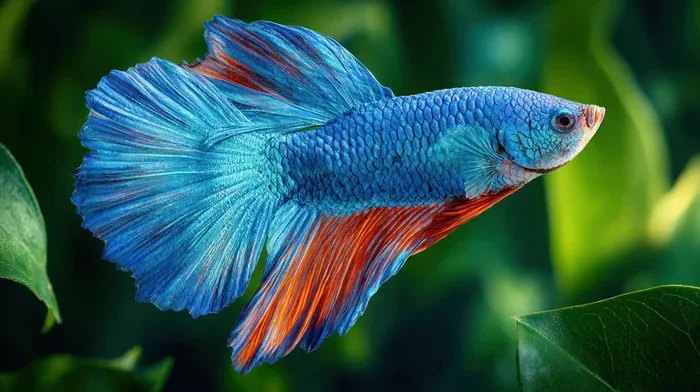
Betta fish are famous for their electric blues, fiery reds, and shimmering greens. So when you notice that once‑vivid tail turning pale, it can feel like a heartbreak. The question “why is my betta fish color fading?” pops into your mind, and you start worrying about illness or death.
Good news: fading is rarely a death sentence. More often it’s a signal that something in the tank or diet needs attention. In this friendly, step‑by‑step guide we’ll explore the most common culprits, explain how to spot early warning signs, and give you easy, affordable actions to bring back that showroom sparkle.
1. Water Quality – The Silent Color Killer
Why clean water matters
Betta fish are native to the slow‑moving, slightly acidic streams of Southeast Asia. In the wild, the water is soft, clear, and low in nitrates. When we keep them in a home aquarium, even a tiny slip in water chemistry can stress them, and stressed bettas often lose color.

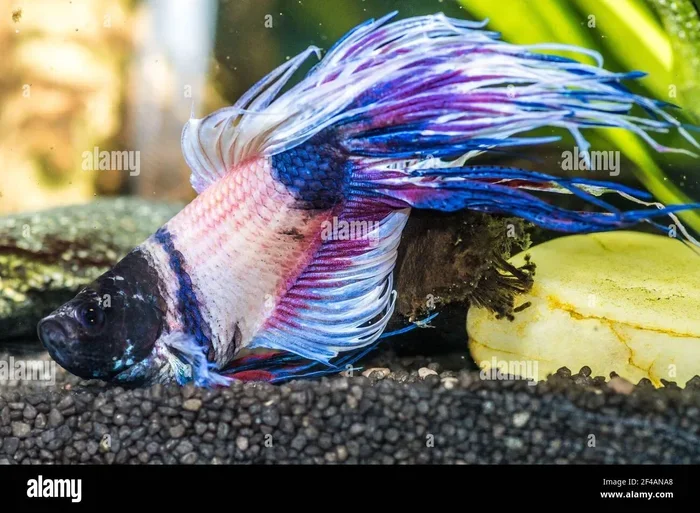
Visual guide about Why Is My Betta Fish Color Fading
Image source: auctions.c.yimg.jp
Key parameters to check
- Temperature: 76‑82°F (24‑28°C). Too cold slows metabolism; too hot spikes stress.
- pH: 6.5‑7.5. Sudden swings cause hormone imbalances that affect pigment cells.
- Ammonia & Nitrite: Both must be 0 ppm. Even a trace can irritate gills and dull coloration.
- Nitrate: Keep under 20 ppm. High nitrate weakens the immune system.
Practical water‑care tips
1. Test weekly with a reliable liquid test kit.
2. Perform a 25‑30% water change every 5‑7 days.
3. Use a gentle, sponge filter to keep the water moving without creating a strong current that bettas dislike.
If you’re constantly battling cloudy water, read our article on why is my betta fish water cloudy for deeper troubleshooting.
2. Nutrition – Feeding the Palette
What pigments do bettas need?
Bright reds, oranges, and yellows come from carotenoids, while blues and greens are enhanced by flavonoids and astaxanthin. A bland diet of only dry flakes strips away these natural dyes.
Best foods for vivid colors
- High‑quality betta pellets that list “natural color enhancers” on the label.
- Frozen or live foods such as bloodworms, daphnia, and brine shrimp – all rich in carotenoids.
- Supplemental color boosters (e.g., spirulina or astaxanthin powders) mixed into food a few times a week.
Feeding schedule
Offer 2‑3 small meals per day, no more than the amount your betta can eat in 2 minutes. Over‑feeding leads to waste, fouling the water and indirectly causing color loss.
3. Stress Factors – When the Tank Becomes a Pressure Cooker
Common stressors
- Improper lighting: Too bright or constant light can bleach pigments. Aim for 8‑10 hours of gentle LED light, with a dark period at night.
- Tank mates: Betta males are territorial. Even peaceful companions can cause chronic stress, leading to faded colors.
- Frequent disturbances: Loud noises, vibrations, or constant handling can keep a betta on edge.
How to create a calm environment
1. Keep the tank in a quiet spot away from windows and speakers.
2. Use a dimmable LED fixture or a floating plant to diffuse light.
3. If you must house other fish, choose small, non‑aggressive species and provide plenty of hiding spots.

Visual guide about Why Is My Betta Fish Color Fading
Image source: moz-forestlabel.jp
4. Health Issues – When Fading Signals Illness
Diseases that affect color
Some illnesses directly damage pigment cells or cause the fish to look pale:
- Ich (white spot disease): Tiny white cysts can make the skin look milky.
- Fin rot: Bacterial infection that erodes fins and removes bright edges.
- Swim bladder disorder: Affected fish may float sideways and appear dull.
Spotting early signs
Look for loss of appetite, clamped fins, ragged edges, or unusual swimming patterns. If you notice any of these, check out our guide on why is my betta fish floating sideways for more clues.
Quick health actions
1. Quarantine the fish in a separate hospital tank.
2. Raise the temperature to 80°F (27°C) to speed up the immune response.
3. Treat with a broad‑spectrum aquarium medication if parasites are suspected.
5. Age and Genetics – The Natural Fade
When fading is normal
Betta fish, like many animals, can lose some vibrancy as they age. A male that was a dazzling electric blue at 3 months may turn a softer teal by 12 months. This is normal and not a cause for alarm.
Genetic factors
Some strains are bred for extreme colors that are less stable. If your fish’s lineage is known for “color fading,” you may simply be witnessing genetics at work.
What you can still do
Even older bettas benefit from optimal water, diet, and low stress. Maintaining these basics can keep the remaining color as vivid as possible.
6. Practical Checklist – Restoring the Rainbow
Step‑by‑step action plan
- Test water – Verify ammonia, nitrite, nitrate, pH, and temperature.
- Change water – Replace 25‑30% with conditioned, matching‑temperature water.
- Upgrade diet – Add live or frozen foods twice a week and a color‑enhancing supplement.
- Adjust lighting – Provide 8‑10 hours of soft light, and add plants or décor to diffuse glare.
- Check for stressors – Remove aggressive tank mates, limit handling, and ensure a quiet spot.
- Observe health – Look for signs of disease; if present, begin treatment and quarantine.
- Monitor progress – Re‑test water after each change; expect gradual color return in 1‑3 weeks.
When to seek help
If after two weeks there’s no improvement, or if the fish shows lethargy, loss of appetite, or abnormal swimming, consider consulting a vet who specializes in fish or a reputable aquarium store.
Conclusion: A Brighter Tomorrow for Your Betta
Finding out “why is my betta fish color fading” can feel like a mystery, but most cases have clear, manageable answers. By keeping the water pristine, feeding a pigment‑rich diet, reducing stress, and watching for health issues, you give your betta the best chance to shine again.
Remember, a happy betta is a colorful betta. Keep an eye on the basics, act quickly when you notice changes, and enjoy the vibrant display that made you fall in love with these little champions of the aquarium world.
Frequently Asked Questions
Why does my betta’s color fade after a water change?
Sometimes a sudden shift in temperature or pH during a water change can stress the fish, causing temporary pallor. Make sure new water matches the tank’s temperature and is properly conditioned.
Can over‑feeding cause my betta to lose color?
Yes. Excess food decays, raising ammonia and nitrate levels, which stress the fish and dull its pigments. Feed only what your betta can eat in a couple of minutes, twice a day.
Is it normal for a betta to turn white as it ages?
Gradual fading is common in older bettas, especially in certain color strains. It’s a natural process, but maintaining good water and diet can keep the remaining color vivid.
My betta is hiding and looks pale. Should I be worried?
Hiding often signals stress or illness. Check water parameters, look for signs of disease, and ensure the tank provides plenty of cover.
Can adding live plants help restore my betta’s color?
Live plants improve water quality by absorbing nitrates and provide natural shading, both of which reduce stress and can help colors rebound.
How long does it take for a betta’s color to return after fixing the problem?
Most bettas show noticeable improvement within 1‑3 weeks if water, diet, and stressors are addressed promptly. Patience and consistent care are key.