Can Betta Fish Live with Males
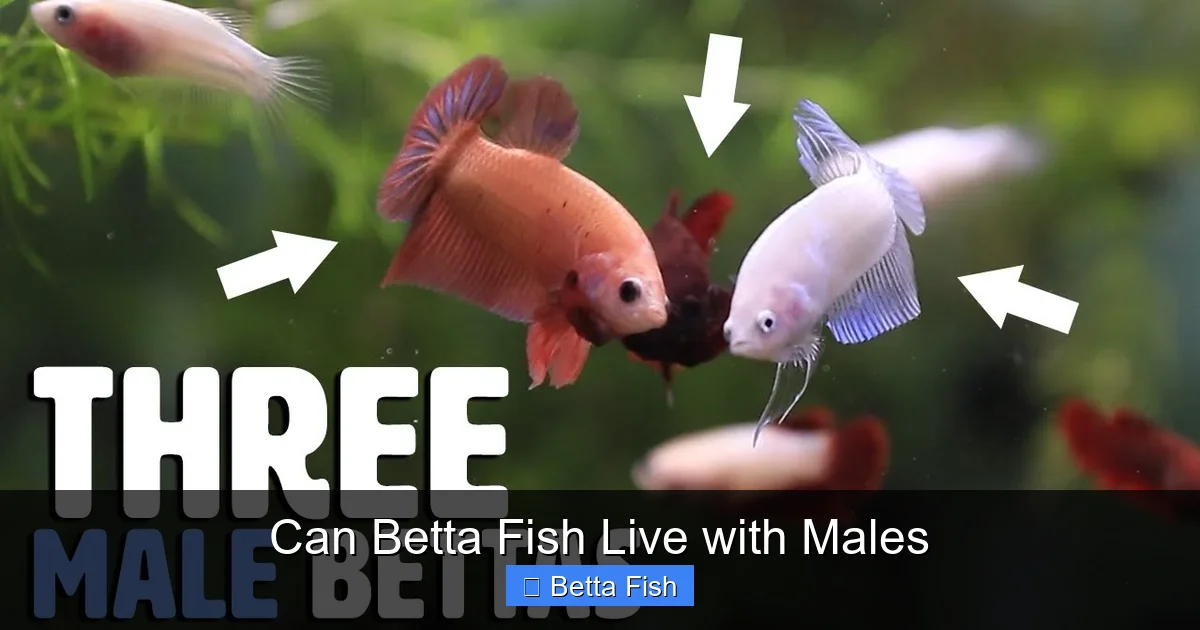
Male betta fish are famously aggressive toward other males, making it extremely dangerous to house two male bettas together in the same tank. While male bettas can sometimes live with other species of fish, they should never be kept with another male betta. Understanding their territorial nature is the key to creating a safe and thriving aquarium environment.
Key Takeaways
- Male bettas are highly territorial and will fight other male bettas, often to the death, making cohabitation impossible.
- Female bettas can sometimes live together in groups called sororities, but male bettas cannot live with other males under any circumstances.
- Male bettas can live with certain other fish species if the tank is large enough and has plenty of hiding spots and visual barriers.
- Tank size matters significantly — a minimum of 20 gallons is recommended when adding tank mates to a male betta’s aquarium.
- Careful observation is essential during the first few weeks after introducing any new fish to a betta’s tank.
- Each betta has a unique personality, so some males are more tolerant of tank mates than others, requiring individualized approaches.
- Proper tank setup with plants, caves, and decorations can dramatically reduce aggression and stress in a community betta tank.
📑 Table of Contents
- Can Betta Fish Live With Males? The Complete Guide to Betta Fish Compatibility
- Understanding Male Betta Fish Aggression
- What Happens When Two Male Bettas Are Placed Together
- Can Male Bettas Live With Female Bettas?
- Safe Tank Mates for Male Betta Fish
- Setting Up a Community Tank for a Male Betta
- Recognizing and Managing Stress in Betta Fish
- Alternative Options for Keeping Multiple Bettas
- Conclusion
Can Betta Fish Live With Males? The Complete Guide to Betta Fish Compatibility
If you’ve ever wandered down the fish aisle at your local pet store, you’ve probably noticed something interesting. Bettas are almost always kept in tiny individual cups, separated from one another. You might have wondered — why? The answer lies in one of the most well-known facts about these beautiful fish: male bettas are incredibly aggressive toward other males. But what does this mean for you as an aquarium hobbyist? Can betta fish live with males, or is it a recipe for disaster?
The short and honest answer is no. Male bettas cannot and should not be housed together. This isn’t just a suggestion or a general guideline — it’s a hard rule that every betta keeper needs to follow. Male betta fish have been bred for centuries for their fighting tendencies, and placing two males in the same tank will almost always result in serious injury or death. In this comprehensive guide, we’ll explore why male bettas are so aggressive, what happens when you put two males together, and how you can safely create a community tank around a single male betta.
Understanding Male Betta Fish Aggression
Why Are Male Bettas So Territorial?
To understand why male bettas can’t live together, you need to understand their natural behavior. Betta splendens, the scientific name for the common betta fish, are native to the shallow rice paddies, ponds, and slow-moving streams of Southeast Asia — particularly Thailand, Cambodia, and Vietnam. In the wild, male bettas establish and defend territories that can span several feet. They use these territories to attract females and to protect their bubble nests.
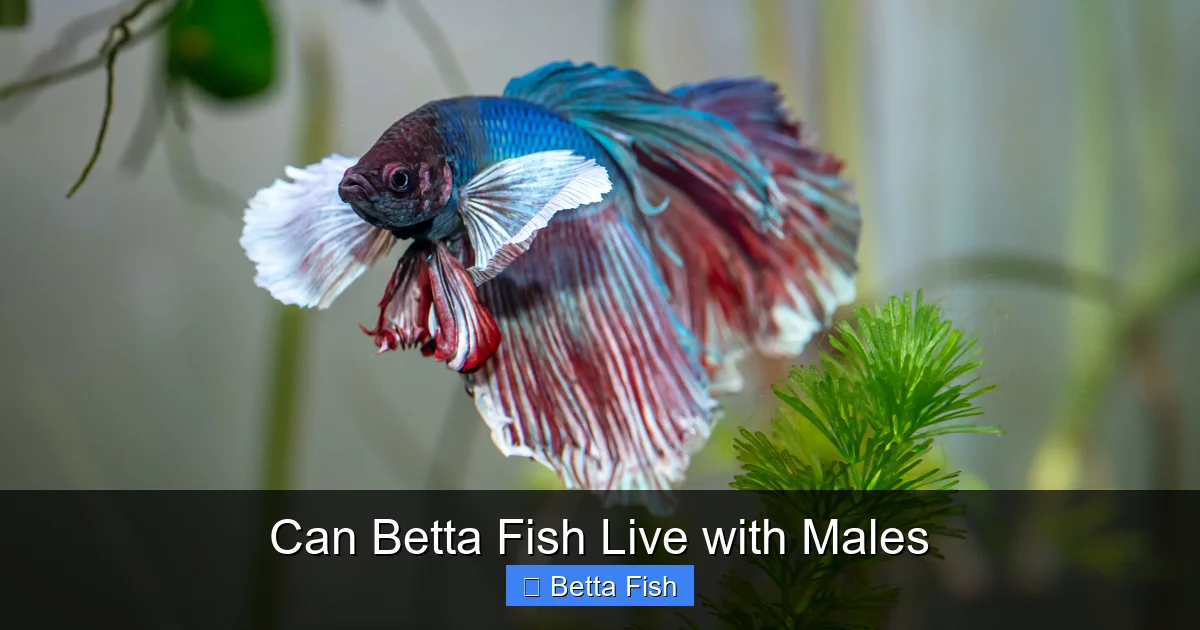
Visual guide about Can Betta Fish Live with Males
Image source: worldanimalprotection.us
Over thousands of years, bettas in Thailand were selectively bred for fighting ability. The sport of betta fighting was so popular that the King of Thailand regulated it and even taxed it. This selective breeding amplified the natural aggression that male bettas already possessed. Today’s pet store bettas carry this genetic legacy, which is why even two unrelated male bettas will see each other as immediate threats.
How Male Bettas Display Aggression
When two male bettas encounter each other, they go through a series of aggressive displays before physical combat begins. Understanding these signs can help you recognize trouble early if you ever accidentally introduce two males to the same space. First, the bettas will flare their gills, spreading their opercula (gill covers) wide to appear larger and more intimidating. Their colors will intensify, and they will spread their fins dramatically.
Next, they may engage in parallel swimming, where the two males swim side by side, continuing to flare and display. This is essentially a standoff — each fish is trying to intimidate the other into backing down. If neither fish retreats, the confrontation escalates to biting and ramming. Male bettas will tear at each other’s fins, bite at their bodies, and lock jaws. These fights can last for hours and frequently result in severe injuries, infections, or death.
What Happens When Two Male Bettas Are Placed Together
The Immediate Danger
Placing two male bettas in the same tank is not a matter of “maybe they’ll get along.” It is a near certainty that they will fight. Unlike some fish species where aggression can be managed with space and hiding spots, male betta aggression toward other males is so deeply ingrained that no amount of tank decoration or space can reliably prevent conflict.
Even in very large tanks, male bettas will eventually find each other and fight. They can see each other through the glass of adjacent tanks and will flare constantly, which causes chronic stress. This is why pet stores keep them in individual cups — not because the cups are ideal living conditions, but because it’s the only safe way to house multiple males in close proximity.
Common Injuries From Male Betta Fights
When male bettas fight, the injuries can be devastating. Torn and shredded fins are the most common outcome, but the damage often goes much deeper. Bettas can suffer from bite wounds that become infected, leading to fin rot or bacterial infections. Severe fights can cause internal injuries, scale damage, and extreme stress that weakens the immune system. Even the “winner” of a betta fight is often left with injuries that require weeks of careful treatment and pristine water conditions to heal.
The psychological damage is also significant. A betta that loses a fight may become stressed, lethargic, and refuse to eat. Chronic stress from being housed near another male (even in a separate tank within visual range) can lead to a weakened immune system and a shortened lifespan. This is why responsible betta care means keeping males completely separate from one another.
Can Male Bettas Live With Female Bettas?
The Difference Between Male-to-Male and Male-to-Female Dynamics
While male bettas cannot live with other males, the situation with female bettas is different — though still complicated. Male and female bettas can be introduced to each other temporarily for breeding purposes, but they should not be housed together permanently. After breeding, the male will become aggressive toward the female and may attack her if she is not removed from the tank.
Female bettas are generally less aggressive than males, and they can sometimes live together in groups known as betta sororities. However, even sororities require careful planning, a large tank (at least 20 gallons for 4-5 females), plenty of hiding spots, and constant monitoring. Sororities can fail, and when they do, the results can be just as violent as male-to-male confrontations.
Breeding Considerations
If you’re interested in breeding bettas, you’ll need to introduce a male and female carefully. The female should be placed in a separate container within the male’s tank so they can see each other without physical contact. Once the male builds a bubble nest and the female shows vertical breeding stripes, they can be released together for spawning. After the eggs are laid and fertilized, the female must be removed immediately to prevent the male from attacking her. The male will then care for the eggs and fry until they become free-swimming.
Safe Tank Mates for Male Betta Fish
Fish Species That Can Coexist With Male Bettas
While male bettas can’t live with other males, they can sometimes share a tank with other species of fish. The key is choosing tank mates that are peaceful, fast enough to avoid a betta’s aggression, and not colorful or long-finned enough to trigger a territorial response. Some of the best options include neon tetras, corydoras catfish, harlequin rasboras, and ember tetras. These fish occupy different areas of the tank and are generally non-threatening to bettas.
It’s important to remember that every betta has a unique personality. Some male bettas are relatively docile and tolerate tank mates well, while others are highly aggressive and will attack anything that moves. For a comprehensive guide on compatible species, check out our article on what fish can live with betta males, which covers the best and worst tank mate options in detail.
Invertebrates as Tank Mates
Invertebrates can make excellent tank mates for male bettas. Snails like nerite snails and mystery snails are popular choices because they help clean algae and are generally ignored by bettas. Their hard shells provide protection if a curious betta decides to investigate. Similarly, shrimp like cherry shrimp and amano shrimp can coexist with bettas, though there’s always a risk that a particularly aggressive betta may see smaller shrimp as food.
If you’re considering invertebrates as companions for your betta, our guides on can betta fish live with snails and can betta fish live with shrimp provide detailed information on which species work best and how to set up the tank for success.
Fish to Absolutely Avoid
Not all fish make good betta tank mates. You should never house a male betta with guppies (especially fancy guppies with bright, flowing fins), goldfish, tiger barbs, or other anabantoids like gouramis. Guppies resemble male bettas in their bright colors and flowing fins, which triggers aggression. Goldfish require completely different water parameters and temperature. Tiger barbs are notorious fin nippers that will torment a betta. And gouramis are closely related to bettas, making them natural rivals.
Setting Up a Community Tank for a Male Betta
Tank Size and Layout
If you want to keep a male betta with tank mates, tank size is critically important. A minimum of 20 gallons is recommended for a betta community tank, though larger is always better. A larger tank gives each fish its own territory and reduces the chances of conflict. The tank should be heavily planted with live or silk plants, and it should include plenty of caves, driftwood, and other decorations that create visual barriers and hiding spots.
Live plants like java fern, anubias, and amazon sword are particularly beneficial because they provide cover, improve water quality, and create a more natural environment. Floating plants like hornwort or water sprite are also excellent because bettas love to rest near the surface, and floating plants give them a sense of security.
Water Parameters and Filtration
Maintaining proper water quality is essential for any community tank, but it’s especially important when you have a betta with tank mates. Bettas prefer warm water between 76-82°F with a pH of 6.5-7.5. The tank should have a gentle filter — bettas don’t appreciate strong currents because their large fins make swimming against a current exhausting. A sponge filter or a hang-on-back filter with an adjustable flow rate works well.
Regular water changes of 25-30% per week will keep nitrate levels in check and ensure a healthy environment for all inhabitants. Always use a water conditioner to remove chlorine and chloramines from tap water before adding it to the tank.
Introducing New Fish to Your Betta’s Tank
The introduction process can make or break a community tank. Never simply drop a new fish into your betta’s established territory — this is a guaranteed way to trigger aggression. Instead, rearrange the tank decorations before adding new fish. This disrupts the betta’s established territory and makes the environment “new” for everyone, giving all fish an equal footing.
When you add new fish, do it in the evening when the lights are dim or off. Monitor the tank closely for the first few days, watching for signs of aggression or stress. If your betta is relentlessly chasing or attacking the new fish, you’ll need to separate them immediately. Having a backup tank or a tank divider on hand is always a good idea when experimenting with new tank mate combinations.
Recognizing and Managing Stress in Betta Fish
Signs of a Stressed Betta
Stress is one of the biggest killers of betta fish, and it can be caused by aggression from tank mates, poor water conditions, or an inadequate environment. Common signs of stress in bettas include loss of color, clamped fins, loss of appetite, lethargy, and hiding. A stressed betta may also develop stress stripes — horizontal lines along the body that indicate fear or anxiety.
If you notice these signs, check your water parameters immediately. Ammonia, nitrite, or nitrate spikes are common culprits. Also, observe the tank dynamics to see if any tank mates are bullying your betta. Sometimes the betta is the aggressor, but other times the betta is the victim — especially in tanks with fin-nipping species.
Creating a Stress-Free Environment
The best way to keep your betta stress-free is to provide an environment that meets all of their needs. This means a properly sized tank (minimum 5 gallons for a betta alone, 20+ gallons for a community), warm and clean water, plenty of hiding spots, and appropriate tank mates. Bettas also benefit from a consistent day-night cycle, so use a timer on your aquarium lights to provide 8-10 hours of light per day.
Feeding your betta a varied, high-quality diet also contributes to overall health and stress reduction. Offer a mix of betta pellets, frozen or live bloodworms, daphnia, and brine shrimp. A well-fed, well-cared-for betta is more resilient and better able to handle the minor stresses of community tank life.
Alternative Options for Keeping Multiple Bettas
Tank Dividers
If you have a large tank and want to keep multiple male bettas, a tank divider is the only safe option. The divider must be solid and completely opaque — if the males can see each other, they will constantly flare and stress themselves out. Even with an opaque divider, there’s a risk that the males will detect each other’s presence through vibrations and chemical signals in the water, so this setup still requires careful monitoring.
Separate Tanks
The safest and most recommended approach for keeping multiple male bettas is to house them in separate, individual tanks. Each male should have his own aquarium of at least 5 gallons with a heater, filter, and decorations. This eliminates all risk of fighting and allows each betta to thrive without the stress of a rival nearby. If you’re a betta enthusiast who loves keeping multiple males, this is the responsible and humane choice.
Betta Sororities (Female Groups)
If you’re drawn to the idea of keeping multiple bettas together, consider a female betta sorority instead. Female bettas are less aggressive than males and can sometimes coexist in groups of 4-6 in a heavily planted 20+ gallon tank. However, sororities require experience, careful planning, and a willingness to separate fish if aggression occurs. This is not a beginner-level project, but it can be rewarding for experienced aquarists.
Conclusion
So, can betta fish live with males? The definitive answer is no. Male bettas are hardwired to fight other males, and there is no safe way to house two male bettas together in the same aquarium. Their territorial aggression is a product of thousands of years of natural behavior and selective breeding, and it cannot be trained or tamed out of them.
However, this doesn’t mean your male betta has to live a lonely life. With the right tank setup, appropriate tank mates, and careful observation, you can create a beautiful community aquarium centered around a single male betta. Choose peaceful, non-threatening species, provide plenty of space and hiding spots, and always be prepared to separate fish if aggression arises.
Understanding and respecting your betta’s natural behavior is the foundation of responsible fishkeeping. By giving your male betta the environment he needs — without the danger of another male rival — you’ll be rewarded with a vibrant, active, and healthy fish that can live for 3-5 years or more. Your betta’s brilliant colors and fascinating personality are best enjoyed when he’s safe, stress-free, and the undisputed king of his own domain.
Frequently Asked Questions
What is can betta fish live with males?
can betta fish live with males is an important topic with many practical applications.