Can a Betta Fish Live with a Otocinclus Catfish
Yes, a betta fish can often share a tank with an Otocinclus catfish if you meet the right conditions. Key factors include tank size, water parameters, and careful monitoring of personalities. Follow our guide to create a peaceful home for both species.
Key Takeaways
- Tank size matters: Provide at least a 10‑gallon tank to give both fish enough space.
- Water parameters should match: Keep temperature between 76‑80°F and pH around 6.5‑7.5.
- Temperament is crucial: Choose a peaceful male or a well‑behaved female betta to reduce aggression.
- Otocinclus are excellent cleaners: They help control algae while staying out of the betta’s way.
- Introduce slowly: Use a quarantine or breeder box first to let them get used to each other.
- Watch for stress signs: Faded colors or rapid fin movement mean it’s time to re‑evaluate.
- Provide hiding spots: Plants, driftwood, and caves give the catfish safe refuge.
📑 Table of Contents
Introduction: Why Pair a Betta with an Otocinclus?
If you’ve ever wondered can a betta fish live with a otocinclus catfish, you’re not alone. Many hobbyists love the vibrant colors of a betta and the tiny, algae‑eating prowess of an Otocinclus. The idea of a low‑maintenance tank where one fish adds flair and the other keeps the glass clean is very appealing.
However, bettas are known for their territorial streak, especially males. Otocinclus, on the other hand, are shy, schooling catfish that prefer to stick close to the bottom. Getting them to co‑exist peacefully requires a little planning, but the payoff is a lively, balanced aquarium that looks great and stays cleaner longer.
Understanding the Two Species
Betta Fish Basics
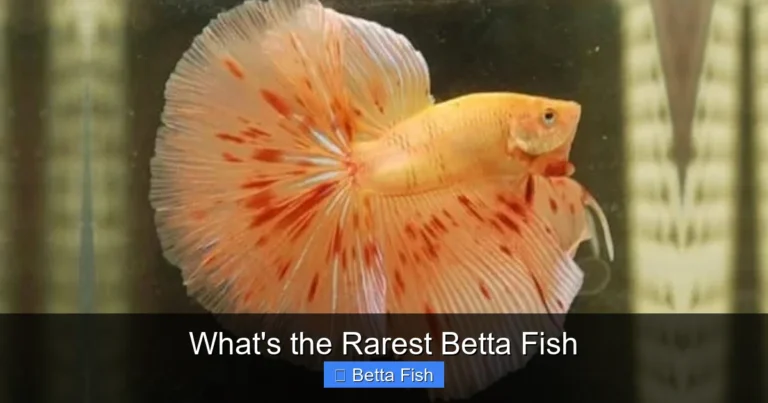
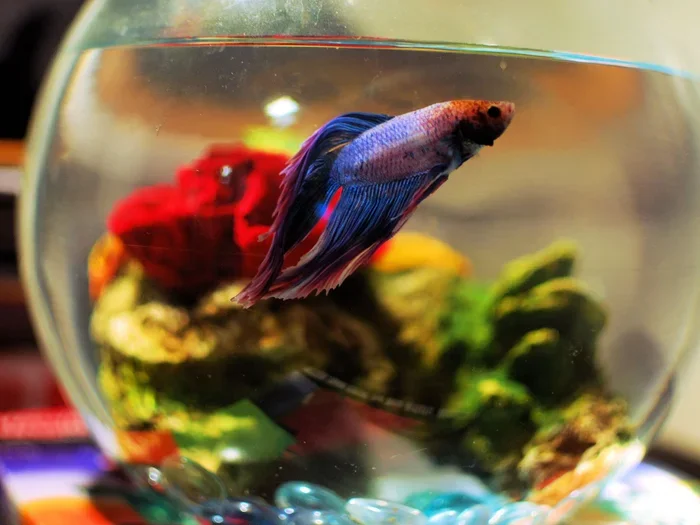
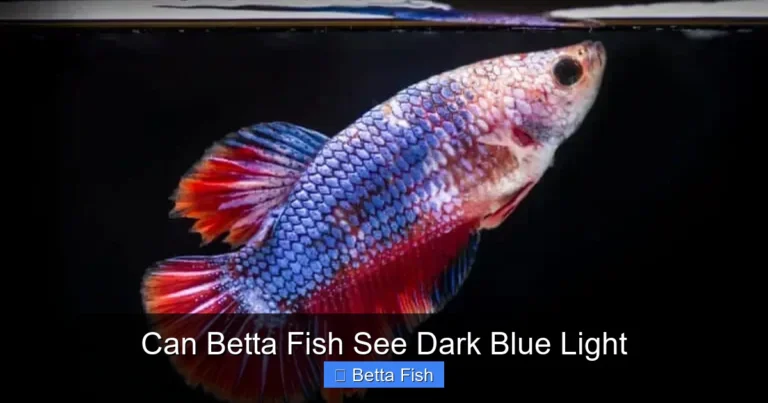
Betta splendens, often called Siamese fighting fish, are native to shallow rice paddies in Thailand. They thrive in warm, slightly acidic water (76‑82°F, pH 6.0‑7.5). Males are flamboyant, showing bright fins and a penchant for defending their space. Females are less aggressive but can still be territorial.
Visual guide about Can a Betta Fish Live with a Otocinclus Catfish
Image source: bettacarefishguide.com
Otocinclus Catfish Basics
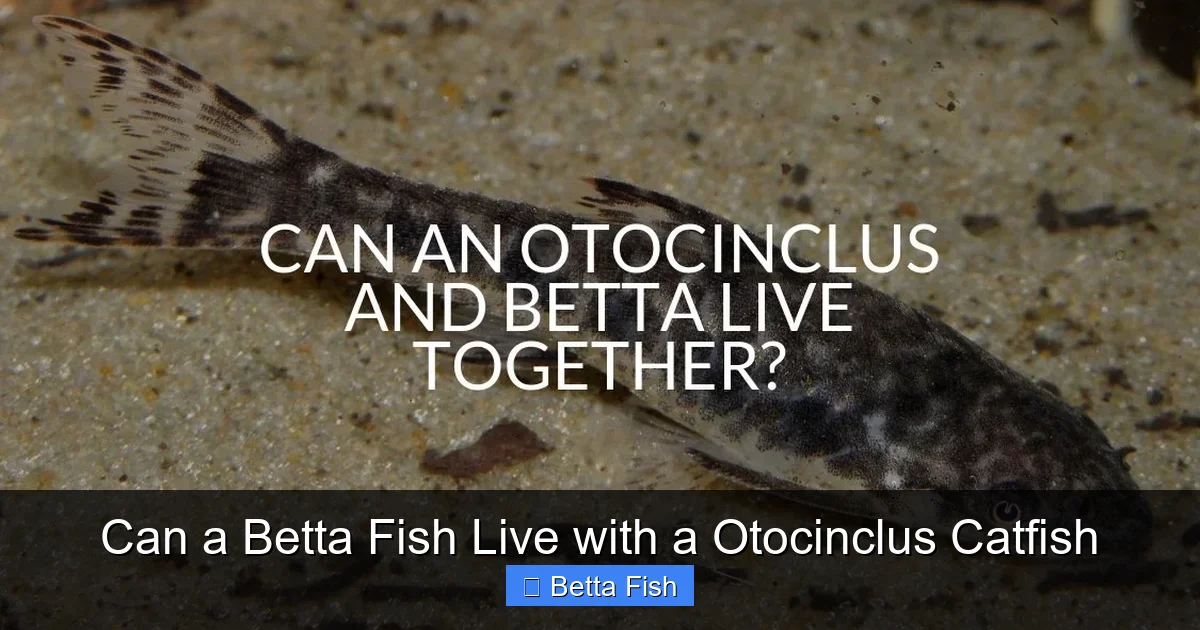
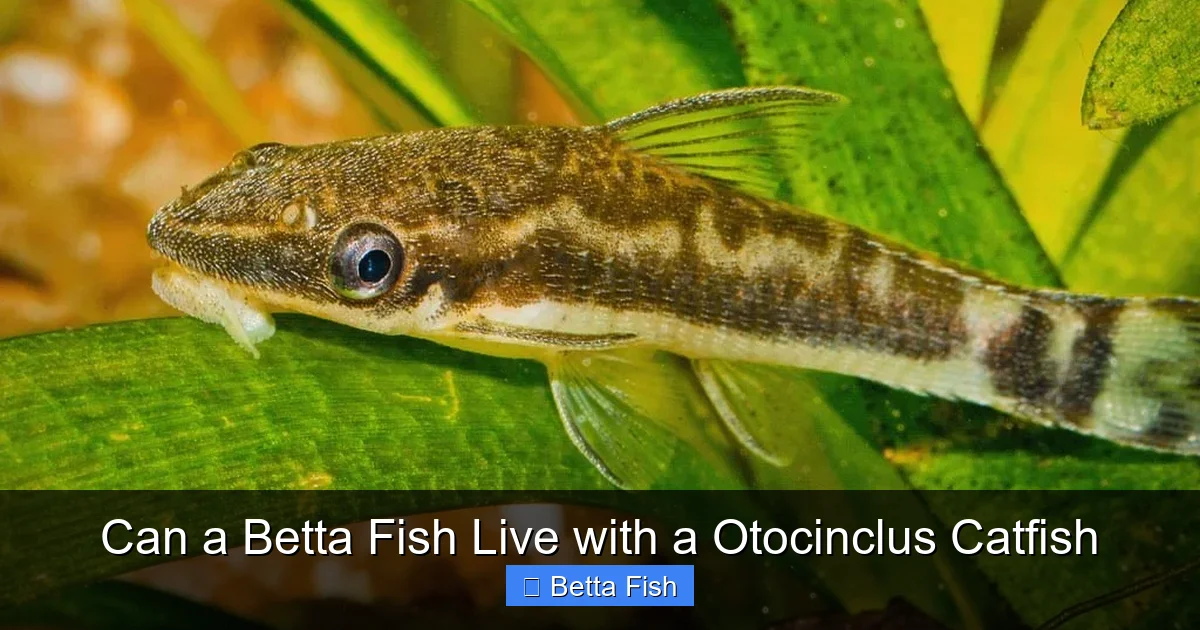
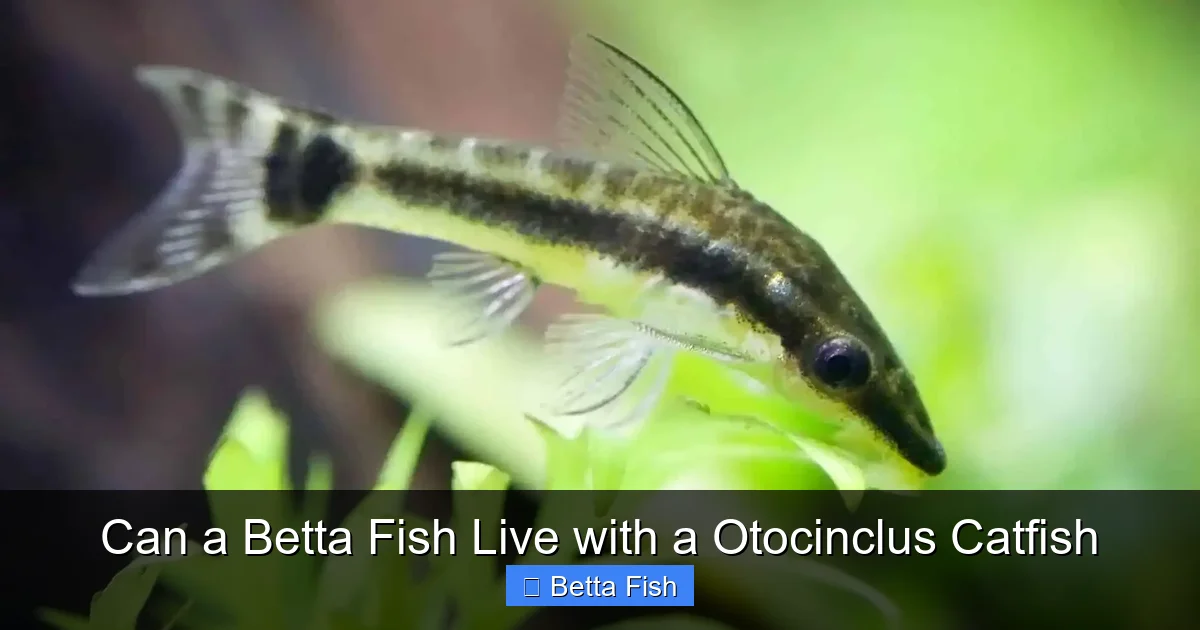
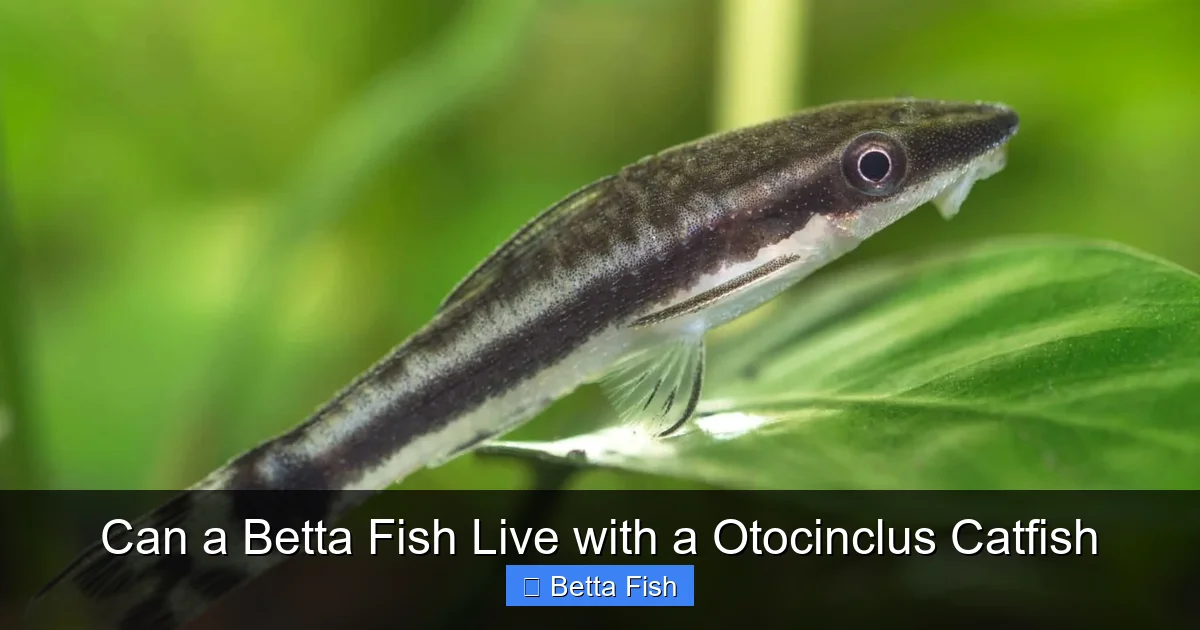
Otocinclus, commonly called “Otos,” are tiny South American catfish that grow to about 1‑2 inches. They are peaceful, nocturnal grazers that love to nibble on algae, bio‑film, and soft plant matter. They prefer water temperatures of 72‑80°F and a pH of 6.0‑7.5, which lines up nicely with betta requirements.
Compatibility Overview
When you ask can a betta fish live with a otocinclus catfish, the short answer is yes—provided you meet a few key criteria. Both species enjoy similar temperature ranges, and Otos are too small to be seen as food by most bettas. The biggest hurdle is the betta’s temperament; a calm betta is far more likely to ignore the catfish.
Setting Up the Perfect Tank
Size and Layout
The minimum tank size for a betta‑Otocinclus pair is 10 gallons. This gives the betta enough horizontal space to establish a territory without feeling cramped, and it provides the Otocinclus a decent swimming area near the substrate.
Visual guide about Can a Betta Fish Live with a Otocinclus Catfish
Image source: bettasource.com
- Length over height: A longer tank reduces line‑of‑sight confrontations.
- Vertical space: Include floating plants or a surface cover to break the line of sight.
Substrate and Décor
Soft sand or fine gravel works best for Otocinclus, as they like to sift through the substrate. Add live plants such as Java fern, Anubias, or Cryptocoryne to give the catfish shelter and the betta places to rest.
Driftwood and cork bark create natural hiding spots and also help maintain water hardness. Rocks with smooth edges can be used for additional cover, but avoid sharp décor that could injure the delicate Otocinclus.
Water Quality and Filtration
Both fish are sensitive to ammonia and nitrite spikes. A gentle sponge filter or a low‑flow canister filter is ideal; it provides enough movement to keep the water clean without creating a strong current that can stress the betta.
Maintain a weekly water change of 25‑30% and test the water weekly for ammonia, nitrite, nitrate, and pH. Consistency is key—sudden shifts can trigger aggression in bettas.
Lighting and Algae Management
Otocinclus thrive on a modest photoperiod of 8‑10 hours. Too much light encourages algae growth, which can lead to over‑feeding the catfish and making the tank look messy. Use a timer and consider a dimmable LED that mimics natural daylight.
Introducing the Otocinclus to Your Betta
Quarantine and Health Checks
Before adding any new fish, quarantine the Otocinclus for at least two weeks. This prevents the spread of disease and gives you a chance to observe their behavior. Look for active swimming, clear eyes, and no signs of fungal growth.
Visual guide about Can a Betta Fish Live with a Otocinclus Catfish
Image source: fishlaboratory.com
Acclimation Process
Use the “float‑in” method: place the bag containing the Otocinclus in the tank for 15 minutes to equalize temperature, then slowly add a cup of tank water every 5 minutes for another 30 minutes. This reduces shock and helps the catfish adjust to the betta’s water chemistry.
First Days Together
Place the Otocinclus in a breeder box or a small net cage for the first 24‑48 hours. This lets the betta see the newcomer without direct contact. Observe the betta’s reaction—if it flares or paces aggressively, you may need to reconsider the pairing.
After a calm observation period, gently release the Otocinclus into the tank during a feeding time. The distraction of food often reduces territorial displays.
Monitoring Behavior and Maintaining Harmony
Signs of Compatibility
Positive indicators include:
- The betta ignoring the Otocinclus while swimming near the surface.
- Otocinclus grazing on algae without being chased.
- Both fish displaying normal, relaxed swimming patterns.
Red Flags to Watch For
If you notice any of the following, intervene quickly:
- Betta repeatedly flares at the catfish.
- Otocinclus hides constantly or shows torn fins.
- Both fish exhibit rapid breathing or erratic swimming.
In such cases, provide additional hiding places, reduce tank size for the betta temporarily, or consider a separate tank for the Otocinclus.
Feeding Strategies
Betta fish are carnivorous and prefer high‑protein pellets or frozen bloodworms. Feed them once or twice daily, offering only what they can consume in two minutes.
Otocinclus are herbivores; they graze on algae, but you can supplement with blanched vegetables (zucchini, spinach) and specialized algae wafers. Feed the catfish after the betta’s meal to avoid competition.
Common Questions About Betta‑Otocinclus Pairings
Can a betta eat an Otocinclus?
Generally no. Otocinclus are too small and fast for most bettas to catch. However, a very aggressive male may attempt to nip at the catfish’s fins, so choose a calm betta.
Do Otocinclus need a group?
Yes. Otocinclus are schooling fish and feel safest in groups of at least three to six. A larger group also spreads any aggression from the betta more evenly.
What other fish can share this tank?
If you have extra space, peaceful dwarf shrimp or small nerite snails can coexist well. For more fish, consult Which Fish Can I Put With A Betta for compatible options.
How often should I clean the tank?
Perform a 25‑30% water change weekly and clean the filter media in tank water (not tap water) to preserve beneficial bacteria. For detailed cleaning tips, see How To Clean A Betta Fish Tank With Live Plants.
Is this pairing suitable for beginners?
Yes, if you follow the guidelines above. The betta’s bright colors and the Otocinclus’s algae‑eating habit make for a rewarding starter setup.
Conclusion: A Peaceful Partnership Is Possible
Answering the question can a betta fish live with a otocinclus catfish boils down to preparation and observation. By providing a spacious, well‑filtered tank with plenty of hiding spots, matching water parameters, and introducing the fish slowly, you set the stage for a harmonious community.
Remember to keep an eye on behavior, maintain water quality, and feed both species appropriately. With these steps, you’ll enjoy a vibrant betta displaying its fins while a tiny Otocinclus silently cleans the glass—an ideal win‑win for any aquarist.
Frequently Asked Questions
Can a betta fish live with an Otocinclus catfish?
Yes, a betta can live with an Otocinclus catfish if the tank is large enough, water conditions match, and the betta’s temperament is calm.
What tank size is recommended for a betta and Otocinclus?
A minimum of 10 gallons is advised to give both fish enough space and to reduce territorial aggression.
Do Otocinclus need a group?
Otocinclus are social and should be kept in groups of three or more for best health and behavior.
How should I feed a betta‑Otocinclus community?
Feed the betta high‑protein pellets or frozen foods once or twice daily, and provide algae wafers or blanched vegetables for the Otocinclus after the betta has eaten.
What signs indicate stress in either fish?
Faded colors, rapid fin movement, hiding constantly, or frequent flaring are all signs that the fish may be stressed and need adjustments.
Can I add other peaceful fish to this setup?
Yes, small peaceful species like nerite snails or dwarf shrimp can coexist; always check compatibility lists such as What Fish Can Live With A Betta before adding new tankmates.