How to Take Care of Your New Betta Fish
Taking care of your new betta fish starts with the right tank, clean water, and a proper feeding routine. This guide covers everything you need to know about betta fish care, from setting up a healthy habitat to keeping your fish happy and active. You will learn simple steps to give your betta the best life possible.
Bringing home a new betta fish is exciting. These beautiful creatures, also known as Siamese fighting fish, bring color and personality to any space. But how to take care of your new betta fish properly? Many new owners make mistakes that lead to stress, illness, or worse. The good news is that betta fish care does not have to be complicated. With the right setup and a little knowledge, your new friend can live a happy and healthy life for three to five years.
This guide walks you through every step of betta fish care for beginners. You will learn how to set up the perfect tank, what to feed your betta, how to keep the water clean, and how to spot early signs of trouble. Whether you just brought your betta home or are planning to, this article has you covered. Let us dive in and make sure your new fish thrives.
Key Takeaways
- Tank Size Matters: A minimum 5-gallon tank gives your betta room to thrive and stay healthy.
- Water Quality Is Critical: Regular water changes and proper conditioning prevent common health problems.
- Feeding Should Be Consistent: Feed small amounts twice a day and avoid overfeeding at all costs.
- Temperature Control Is Essential: Keep water between 76-82°F using a reliable aquarium heater.
- Enrichment Improves Happiness: Plants, hiding spots, and gentle interaction keep your betta engaged and stress-free.
- Watch for Warning Signs: Knowing common disease symptoms helps you act fast and save your fish.
- Patience Pays Off: Proper acclimation and gradual adjustments lead to a long, healthy betta life.
📑 Table of Contents
- Setting Up the Perfect Tank for Your New Betta Fish
- Water Quality and Maintenance for Betta Fish
- Feeding Your New Betta Fish the Right Way
- Creating a Healthy and Enriching Habitat
- Keeping Your Betta Fish Healthy and Happy
- Common Mistakes New Betta Owners Make
- Conclusion: Your Journey to Expert Betta Care
Setting Up the Perfect Tank for Your New Betta Fish
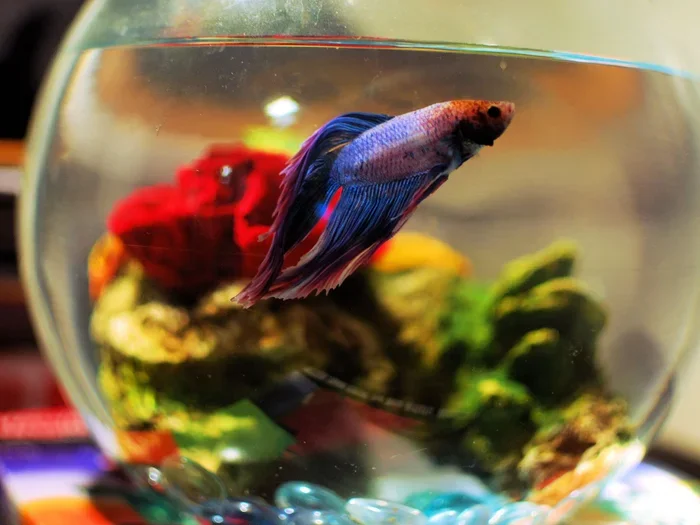
The first step in how to take care of your new betta fish is creating a proper home. Many people think bettas can live in tiny bowls, but that is a myth. A small tank limits movement, traps toxins, and causes stress. Your betta deserves space to swim and explore.
Choosing the Right Tank Size
A 5-gallon tank is the minimum recommended size for a single betta fish. This gives enough room for swimming, swimming, and placing decorations. Tanks smaller than 3 gallons are too small for long-term health. Larger tanks, like 10 gallons, are even better because they are more stable in terms of water chemistry.
Here are some quick tips for tank selection:
- Go for at least a 5-gallon tank.
- Avoid bowls and vases as permanent homes.
- Choose a tank with a flat lid to prevent escapes.
- Consider a longer tank rather than a tall one for more swimming space.
Essential Equipment You Will Need
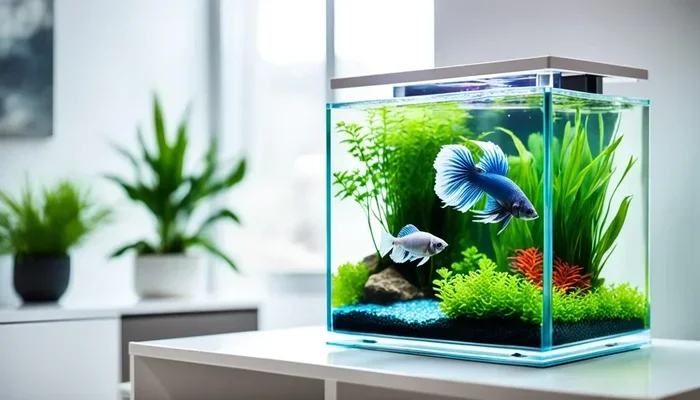
Every betta tank needs a few key pieces of equipment. An aquarium heater keeps the water temperature steady between 76 and 82 degrees Fahrenheit. Bettas are tropical fish and need warm water to stay healthy. A gentle filter is also important, but avoid strong currents because bettas prefer calm water. Sponge filters work great for this.
You will also need a thermometer to monitor the temperature, a water conditioner to remove chlorine and chloramine from tap water, and a small net for handling your fish safely. Proper betta fish tank setup makes all the difference in your fish’s wellbeing.
Cycling Your Tank Before Adding Your Betta
Before bringing your betta home, you should cycle the tank. Cycling means building up beneficial bacteria that break down harmful substances like ammonia and nitrite. This process takes about two to four weeks. Adding your betta to an uncycled tank can cause ammonia poisoning, which is often fatal.
If you are short on time, you can use a water conditioner and perform frequent water changes during the first few weeks. But ideally, let the tank cycle fully first. This is one of the most important steps in how to properly care for betta fish from day one.
Water Quality and Maintenance for Betta Fish
Clean water is the foundation of good betta fish care. Bettas are sensitive to poor water conditions. Ammonia, nitrite, and nitrate levels can rise quickly in small tanks and make your fish sick. Keeping the water clean is not hard, but it does require consistency.
How Often Should You Change the Water?
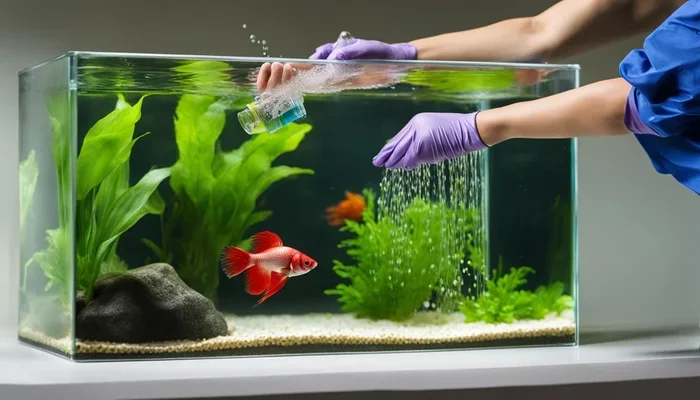
For a 5-gallon tank, aim to change about 25 to 30 percent of the water every week. This removes built-up waste and keeps parameters stable. Use a gravel vacuum to suck up debris from the substrate during water changes. Always treat new water with a conditioner before adding it to the tank.
Here is a simple weekly maintenance routine:
- Test the water temperature and make sure it matches the tank.
- Remove 25 to 30 percent of the old water.
- Vacuum the gravel and remove any visible debris.
- Add fresh, conditioned water at the right temperature.
- Check the filter and rinse it in old tank water if needed.
Understanding Water Parameters
Keep an eye on your water parameters. The ideal pH for bettas is between 6.5 and 7.5. Ammonia and nitrite should always read zero, and nitrate should stay below 20 ppm. You can use liquid test kits for accurate readings. Test strips work too, but they are less precise. Regular testing helps you catch problems before they become serious.
Many owners ask how to care for betta fish water specifically. The answer is simple: consistency and cleanliness. Stable water conditions reduce stress and boost your betta’s immune system.
Feeding Your New Betta Fish the Right Way
Feeding is one of the most important parts of how to take care of your new betta fish. Bettas are carnivores and need a protein-rich diet. Many commercial fish flakes are not enough on their own. A varied diet keeps your betta healthy, colorful, and full of energy.
Best Foods for Betta Fish
High-quality betta pellets should form the staple of your fish’s diet. Look for pellets where the first ingredient is whole fish or fish meal. You can also offer frozen or live foods like brine shrimp, bloodworms, and daphnia as treats. These are packed with protein and help bring out your betta’s natural colors.
Here is a simple feeding guide:
- Staple food: High-quality betta pellets, once or twice a day.
- Treats: Frozen or live foods, two to three times a week.
- Portion size: Only what your fish can eat in two minutes.
- Fasting day: Skip one feeding per week to prevent bloating.
Common Feeding Mistakes to Avoid
Overfeeding is the number one mistake new betta owners make. Excess food sinks to the bottom, rots, and pollutes the water. This spikes ammonia levels and can make your fish very sick. Another mistake is feeding only flakes. Bettas often refuse flakes because they do not sink and lack the nutrition bettas need.
Always remove uneaten food within a few minutes. A consistent feeding schedule helps your betta feel secure and reduces stress. Proper betta fish diet directly impacts your fish’s lifespan and vitality.
Creating a Healthy and Enriching Habitat
A bare tank with nothing in it is boring for your betta. Adding the right decorations and plants makes your fish feel safe and stimulates natural behavior. How to properly care for betta fish includes creating an environment that mimics their natural habitat.
Decorations and Hiding Spots
Betta fish love places to hide and rest. Add caves, driftwood, or smooth rocks to give your fish a sense of security. Avoid sharp decorations that can tear their delicate fins. Silk plants are a great choice because they have soft edges. Live plants are even better because they help absorb nitrates and produce oxygen.
Decorating your betta fish tank is fun and functional. Just make sure there is still plenty of open swimming space in the middle of the tank.
Adding Live Plants
Live plants are a fantastic addition to any betta tank. They improve water quality, provide hiding spots, and look beautiful. Some easy-to-grow plants for bettas include java fern, anubias, and amazon sword. These plants do not need high light or special substrates. Simply anchor them to rocks or driftwood and they will thrive.
If you are new to planted tanks, start with a few low-maintenance plants. Your betta will appreciate the extra cover and the natural feel of the environment.
Keeping Your Betta Fish Healthy and Happy
Prevention is always better than cure when it comes to betta fish care. A well-maintained tank and a stress-free environment go a long way in keeping your fish healthy. But it is also important to know the signs of common problems so you can act quickly.
Common Betta Fish Diseases
Some of the most common health issues include fin rot, ich (white spot disease), and swim bladder disorder. Fin rot shows up as ragged or discolored fins. Ich appears as tiny white spots on the body and fins. Swim bladder disorder causes your fish to float sideways or struggle to stay upright.
Most of these problems come from poor water quality or stress. Regular water changes, a balanced diet, and a stable temperature can prevent many diseases. If you notice symptoms, test your water first and then consider treatment options like aquarium salt or medicated food.
Signs of a Happy and Healthy Betta
A healthy betta fish has bright, vibrant colors and flowing fins. It swims actively and responds to your presence. A happy betta will build bubble nests at the surface, which is a natural behavior and a great sign. If your fish is hiding all the time, has faded colors, or refuses food, something may be wrong.
Want to know more about reading your fish’s behavior? Check out our guide on how to know if your betta fish is happy for detailed tips on understanding your fish’s mood and wellbeing.
Bonding With Your Betta Fish
Bettas are smarter than people think. They can recognize their owners and respond to feeding time. Spend a few minutes each day observing your fish and talking softly near the tank. Over time, your betta may swim to the front when you approach. Building a bond with your betta fish is one of the most rewarding parts of fish keeping.
You can also try gentle enrichment activities. Some owners teach their bettas to follow their finger or swim through hoops. How to teach your betta fish to do tricks is a fun way to interact and keep your fish mentally stimulated.
Common Mistakes New Betta Owners Make
Even with the best intentions, new betta owners often make mistakes. Learning what to avoid saves you time, money, and heartache. Here are the most common errors and how to prevent them.
- Keeping the betta in too small a tank: Bowls and tiny containers lead to poor water quality and stress.
- Skipping the tank cycle: Adding a betta to an uncycled tank exposes it to deadly ammonia levels.
- Overfeeding: Excess food clouds the water and causes health problems like bloating and swim bladder issues.
- Using cold water without a heater: Bettas need warm, stable temperatures to thrive.
- Ignoring water changes: Even with a filter, regular water changes are essential for removing waste buildup.
- Housing two male bettas together: Male bettas are territorial and will fight, often to the death.
Avoiding these mistakes puts you on the right path to successful betta fish care. If you want a deeper dive into common challenges, read our article on why are betta fish so hard to take care of to understand the unique needs of these beautiful fish.
Conclusion: Your Journey to Expert Betta Care
Taking care of your new betta fish is a rewarding experience that starts with the right knowledge and a little patience. From setting up a proper 5-gallon tank to maintaining clean water, feeding a balanced diet, and creating an enriching habitat, every step matters. Your betta depends on you for its health and happiness, and the effort you put in will be repaid with years of colorful, active companionship.
Remember that every betta is unique. Some are bold and curious, while others are shy and reserved. Pay attention to your fish’s individual personality and adjust your care routine accordingly. With the tips in this guide, you are well on your way to becoming a confident betta owner. Enjoy the journey and celebrate the joy that your new betta brings to your home.
If you want to explore more about how to properly care for betta fish, visit our detailed guide for even more tips and insights on creating the perfect environment for your aquatic friend.
Frequently Asked Questions
What size tank do I need for a new betta fish?
A 5-gallon tank is the minimum recommended size for a single betta. This gives your fish enough room to swim and helps maintain stable water conditions. Avoid bowls or containers smaller than 3 gallons, as they are too small for long-term health.
How often should I feed my new betta fish?
Feed your betta small amounts twice a day. Only give what your fish can eat in about two minutes. Include one fasting day per week to prevent overfeeding and digestive issues like bloating.
What is the best water temperature for betta fish?
Betta fish thrive in water temperatures between 76 and 82 degrees Fahrenheit. Use an aquarium heater and a thermometer to keep the temperature stable. Sudden temperature changes can stress your fish and weaken its immune system.
How do I know if my betta fish is sick?
Common signs of illness include faded colors, clamped fins, loss of appetite, and unusual swimming behavior. If you notice white spots, ragged fins, or your fish floating sideways, test your water and look into treatment options right away.
Can I keep plants in my betta fish tank?
Yes, live plants are excellent for betta tanks. They improve water quality, provide hiding spots, and create a natural environment. Good beginner-friendly options include java fern, anubias, and amazon sword plants.
How long do betta fish live on average?
With proper care, betta fish typically live three to five years. A well-maintained tank, balanced diet, and clean water all contribute to a longer, healthier life. Genetics and early care also play a role in your betta’s lifespan.