Yes, betta fish can absolutely recover from a fight, provided the injuries are not too severe and you act quickly. Most bettas heal remarkably well with clean water, proper nutrition, and a stress-free environment. Minor torn fins can regrow within weeks, while more serious wounds need extra care and patience. This guide covers everything you need to know about helping your betta bounce back after an aggressive encounter.
Key Takeaways
- Betta fish can recover from most fights: With proper care, torn fins and minor wounds typically heal within 2 to 6 weeks.
- Clean water is the number one healer: Pristine water conditions prevent infection and dramatically speed up the recovery process.
- Fins can regrow over time: Unlike some fish, betta fins have the ability to regenerate, though the new growth may look slightly different.
- Stress reduction is critical: Removing stressors like tank mates, bright lights, and loud noises helps your betta focus energy on healing.
- Severe injuries need veterinary attention: Deep body wounds, fungal infections, or fin rot that sets in may require antibiotic treatment.
- Prevention is always better than cure: Understanding why bettas fight and housing them properly avoids the problem entirely.
- Nutrition supports recovery: High-quality, protein-rich foods boost the immune system and accelerate tissue repair in injured bettas.
📑 Table of Contents
- Understanding Why Betta Fish Fight in the First Place
- What Happens When Betta Fish Fight
- Can Betta Fish Recover from a Fight? The Healing Process
- How to Help Your Betta Recover After a Fight
- When to Seek Veterinary Help
- Preventing Future Fights
- How Long Does It Take for a Betta to Fully Recover?
- Common Myths About Betta Fish Recovery
- Conclusion
Understanding Why Betta Fish Fight in the First Place
If you have ever watched two bettas square off against each other, you know it can be both fascinating and terrifying. Their flared gills, puffed-up bodies, and aggressive posturing are hard to miss. But before we dive into whether betta fish can recover from a fight, it helps to understand why these beautiful fish brawl in the first place.
Betta fish, also known as Siamese fighting fish, were originally bred in Thailand for organized fighting matches. That aggressive DNA is still very much alive in the bettas we keep as pets today. Male bettas are especially territorial and will attack other males on sight. Even female bettas can be aggressive toward each other, particularly when establishing a hierarchy in a group setting.
Territorial Aggression Is Hardwired
Male bettas are solitary by nature. In the wild, each male claims his own territory and defends it fiercely. When another male enters that space, the response is immediate and violent. This is why keeping two male bettas together almost always ends in disaster. They simply cannot coexist peacefully because their instincts tell them to fight for dominance.
Females are a bit more social, but they still have their limits. A group of females, called a sorority, can sometimes work in large, heavily planted tanks. However, even sororities can break into skirmishes, especially if the group is too small or the tank lacks hiding spots.
Common Triggers for Betta Fights
Beyond territorial disputes, several other factors can trigger aggression in bettas. These include competition for food, stress from poor water conditions, lack of space, and even reflections in the tank glass. Sometimes a betta will attack his own reflection, thinking it is a rival. Understanding these triggers is the first step toward preventing fights and keeping your fish safe.
If you are considering housing your betta with other fish, it is essential to research compatible tank mates carefully. Our guide on what other fish can live with betta fish provides detailed advice on choosing safe companions.
What Happens When Betta Fish Fight
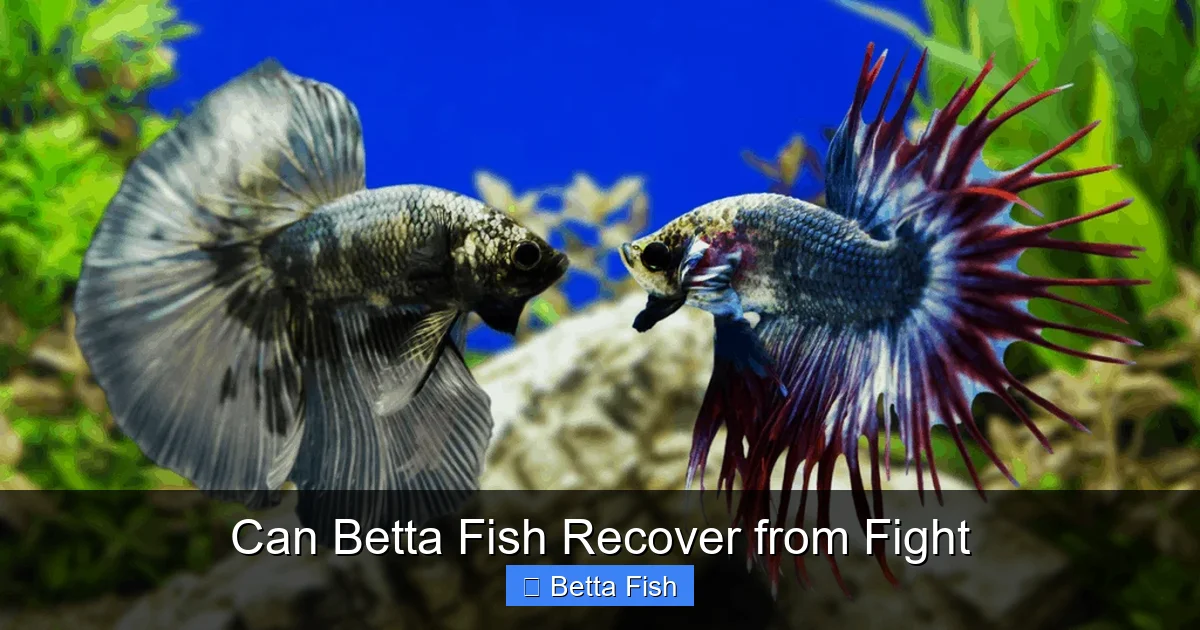
When two bettas clash, the damage can range from mild to catastrophic. Knowing what to look for helps you assess the severity of the injuries and decide on the right course of action.
Visual guide about Can Betta Fish Recover from Fight
Image source: japanesefightingfish.org
Types of Injuries Betta Fish Sustain
The most common injuries from betta fights involve torn or shredded fins. Bettas have long, flowing fins that are easy targets during a brawl. You might notice pieces missing from the tail, dorsal, or anal fins. In more serious fights, bettas can bite chunks out of each other’s bodies, causing open wounds. Eye damage, while less common, can also occur.
Here is a quick breakdown of injury severity:
- Minor injuries: Small tears or nicks in the fins. These heal quickly and usually require no special treatment beyond clean water.
- Moderate injuries: Significant fin damage with large sections missing. The fish may appear stressed and hide more than usual.
- Severe injuries: Deep body wounds, damaged scales, or infections that develop after the fight. These require immediate intervention.
Signs Your Betta Has Been Injured
After a fight, your betta may show several signs of distress. Look for clamped fins, lethargy, loss of appetite, visible wounds, or changes in coloration. Some bettas become more reclusive, hiding behind decorations or near the surface. Others may swim erratically or rub against objects in the tank, a behavior known as flashing, which can indicate irritation or the onset of infection.
It is important to observe your betta closely for the first 24 to 48 hours after a fight. This is the critical window when infections can take hold and minor injuries can become serious problems.
Can Betta Fish Recover from a Fight? The Healing Process
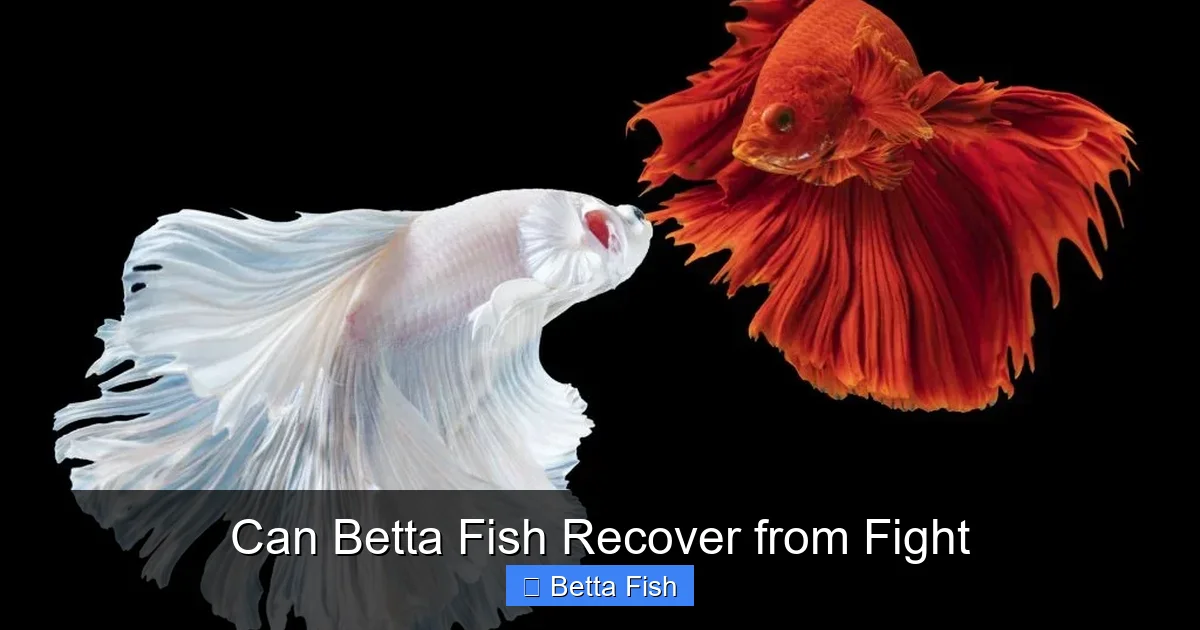
So, can betta fish recover from a fight? The short answer is yes, absolutely. Betta fish are surprisingly resilient creatures. With the right conditions, most bettas bounce back from even significant injuries. Let me walk you through exactly what the healing process looks like and how you can support your fish every step of the way.
Visual guide about Can Betta Fish Recover from Fight
Image source: bettacarefishguide.com
How Betta Fish Bodies Heal
Like many fish, bettas have a remarkable ability to regenerate damaged tissue. When a fin is torn, the body immediately begins repairing the wound. New tissue forms at the edges of the tear, gradually closing the gap. Over time, the fin can regrow almost completely, though the new growth may have a slightly different texture or coloration than the original.
The healing timeline depends on the severity of the injury. Minor fin tears can show improvement within a few days and fully heal in two to three weeks. More extensive damage may take four to six weeks or longer. Body wounds heal more slowly and carry a higher risk of infection, so they require closer monitoring.
The Role of Clean Water in Recovery
If there is one thing that makes or breaks a betta’s recovery, it is water quality. Dirty water is full of bacteria and parasites that can invade open wounds and cause serious infections. On the other hand, clean, well-maintained water gives your betta’s immune system the support it needs to heal naturally.
During recovery, test your water parameters regularly. Ammonia and nitrite should always be at zero, and nitrate should stay below 20 ppm. Perform small, frequent water changes rather than large ones to keep conditions stable without stressing the fish. A temperature of 78 to 80 degrees Fahrenheit is ideal because it supports a healthy metabolism and immune response.
What About Fin Regrowth?
One of the most common questions betta owners ask is whether damaged fins will grow back. The good news is that betta fins can and do regrow. For a detailed look at this topic, check out our article on whether betta fish fins can grow back. The regrowth process is slow, sometimes taking several weeks to a few months, but it happens.
During regrowth, you might notice a thin, translucent membrane forming along the edges of the damaged fin. This is new tissue developing, and it is a great sign that healing is underway. Over time, the new growth will thicken and develop color. In some cases, the regrown fin may not look exactly like the original, but your betta will still swim and function perfectly well.
How to Help Your Betta Recover After a Fight
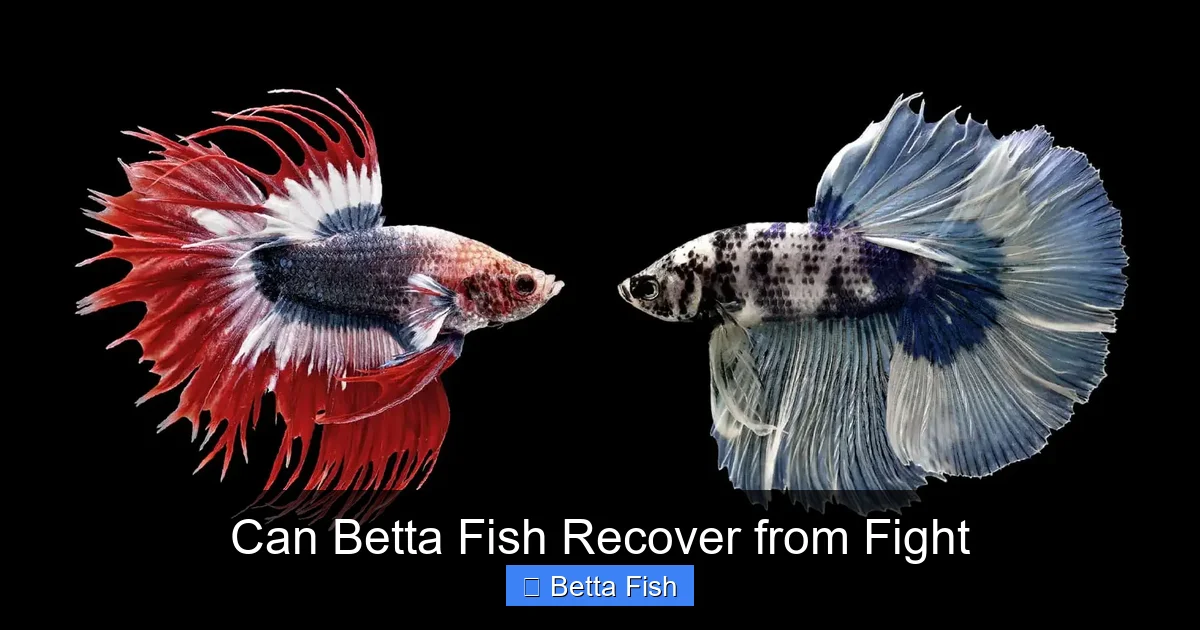
Now that you know betta fish can recover from a fight, let’s talk about the specific steps you can take to help your fish heal as quickly and safely as possible.
Visual guide about Can Betta Fish Recover from Fight
Image source: bettasource.com
Step 1: Separate the Fish Immediately
The very first thing you need to do is remove the source of aggression. If your betta is housed with other fish and a fight has occurred, separate them right away. Continuing to house aggressive fish together will only lead to repeated injuries and chronic stress, which weakens the immune system and slows healing.
If you were attempting to keep multiple betta fish together and it did not work out, this is a clear sign that your setup needs adjustment. Each betta should ideally have its own tank, or if you are attempting a sorority, the tank must be large enough with plenty of visual barriers and hiding spots.
Step 2: Assess the Damage
Once your betta is safe and alone, take a close look at the injuries. Use a flashlight if needed to examine the fins and body carefully. Note any open wounds, missing fin tissue, or signs of infection such as white fuzz, redness, or swelling. This assessment will help you decide whether home care is sufficient or if you need to consult a veterinarian.
Step 3: Optimize Water Conditions
As mentioned earlier, clean water is the foundation of recovery. Perform a 25 to 30 percent water change using dechlorinated water that matches the tank temperature. Add a water conditioner to remove chlorine, chloramine, and heavy metals. If you do not already have one, invest in a reliable water testing kit so you can monitor ammonia, nitrite, and nitrate levels daily during the recovery period.
Step 4: Add Aquarium Salt
Aquarium salt can be a helpful tool for promoting healing and preventing infection. It stimulates the production of slime coat, which is the fish’s natural protective barrier. It also helps reduce stress and fights off some common parasites and bacteria. Use about one teaspoon per gallon of water, dissolved in a small amount of tank water before adding it to the aquarium.
However, use salt with caution. Some plants and sensitive fish species do not tolerate salt well. And never use table salt, which contains additives that are harmful to fish. Always choose pure aquarium salt designed for freshwater tanks.
Step 5: Provide High-Quality Nutrition
A recovering betta needs excellent nutrition to fuel the healing process. Offer high-quality pellets as the staple diet, and supplement with frozen or live foods like bloodworms, brine shrimp, and daphnia. These protein-rich foods provide the amino acids your betta needs to rebuild damaged tissue.
For more ideas on what to feed your betta, take a look at our guide on what betta fish can eat. Feeding small portions two to three times a day is better than one large meal, as it ensures your betta gets consistent nutrition without polluting the water.
Step 6: Reduce Stress in the Environment
Stress is the enemy of recovery. A stressed betta produces cortisol, which suppresses the immune system and slows healing. To create a calm environment, dim the lights or turn them off for extended periods. Remove any decorations or tank mates that might be causing anxiety. Keep the room quiet and minimize activity around the tank.
Adding Indian almond leaves is another excellent way to reduce stress. These natural leaves release tannins that have antibacterial and antifungal properties. They also lower the pH slightly and create a more natural environment that mimics the betta’s native habitat in Southeast Asia.
When to Seek Veterinary Help
While most betta fish can recover from a fight with home care alone, there are situations where professional veterinary treatment is necessary. Knowing the difference can save your fish’s life.
Visual guide about Can Betta Fish Recover from Fight
Image source: i.ytimg.com
Signs of Infection
If you notice white, cottony growths on the wounds, red streaks in the fins or body, or if the injury site becomes swollen and inflamed, your betta likely has a secondary infection. Fungal infections are common after fights and can spread rapidly if left untreated. Bacterial infections are even more dangerous and can become systemic, affecting internal organs.
A veterinarian who specializes in fish can prescribe antibiotics or antifungal medications that are much stronger than anything available over the counter. Do not wait too long to seek help, as infections in small fish like bettas can become fatal within days.
Deep or Persistent Wounds
Surface-level fin tears usually heal on their own, but deep body wounds are a different story. If you can see muscle or tissue beneath the scales, or if a wound is not showing any signs of improvement after a week of proper care, it is time to consult a professional. Similarly, if your betta stops eating entirely or becomes completely lethargic, these are red flags that something more serious is going on.
Preventing Future Fights
The best way to deal with fight injuries is to prevent them from happening in the first place. Once you understand betta behavior and their social needs, you can create an environment where aggression is minimized.
Visual guide about Can Betta Fish Recover from Fight
Image source: aquadiction.world
Never House Two Male Bettas Together
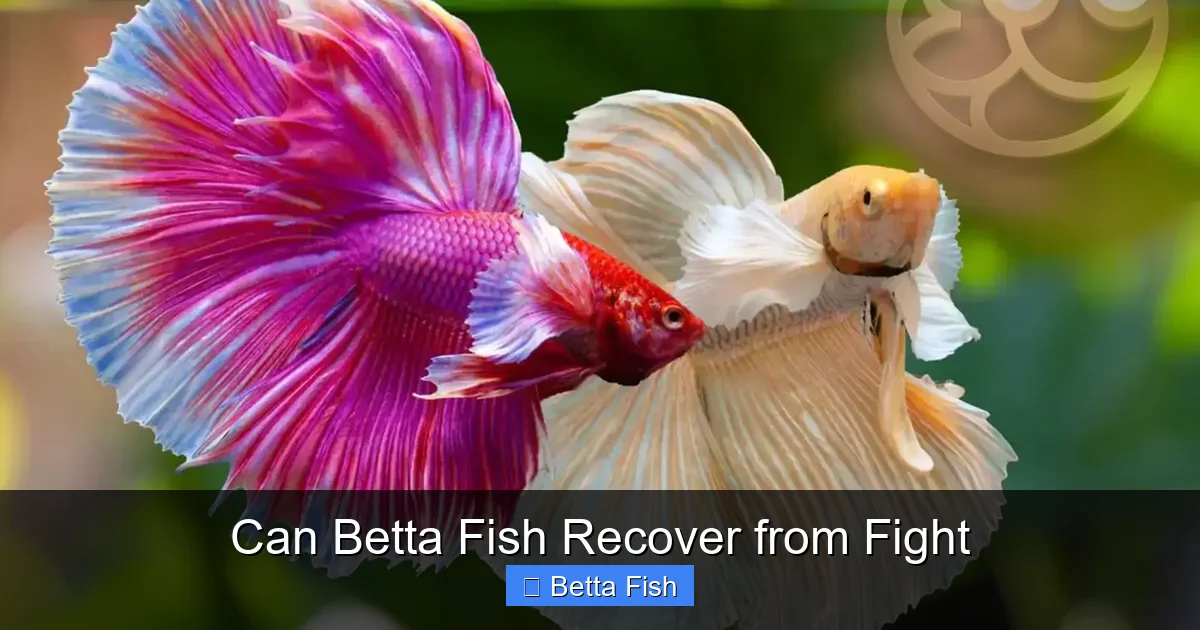
This cannot be stressed enough. Two male bettas in the same tank will fight, often to the death. No amount of space, plants, or decorations will override their instinct to defend their territory. If you want to keep multiple bettas, each male needs his own separate tank.
Carefully Consider Tank Mates
If you want to give your betta some company, choose tank mates that are peaceful, not nippy, and not brightly colored enough to trigger aggression. Avoid other labyrinth fish, aggressive species, and fish with long, flowing fins that your betta might mistake for a rival. Our article on keeping bettas with guppies discusses one of the most common tank mate debates in the hobby.
Provide a Properly Sized and Decorated Tank
A tank that is too small increases stress and aggression. A minimum of 5 gallons is recommended for a single betta, with larger tanks being even better. Include plenty of plants, caves, and other decorations that create visual barriers and hiding spots. This is especially important if you are attempting to keep a female sorority, where weaker individuals need places to retreat.
Monitor Behavior Regularly
Even in a well-planned setup, aggression can flare up. Watch for signs of bullying such as one fish constantly chasing another, nipped fins, or a subordinate fish hiding all the time. If you notice these behaviors, be prepared to separate the fish before serious injuries occur.
How Long Does It Take for a Betta to Fully Recover?
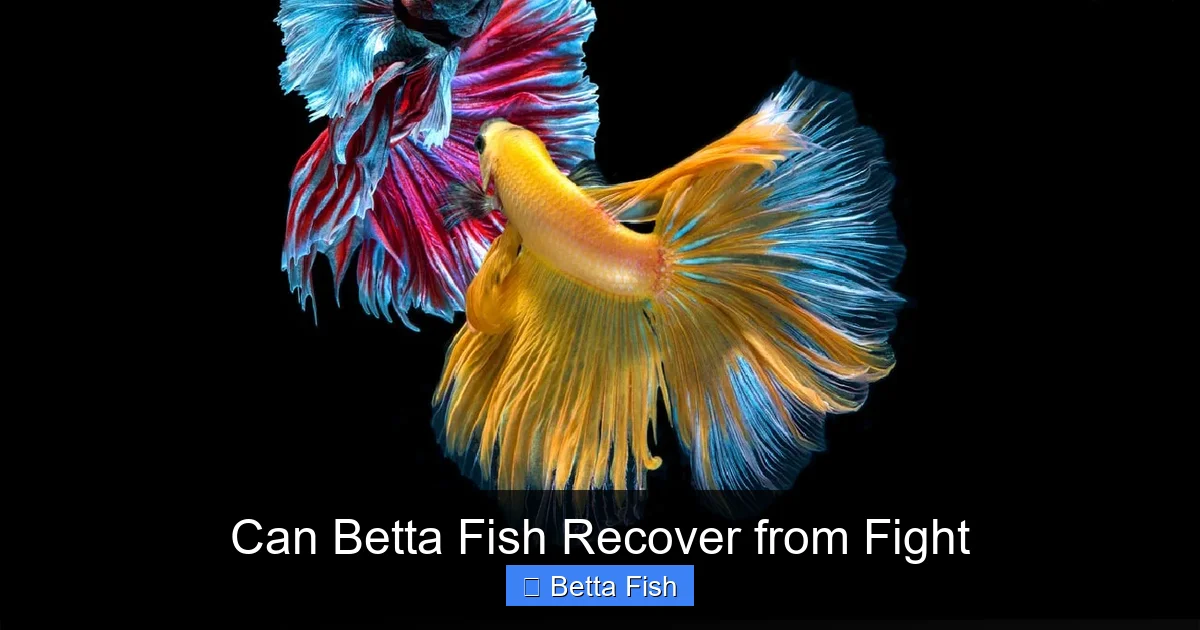
Recovery time varies depending on the severity of the injuries and the quality of care your betta receives. Here is a general timeline to give you an idea of what to expect:
Visual guide about Can Betta Fish Recover from Fight
Image source: buildyouraquarium.com
- Minor fin tears: 1 to 3 weeks for full regrowth
- Moderate fin damage: 3 to 6 weeks for significant regrowth
- Severe fin loss: 6 to 12 weeks or longer for near-complete regrowth
- Body wounds: 2 to 4 weeks for surface healing, longer for deep injuries
- Infections: 1 to 3 weeks with proper medication
Patience is key during this process. Resist the urge to make frequent changes to the tank or try multiple treatments at once. Consistency and stability are what your betta needs most. Keep the water clean, feed nutritious food, and give your fish time to do what it does best: heal.
Common Myths About Betta Fish Recovery
There are several misconceptions floating around the hobby about betta fish and their ability to recover from fights. Let’s clear up a few of the most common ones.
Visual guide about Can Betta Fish Recover from Fight
Image source: infishtank.com
Myth: Betta Fins Never Grow Back
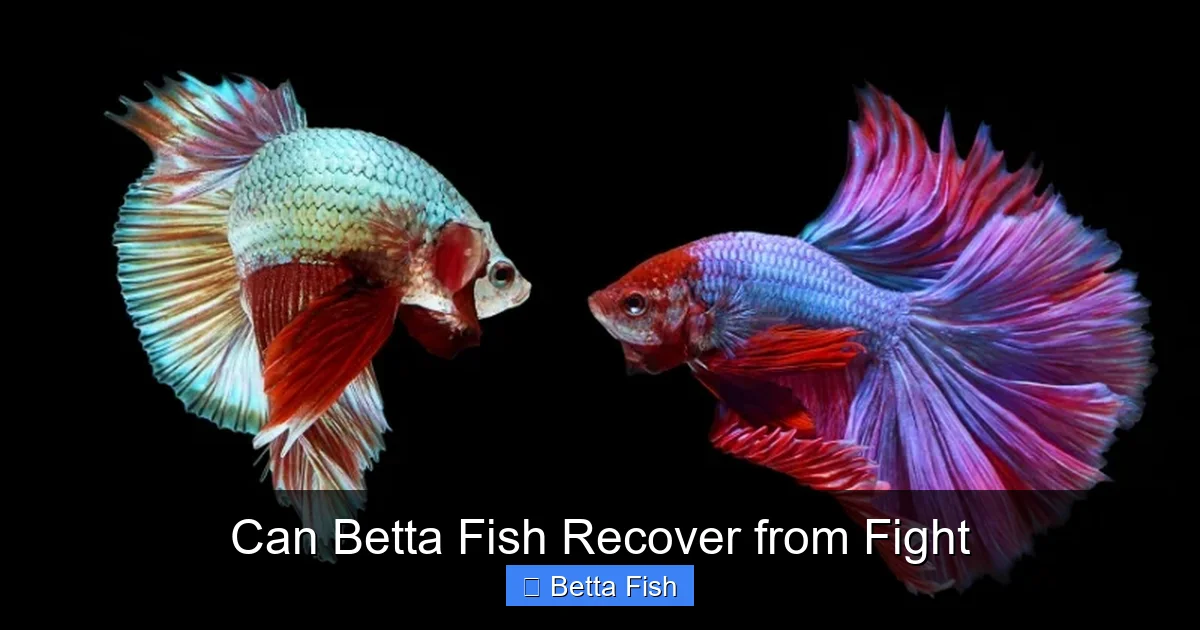
This is simply not true. While the regrown fin may not look exactly like the original, betta fins absolutely can and do regenerate. The process takes time, but it happens consistently when the fish is kept in good conditions.
Myth: Betta Fish Always Die After a Fight
While severe fights can be fatal, the vast majority of betta fights result in injuries that are survivable with proper care. Do not assume your betta is a lost cause just because it has some torn fins. With clean water and a little patience, most bettas make a full recovery.
Myth: You Should Let Them Fight It Out
This is perhaps the most dangerous myth of all. Allowing bettas to “work it out” will result in serious injury or death. Unlike some animals that establish dominance without serious harm, bettas will fight until one is severely injured or killed. Always separate fighting bettas immediately.
Conclusion
So, can betta fish recover from a fight? Without a doubt, yes. These hardy, resilient fish have an incredible capacity for healing when given the right conditions. Clean water, good nutrition, a stress-free environment, and a watchful eye for signs of infection are the keys to a successful recovery. Minor injuries heal in a matter of weeks, and even significant fin damage can regenerate over time.
Visual guide about Can Betta Fish Recover from Fight
Image source: cdn.mos.cms.futurecdn.net
That said, prevention is always the best medicine. Understanding your betta’s social needs and housing them appropriately eliminates the risk of fights altogether. Whether you are a new betta owner or a seasoned hobbyist, the most important thing you can do is provide your fish with a safe, comfortable home where aggression is not a factor.
If your betta has been in a fight, do not panic. Follow the steps outlined in this guide, stay patient, and trust in your fish’s natural ability to heal. Before you know it, your betta will be back to its vibrant, active self.
Frequently Asked Questions
How long does it take for a betta fish to recover from a fight?
Minor injuries like small fin tears typically heal within 1 to 3 weeks. More severe damage, including significant fin loss or body wounds, can take 6 to 12 weeks or longer to fully recover.
Can a betta fish die from a fight?
Yes, severe fights can be fatal, especially if deep body wounds become infected. However, most betta fights result in minor to moderate injuries that are survivable with proper care and clean water conditions.
Should I use medication after a betta fight?
For minor injuries, clean water and aquarium salt are usually sufficient. If you notice signs of infection like white fuzz, redness, or swelling, consult a fish veterinarian for appropriate antibiotic or antifungal medication.
Will my betta’s torn fins grow back?
Yes, betta fish fins can regrow after being torn or damaged. The regrowth process takes several weeks to a few months, and the new fin tissue may look slightly different from the original in texture or coloration.
Can I keep two betta fish together so they can “work it out”?
No, you should never allow bettas to fight it out. Unlike some animals, bettas will fight until one is seriously injured or killed. Always separate fighting bettas immediately and house them individually.
What should I feed my betta while it is recovering from a fight?
Offer high-quality betta pellets as a staple and supplement with protein-rich frozen or live foods like bloodworms, brine shrimp, and daphnia. Good nutrition supports the immune system and accelerates tissue repair during recovery.

