Can a Betta Fish Live in a Plastic Bowl
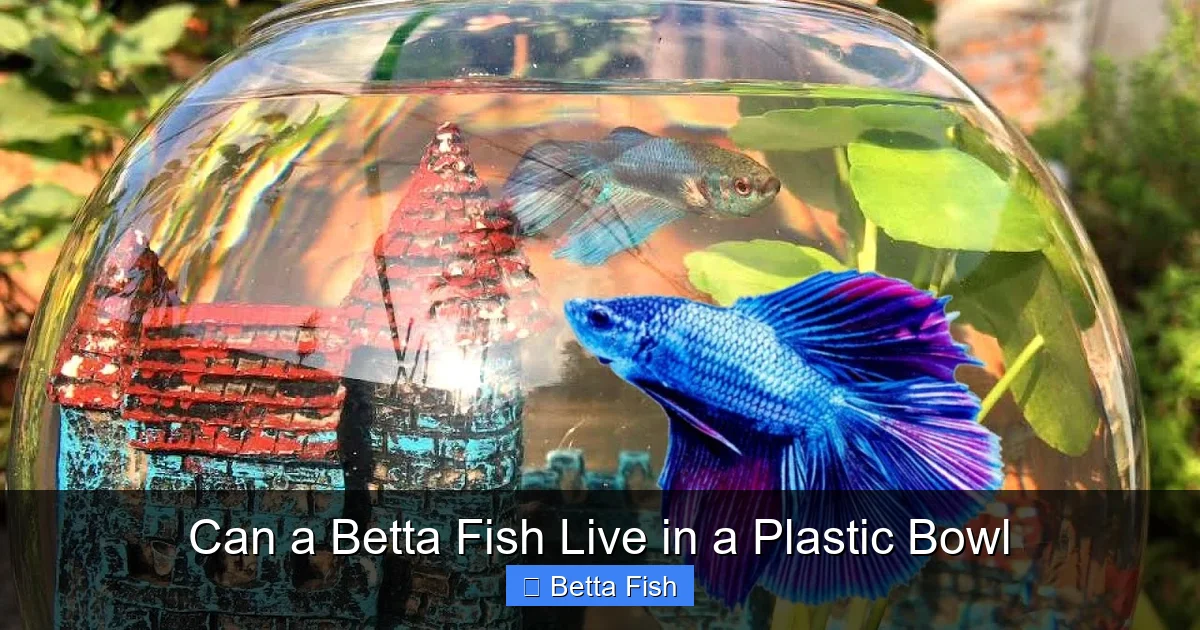
Yes, a betta can survive in a plastic bowl, but it’s not the ideal long‑term home. Proper water treatment, regular changes, and a stable temperature are must‑haves to keep your finned friend thriving.
Key Takeaways
- Size matters: A bowl smaller than 2 gallons stresses bettas and shortens their lifespan.
- Water quality is critical: Without filtration, you must change 50‑75% of the water every 2‑3 days.
- Temperature control: A reliable heater keeps the water at 76‑82 °F, the sweet spot for bettas.
- Plastic vs. glass: Food‑grade plastic is safe, but it can scratch and harbor bacteria over time.
- Enrichment needed: Live plants, hiding spots, and gentle water flow prevent boredom and fin‑tear.
- Long‑term goal: Upgrade to a proper tank (5 gallons + ) as soon as possible for a healthier life.
- Regular monitoring: Test ammonia, nitrite, and nitrate weekly; any spike means immediate water change.
📑 Table of Contents
Introduction: The Plastic Bowl Question
When you first bring home a bright, flowing betta, the easiest place to put it seems to be that cheap plastic bowl that came with the fish. It’s lightweight, cheap, and fits on a desk. But can a betta fish live in a plastic bowl without suffering?
In this guide we’ll walk through the science of betta care, the practical limits of a plastic bowl, and step‑by‑step tips to make a temporary bowl as safe as possible. Think of it as a “survival guide” – not a recommendation for permanent housing.
1. Understanding Betta Needs
1.1 Natural habitat and behavior
Betta splendens are native to shallow rice paddies and slow‑moving streams in Southeast Asia. The water there is warm (78‑84 °F), soft, and slightly acidic. In the wild they navigate dense vegetation, which offers places to hide and rest.
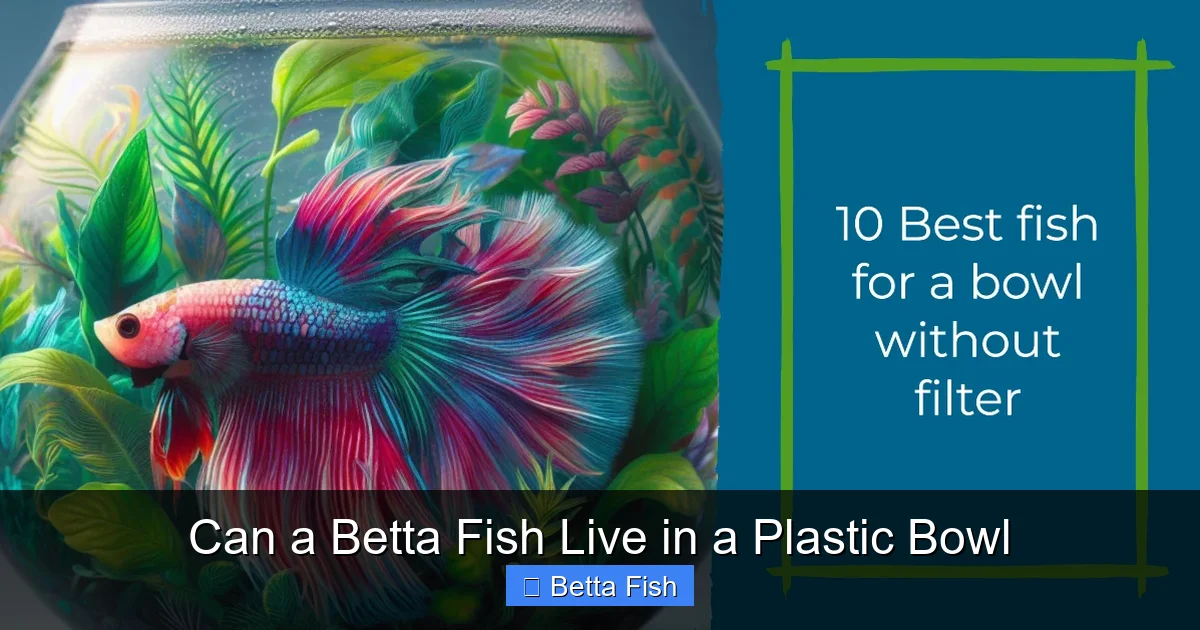
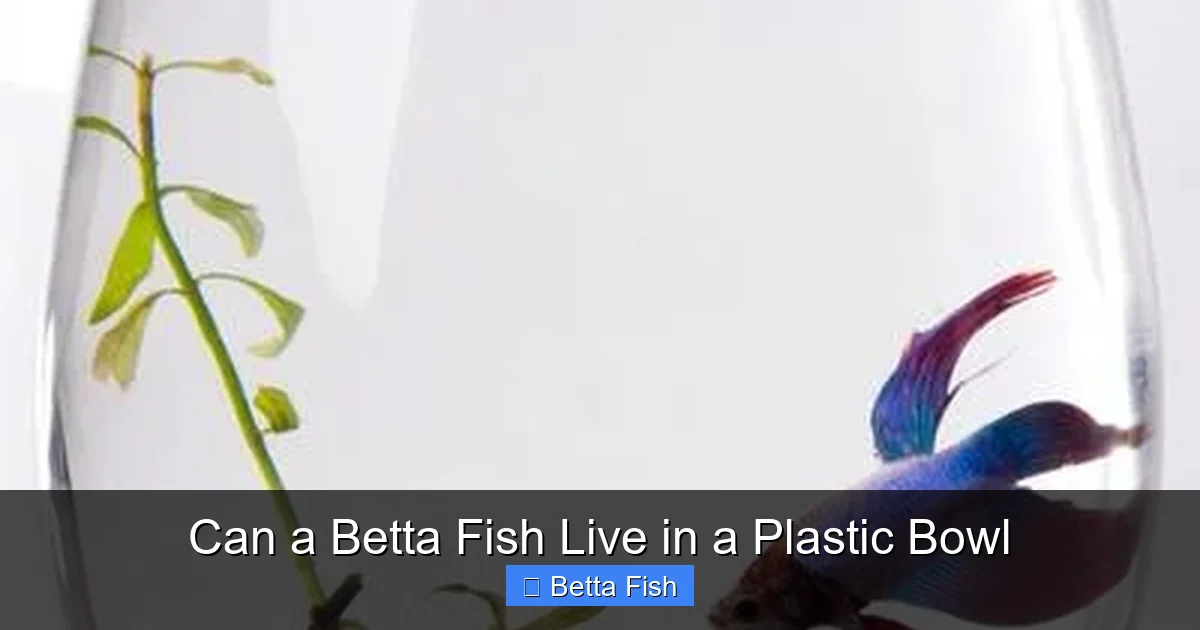
Visual guide about Can a Betta Fish Live in a Plastic Bowl
Image source: fishkeepedia.com
1.2 Space requirements
Although bettas can survive in small spaces, they thrive in at least 5 gallons of water. A 2‑gallon bowl is the absolute minimum for short‑term use; anything less leads to stress, weakened immune systems, and a shortened lifespan.
1.3 Oxygen and filtration
Bettas have a specialized organ called the labyrinth that lets them breathe air at the surface. This means they can survive in low‑oxygen water, but they still produce waste that must be removed. Without a filter, ammonia can build up quickly, so frequent water changes are essential.
1.4 Temperature stability
Consistent warmth is non‑negotiable. A drop of even a few degrees can cause a “cold shock,” making the fish lethargic or sick. A small plastic bowl loses heat fast, so a submersible heater is a must.
2. The Plastic Bowl: Pros and Cons
2.1 Advantages
- Affordability: Plastic bowls cost pennies compared to glass tanks.
- Portability: Light enough to move for cleaning or re‑housing.
- Safety: Unbreakable, so no shattered glass risk.
2.2 Disadvantages
- Scratch prone: Scratches harbor bacteria and are hard to sterilize.
- Limited volume: Most plastic bowls hold 1‑2 gallons, far below the ideal.
- Heat loss: Thin walls make temperature control difficult.
- No built‑in filtration: You’ll need to change water often.
3. Setting Up a Plastic Bowl for a Betta
3.1 Choosing the right bowl
Pick a bowl that holds at least 2 gallons (7.5 L). Ensure it’s made of food‑grade, BPA‑free plastic. Avoid bowls with decorative stickers that can leach chemicals.
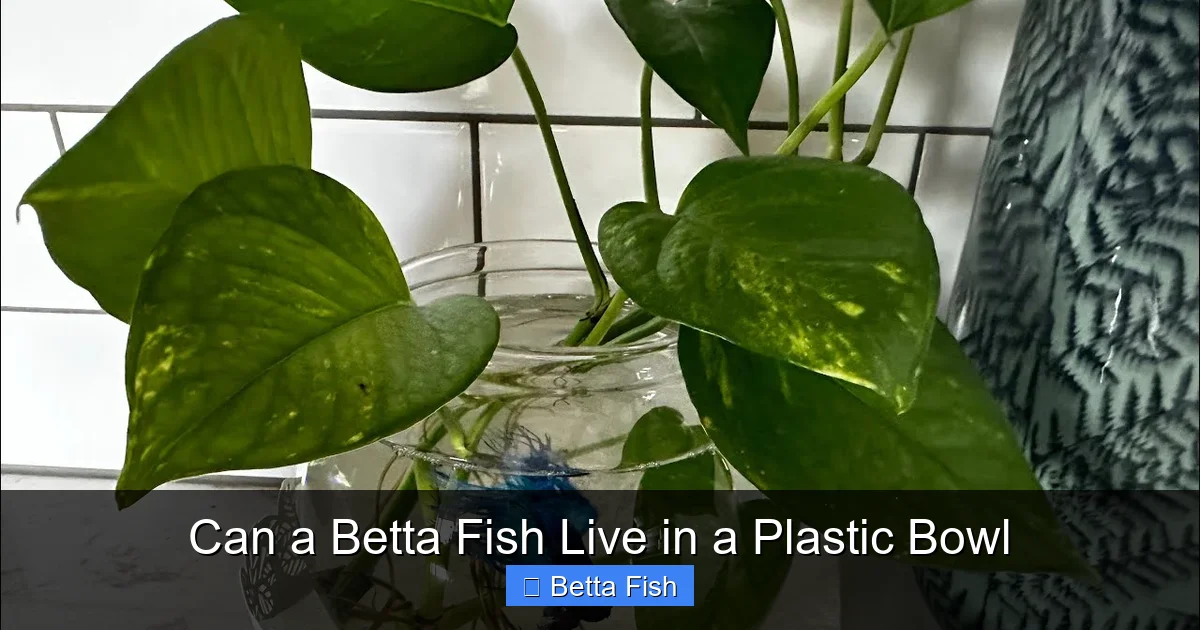
Visual guide about Can a Betta Fish Live in a Plastic Bowl
Image source: i.ytimg.com
Visual guide about Can a Betta Fish Live in a Plastic Bowl
Image source: infishtank.com
3.2 Adding substrate and décor
Use a thin layer (½‑inch) of smooth substrate like sand or fine gravel. Add live plants such as Java moss or Anubias for natural filtration and hiding spots. Plastic plants are okay, but they should be smooth and free of sharp edges.
3.3 Water preparation
Fill the bowl with dechlorinated water at 78‑80 °F. If you use tap water, treat it with a water conditioner that removes chlorine, chloramine, and heavy metals. For a quick guide on safe water, see our article on Can Betta Fish Live In Tap Water.
3.4 Heating and temperature monitoring
Place a submersible heater rated for 5 gallons, set to 80 °F. Use a digital thermometer to check the temperature twice daily. In a small bowl, temperature can swing by several degrees, so vigilance is key.
3.5 Filtration alternatives
Since most plastic bowls lack built‑in filters, you have two options:
- Use a small sponge filter (rated for 2‑gallon setups) that also provides gentle water movement.
- Commit to changing 50‑75% of the water every 48‑72 hours. Follow the step‑by‑step guide in How To Change Water For Betta Fish In A Bowl.
4. Daily and Weekly Care Routine
4.1 Feeding
Feed high‑quality betta pellets or frozen/brine shrimp once or twice daily. Only give what the fish can eat in 2‑3 minutes to avoid excess waste.
4.2 Water changes
For a 2‑gallon bowl without a filter, replace 50% of the water every two days. Use a siphon to remove debris from the substrate, then add conditioned water at the same temperature.
4.3 Monitoring water parameters
Test kits for ammonia, nitrite, and nitrate are inexpensive and essential. In a small bowl, ammonia spikes can appear within 24‑48 hours. If you detect any ammonia, perform an immediate 75% water change.
4.4 Health checks
Look for signs of stress: faded colors, clamped fins, rapid gill movement, or erratic swimming. Early detection can prevent serious illness.
5. When to Upgrade: Signs It’s Time for a Real Tank
5.1 Persistent water quality issues
If you find yourself changing water more than three times a week, a filter‑equipped tank is overdue.
5.2 Reduced activity or color loss
These are classic stress indicators that a cramped bowl can’t resolve.
5.3 Long‑term housing plans
Even the healthiest betta deserves room to explore. A 5‑gallon (or larger) tank with a gentle filter and heater will let your fish live 3‑5 years, compared to the 6‑12 months typical in a bowl.
Ready to make the switch? Check out Can Betta Fish Live In Fish Bowls for a deeper dive into why a proper tank is the best choice.
Conclusion: The Bottom Line
In short, a betta can live in a plastic bowl, but only as a temporary solution. The bowl must be large enough, kept at a stable temperature, and receive frequent water changes to avoid toxic build‑up. For a happy, long‑lived betta, upgrade to a filtered tank of at least 5 gallons as soon as you can. Treat the plastic bowl as a stop‑gap, not a forever home.
Frequently Asked Questions
Can a betta survive in a plastic bowl without a heater?
No. Bettas need water that stays between 76‑82 °F. Without a heater, the temperature will drop quickly, stressing the fish and potentially leading to illness.
How often should I change the water in a plastic bowl?
Replace 50‑75% of the water every 2‑3 days. If you notice cloudy water or a foul smell, change it sooner.
Is it safe to use any plastic bowl?
Only use food‑grade, BPA‑free plastic. Bowls with stickers, paints, or unknown plastics can leach harmful chemicals into the water.
Can I add live plants to a plastic bowl?
Yes, small hardy plants like Java moss or Anubias work well. They help absorb nitrates and give your betta places to hide.
What’s the minimum size for a betta bowl?
At least 2 gallons (7.5 L) is the minimum for short‑term use. Anything smaller increases stress and shortens lifespan.
Do I need a filter if I change the water frequently?
Frequent water changes can keep ammonia low, but a small sponge filter adds gentle flow and biological filtration, making maintenance easier.