Can a Betta Fish Live in a One Gallon Tank
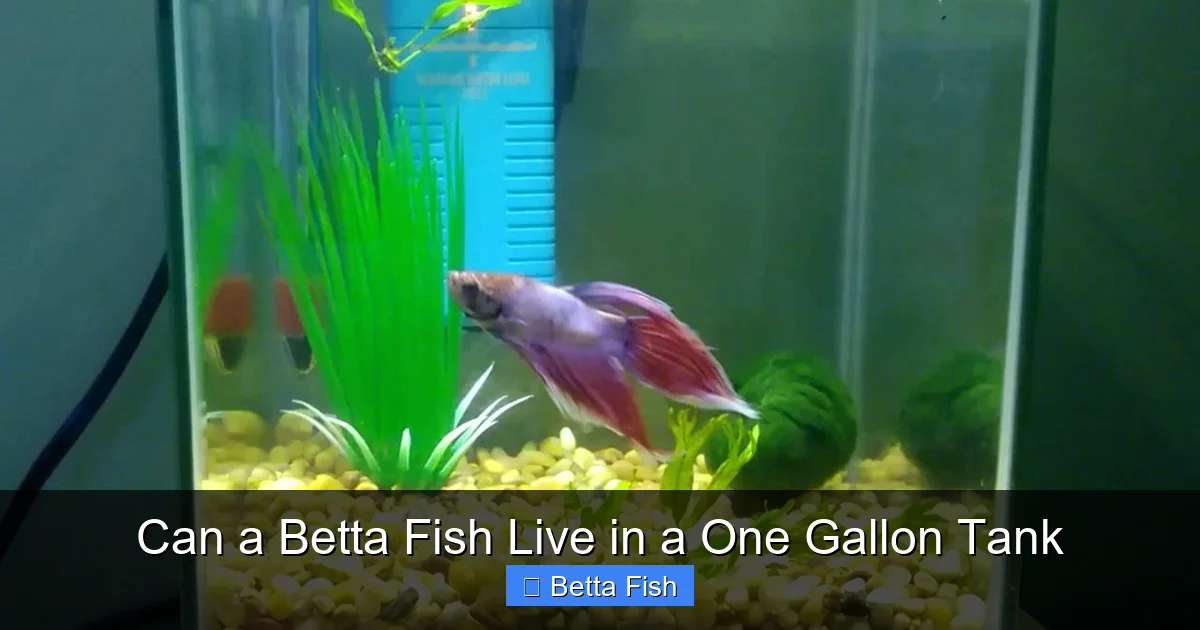
Betta fish need more than a tiny one‑gallon bowl to stay healthy and active. A larger, filtered tank provides space, stable water conditions, and a richer environment. Learn why a one‑gallon setup falls short and how to create the perfect home for your betta.
Key Takeaways
- Minimum size matters: A healthy betta requires at least 2‑5 gallons of water for proper swimming room.
- Water quality is critical: Small volumes change temperature and waste levels quickly, leading to stress and disease.
- Filtration & heating: Even a modest tank benefits from a gentle filter and a reliable heater to keep parameters stable.
- Enrichment improves life: Live plants, hiding spots, and toys reduce boredom and promote natural behavior.
- One‑gallon tanks are a short‑term solution: They may work for a few weeks, but long‑term health suffers.
- Upgrade is affordable: A 5‑gallon tank costs little and offers huge benefits for both fish and keeper.
- Proper care beats size myths: Understanding betta biology prevents common misconceptions about “bowls” and “tiny tanks.”
📑 Table of Contents
Introduction: The One‑Gallon Dilemma
When you first see a bright, flowing betta, it’s tempting to buy the cheapest container you can find—a tiny one‑gallon tank or even a bowl. The idea of a “low‑maintenance” fish fits many busy lifestyles. But is a one‑gallon tank truly enough for a betta to live a happy, healthy life?
In this article we’ll break down the science behind tank size, explore the hidden costs of a too‑small environment, and give you practical steps to upgrade without breaking the bank. By the end, you’ll know exactly why a one‑gallon tank is not a long‑term solution and how to create a thriving home for your betta.
Why Tank Size Matters for Betta Health
Natural habitat vs. home tank
In the wild, Siamese fighting fish (Betta splendens) inhabit shallow rice paddies, streams, and flood‑plain pools that can stretch several feet across. They are used to moving water, plenty of hiding places, and a stable temperature range. Replicating these conditions in a home aquarium is essential for their well‑being.
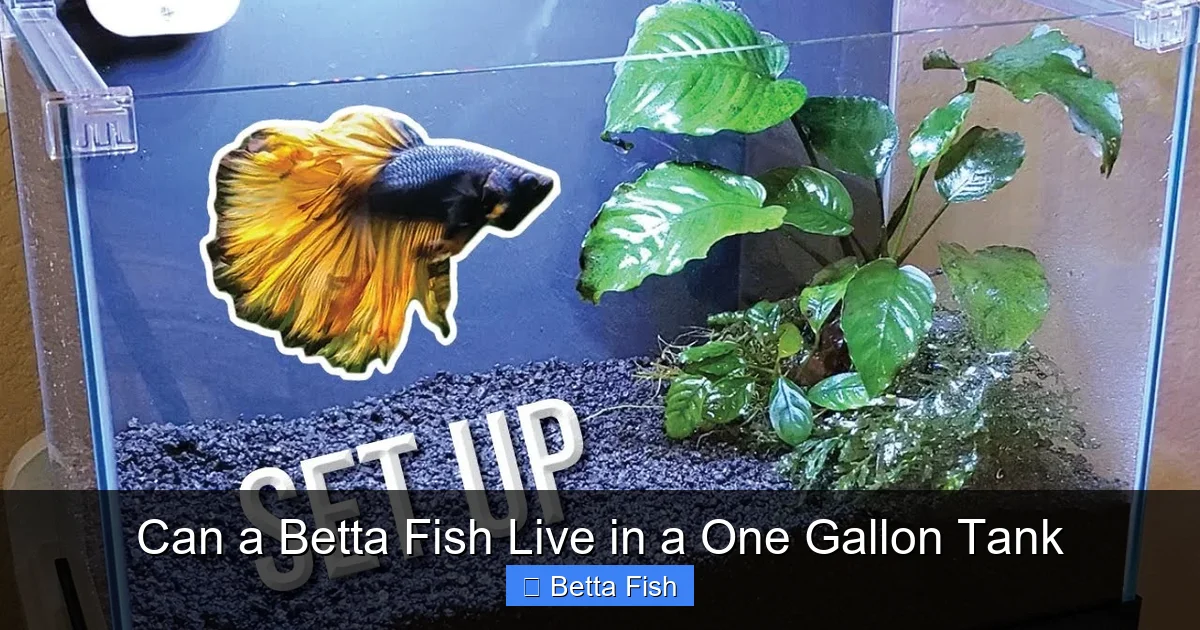
Visual guide about Can a Betta Fish Live in a One Gallon Tank
Image source: i.ytimg.com
Space for swimming and exercise
Betta fish are active swimmers. In a one‑gallon tank they quickly hit the glass on all sides, which can cause stress, fin damage, and a weakened immune system. A minimum of 2‑5 gallons gives a betta room to explore, flare its fins, and display natural behaviors.
Water chemistry stability
Smaller water volumes are like a thermostat set to “high.” A few extra grams of waste or a slight temperature drop can swing pH, ammonia, and nitrate levels dramatically. In a one‑gallon tank these changes happen within hours, making it nearly impossible to keep the water safe for longer than a few days.
What Happens in a One‑Gallon Tank?
Rapid temperature fluctuations
Betta fish are tropical and need a steady 76‑82°F (24‑28°C). In a one‑gallon container, room temperature changes or a brief power outage can cause the water to drop or spike quickly, stressing the fish and potentially leading to fatal “cold shock.”
Visual guide about Can a Betta Fish Live in a One Gallon Tank
Image source: i.pinimg.com
Build‑up of toxins
Ammonia from waste and uneaten food converts to nitrite and then nitrate. In a larger tank, beneficial bacteria have room to colonize and process these compounds. In a one‑gallon tank, the bacterial colony is tiny, so toxins accumulate faster than they can be broken down.
Oxygen depletion
Betta fish breathe surface air using their labyrinth organ, but they still need dissolved oxygen. A tiny, still water body quickly becomes oxygen‑poor, especially if the room is warm. Without surface agitation, the fish can become lethargic or gasp for air.
Stress and aggression
Even a solitary betta can become aggressive if it feels trapped. Constantly seeing its own reflection or the glass can trigger fin‑flaring and stress hormones, weakening the immune system and making the fish prone to disease.
How to Upgrade from a One‑Gallon Tank
Choosing the right size
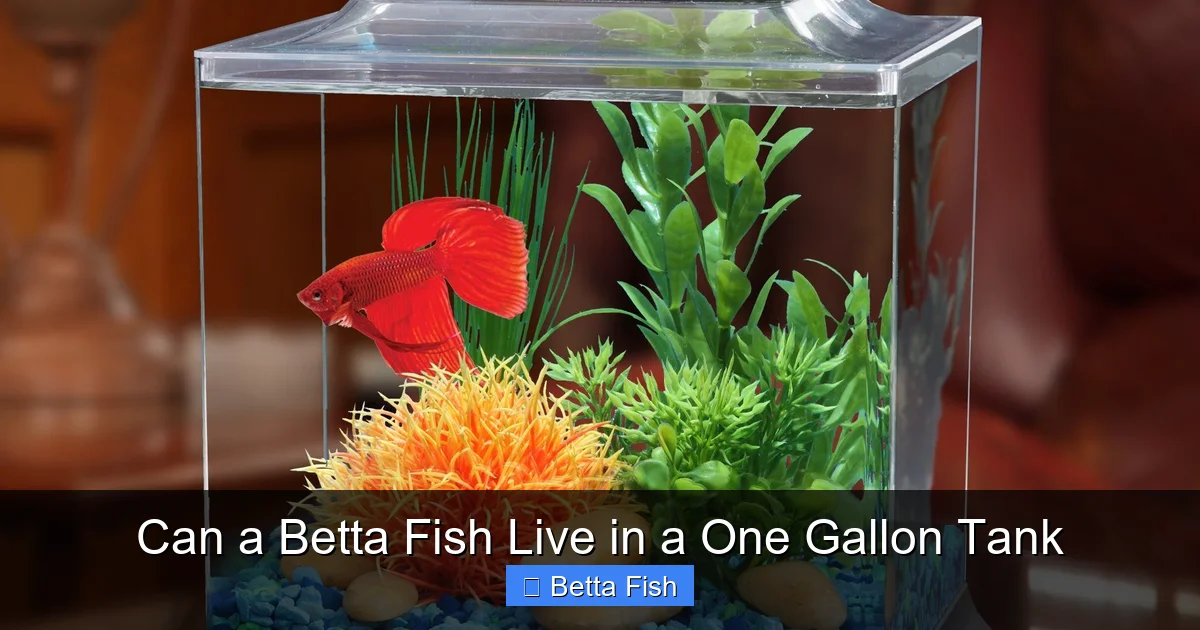
Most experts recommend a minimum of 2‑gallon tanks for a single betta, but 5 gallons is ideal. The extra space allows for a proper filter, heater, and decorative elements without overcrowding.
Visual guide about Can a Betta Fish Live in a One Gallon Tank
Image source: i.pinimg.com
Essential equipment
- Filter: A gentle sponge filter or a low‑flow hang‑on‑back filter keeps water clear without stressing the fish’s delicate fins.
- Heater: A reliable submersible heater maintains a stable temperature. Look for models with an adjustable thermostat.
- Cover: Bettas love to jump, so a lid or mesh cover prevents escapes.
- Substrate and plants: Fine gravel or sand mimics natural floor, while live or silk plants give hiding spots and improve water quality.
Setting up the new tank
1. Rinse the tank, substrate, and decorations with water only—no soap.
2. Add conditioned tap water (see Can Betta Fish Live In Tap Water for tips).
3. Install the heater and filter, then let the tank run for 24 hours to reach a stable temperature.
4. Perform a partial water change (25 %) before introducing the betta.
Acclimating your betta
Float the sealed bag containing your betta in the tank for 15‑20 minutes to match temperatures. Then slowly add a cup of tank water to the bag every 5 minutes, repeating three times. Finally, gently release the fish using a soft net.
Maintaining a Healthy Betta Environment
Regular water changes
Even with a filter, a 20‑30 % water change weekly keeps nitrate levels low. Use a siphon to remove debris from the substrate and replace with fresh, dechlorinated water.
Monitoring water parameters
Invest in a cheap test kit to check ammonia, nitrite, nitrate, and pH weekly. Ideal ranges for bettas are:
- Ammonia: 0 ppm
- Nitrite: 0 ppm
- Nitrate: < 20 ppm
- pH: 6.5‑7.5
Feeding correctly
Feed high‑quality betta pellets or frozen bloodworms once or twice a day, offering only what the fish can eat in 2‑3 minutes. Overfeeding leads to waste buildup, especially problematic in small tanks.
Enrichment ideas
Provide floating leaves, a small cave, or a silk betta hammock. Changing the décor slightly every few weeks keeps the fish mentally stimulated.
When a One‑Gallon Tank Might Be Acceptable (Short‑Term)
Quarantine or transport
A one‑gallon container can serve as a temporary quarantine tank for a new or sick betta. Keep it covered, heated, and filtered if possible, and upgrade to a larger tank as soon as you can.
Emergency backup
If power is out and the main tank loses temperature, a small heated bowl can act as a stop‑gap for a few hours. Again, this is a short‑term solution, not a permanent home.
Conclusion: Bigger Is Better for Betta Happiness
The short answer is: a betta fish should not live long‑term in a one‑gallon tank. The limited space, unstable water parameters, and lack of enrichment create a stressful environment that shortens the fish’s lifespan. Upgrading to a 5‑gallon tank with a gentle filter, heater, and some live plants makes a world of difference—your betta will swim, explore, and show its gorgeous colors with confidence.
Investing a little time and money now prevents costly health problems later and turns your betta into a lively, vibrant companion. Remember, a happy betta is a sign of a well‑maintained tank, and a well‑maintained tank starts with the right size.
Frequently Asked Questions
Can a betta fish survive in a one‑gallon tank?
It can survive for a short period, but long‑term health will suffer due to poor water quality, temperature swings, and lack of space.
What is the minimum recommended tank size for a single betta?
Most experts recommend at least 2‑gallon capacity, with 5 gallons being ideal for stability and enrichment.
Do I need a filter for a betta tank?
Yes. A gentle filter removes waste, reduces ammonia spikes, and helps maintain clear water without stressing the fish’s fins.
Can I keep plants in a betta tank?
Live or silk plants provide hiding spots and improve water quality. They also mimic the betta’s natural habitat and reduce stress.
How often should I change the water in a betta tank?
Perform a 20‑30 % water change weekly, and test the water regularly to keep ammonia and nitrate levels safe.
Is a heated bowl safe for a betta?
Only as a temporary solution. For permanent housing, a properly sized tank with a reliable heater is essential. See Why Can Betta Fish Live In A Bowl for more details.