Should You Feed Betta Fish Right Away
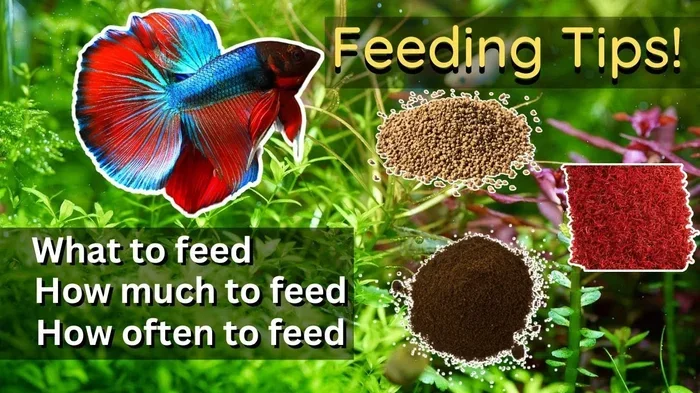
You should not feed your betta fish right away. Waiting 12 to 24 hours helps your new betta adjust to its new tank and reduces stress. This simple pause can prevent digestive issues and boost your betta’s long-term health.
So you just brought home a beautiful betta fish. You set up the tank. You added the heater and the filter. Everything looks perfect. And now you’re standing there staring at your new fish, wondering, should you feed betta fish right away?
The short answer is no. But the full answer is much more interesting than a simple one-word reply. How and when you feed your betta after bringing it home can make a huge difference in its health, happiness, and lifespan. Let’s dive into why timing matters and what you should do instead.
Most new betta owners feel this urge to feed their fish immediately. It’s natural. We want to take care of our pets, and food feels like the most direct way to show love. But in the fish world, patience is everything. Giving your betta a little breathing room after the move can set the stage for a thriving, vibrant companion.
Key Takeaways
- Wait before feeding: Let your betta fish settle in for 12 to 24 hours before offering its first meal.
- Stress is real: A new environment can suppress your betta’s appetite, and forcing food makes it worse.
- Start small: When you do feed, offer tiny amounts of high-quality betta pellets or live food.
- Overfeeding is dangerous: It leads to bloating, constipation, and poor water quality in your tank.
- Watch for hunger cues: A healthy betta will show interest in food within a day or two of arrival.
- Consistency matters: Stick to a regular feeding schedule once your betta is settled and eating normally.
📑 Table of Contents
Why You Should Not Feed Betta Fish Right Away
The idea of waiting to feed your betta might feel counterintuitive. After all, a hungry fish is a fish that eats, right? Not exactly. When a betta fish arrives in a new environment, its body goes through a stress response. This response affects digestion, appetite, and overall well-being.
Here is what happens inside your betta’s body during the first hours in a new tank. The betta fish acclimation process needs time. The water temperature, pH levels, and tank setup are all unfamiliar. Your fish is focused on adjusting, not digesting food. Feeding too early can lead to a host of problems that no owner wants to deal with.
The Stress Response in New Betta Fish
When a betta fish enters a new tank, its body releases cortisol, a stress hormone. Cortisol slows down the digestive system. This means that food sitting in the gut may not get properly processed. It can rot inside the fish, causing bloating and discomfort.
Additionally, a stressed betta may spit out food or ignore it entirely. This is not picky behavior. It is a survival mechanism. The fish is not ready to eat yet. Forcing food at this stage can create negative associations with feeding time and make your betta even more reluctant to eat later.
The 12 to 24 Hour Rule
Most experienced aquarists recommend waiting at least 12 hours, and ideally 24 hours, before offering the first meal. This window gives your betta time to explore its new surroundings. It allows the fish to find hiding spots, test the water parameters, and feel safe.
During this time, make sure your tank is properly cycled and the water temperature is between 78 and 80 degrees Fahrenheit. If you need help with the initial setup, check out this guide on whether you can put betta fish in water right away for more tips on the acclimation process.
What Happens If You Feed Betta Fish Too Soon
It is tempting to think that a little food will help your new betta feel at home. But feeding too early can backfire in several ways. Understanding the risks helps you resist that first feeding urge.
Digestive Problems
A betta fish that has not adjusted to its new environment may not produce enough digestive enzymes. Without these enzymes, the food sits in the stomach and begins to ferment. This can cause severe bloating, a condition that is painful and sometimes fatal.
Constipation is another common issue. If your betta cannot properly process food, it may become lethargic and stop swimming normally. These symptoms are often mistaken for illness, but the root cause is usually overfeeding or premature feeding.
Poor Water Quality
Uneaten food sinks to the bottom of the tank and starts to decompose. This releases ammonia and nitrites into the water. Even in a well-cycled tank, a sudden spike in waste can destabilize the nitrogen cycle. Poor water quality stresses your betta and can lead to diseases like fin rot and ich.
To keep your tank clean and healthy, learn how to maintain proper water conditions. You can read more about putting betta fish in a tank right away to understand the full acclimation timeline.
Loss of Appetite Later On
This is a sneaky consequence that many owners do not expect. If you feed your betta too soon and it refuses the food, the uneaten bits pollute the water. The fish then associates the tank environment with a bad experience. Over time, this can lead to a persistent loss of appetite that is hard to reverse.
The Perfect First Meal for Your Betta Fish
Once the waiting period is over, it is time to offer the first meal. But what should that meal be? Not all foods are created equal, especially for a betta that has just gone through a stressful transition.
Best Food Options for the First Feeding
Start with high-quality betta pellets that sink slowly. These are specially formulated for betta digestion and are less likely to cause bloating. Soak the pellets for a few minutes before offering them. This softens the outer shell and makes them easier to digest.
Live or frozen foods like bloodworms and brine shrimp are excellent choices for a first meal. They mimic what bettas eat in the wild and trigger a strong feeding response. You can find more details on bloodworms and other suitable foods in our guide on feeding betta fish worms.
Avoid heavy foods like beef heart or processed flakes during the first feeding. These are difficult to digest and can cause gastrointestinal distress in a fish that is already under stress.
How Much to Feed
Less is more during the first few feedings. Offer two to three pellets or a small pinch of frozen food. Watch your betta eat for two to three minutes. If there is leftover food, remove it from the tank immediately with a small net or turkey baster.
A good rule of thumb is to feed only what your betta can consume in under three minutes. This prevents waste and keeps the tank water clean. For a deeper dive into feeding amounts and frequency, check out our article on how often you should feed a betta fish.
How to Tell If Your Betta Is Ready to Eat
Knowing when your betta is ready for its first meal is just as important as knowing when to wait. Every fish is different, and reading your betta’s body language gives you the best clues.
Signs Your Betta Is Ready
Watch for these positive indicators that your betta is settling in and ready to eat:
- Active swimming: Your betta moves around the tank with energy and curiosity.
- Interest in food: The fish swims toward the surface or follows your hand near the tank.
- Bright colors: A healthy, relaxed betta displays vibrant colors and extended fins.
- Responsive behavior: Your betta reacts to movement outside the tank or to the sound of the filter.
Signs Your Betta Is Still Stressed
On the other hand, watch out for these warning signs that your betta needs more time:
- Hiding constantly: The fish stays in one spot and refuses to explore.
- Clamped fins: Fins are held close to the body instead of flowing freely.
- Loss of color: The betta appears pale or faded compared to its normal coloring.
- Rapid breathing: The gills move quickly, indicating stress or poor water conditions.
If you notice any of these stress signs, wait another 12 hours before trying to feed. Patience is your best tool during this phase. You can also learn more about recognizing hunger and stress cues in our guide on hand feeding betta fish, which covers bonding and behavioral observation.
Building a Healthy Feeding Routine
Once your betta is eating regularly, the real work begins. Establishing a consistent feeding routine is one of the most impactful things you can do for your fish’s long-term health.
Daily Feeding Schedule
Feed your betta twice a day, once in the morning and once in the evening. Space the feedings about 8 to 12 hours apart. This mimics the natural eating patterns of wild bettas and keeps their metabolism steady.
Stick to a set schedule. Bettas thrive on routine. Feeding at the same times each day helps your fish feel secure and reduces anxiety around mealtimes.
Fasting Days
Here is a tip that many beginners overlook. Give your betta one fasting day per week. This means no food at all for 24 hours. Fasting allows the digestive system to fully empty and reset. It also helps prevent constipation and bloating, which are common issues in captive bettas.
Some owners worry that fasting is cruel. It is not. In the wild, bettas do not eat every single day. Skipping one day of food is completely natural and actually beneficial for their health.
Variety in the Diet
A varied diet keeps your betta healthy and interested in food. Rotate between pellets, frozen bloodworms, brine shrimp, and occasional treats like betta-safe vegetables. Just make sure any new food is introduced gradually and in small amounts.
Never rely on a single food source. Variety ensures your betta gets all the essential nutrients it needs. It also prevents boredom, which can lead to a refusal to eat over time.
Common Mistakes New Betta Owners Make
Even the most well-meaning owners can make mistakes when it comes to feeding. Here are the most common errors and how to avoid them.
Overfeeding
This is the number one mistake new betta owners make. It is easy to think that more food equals a happier fish. In reality, overfeeding causes obesity, digestive blockages, and filthy tank water. A betta’s stomach is roughly the size of its eye. Keep portions tiny.
If you are concerned about portion sizes, you can find detailed guidance in our article on whether you can feed a betta fish too much. It covers the signs of overfeeding and how to correct the problem.
Feeding Too Frequently
Some owners feed their bettas three or four times a day, thinking frequent small meals are better. For most bettas, twice a day is plenty. More frequent feedings increase the risk of overfeeding and water contamination.
Ignoring Food Quality
Not all betta foods are created equal. Cheap flakes and fillers offer little nutritional value. Look for foods where the first ingredient is whole fish or fish meal. Avoid products loaded with artificial colors and preservatives.
Expert Tips for Feeding Success
Veterinarians and experienced aquarists share a few insider tips that can elevate your betta feeding game from good to great.
First, always wash your hands before handling fish food or reaching into the tank. This prevents the transfer of harmful chemicals and bacteria. Second, use a feeding ring or target area. This keeps food from floating into the filter and getting lost, ensuring your betta actually eats what you offer.
Third, observe your betta during every feeding session. Changes in eating behavior are often the first sign of illness or stress. If your normally eager betta suddenly refuses food for more than two days, check the water parameters and consider consulting a fish veterinarian.
Finally, remember that every betta is an individual. Some are voracious eaters, while others are cautious and slow to warm up. Respect your fish’s personality and adjust your approach accordingly. The bond you build through patient, attentive care will pay off in a happy, healthy companion for years to come.
Conclusion
So, should you feed betta fish right away? The answer is a clear no. Waiting 12 to 24 hours gives your new betta the time it needs to adjust, de-stress, and prepare its body for digestion. This simple act of patience can prevent a world of health problems down the road.
Once the waiting period is over, start with small, high-quality meals and build a consistent routine. Watch your fish closely, vary its diet, and include a weekly fasting day. These habits form the foundation of excellent betta care.
The relationship you build with your betta starts the moment you bring it home. And that relationship is rooted in understanding, patience, and respect for your fish’s natural needs. Feed wisely, and your betta will reward you with vibrant colors, lively behavior, and years of companionship.