Betta fish can survive a single day without food without serious harm, but regular fasting isn’t ideal. Their tiny stomachs store enough energy for short gaps, yet prolonged periods lead to stress, weakened immunity, and health issues. Learn the signs to watch, how to manage missed feedings, and the best feeding schedule for a thriving betta.
Key Takeaways
- One‑day fast is safe: A healthy adult betta can comfortably skip a meal for 24 hours.
- Stress builds after 48 hours: Missing two consecutive feedings can cause loss of color and lethargy.
- Young fry are vulnerable: Juvenile bettas need daily feedings; even a short fast can be risky.
- Watch for warning signs: Rapid breathing, clamped fins, or loss of appetite indicate a problem.
- Consistent schedule helps: Feeding at the same time each day reduces stress and supports digestion.
- Use quality food: Small, protein‑rich pellets or frozen brine shrimp are best for quick digestion.
- Plan ahead: If you’ll be away, consider automatic feeders or a trusted caretaker.
📑 Table of Contents
- Introduction: Why the One‑Day Question Matters
- 1. The Betta’s Digestive System: Built for Small, Infrequent Meals
- 2. How Long Can a Betta Actually Go Without Food?
- 3. Special Cases: Fry, Sick Betta, and Breeding Adults
- 4. Recognizing the Signs of Hunger and Stress
- 5. Practical Tips for Managing Missed Feedings
- 6. Feeding Best Practices for Long‑Term Health
- Conclusion: One Day is Fine, But Consistency Is Key
Introduction: Why the One‑Day Question Matters
Imagine you’re on a weekend trip and you forget to feed your betta for a day. You panic, wondering if your bright‑finned friend will survive. The truth is, bettas are surprisingly resilient. Their natural habitat—shallow, stagnant waters in Southeast Asia—often forces them to go without food for short periods. Understanding how long they can safely fast helps you stay calm and make informed decisions.
In this article we’ll explore the biology behind a betta’s hunger, the exact limits of a 24‑hour fast, and practical tips for handling missed feedings. By the end, you’ll know exactly what to do when life gets busy, and how to keep your betta healthy whether you’re at home or away.
1. The Betta’s Digestive System: Built for Small, Infrequent Meals
How a Betta Stores Energy
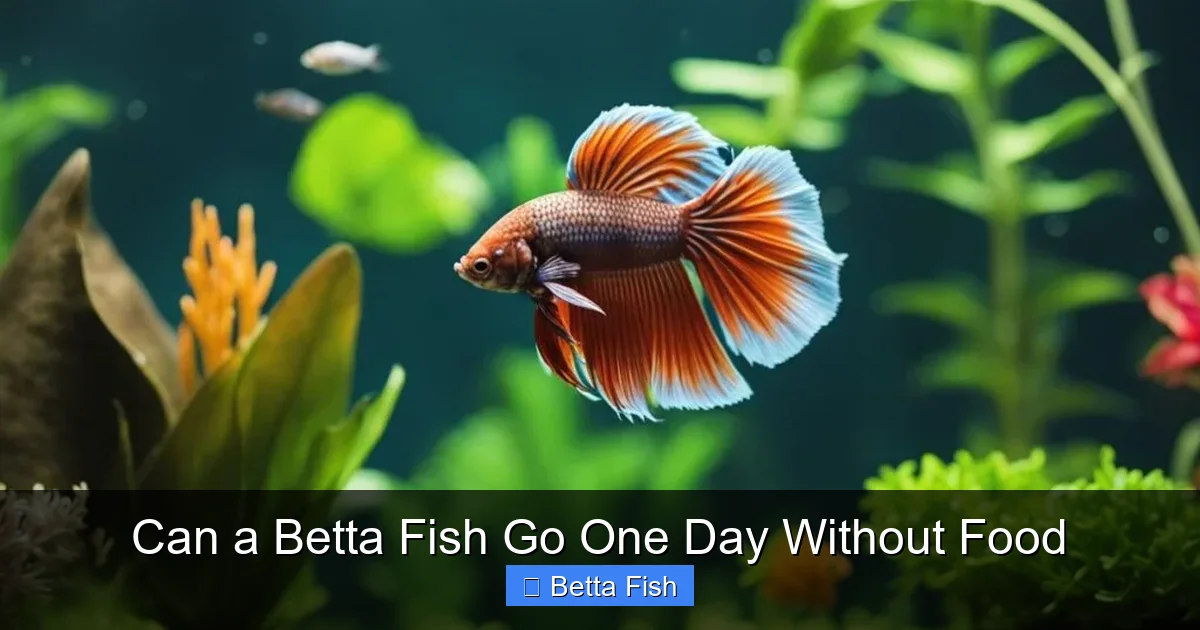
Betta fish have a tiny stomach that can hold only a few milligrams of food at a time. After eating, the food moves quickly into the intestine, where nutrients are absorbed. Any excess energy is stored as tiny fat deposits behind the dorsal fin. This design allows bettas to survive brief periods without food, much like their wild cousins that wait for insects to fall into the water.
Visual guide about Can a Betta Fish Go One Day Without Food
Image source: efindanything.com
Metabolism and Energy Use
At room temperature (around 78 °F or 25 °C), a healthy adult betta burns roughly 0.1–0.2 calories per hour. That means a full day of fasting uses only a fraction of its stored reserves. However, metabolism speeds up in warmer water, so maintaining a stable temperature helps prevent rapid energy loss.
2. How Long Can a Betta Actually Go Without Food?
One Day: No Problem
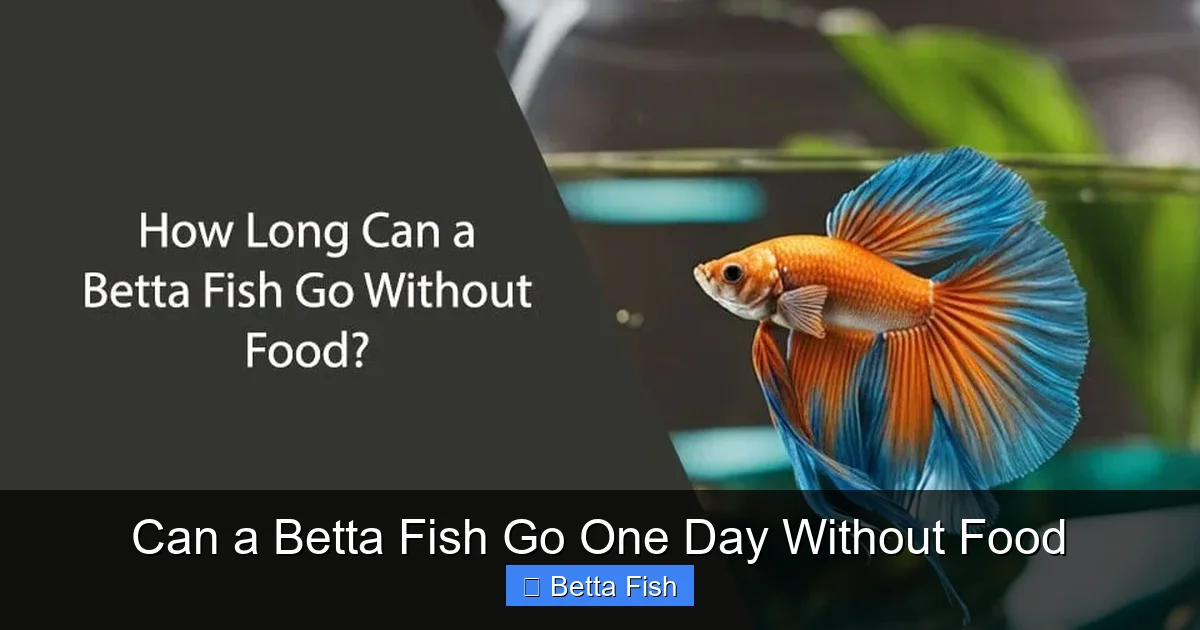
Most experts agree that a single missed feeding is harmless. In fact, many hobbyists intentionally skip a day every week to prevent overfeeding and keep the water cleaner. The betta will simply dip into “fast mode,” using its stored fat for energy.
Visual guide about Can a Betta Fish Go One Day Without Food
Image source: efindanything.com
Beyond 24 Hours: When Trouble Starts
If a betta misses two or three consecutive meals (48–72 hours), you may notice:
- Faded coloration
- Lethargic swimming or staying at the bottom
- Clamped (tight) fins
- Increased gulping at the surface, looking for food
These are signs of stress and a weakened immune system. Prolonged fasting (over a week) can lead to serious health issues, including organ failure. For a deeper dive into the exact limits, see our article on How Long Can Betta Fish Go Without Food.
3. Special Cases: Fry, Sick Betta, and Breeding Adults
Betta Fry Need Constant Food
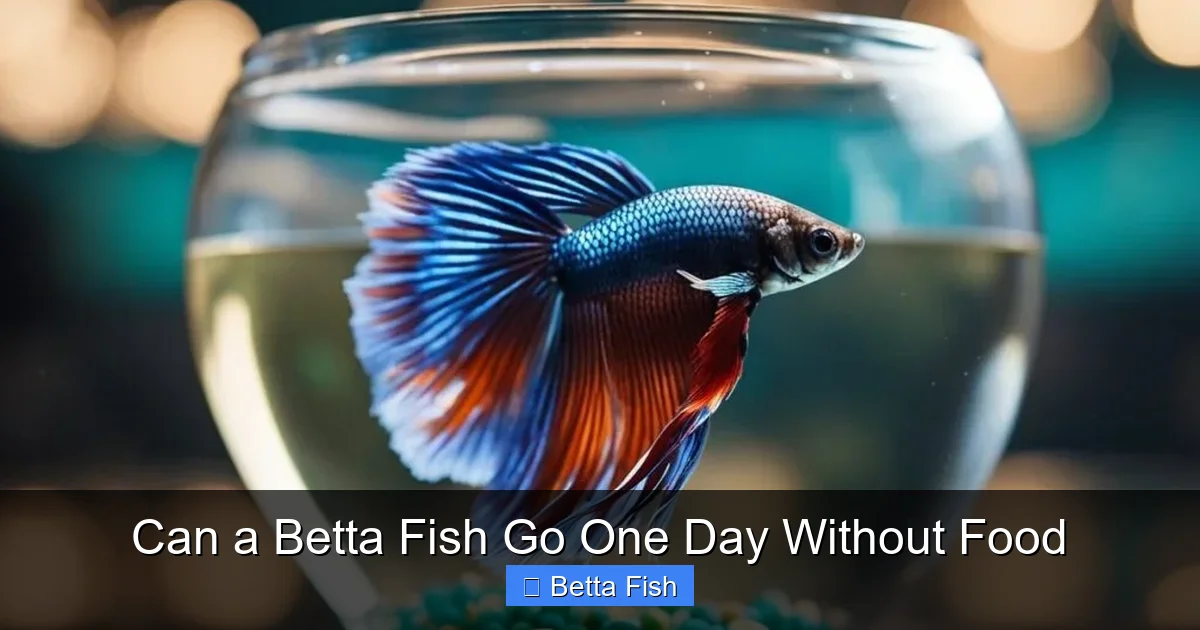
Young bettas have tiny stomachs and rapid growth rates. Missing even a single feeding can stunt development and increase mortality. If you’re raising fry, feed small amounts 3–4 times a day and never let them go more than 12 hours without food.
Visual guide about Can a Betta Fish Go One Day Without Food
Image source: efindanything.com
Sick Betta May Need More Frequent Feedings
A fish fighting an infection or recovering from an injury often requires extra nutrition to boost its immune response. In these cases, a missed meal can slow recovery. Use easily digestible foods like boiled egg yolk or high‑quality liquid feeds.
Breeding Adults and Egg‑Laying Females
Female bettas that are preparing to lay eggs need consistent protein. Skipping a day during this critical period can cause poor egg quality or failed spawning. Males, on the other hand, can tolerate a short fast better, but regular feedings keep their fins vibrant for courtship displays.
4. Recognizing the Signs of Hunger and Stress
Behavioral Clues
When a betta is hungry, it often “hovers” near the water surface, watching for floating particles. It may also nip at the glass or any decorations. If you notice these behaviors, check the feeding schedule.
Physical Indicators
Look for these warning signs that a missed feeding has turned into a problem:
- Clamped fins: Fins held close to the body indicate stress.
- Color fading: Bright blues, reds, or greens become dull.
- Rapid gill movement: The fish is working harder to get oxygen, often a stress response.
If any of these appear after a missed meal, resume feeding with a small amount of high‑quality food and monitor recovery.
5. Practical Tips for Managing Missed Feedings
Set a Consistent Feeding Routine
Feed your betta at the same time each day—morning and evening are popular choices. Consistency trains the fish’s metabolism and reduces the chance of accidental fasting.
Use an Automatic Feeder
If you travel frequently, an automatic feeder can dispense the right amount of pellets once or twice a day. Choose a model designed for small fish to avoid over‑feeding.
Backup Caregiver
Ask a friend or neighbor to check the tank and give a quick pinch of food if you’ll be gone longer than 48 hours. Even a tiny morsel can prevent stress.
What to Do After a Missed Day
When you return, offer a small portion of food—about the size of the betta’s eye. Wait a few minutes; if the fish eats eagerly, you’re fine. If it refuses, give it another small feeding later in the day.
6. Feeding Best Practices for Long‑Term Health
Choose the Right Food
High‑protein pellets (2–3 mm) are ideal for adult bettas. They sink slowly, encouraging natural hunting behavior. Occasionally supplement with frozen or live foods like brine shrimp or daphnia for variety.
Portion Control
Feed only what the betta can consume in 2–3 minutes. Overfeeding leads to waste, cloudy water, and increased risk of disease.
Water Quality Matters
Even a short fast can be stressful if water parameters are poor. Keep temperature steady, maintain ammonia at 0 ppm, and change 25 % of the water weekly.
For more details on maintaining a clean environment, read our guide on Can Betta Fish Live In A Bowl Without Filter.
Conclusion: One Day is Fine, But Consistency Is Key
In short, a healthy adult betta can absolutely go one day without food without any lasting harm. Their bodies are built to handle short gaps, and a brief fast can even help keep the tank cleaner. However, repeated or extended periods without nutrition quickly become dangerous, especially for fry, sick fish, or breeding adults. By feeding on a regular schedule, monitoring for stress signs, and using tools like automatic feeders, you can ensure your betta stays vibrant and thriving—even when life gets busy.
Remember, the best defense against accidental fasting is a solid routine and a little preparation. Keep an eye on your fish’s behavior, maintain clean water, and you’ll enjoy a healthy, colorful betta for years to come.
Frequently Asked Questions
Can a betta survive a single missed feeding?
Yes. An adult betta can safely go one day without food because it stores enough energy in its body to cover a short fast.
What are the first signs that a betta is stressed from not eating?
Look for faded colors, clamped fins, rapid gill movement, and lethargic swimming. These indicate the fish is using stored energy and may need food soon.
How often should I feed my betta to avoid health problems?
Feed twice daily, offering only what the fish can eat in 2–3 minutes. This keeps nutrition steady and prevents overfeeding.
Is it safe to use an automatic feeder for a betta?
Yes, as long as the feeder is designed for small fish and dispenses the correct portion. It’s a great backup for travel or busy schedules.
Do betta fry need to be fed more frequently than adults?
Absolutely. Fry should receive food 3–4 times a day because they grow quickly and have tiny stomachs.
What should I do if my betta refuses food after a missed day?
Offer a very small amount of high‑quality pellets or a tiny piece of frozen brine shrimp. If it still refuses, wait a few hours and try again, then check water quality.

