How to Transfer a Betta Fish to a New Bowl
Transferring a betta fish to a new bowl doesn’t have to be stressful — for you or your fish. This guide walks you through every step, from preparing the new bowl to helping your betta settle in. You’ll learn simple tips on water temperature, acclimation, and setup that keep your betta fish happy and healthy during the move.
Moving a betta fish to a new bowl can feel like a big deal. Whether you’re upgrading from a tiny container or giving your fish a fresh start, the process matters more than most people think. A rushed transfer can cause stress, illness, or even death. But done right, it’s actually simple and safe. This guide shows you exactly how to do it without harming your fish.
Betta fish are sensitive creatures. They respond strongly to changes in their environment. Water temperature, pH levels, and cleanliness all play a role in how well they handle a move. That’s why taking your time and following a clear plan makes all the difference. Below, you’ll find everything you need to know about transferring a betta fish to a new bowl the right way.
Before you start, make sure you have everything ready. A clean bowl, treated water, a small cup or net, and a few minutes of patience. Rushing the process is the number one mistake people make. So grab your supplies, take a deep breath, and let’s walk through this together.
Key Takeaways
- Slow acclimation is key: Gradually mix old and new water to prevent shock.
- Clean the new bowl first: A fresh, rinsed bowl gives your betta a healthy start.
- Match the water temperature: Keep it between 76°F and 82°F for comfort.
- Add plants and hiding spots: This reduces stress and makes the new bowl feel like home.
- Monitor your fish closely: Watch for signs of stress for the first 48 hours after the move.
- Avoid sudden changes: Don’t change everything at once — ease your betta into the new environment.
📑 Table of Contents
- Why You Might Need to Transfer Your Betta Fish to a New Bowl
- Preparing the New Bowl Before the Transfer
- Step-by-Step: How to Transfer a Betta Fish to a New Bowl
- Common Mistakes to Avoid When Moving Your Betta Fish
- After the Transfer: Helping Your Betta Settle In
- How to Make the New Bowl Feel Like Home
- Final Thoughts
Why You Might Need to Transfer Your Betta Fish to a New Bowl
There are several reasons you might need to move your betta fish to a new bowl. Understanding your reason helps you plan better. Each situation comes with its own set of challenges.
Upgrading from a Small Container
Many betta fish start their lives in tiny cups at pet stores. These containers are far too small for long-term health. A proper betta bowl gives your fish room to swim and explore. Moving to a larger space can actually improve your fish’s mood and lifespan.
Replacing a Dirty or Damaged Bowl
Over time, bowls can crack, scratch, or build up stubborn algae. If your current bowl is hard to clean, it’s time for a replacement. A clean bowl setup keeps harmful bacteria away and supports clear water.
Setting Up a Better Habitat
Some owners want to add plants, gravel, or decorations. A new bowl gives you the chance to design a better betta fish habitat from scratch. This can boost your fish’s overall well-being and make the tank more enjoyable to look at.
Preparing the New Bowl Before the Transfer
Preparation is the most important step. A bowl that isn’t ready can cause problems right from the start. Take the time to set things up before your fish ever enters the new container.
Choose the Right Bowl Size
A betta fish bowl should be at least 2.5 gallons. Some experts recommend 5 gallons or more. Larger bowls are easier to maintain because the water parameters stay more stable. Avoid bowls smaller than 1 gallon — they don’t give your fish enough room to thrive.
Clean the Bowl Thoroughly
Before you use the new bowl, wash it with warm water only. Never use soap or cleaning chemicals. Residue from soaps can be deadly to betta fish. Rinse the bowl well and let it dry completely before adding water.
If you’re reusing an old bowl, make sure to clean it out properly first. Remove any built-up residue, algae, or mineral deposits. A fresh start matters for your fish’s health.
Set Up the Bowl With Decor and Plants
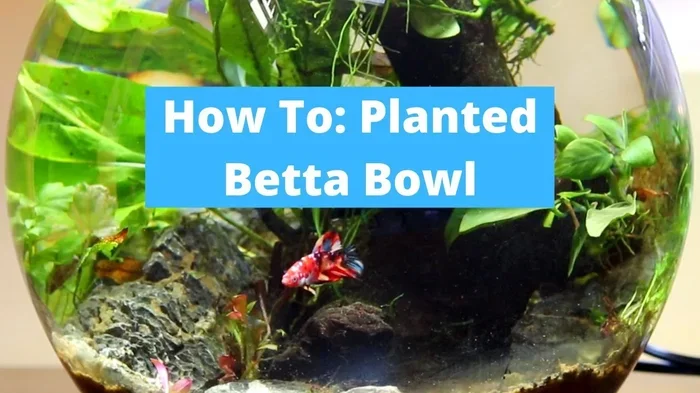
Betta fish love places to hide and explore. Add a few live or silk plants to the bowl. You can also include smooth pebbles or a small cave decoration. Just make sure nothing has sharp edges that could tear your fish’s delicate fins.
If you want ideas for creating a natural-looking setup, check out this guide on how to set up a betta fish bowl with a plant. Plants not only look great but also help keep the water clean.
Prepare the Water in Advance
Water quality is everything for betta fish. Use a water conditioner to remove chlorine and chloramine from tap water. Let the water sit for at least 15 minutes after adding the conditioner. This gives it time to reach room temperature and stabilize.
For more details on getting the water just right, see our guide on how to prepare water for a betta fish. Proper water preparation prevents stress and keeps your fish healthy.
Step-by-Step: How to Transfer a Betta Fish to a New Bowl
Now that your new bowl is ready, it’s time for the actual transfer. Follow these steps carefully to keep your betta calm and safe throughout the process.
Step 1: Turn Off the Lights
Dim the lights in the room or turn them off completely. Betta fish feel less stressed in low-light conditions. This simple step helps keep your fish relaxed during the move.
Step 2: Scoop Your Betta Gently
Use a small, clean cup or a soft net to scoop your betta out of the old bowl. Move slowly and avoid sudden movements. Try to scoop your fish with as much of the original water as possible. The old water carries familiar scents and bacteria that help your betta feel safe.
Step 3: Place Your Betta in a Temporary Container
If you have a small plastic container or bag, place your betta and some of the original water inside. This serves as a temporary holding space while you work on the new bowl. Keep this container in a quiet, warm spot away from direct sunlight.
Step 4: Add New Water to the Bowl
Pour the prepared water into the new bowl slowly. Try not to disturb the decorations or gravel too much. Leave enough space at the top so the water doesn’t splash out if your betta gets active.
Step 5: Float the Temporary Container
Place the container with your betta inside the new bowl. Let it float for about 15 to 20 minutes. This allows the water temperatures to equalize. Temperature shock is one of the biggest dangers when moving a betta fish to a new bowl.
Step 6: Gradually Mix the Waters
Every 5 minutes, use a small cup to add a little of the new bowl water into the temporary container. Do this for about 15 to 20 minutes total. This slow process helps your betta acclimate to the new water parameters without going into shock.
Step 7: Gently Release Your Betta
After the acclimation period, use the cup to carefully transfer your betta into the new bowl. Try not to pour the old container water into the new bowl — it may contain waste or bacteria. Let your fish explore the new space on its own.
Step 8: Observe Your Fish
Watch your betta closely for the next 30 minutes. Look for signs of normal behavior like swimming and exploring. Some hiding is normal at first, but prolonged lethargy or gasping at the surface is a warning sign.
Common Mistakes to Avoid When Moving Your Betta Fish
Even well-meaning owners make mistakes during the transfer process. Knowing what to avoid saves your fish from unnecessary stress and health problems.
Skipping the Acclimation Process
The biggest mistake is dumping your betta straight into new water without acclimating. Sudden changes in temperature, pH, and hardness can cause betta fish stress. Always take the time to mix the waters gradually over 15 to 20 minutes.
Using Unconditioned Tap Water
Tap water contains chlorine and other chemicals that are harmful to betta fish. Always use a water conditioner before adding tap water to the bowl. Skipping this step can damage your fish’s gills and lead to serious health issues.
Overcleaning the New Bowl
Some people scrub their bowls with harsh chemicals or use boiling water to sterilize them. This strips the bowl of beneficial bacteria and leaves behind harmful residues. Stick to warm water and a soft cloth for cleaning.
Moving Too Many Things at Once
Don’t change the water, the bowl, and the decorations all on the same day. Try to spread these changes out over a week or two. This gives your betta fish time to adjust to each new element individually.
Forgetting to Check the Water Temperature
Betta fish need warm water between 76°F and 82°F. If the new bowl water is too cold or too hot, your fish will go into shock. Use a simple aquarium thermometer to check the temperature before the transfer.
For tips on keeping the water warm without a heater, read our article on how to keep my betta fish warm without a heater.
After the Transfer: Helping Your Betta Settle In
The first 48 hours after a transfer are critical. Your betta needs time to adjust to the new environment. Here’s how you can support that process.
Feed Lightly for the First Day
Skip feeding your betta on the first day after the move. Stress can suppress appetite, and uneaten food will dirty the water. On the second day, offer a small amount of food — just two or three pellets. See how your fish responds before feeding normally again.
Keep the Bowl in a Quiet Spot
Place the new bowl in a calm area away from loud noises, direct sunlight, and drafty windows. Sudden temperature swings and constant disturbances make it harder for your betta to settle in.
Monitor Water Quality Daily
Check the water temperature and clarity every day for the first week. Look for any cloudiness, odor, or changes in pH. If something seems off, do a small water change (about 20%) using conditioned water.
For ongoing maintenance tips, visit our guide on how to maintain a betta fish bowl. Regular care keeps the bowl clean and your fish thriving.
Watch for Signs of Stress
Some stress behaviors are normal right after a move. Your betta might hide more than usual or stay near the bottom of the bowl. These behaviors should improve within 24 to 48 hours. If they don’t, take action quickly.
Common signs of ongoing stress include:
- Clamped fins — fins held close to the body
- Gasping at the surface — indicating poor oxygen or water quality
- Loss of color — fading or dulling of vibrant scales
- Refusing food — not eating after 48 hours
- Erratic swimming — darting or rubbing against surfaces
If you notice these signs, test the water parameters immediately. Poor water quality is the most common cause of post-transfer stress. For help treating a stressed fish, check out our article on how to treat a stressed betta fish.
How to Make the New Bowl Feel Like Home
Once your betta has settled in, you can start enhancing the bowl to make it even more comfortable. A well-decorated bowl does wonders for your fish’s confidence and overall health.
Add Live or Silk Plants
Plants provide natural hiding spots and help oxygenate the water. Silk plants are soft and won’t damage delicate fins. Live plants like java fern or anubias are even better — they absorb nitrates and keep the water cleaner.
Include a Gentle Filter (Optional)
While bettas can live in bowls without filters, a small sponge filter improves water quality over time. Just make sure the filter flow is gentle. Strong currents stress betta fish out. If you need help choosing a filter, look into guides on betta fish tank setup for recommendations.
Maintain a Consistent Routine
Bettas thrive on routine. Feed at the same times each day. Do partial water changes on a regular schedule. Keep the bowl in the same spot. Consistency gives your fish a sense of stability, which reduces stress and promotes long-term health.
Remember, a successful transfer to a new bowl is just the beginning. Ongoing care and attention ensure your betta lives a long, happy life in its new home.
Final Thoughts
Transferring a betta fish to a new bowl doesn’t have to be scary. With the right preparation and a slow, steady approach, your fish will adjust in no time. The key is patience — take your time with each step, and never rush the process. Clean the bowl properly, condition the water, match the temperature, and acclimate your fish gradually. These simple steps make all the difference.
After the transfer, keep a close eye on your betta for the first few days. Feed lightly, maintain water quality, and give your fish plenty of quiet time to explore. A little extra attention goes a long way in helping your betta feel safe and comfortable in its new bowl.
Your betta fish depends on you for its well-being. Every effort you put into a smooth transfer pays off in a happier, healthier fish. Follow the steps in this guide, and you’ll have a confident, thriving betta swimming happily in its new home in no time.
Frequently Asked Questions
How long does it take to transfer a betta fish to a new bowl?
The entire process takes about 30 to 45 minutes for the transfer itself. Full acclimation and settling in can take 48 hours or more. Be patient and don’t rush any step of the process.
Can I use water from the old bowl in the new bowl?
Yes, a small amount of old bowl water helps your betta adjust to the new environment. However, avoid transferring large amounts of old water that may contain waste or bacteria. Use it sparingly during the acclimation process.
Should I feed my betta fish right after the transfer?
No, skip feeding on the first day. Stress can reduce your betta’s appetite, and uneaten food will pollute the water. Start with a small meal on the second day and increase gradually.
What size bowl is best for a betta fish?
A bowl of at least 2.5 gallons is ideal. Five gallons or more is even better because larger volumes keep water parameters more stable. Avoid bowls smaller than 1 gallon for long-term housing.
How do I know if my betta is stressed after the move?
Watch for clamped fins, gasping at the surface, loss of color, refusing food, or erratic swimming. These are common signs of stress. If they persist beyond 48 hours, check your water parameters and take corrective action.
Can I add a heater to a betta fish bowl?
Yes, a small aquarium heater is highly recommended for betta bowls. Betta fish need warm water between 76°F and 82°F to stay healthy. A heater helps maintain a stable temperature, especially in colder rooms or during winter months.