Can a Betta Fish Go in with Glofish

Yes, a betta fish can share a tank with Glofish—but only under the right conditions. Key factors include tank size, gender, temperament, and careful monitoring. Follow our guide to create a safe, vibrant home for both species.
Key Takeaways
- Tank size matters: A minimum of 20 gallons gives both betta and Glofish space to thrive.
- Know the betta’s gender: Males are more territorial; females are generally calmer.
- Choose peaceful Glofish species: Neon tetras, ember tetras, and zebra danios are good companions.
- Provide plenty of hiding spots: Plants, caves, and driftwood reduce stress for all fish.
- Monitor behavior daily: Early signs of aggression should be addressed immediately.
- Maintain water parameters: Both bettas and Glofish prefer similar pH, temperature, and hardness.
- Start with a quarantine tank: Quarantining new Glofish prevents disease spread to your betta.
📑 Table of Contents
- Introduction: Why the Question Comes Up
- Understanding the Basics of Each Species
- Can a Betta Fish Go in with Glofish? The Short Answer
- Setting Up the Perfect Community Tank
- Choosing the Right Glofish Species
- Introducing the Betta and Glofish: Step‑by‑Step
- Potential Challenges and How to Solve Them
- Real‑World Example: A Successful Setup
- When to Say No: Situations Where It’s Not Advisable
- Conclusion: Making an Informed Decision
Introduction: Why the Question Comes Up
If you love the vivid glow of Glofish and the flamboyant fins of a betta, it’s natural to wonder whether they can coexist. Both fish are popular among hobbyists, yet they come from very different backgrounds. Glofish are genetically modified zebrafish, tetras, or barbs that shine under blue light, while bettas (Betta splendens) are native to shallow Thai rice paddies and are famous for their aggressive nature.
Answering “can a betta fish go in with Glofish?” isn’t a simple yes or no. It depends on tank size, the specific Glofish species, the betta’s gender, and how you set up the environment. In this article we’ll break down every factor, give you practical steps, and share real‑world examples so you can decide with confidence.
Understanding the Basics of Each Species
Betta Fish: Temperament and Needs
Betta fish are labyrinth fish, meaning they can breathe air directly from the surface. They thrive in warm water (78‑82 °F) and like a slightly acidic to neutral pH (6.5‑7.5). Males are famously territorial and will flare at any perceived rival, especially other bright, flowing‑fin fish. Females are less aggressive but can still be protective of their space.

Visual guide about Can a Betta Fish Go in with Glofish
Image source: petshun.com
Glofish: What Makes Them Different?
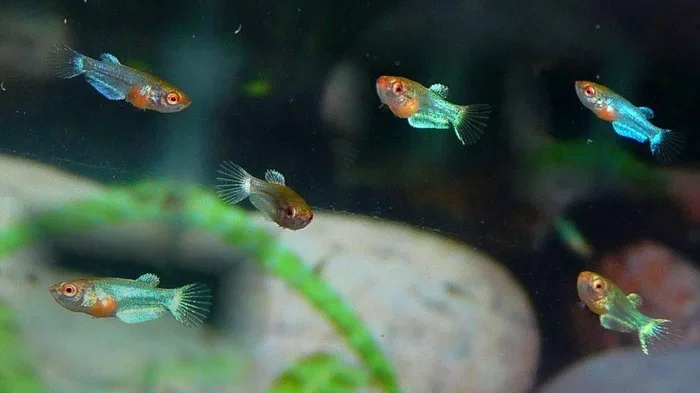
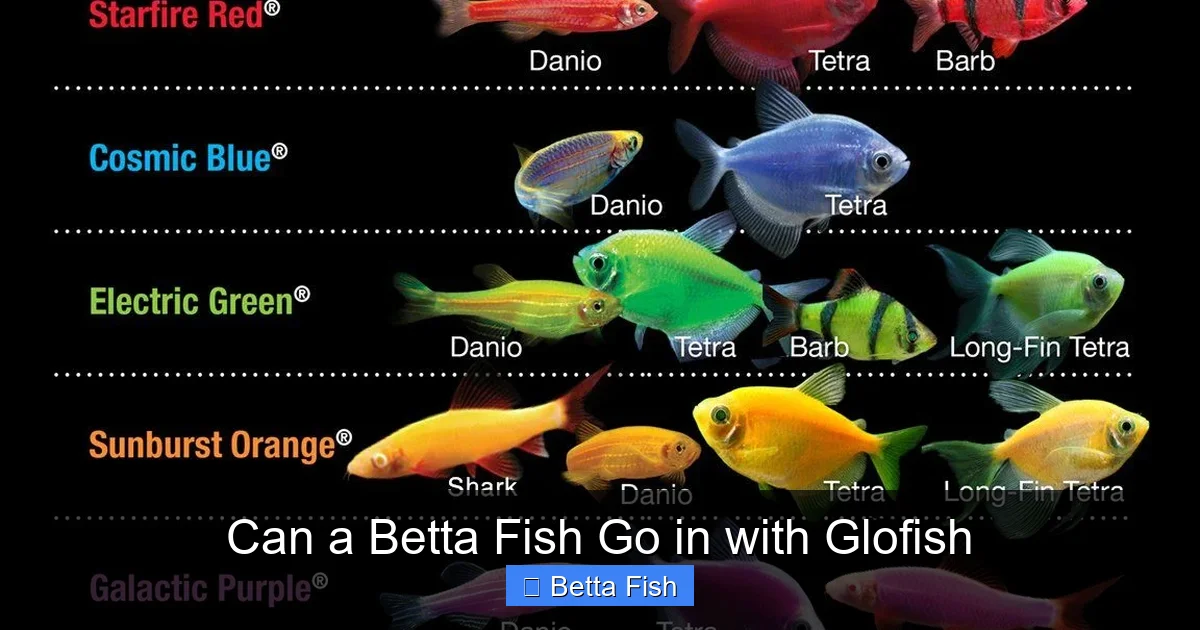
Glofish are not a single species; they are zebrafish, tetras, or barbs that have been modified to express fluorescent proteins. They are schooling fish that prefer to be in groups of at least six. Their water requirements are similar to regular tetras: temperature 72‑78 °F, pH 6.0‑7.0, and soft to moderately hard water.
Comparing Core Requirements
- Temperature: Overlap is good—78 °F works for both.
- pH: Both tolerate 6.5‑7.0 comfortably.
- Tank size: Bettas can survive in 5‑gallon tanks, but Glofish need space to school, so a larger tank is essential.
Can a Betta Fish Go in with Glofish? The Short Answer
The short answer is **yes, a betta fish can go in with Glofish**, but only if you meet specific criteria. Below is a quick checklist:

Visual guide about Can a Betta Fish Go in with Glofish
Image source: fishtankexpert.com
- Minimum tank size: 20 gallons (75 L) for a single male betta and a small school of Glofish.
- Betta gender: Prefer a female betta for beginners; a male can work with very peaceful Glofish.
- Glofish species: Choose non‑aggressive, mid‑water swimmers like Neon Glofish (zebrafish) or Ember Glofish (tetras).
- Plenty of décor: Plants, driftwood, and caves to break lines of sight.
- Constant monitoring: Watch for fin nipping, chasing, or signs of stress.
Setting Up the Perfect Community Tank
Tank Size and Shape
A 20‑gallon long tank provides enough horizontal swimming room for Glofish schools and separate zones for the betta. If you can go larger—30 gallons or more—the risk of aggression drops dramatically.
Visual guide about Can a Betta Fish Go in with Glofish
Image source: i.pinimg.com
Filtration and Flow
Both bettas and Glofish appreciate gentle water movement. Use a sponge filter or a low‑flow hang‑on‑back filter. Too strong a current will stress the betta, while insufficient flow can lead to poor water quality for the Glofish.
Lighting for Glow
To showcase the fluorescent colors, install a blue LED light on a timer (8‑10 hours per day). The glow is most vivid under blue light, but keep the photoperiod normal to avoid stress.
Substrate and Plants
Fine sand or smooth gravel works well. Live plants such as Java fern, Anubias, and Amazon swords give the betta hiding spots and the Glofish places to dart. If live plants are not an option, use silk plants—avoid plastic leaves that can tear delicate betta fins.
Decor and Hiding Places
Place at least three distinct pieces of décor (caves, driftwood, PVC pipes). These break the line of sight, which reduces territorial displays. Position the betta’s “throne” (a small leaf or flat stone) near the surface, away from the Glofish school’s main swimming area.
Choosing the Right Glofish Species
Best Candidates for Co‑habitation
- Neon Glofish (zebrafish): Small, fast, and tend to stay mid‑water.
- Ember Glofish (tetras): Peaceful, shy, and prefer the lower half of the tank.
- Zebra Glofish (zebrafish): Similar to Neon, good for larger schools.
Species to Avoid
Glofish that are naturally aggressive or have long flowing fins (like Glofish guppies) can trigger a betta’s aggression. Avoid Glofish barbs with bright, large fins, as they may be mistaken for rival males.
Introducing the Betta and Glofish: Step‑by‑Step
1. Quarantine All New Glofish
Before adding any Glofish to the community tank, keep them in a separate quarantine tank for at least two weeks. This prevents disease transmission to your betta.
2. Cycle the Main Tank Fully
A fully cycled tank (ammonia = 0 ppm, nitrite = 0 ppm, nitrate < 20 ppm) is essential. Use a water test kit daily for the first two weeks after introducing new fish.
3. Acclimate Slowly
Float the sealed bag with Glofish in the tank for 15 minutes to equalize temperature, then slowly add tank water to the bag over 30 minutes before releasing them.
4. Add the Betta Last
If you already have a betta, introduce the Glofish first. If you’re starting fresh, add the betta after the Glofish have settled for a few days, giving them a chance to claim territories.
5. Observe and Adjust
Watch for any signs of stress: faded colors, rapid breathing, or hiding for long periods. If aggression appears, consider rearranging décor or adding a divider.
Potential Challenges and How to Solve Them
Fin Nipping and Aggression
If the betta begins to nip at Glofish fins, increase the number of hiding spots and consider a larger tank. In severe cases, move the betta to a separate tank using a clear divider so you can still enjoy the view.
Water Parameter Mismatch
While both species share similar ranges, Glofish may be more sensitive to sudden pH swings. Use a stable buffer and perform weekly water changes (20‑25 %) to keep conditions steady.
Overcrowding
Glofish need to school; a group of six is the minimum. However, too many fish in a 20‑gallon tank can raise bioload. Stick to 6‑8 Glofish plus one betta for optimal health.
Disease Transmission
Common ailments like ich or velvet can spread quickly. Keep a quarantine tank, and treat any sick fish promptly with appropriate medication.
Real‑World Example: A Successful Setup
Emma, a beginner hobbyist, set up a 30‑gallon long tank with a female betta, six Ember Glofish, and a small school of Neon Glofish. She used a sponge filter, added Java fern, and placed three driftwood logs. After a two‑week quarantine and careful acclimation, the fish coexisted peacefully for over six months. Emma reports that the blue LED lights make the Glofish glow spectacularly, while her betta shows vibrant fin displays without aggression.
When to Say No: Situations Where It’s Not Advisable
If you only have a 5‑gallon bowl, a single male betta, or lack the ability to maintain stable water parameters, it’s best to keep them separate. Also, if the betta has a history of extreme aggression, even a large tank may not prevent attacks.
Conclusion: Making an Informed Decision
In short, can a betta fish go in with Glofish? Yes—provided you respect the betta’s temperament, choose peaceful Glofish species, and give them a spacious, well‑decorated home. The key is preparation: quarantine, proper cycling, and vigilant observation. When done right, you’ll enjoy a dazzling display of colors and the soothing movement of both fish living together.
Always remember that every fish is an individual. What works for one betta may not work for another. Start slow, stay patient, and you’ll find the perfect balance for a thriving community tank.
Frequently Asked Questions
Can a male betta live with Glofish?
Yes, a male betta can live with Glofish if the tank is at least 20 gallons, the Glofish are peaceful species, and plenty of hiding places are provided.
Do Glofish need a school to be happy?
Glofish are schooling fish and feel safest in groups of six or more. A small school will reduce stress and make them less likely to provoke a betta.
What temperature should I keep a betta and Glofish tank at?
Maintain the water at 78 °F (25.5 °C). This temperature is comfortable for both bettas and most Glofish species.
How often should I clean the tank when keeping a betta with Glofish?
Perform a 20‑25 % water change weekly and clean the filter media every month to keep water parameters stable for both fish.
Can I use a plant filter for a betta‑Glofish community?
Yes, a sponge filter or a low‑flow hang‑on‑back filter works well and provides gentle water movement that both bettas and Glofish appreciate.
What signs show that my betta is stressed with Glofish?
Look for faded colors, constant flaring, rapid breathing, or the betta hiding all the time. If you notice these, reassess tank size and décor.