How to Travel with Your Betta Fish
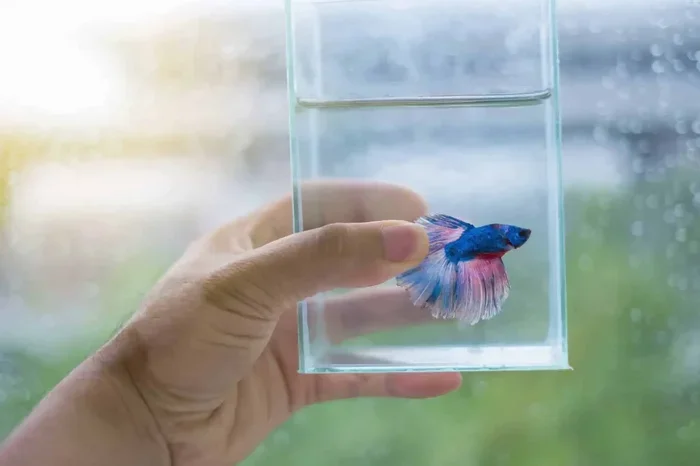
Traveling with your betta fish is totally doable when you plan ahead. This guide covers everything you need to know about choosing the right carrier, maintaining water quality, and keeping your betta calm on the road. You will learn practical tips for short trips and long journeys, plus how to avoid common mistakes that stress your fish.
Traveling with a betta fish might sound tricky, but it is easier than most people think. Whether you are moving to a new home, going on vacation, or visiting family, your betta fish can come along if you prepare the right way. The key is to reduce stress, keep the water stable, and plan every step of the journey.
Many fish owners worry about their betta fish health during travel. That is completely normal. Bettas are sensitive creatures, and sudden changes in their environment can cause problems. But with the right betta fish travel tips, you can make the trip smooth and safe for both you and your fish. This guide walks you through everything you need to know.
In this article, you will find step-by-step advice on packing your fish, choosing the best carrier, handling betta fish transport by car and by plane, and keeping your fish healthy during the journey. Let us get started.
Key Takeaways
- Use a proper betta fish carrier: A clean, secure container with enough air space keeps your fish safe during transport.
- Maintain stable water temperature: Sudden temperature changes are one of the biggest risks for bettas while traveling.
- Feed lightly before travel: A small meal 2-3 hours before departure reduces waste and keeps water clean.
- Plan for breaks on long trips: Check water conditions and your fish’s behavior every few hours during road trips.
- Acclimate slowly after arrival: Let your betta adjust to the new environment gradually to avoid shock.
- Avoid opening the carrier often: Every opening introduces stress and changes in temperature or water quality.
📑 Table of Contents
- Why Traveling with Your Betta Fish Needs Planning
- Choosing the Right Carrier for Your Betta Fish
- How to Prepare Your Betta Fish Before Travel
- Traveling with Your Betta Fish by Car
- Can You Travel with a Betta Fish on a Plane?
- Keeping Your Betta Fish Healthy During Travel
- What to Do When You Arrive at Your Destination
- Common Mistakes to Avoid When Traveling with Your Betta Fish
- Final Thoughts on Traveling with Your Betta Fish
Why Traveling with Your Betta Fish Needs Planning
Bettas are tropical fish that need warm, clean water to stay healthy. When you travel, you are moving them away from their stable environment. This can cause betta fish stress, which leads to illness or even death if not managed properly.
The good news is that bettas are tougher than they look. They can survive short periods in small containers. But “surviving” is not the same as “thriving.” Your goal is to keep your fish comfortable and healthy throughout the trip. That means paying attention to water quality, temperature, and feeding.
Before you pack your fish, ask yourself where you are going and how long the trip will take. A weekend trip to a nearby town is very different from a cross-country move. The length of your journey determines what supplies you need and how often you will need to check on your fish.
Understanding Your Betta’s Needs During Travel
Bettas need warm water between 76 and 82 degrees Fahrenheit. They also need clean water with low ammonia and nitrate levels. During travel, these conditions can shift quickly, especially in a car or on a plane.
Here are the three main things your betta needs during any trip:
- Stable temperature: Avoid sudden drops or spikes in water warmth.
- Clean water: Waste builds up fast in small containers, so fresh water matters.
- Low stress: Keep the carrier in a quiet, dark place to calm your fish.
If you can control these three factors, your betta will have a much better chance of staying healthy. For more on keeping your betta calm, check out how to know if your betta fish is happy to understand the signs of a relaxed fish.
Choosing the Right Carrier for Your Betta Fish
The carrier is the most important piece of equipment for betta fish transport. You want something that is safe, secure, and easy to carry. Never use a regular fish bowl or an open container. Your fish could splash out, and the water could spill everywhere.
Best Types of Carriers for Betta Fish Travel
There are a few options that work well for traveling with bettas. Here is a quick comparison:
- Plastic fish bags: These are the most common choice. They are cheap, lightweight, and easy to seal. Use double bags for extra safety.
- Hard plastic containers: These are sturdy and won’t collapse. They work great for car trips where space is not an issue.
- Soft-sided carriers: These are flexible and good for fitting into tight spaces. They often have built-in handles for easy carrying.
- Travel betta tanks: Some companies make small tanks specifically for fish travel. These are the best option if you have the budget.
No matter which type you choose, make sure the container has enough air space. Your betta needs oxygen to breathe, and a fully sealed container will run out of air fast. Fill the carrier about two-thirds full of water, leaving one-third for air.
If you want to learn more about setting up a safe temporary home for your fish, read about how to setup a betta fish bowl with a plant for ideas on creating a calm environment.
Quick Tips for Carrier Setup
- Use a container that is at least 1 quart in size for short trips.
- Add a small sponge filter if the trip lasts more than 4 hours.
- Secure the lid tightly to prevent leaks and spills.
- Wrap the carrier in a towel or blanket to block out light and reduce stress.
- Label the carrier clearly so others know there is a live fish inside.
How to Prepare Your Betta Fish Before Travel
Preparation is the step most people skip, and it is the most important one. Taking the time to prep your betta before a trip can make the difference between a healthy fish and a stressed one when you arrive.
Feeding Schedule Before Travel
Do not feed your betta a big meal right before you leave. A full stomach creates more waste in the water, which can make the water dirty fast. Instead, feed your fish a small amount 2 to 3 hours before departure. This gives your betta time to digest the food and use the bathroom before the journey starts.
For longer trips, you might wonder whether to skip feeding altogether. Bettas can go 2 to 3 days without food without any problems. If your trip is longer than that, consider bringing a small amount of food and feeding your fish lightly every 24 hours.
Water Changes and Quality
Do a 50 percent water change the day before you travel. This removes built-up waste and gives your betta fresh, clean water to start with. Use water that has been treated with a tap water conditioner to remove chlorine and chloramine.
Bring some of the original tank water with you in a separate container. This water already has the beneficial bacteria your fish needs, which helps maintain betta fish water quality during the trip. Fresh tap water can shock your fish if it has not been properly treated.
Temperature Control Before You Leave
Check the water temperature in your betta’s tank before you start packing. It should be in the 76 to 82 degree Fahrenheit range. If it is too cold or too warm, adjust it slowly over several hours before the trip. Sudden temperature changes right before travel can weaken your fish’s immune system.
Traveling with Your Betta Fish by Car
Car travel is the safest and most common way to transport a betta fish. You have full control over the environment, which means you can manage temperature, stops, and water conditions along the way.
Step-by-Step Guide for Road Trips with Your Betta
Follow these steps to keep your betta safe during a car trip:
- Place the carrier in a stable spot, like the floor of the back seat. Avoid the trunk, where temperatures can swing wildly.
- Wrap the carrier in a towel or small blanket to keep it dark and insulated.
- Drive smoothly. Avoid sudden stops and sharp turns that can slosh water around.
- Stop every 3 to 4 hours to check on your fish. Look for signs of stress like rapid breathing or lethargy.
- If the trip is longer than 8 hours, consider a small water change at a rest stop using pre-treated water.
- When you arrive, let the carrier sit in the new location for 15 to 20 minutes before opening it. This helps your betta adjust to the new environment.
For longer cross-country moves, check out our guide on how to transport a betta fish long distance for detailed advice on extended journeys.
Keeping Water Temperature Stable in the Car
Car temperatures can drop in winter and rise in summer. Both extremes are dangerous for bettas. In cold weather, place a heat pack wrapped in a towel next to the carrier. In hot weather, keep the car air-conditioned and avoid leaving the car parked in direct sunlight.
A simple way to monitor temperature is to use a small adhesive thermometer on the outside of the carrier. Check it during every stop to make sure the water stays in the safe range.
Can You Travel with a Betta Fish on a Plane?
Flying with a betta fish is possible, but it requires extra planning. Most airlines allow small pets like fish in the cabin, but you must check the rules before you book your ticket.
Airline Rules for Traveling with Fish
Every airline has different policies about transporting animals. Here are the most common rules you will encounter:
- Small containers only: Most airlines require the carrier to fit under the seat in front of you.
- No live fish in cargo: The cargo hold is too cold and too rough for a betta fish. Always keep your fish in the cabin.
- Leak-proof requirement: The carrier must be sealed and padded to prevent any spills.
- Declaration at check-in: Tell the airline agent you are carrying a live fish. They may need to inspect the container.
For more specific guidance, read about can I travel by plane with my betta fish to understand airline policies in detail.
Tips for Stress-Free Air Travel with Your Betta
- Arrive at the airport early to avoid rushing, which can stress both you and your fish.
- Keep the carrier under the seat in a stable position. Do not place it on the overhead bin.
- Do not open the carrier during the flight. The pressure and noise can scare your betta.
- Bring a small emergency kit with treated water and a portable heater pack for long flights.
Most flights under 4 hours are safe for bettas. Longer flights increase the risk of water quality problems. If you have a very long flight, consider shipping your fish with a professional service instead.
Keeping Your Betta Fish Healthy During Travel
Even with the best planning, travel can be hard on your fish. Knowing the signs of stress and having a plan to address problems will help you handle any situation that comes up.
Signs of Stress to Watch For
Your betta will tell you if something is wrong. Look for these common signs of betta fish stress during travel:
- Rapid breathing: Gills moving fast can mean the water quality is poor or the temperature is off.
- Lethargy: If your fish is barely moving, it may be in shock or the water is too cold.
- Clamped fins: Fins held close to the body are a classic sign of discomfort.
- Loss of color: A faded or pale betta is a stressed betta.
- Erratic swimming: Darting or flipping can indicate water quality issues.
If you notice any of these signs, check the water temperature first. If that is fine, consider a partial water change with treated water. Sometimes just giving your fish a few minutes in a quiet, dark space can help them recover.
Building a Simple Betta Travel Kit
Pack a small kit with everything you need for the trip. Here is what to include:
- A bottle of treated water (about 1 quart)
- A small container for water changes
- A portable thermometer
- A fish net (only if absolutely necessary)
- A small bottle of betta-safe water conditioner
- A towel or blanket for wrapping the carrier
- Your betta’s regular food in a small sealed bag
Having these supplies ready means you can handle most problems on the spot without scrambling to find what you need.
What to Do When You Arrive at Your Destination
The journey is not over when you reach your destination. The first few hours at your new location are critical for your betta’s adjustment.
Acclimating Your Betta to a New Environment
Do not open the carrier right away. Let it sit in the new room for 15 to 20 minutes. This gives your fish time to adjust to the new light levels and temperature differences. After that, slowly add small amounts of the new room’s water to the carrier over the next 30 minutes.
If you are setting up a temporary tank, make sure the water parameters match what your betta is used to. Use a betta fish heater to maintain the right temperature, and test the water for ammonia and nitrite levels before introducing your fish.
For tips on making your new setup welcoming, check out how to make your betta fish happy for ideas on creating a comfortable home.
Feeding After Travel
Wait at least 2 to 3 hours after arrival before feeding your betta. The travel experience can upset their digestive system, and feeding too soon can make it worse. Start with a small amount of food and watch your fish eat. If they are not interested, wait another hour and try again.
Once your betta is eating normally, you can return to their regular feeding schedule. Most bettas bounce back to their normal behavior within 24 to 48 hours after arriving at a new location.
Common Mistakes to Avoid When Traveling with Your Betta Fish
Even experienced fish owners make mistakes when traveling with their bettas. Here are the most common errors and how to avoid them:
- Using an oversized container: A huge tank is heavy and hard to manage during travel. A small, secure carrier is better.
- Skipping water changes before the trip: Dirty water creates ammonia buildup fast in a closed container.
- Leaving the carrier in direct sunlight: The temperature inside the carrier can spike dangerously high.
- Feeding too much before travel: Excess food fouls the water quickly and can make your fish sick.
- Opening the carrier too often: Every opening introduces new bacteria, changes temperature, and stresses your fish.
- Forgetting to bring treated water: Tap water with chlorine can harm your betta during a water change on the road.
Avoiding these simple mistakes will keep your betta safe and healthy throughout the journey. If you want to learn more about maintaining water quality on the go, read about how to clean your betta fish tank for best practices you can apply to temporary setups.
Final Thoughts on Traveling with Your Betta Fish
Traveling with your betta fish does not have to be stressful. With the right carrier, proper preparation, and a little extra attention, you can keep your fish safe and comfortable no matter where you are going. The most important things to remember are to keep the water clean, maintain a stable temperature, and minimize stress at every step.
Whether you are taking a short car ride or a long flight, planning ahead is your best tool. Pack your supplies, check the rules for your mode of transport, and always watch your fish for signs of discomfort. A little extra care goes a long way in making sure your betta stays healthy through the journey.
Now that you know how to travel with your betta fish, you can plan your next trip with confidence. Your fish is tougher than you think, and with the tips in this guide, you are fully prepared to hit the road or the runway together.
Frequently Asked Questions
Can I travel with my betta fish in a regular fish bag?
Yes, a regular fish bag works for short trips under 2 hours. Use double bags for safety, fill them about two-thirds with water, and leave one-third for air. Seal the top tightly and keep the bag upright at all times during transport.
How long can a betta fish survive in a travel container?
A healthy betta can survive in a travel container for up to 48 hours without problems, provided the water is clean and the temperature is stable. For trips longer than that, plan for water changes and feeding breaks every 24 hours.
Do I need a heater when traveling with my betta fish?
For short trips under 4 hours, a heater is usually not necessary if you keep the car at a comfortable room temperature. For longer trips or cold weather, a small portable heater pack wrapped in a towel next to the carrier works well to maintain warmth.
Can I bring my betta fish on an airplane?
Most airlines allow small fish in the cabin but not in cargo. You must use a leak-proof, secure container that fits under the seat. Always check your specific airline’s pet policy before booking, and inform the agent at check-in that you are carrying a live fish.
Should I feed my betta fish right before a trip?
No, feed your betta a small meal 2 to 3 hours before departure. This gives the fish time to digest and reduces waste in the water. For trips longer than 24 hours, you can skip feeding entirely since bettas can go several days without food.
What should I do if my betta fish shows signs of stress during travel?
First, check the water temperature and make sure it is in the safe range. If the temperature is fine, consider a small partial water change with treated water. Keep the carrier in a quiet, dark place and avoid opening it frequently. Most bettas recover within a few hours once conditions stabilize.