Are Rosea Bad for Betta Fish
Rosea (also called rosea algae or plants) can be a mixed blessing for betta fish. In small doses they add beauty and hiding spots, but excess growth may degrade water quality and stress your betta. Learn how to manage rosea safely and keep your finned friend healthy.
Key Takeaways
- Moderation is key: A few rosea stems are fine, but over‑growth can spike ammonia.
- Water parameters matter: Proper filtration and regular water changes keep rosea from becoming a problem.
- Choose the right type: Some rosea varieties are safer for bettas than others.
- Live vs. artificial: Live rosea offers natural benefits, while high‑quality silk mimics the look without water‑quality risks.
- Monitor your betta: Changes in behavior or fin health signal that rosea may be stressing your fish.
- Combine with other plants: Mixing rosea with hardy live plants improves stability.
- Know the tank size: Smaller bowls make any plant issue more pronounced; a 5‑gallon tank gives more buffer.
📑 Table of Contents
- Introduction: Why the Question Comes Up
- What Is Rosea? Types and Characteristics
- How Rosea Interacts With Betta Fish
- Setting Up a Safe Environment With Rosea
- Live Rosea vs. Other Live Plants: Which Is Best?
- Testing and Monitoring: Keep an Eye on the Numbers
- Practical Tips From Betta Keepers
- Conclusion: Are Rosea Bad for Betta Fish?
Introduction: Why the Question Comes Up
If you’ve ever set up a betta tank, you’ve probably asked yourself, are rosea bad for betta fish? The short answer is “it depends.” Rosea—whether you mean the delicate rosea algae that sometimes blooms in fresh water or the ornamental rosea plant often sold for nano‑tanks—can look stunning, but it also has the potential to disturb the delicate balance a betta needs.
Betta fish are hardy, yet they are also very sensitive to changes in water chemistry and environment. A single over‑grown plant can raise nitrate levels, lower oxygen, and even hide harmful toxins. In this guide we’ll walk you through the science, share real‑world examples, and give you a step‑by‑step plan to enjoy rosea without jeopardizing your finned friend.
What Is Rosea? Types and Characteristics
Rosea Algae
In many community tanks, “rosea” refers to a reddish‑brown filamentous algae that thrives in warm, slightly acidic water. It spreads quickly on glass, decorations, and live plants. While it can be attractive in small patches, a bloom can choke out light and oxygen.
Visual guide about Are Rosea Bad for Betta Fish
Image source: agribotix.com
Rosea Live Plants
Some aquarium shops label small, fast‑growing stem plants as “rosea” because of their pink‑tinged leaves. These are usually varieties of Alternanthera reineckii or Rotala rotundifolia. They are popular for betta tanks because they stay low and provide gentle cover.
Artificial Rosea Decor
Silk or plastic “rosea” stems are also sold as décor. They pose no risk to water chemistry but can become breeding grounds for bacteria if not cleaned regularly.
How Rosea Interacts With Betta Fish
Benefits: Hiding Spots and Enrichment
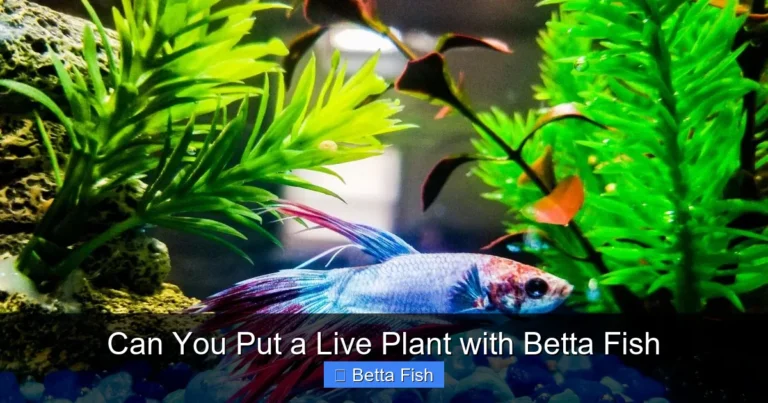
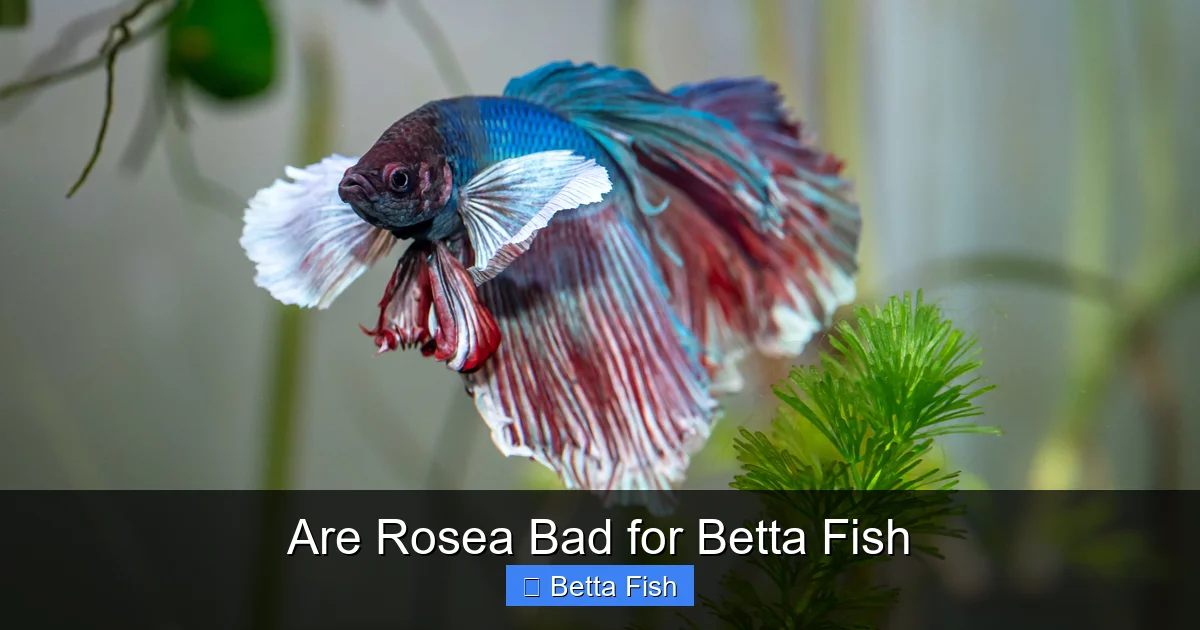
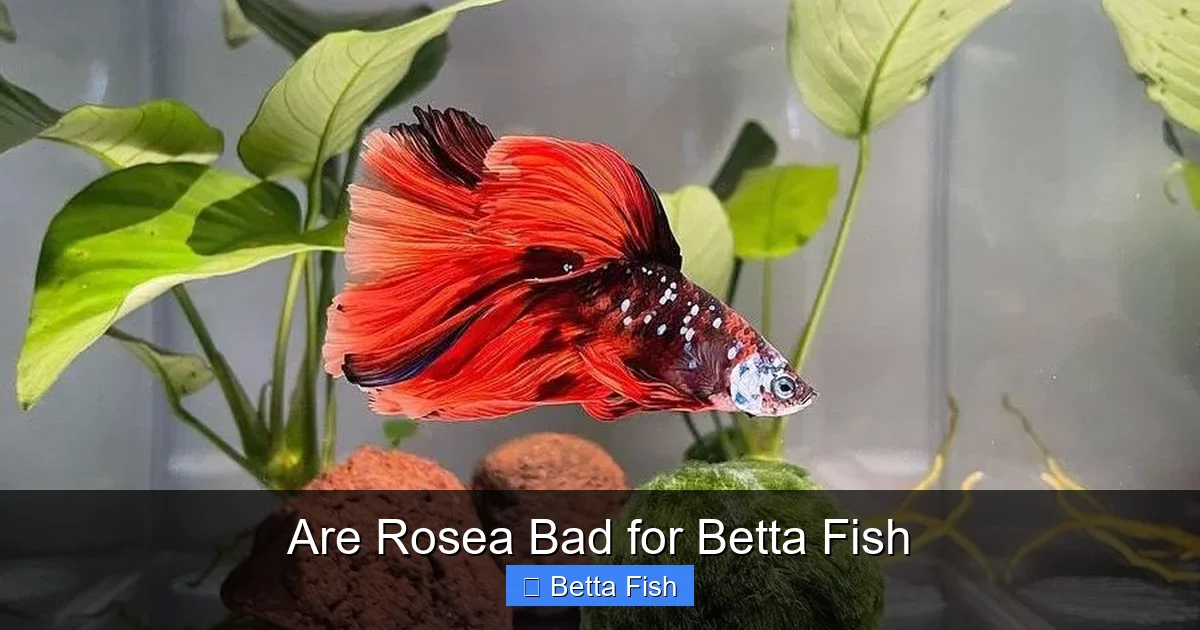
Betta fish love to explore. A few rosea stems give them places to rest, fry out, and display their flaring behavior. In the wild, bettas hide among dense vegetation to avoid predators, so replicating that environment can reduce stress.
Visual guide about Are Rosea Bad for Betta Fish
Image source: acaquarium.com
Risks: Water Quality and Oxygen
When rosea proliferates, it consumes dissolved oxygen—especially at night when photosynthesis stops. Low oxygen can make a betta gasp at the surface, a clear sign of distress. Additionally, decaying rosea releases ammonia, which is toxic to bettas.
Behavioral Signs Your Betta Is Unhappy
- Frequent surface breathing
- Lethargy or hiding more than usual
- Faded colors or torn fins
- Increased aggression toward tank mates
If you notice any of these, it’s time to reassess your rosea load.
Setting Up a Safe Environment With Rosea
Start Small: The 1‑Plant Rule
Begin with a single rosea stem that’s about 2‑3 inches tall. This provides cover without overwhelming the tank. As you monitor water parameters, you can decide whether to add more.
Visual guide about Are Rosea Bad for Betta Fish
Image source: thefishantibiotics.com
Choose the Right Tank Size
In a 2‑gallon betta bowl, even one plant can dominate the water volume. Opt for at least a 5‑gallon tank—see What Size Tank For A Betta Fish—to give the plant room to grow while keeping water stable.
Filtration and Flow
A gentle sponge filter or a low‑flow hang‑on filter will keep ammonia low without creating strong currents that stress bettas. Aim for a turnover rate of 2‑3 times the tank volume per hour.
Lighting Considerations
Rosea algae loves strong light. Keep your photoperiod to 8‑10 hours with a moderate spectrum. If you notice rapid growth, reduce the light intensity or duration by an hour.
Regular Maintenance
- Trim any over‑growing stems weekly.
- Perform a 25‑30% water change every 5‑7 days.
- Test ammonia, nitrite, and nitrate weekly with a reliable kit.
Live Rosea vs. Other Live Plants: Which Is Best?
Hardy Alternatives
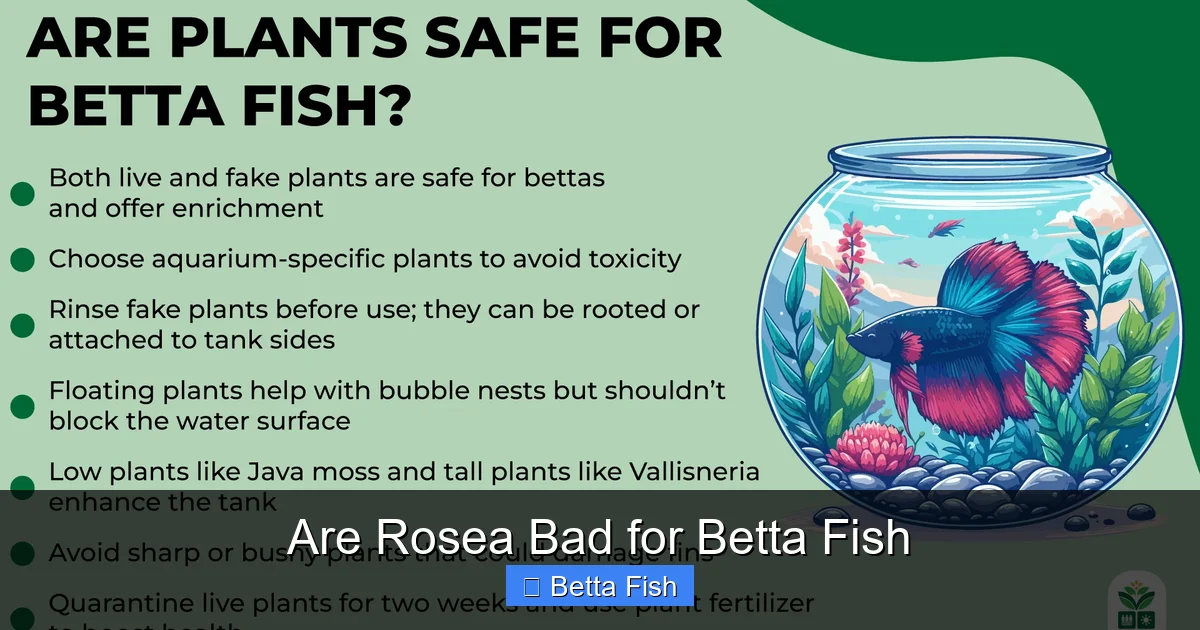
Plants like Java Moss, Anubias, and Cryptocoryne are low‑maintenance and less likely to cause water spikes. They also provide the same hiding benefits.
Mixing Plants for Balance
Combine a single rosea stem with a few hardy plants. This creates a natural ecosystem where beneficial bacteria colonize plant roots, helping to break down waste. Check out Which Live Plants Are Good For Betta Fish for a full list.
When to Use Artificial Rosea
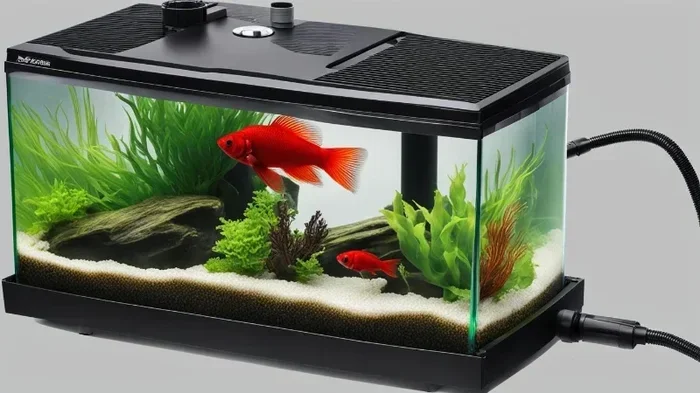
If you love the look but fear water quality issues, high‑quality silk stems are a safe alternative. Just remember to rinse them before adding them to the tank and replace them every 2‑3 months.
Testing and Monitoring: Keep an Eye on the Numbers
Key Water Parameters
Betta fish thrive in water that’s:
- pH: 6.5‑7.5
- Temperature: 76‑82°F (see What Temperature Should Water Be For A Betta Fish)
- Ammonia: 0 ppm
- Nitrite: 0 ppm
- Nitrate: <10 ppm for a planted tank
Using Test Kits Effectively
Test every 3‑4 days during the first month of adding rosea. If ammonia spikes, increase water changes and trim the plant.
Practical Tips From Betta Keepers
Case Study: Lily’s 5‑Gallon Setup
Lily added two rosea stems to her 5‑gallon tank with a sponge filter. After two weeks, she saw a slight ammonia rise. She trimmed one stem, increased water changes to 30%, and the levels returned to zero. Her betta’s colors brightened, and he began performing more frequent flares.
Do‑And‑Don’t List
- Do quarantine new plants before adding them.
- Do keep lighting moderate.
- Don’t let rosea touch the tank lid—this encourages algae bloom.
- Don’t use high‑flow pumps that stress the betta.
Conclusion: Are Rosea Bad for Betta Fish?
In short, rosea are not inherently bad for betta fish, but they require careful management. A single, well‑maintained stem can enhance your betta’s environment, while unchecked growth can jeopardize water quality and the fish’s health. By monitoring water parameters, keeping the tank appropriately sized, and balancing rosea with other hardy plants, you can enjoy the beauty of rosea without risking your betta’s wellbeing.
Remember, every tank is unique. Start small, observe, and adjust. Your betta will thank you with vibrant colors and confident flares.
Frequently Asked Questions
Can a betta live with a lot of rosea algae?
Only if the tank is heavily filtered and water changes are frequent. Too much algae can lower oxygen and raise ammonia, which stresses bettas.
Is artificial rosea safer than live rosea?
Yes, artificial stems don’t affect water chemistry, but they must be cleaned regularly to prevent bacterial buildup.
How often should I trim rosea plants?
Trim any over‑growing stems once a week. This keeps the plant from shading the tank and helps maintain water quality.
Do bettas need live plants at all?
Live plants are not mandatory, but they provide natural enrichment, improve water stability, and can reduce stress.
Will rosea compete with other live plants?
Fast‑growing rosea can outcompete slower plants for nutrients. Mixing with hardy species and regular fertilization keeps the balance.
What should I do if my betta shows signs of stress after adding rosea?
Immediately reduce the number of stems, increase water changes, and test water parameters. If issues persist, remove the plant entirely.