Why Is My Betta Fish Tail Turning Red

Seeing a red tail on your betta can be alarming, but it’s often a sign of stress, infection, or water issues. Identify the root cause, adjust the environment, and act fast to protect your fish’s health.
Key Takeaways
- Water quality matters: Poor parameters are the top trigger for a reddening tail.
- Infections are common: Bacterial, fungal, or parasitic invasions can cause redness and swelling.
- Stress signals: Over‑crowding, aggressive tank mates, and sudden changes turn the tail red.
- Nutrition helps: A balanced diet with vitamins supports immune health and color.
- Quick action saves: Early treatment and water changes can stop permanent damage.
- Watch for other signs: Loss of fins, lethargy, or abnormal swimming often accompany a red tail.
- Prevention is best: Consistent maintenance and proper tank setup keep tails bright and healthy.
📑 Table of Contents
- Introduction: When the Tail Turns Red
- 1. Water Quality – The Hidden Culprit
- 2. Infections – When Bacteria, Fungus, or Parasites Attack
- 3. Stress Factors – The Subtle Influences
- 4. Physical Injuries – Accidents Happen
- 5. Genetic and Natural Color Changes
- 6. Practical Steps to Treat a Red Tail
- 7. Prevention – Keeping Tails Bright for Life
- Conclusion: From Concern to Confidence
Introduction: When the Tail Turns Red
Imagine you’re checking on your prized betta and notice that the beautiful caudal fin has taken on an alarming shade of red. Your first thought is, “Why is my betta fish tail turning red?” It’s a question many hobbyists ask, and the answer isn’t always simple. The color change can be a harmless temporary reaction or a warning sign of something serious.
In this guide we’ll walk through the most common reasons behind a reddening tail, how to spot accompanying symptoms, and what steps you can take right now to help your fish. Think of it as a friendly chat over a coffee—simple language, practical tips, and a few real‑world examples.
1. Water Quality – The Hidden Culprit
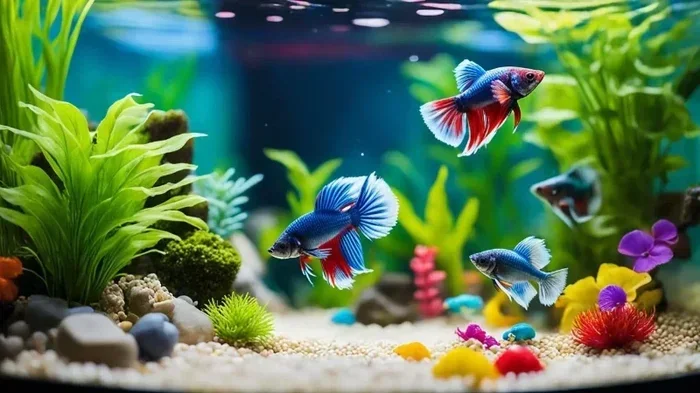
Betta fish are incredibly sensitive to their environment. Even a small shift in water chemistry can cause stress, leading to a red tail.

Visual guide about Why Is My Betta Fish Tail Turning Red
Image source: n.sinaimg.cn
1.1. Ammonia and Nitrite Spikes
High ammonia or nitrite levels irritate the delicate skin and fins. The fish’s natural response is inflammation, which shows up as redness.
- Test regularly: Use a liquid test kit at least twice a week.
- Perform partial water changes: Replace 25‑30% of the water every 2‑3 days if levels are high.
1.2. pH and Hardness Issues
Betta’s thrive in slightly acidic to neutral water (pH 6.5‑7.5). A sudden rise or drop can stress the fish.
Adjust pH slowly with driftwood (to lower) or crushed coral (to raise). Never change the pH by more than 0.2 units per day.
1.3. Temperature Fluctuations
Betta are tropical and love warmth (78‑80°F / 25‑27°C). A drop below 75°F can cause the tail to redden as circulation slows.
Invest in a reliable heater and a thermometer. Keep the tank away from drafts or direct sunlight.
Quick Water‑Check Checklist
- Ammonia < 0.25 ppm
- Nitrite = 0 ppm
- Nitrate < 20 ppm (ideal)
- pH 6.5‑7.5
- Temp 78‑80°F
2. Infections – When Bacteria, Fungus, or Parasites Attack
If water quality is spot‑on and the tail is still red, an infection is likely. Different pathogens produce slightly different looks.

Visual guide about Why Is My Betta Fish Tail Turning Red
Image source: viglacerahanoi.vn
2.1. Bacterial Infections
Common bacteria like Aeromonas cause ulcerated, reddened patches that may become white or yellowish as they progress.
Symptoms include:
- Swollen tail base
- White or gray spots on the fin
- Loss of appetite
Treatment: a 5‑day course of broad‑spectrum antibiotics (e.g., Maracyn) at the recommended dose.
2.2. Fungal Infections
Fungal growth appears as cotton‑like white fuzz on a reddened tail. It often follows an injury.
Treatment: antifungal medication like Mardel, plus a clean environment.
2.3. Parasitic Infections
Protozoan parasites (e.g., Ichthyophthirius, velvet) cause red, inflamed fins with tiny white spots.
Use copper‑based or formalin treatments, following dosage instructions carefully.
Spotting the Difference
Redness with a clear, fluid‑filled blister points to bacterial infection; cottony growth signals fungus; tiny white specks indicate parasites.
3. Stress Factors – The Subtle Influences
Even without disease, stress can turn a betta’s tail red. Stressors are often environmental or social.

Visual guide about Why Is My Betta Fish Tail Turning Red
Image source: down-id.img.susercontent.com
3.1. Aggressive Tank Mates
Betta are territorial. A too‑small tank or a curious tank mate can provoke fights, leading to torn, reddened fins.
Solution: keep betta alone or with very peaceful species in a minimum 5‑gallon tank.
3.2. Over‑crowding and Space
Cramped spaces limit swimming and cause constant fin rubbing. The tail may develop a thin, red line along the edge.
Upgrade to a larger tank or provide more hiding spots with plants and décor.
3.3. Sudden Changes
Moving the fish, changing décor, or altering lighting abruptly can shock the system.
Make changes gradually—add new plants over a week, adjust light cycles by 30 minutes each day.
3.4. Poor Nutrition
A diet lacking essential fatty acids and vitamins weakens the immune system, making fins more prone to redness.
Feed high‑quality betta pellets, frozen bloodworms, and occasional daphnia. Add a vitamin supplement once a week.
4. Physical Injuries – Accidents Happen
Sharp décor, aggressive play, or accidental nips can cause cuts that turn red as they heal.
4.1. Identifying an Injury
Look for a clean line or ragged edge on the tail, sometimes with a small blood clot. The area may be swollen.
4.2. First‑Aid Steps
- Isolate the fish in a hospital tank with clean water.
- Apply a mild antiseptic dip (e.g., API Melafix) for 30 seconds.
- Monitor for signs of infection over the next 48 hours.
4.3. Preventing Future Injuries
Choose smooth‑sided ornaments, avoid sharp plastic plants, and keep the tank free of loose gravel.
5. Genetic and Natural Color Changes
Sometimes a red tail is simply a natural variation or a sign of color shift as the fish matures.
5.1. Breeding and Color Genes
Selective breeding can produce bettas whose tails turn brighter red during breeding season. This is normal and not a health issue.
5.2. Seasonal Molting
Betta shed old scales and fin tissue periodically. A temporary red hue may appear during this “molting” phase.
When to Worry
If the red tail is accompanied by lethargy, loss of appetite, or fin rot, treat it as a problem. If the fish is active and eating well, the color change may be benign.
6. Practical Steps to Treat a Red Tail
Now that you know the possible reasons, here’s a step‑by‑step action plan you can follow today.
6.1. Test the Water
Grab your test kit. If any parameter is out of range, perform a 25‑30% water change and retest.
6.2. Isolate the Betta
Move the fish to a quarantine tank (2‑3 gallons) with fresh, conditioned water. This prevents spread of disease and reduces stress.
6.3. Observe and Record
Note the exact appearance: red patches, white fuzz, black spots, or just a thin line. This will help you pick the right medication.
6.4. Choose Treatment
- Redness + white spots → Antifungal (Mardel)
- Redness + ulceration → Antibiotic (Maracyn)
- Redness + tiny white specks → Parasite treatment (copper sulfate or formalin)
6.5. Supportive Care
- Feed high‑quality, easily digestible foods.
- Add a few drops of aquarium salt (1 tsp per 5 gallons) to reduce stress.
- Maintain a stable temperature.
6.6. Monitor Progress
Check daily. If the tail improves within 3‑5 days, continue the full medication course. If it worsens, consult a veterinarian or an experienced aquarist.
7. Prevention – Keeping Tails Bright for Life
Prevention beats cure every time. Follow these habits to keep your betta’s tail vivid and healthy.
7.1. Consistent Water Maintenance
Change 20‑30% of the water weekly. Use a water conditioner to remove chlorine and chloramines.
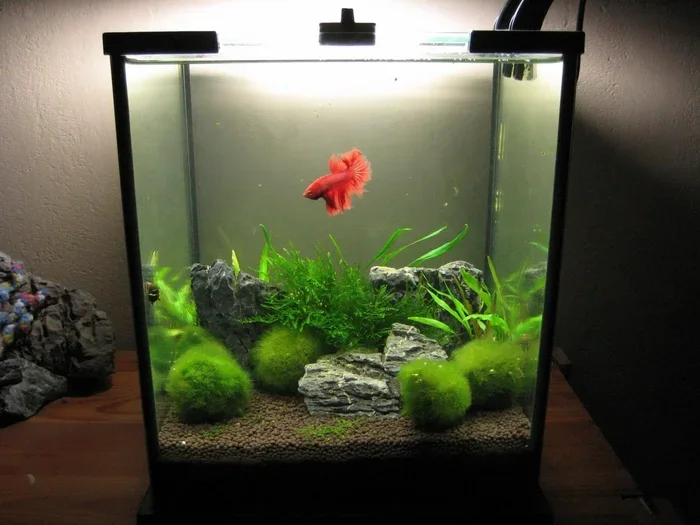
7.2. Proper Tank Size and Décor
A minimum 5‑gallon tank with plenty of plants or silk hides reduces stress and provides swimming space.
7.3. Balanced Diet
Feed 2‑3 small meals per day, no more than what the fish can eat in 2 minutes. Rotate protein sources.
7.4. Regular Health Checks
Spend a few minutes each week looking for early signs of disease—tiny red spots, frayed fins, or odd swimming.
7.5. Quick Reference Guides
Keep a printed copy of common betta problems nearby. For example, if you notice white patches, Why Is My Betta Fish Turning White can help you differentiate issues.
Conclusion: From Concern to Confidence
Finding a red tail on your betta can feel scary, but with a systematic approach you can often pinpoint the cause quickly. Check water quality first, look for signs of infection, consider stress factors, and treat any injuries promptly. By maintaining a clean, stable environment and feeding a balanced diet, you’ll give your betta the best chance to keep its gorgeous tail vibrant for years to come.
Remember, a healthy betta is a happy betta. Keep an eye on the little details, act fast when you see changes, and enjoy the brilliant colors that make these fish such a joy to keep.
Frequently Asked Questions
Why is my betta fish tail turning red but the rest of the body looks normal?
Localized redness often points to a minor injury, infection, or stress on that specific fin. Check water parameters and look for signs of ulcers or parasites.
Can water temperature cause a betta’s tail to turn red?
Yes. Temperatures below 75°F (24°C) can reduce circulation and cause the tail to appear reddened. Keep the tank at 78‑80°F.
Should I use a medication if I see a red tail but no other symptoms?
Start with a water change and observation. If the tail doesn’t improve in 48‑72 hours, consider a mild antibacterial or antifungal treatment based on visual cues.
Is a red tail ever a sign of breeding behavior?
During breeding, male bettas may display brighter colors, including a reddish hue on the tail. If the fish is otherwise active and building a bubble nest, it’s likely normal.
How long does it take for a betta’s tail to heal after a red, inflamed patch?
With proper treatment and clean water, most minor inflamed areas improve within 5‑7 days. Full regeneration of torn fin tissue can take 2‑3 weeks.
Can I prevent a red tail by changing the tank décor?
Yes. Removing sharp decorations and providing smooth plants reduces the risk of injuries that lead to redness. Opt for silk or live plants instead of rough plastic.