How Can Betta Fish Get Sick

Betta fish can get sick from bacteria, parasites, poor water quality, and stress. Understanding the causes and early signs of illness helps you act fast and keep your fish healthy. This guide covers the most common sickness triggers, treatments, and prevention steps every betta owner should know.
Betta fish are hardy creatures, but they still get sick. Whether you are a new owner or a seasoned hobbyist, understanding how can betta fish get sick is essential. Sick fish show warning signs early if you know what to look for. The good news is that most common illnesses are preventable with the right care.
When a betta fish gets sick, it usually comes down to a few key factors. Water quality, diet, stress, and exposure to pathogens all play a role. This guide breaks down every major cause, the symptoms to watch for, and the steps you can take to keep your fish healthy. We will also cover treatment options and answer some of the most common questions betta owners have.
Key Takeaways
- Poor water quality is the number one cause of betta fish getting sick.
- Common sickness signs include clamped fins, loss of appetite, and unusual swimming behavior.
- Bacteria, parasites, and viruses are the main types of pathogens that affect betta fish.
- Stress weakens the immune system and makes betta fish more vulnerable to disease.
- Early detection and treatment greatly improves the chances of a full recovery.
- Regular tank maintenance and proper feeding prevent most common illnesses.
📑 Table of Contents
Why Do Betta Fish Get Sick?
Betta fish are naturally resilient. They can survive in small amounts of stagnant water in the wild. But that does not mean they are immune to illness. In fact, captivity brings its own set of challenges that can weaken a betta’s defenses. Understanding the root causes is the first step in prevention.
Most betta fish get sick when their environment or care routine falls short. A weakened immune system cannot fight off pathogens that are always present in water. So the question is not really “if” but “when” and “why” sickness strikes.
Poor Water Quality
The leading cause of betta fish illness is dirty water. Fish waste, uneaten food, and decaying plants release ammonia and nitrite into the tank. These chemicals are toxic even in small amounts. When levels spike, betta fish become stressed and their immune systems weaken.
Over time, poor water quality damages the gills and skin. This opens the door for bacteria and parasites to invade. Many beginner aquarists underestimate how quickly toxins can build up. A tank that looks clean can still harbor harmful chemicals. This is why regular water testing and partial water changes are so important.
Bacterial Infections
Bacteria live in almost every aquarium. Most of the time, they do not harm healthy fish. But when a betta’s immune system is compromised, harmful bacteria can take hold. Common bacterial infections include fin rot, columnaris, and septicemia.
Fin rot is one of the most recognizable bacterial infections. The edges of the fins appear ragged or discolored. Columnaris causes white patches on the body and fins. Septicemia is more severe and affects the internal organs. Bacterial infections often start after physical injuries or stress events.
Parasitic Infections
Parasites are another major threat to betta fish health. These tiny organisms attach to the body, gills, or fins and feed on the fish. Some parasites are visible to the naked eye, while others are microscopic. Can betta fish get parasites? Absolutely, and they are more common than most owners realize.
Common parasites that affect bettas include ich, velvet, and anchor worms. Ich shows up as white salt-like spots on the body. Velvet causes a gold or rust-colored dusting on the scales. Anchor worms are larger and can be seen attached to the skin. Parasites spread quickly, especially in community tanks or tanks with new, untreated fish.
Viral Infections
Viral infections are less common but harder to treat. Unlike bacteria or parasites, viruses cannot be killed with medications. They rely on the fish’s own immune system to fight them off. Some viral diseases specific to betta fish include lymphocystis and viral hemorrhagic septicemia.
Viral infections often go unnoticed until they reach an advanced stage. Symptoms may include sluggish behavior, loss of color, and unusual growths on the body. Because there are limited treatment options, prevention through a strong immune system and clean environment is critical.
Stress and Its Role in Illness
Stress is a silent killer for betta fish. When a betta is stressed, its body releases cortisol. This hormone suppresses the immune system over time. A stressed betta is much more likely to develop infections and diseases.
Common stressors include aggressive tankmates, bright lights, loud noises, and sudden water changes. Even being kept in a tank that is too small can cause chronic stress. Betta fish need at least a 5-gallon tank with stable conditions. Anything smaller increases the risk of illness significantly.
How Can You Tell If Your Betta Fish Is Sick?
Detecting illness early gives your betta the best chance of recovery. Fish are experts at hiding pain, so you need to observe them closely. If you notice any changes in behavior or appearance, it is time to investigate further.
Many owners ask, how can you tell if your betta fish is sick or how can I tell if my betta fish is sick. The answer lies in watching for a combination of physical and behavioral signs. No single symptom is definitive, but a pattern of changes is a clear red flag.
Physical Signs of Illness
- Clamped fins: Fins held close to the body instead of spread out.
- Discoloration: Fading or darkening of the body color.
- White spots or patches: A sign of ich or bacterial infection.
- Swollen belly: Could indicate dropsy or overfeeding.
- Red or inflamed gills: Often a sign of ammonia exposure or infection.
- Visible parasites: Tiny worms or organisms on the skin.
- Frayed or rotting fins: Classic sign of fin rot.
Behavioral Signs of Illness
- Loss of appetite: Refusing food for more than a day.
- Lethargy: Spending most of the time at the bottom or hiding.
- Erratic swimming: Darting, rubbing against objects, or swimming sideways.
- Labored breathing: Gasping at the surface or rapid gill movement.
- Flashing: Rapidly rubbing the body against decorations or substrate.
If you notice several of these signs together, act quickly. Delaying treatment can make a bad situation much worse. Do betta fish get sick easily? They do not get sick easily on their own, but poor conditions make them vulnerable fast.
Common Diseases That Affect Betta Fish
Several diseases stand out as the most common threats to betta fish health. Knowing what they look like and how they spread helps you respond faster.
Fin Rot
Fin rot is caused by bacteria that attack the fins and tail. It often starts after a minor injury or stress event. The fins appear ragged, and the edges may turn white, brown, or red. In mild cases, a water change and improved tank conditions can resolve the issue. Severe cases require antibiotic treatment.
Ich (White Spot Disease)
Ich is one of the most widespread diseases in freshwater aquariums. It is caused by a protozoan parasite that attaches to the fish’s skin. The hallmark sign is tiny white spots that look like grains of salt. Ich spreads rapidly and can be fatal if left untreated. Raising the water temperature slightly and using medication can help eliminate the parasite.
Dropsy
Dropsy is a serious condition where the body swells with fluid. The scales stick out, giving the fish a pinecone-like appearance. Dropsy is often a symptom of kidney failure or severe bacterial infection. Unfortunately, the survival rate is low. Early detection and aggressive treatment offer the best hope, but prevention through excellent water quality is far better.
Swim Bladder Disease
The swim bladder controls buoyancy. When it malfunctions, the fish may float upside down, sink to the bottom, or struggle to maintain its position. Swim bladder issues can result from overfeeding, constipation, or bacterial infection. Feeding blanched peas and reducing food portions often helps resolve mild cases.
How to Prevent Your Betta Fish from Getting Sick
Prevention is always better than cure. A healthy environment and proper care routine go a long way in keeping your betta fish strong and disease-free. Here are the most effective prevention strategies.
Maintain Clean Water
Regular water changes are the foundation of betta fish care. Replace 25 to 30 percent of the water every week. Use a gravel vacuum to remove waste from the substrate. Test the water parameters regularly to ensure ammonia and nitrite levels stay at zero. A well-cycled tank with a filter makes a huge difference.
Feed a Balanced Diet
Overfeeding is one of the most common mistakes betta owners make. Excess food decays in the water and raises toxin levels. Feed your betta small portions twice a day. A diet of high-quality betta pellets, frozen bloodworms, and occasional brine shrimp provides balanced nutrition. Variety in the diet supports a stronger immune system.
Reduce Stress
Keep the tank in a quiet area away from loud noises and direct sunlight. Avoid housing bettas with aggressive fish. Provide hiding spots with plants and decorations. A stress-free betta is a healthier betta. Can betta fish get sick from stress alone? Yes, chronic stress weakens immunity and invites disease.
Quarantine New Fish and Plants
Always quarantine new fish for at least two weeks before adding them to your main tank. New fish can carry parasites and diseases that spread to healthy fish. The same applies to live plants, which can harbor tiny organisms. A separate quarantine tank protects your entire aquarium setup.
Monitor Tank Conditions
Keep the water temperature stable between 76 and 82 degrees Fahrenheit. Bettas are tropical fish and need consistent warmth. Use a reliable heater and thermometer. Avoid sudden temperature swings, as they shock the fish and lower their resistance to illness.
Treatment Options for Sick Betta Fish
When your betta does get sick, quick action makes all the difference. The right treatment depends on the type of illness and its severity. Here are the most common approaches.
Water Changes and Tank Maintenance
For mild illnesses, a large water change (50 percent) can help. Clean water reduces toxin levels and takes some pressure off the fish’s immune system. Remove any uneaten food and debris from the tank. This simple step works well for early-stage fin rot and minor stress-related issues.
Medicated Treatments
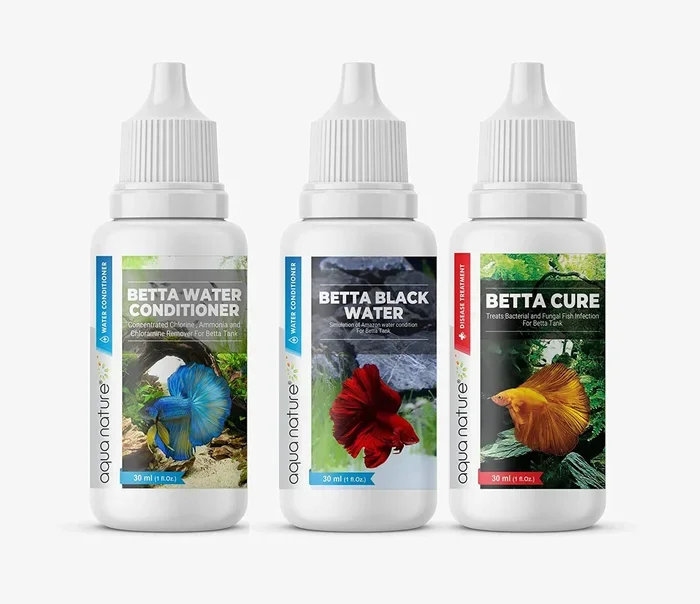
For bacterial infections, broad-spectrum aquarium antibiotics are effective. For parasites, medications containing formalin or malachite green are commonly used. Always follow the dosage instructions carefully. Overmedicating can harm beneficial bacteria in the tank and stress the fish further.
Salt Baths
A mild salt bath can help with certain external parasites and fungal infections. Use aquarium salt, not table salt. Dissolve a small amount in a separate container of tank water. Dip the fish for a few minutes and monitor its reaction. Salt baths are a gentle, low-cost treatment option for minor issues.
When to See a Vet
If home treatments do not improve your betta within a few days, consult a veterinarian who specializes in fish. Some conditions require professional diagnosis and prescription medication. The sooner you seek help, the better the outcome. Can sick fish get better? Yes, with proper care and timely treatment, many betta fish recover fully.
Common Mistakes That Make Betta Fish Sick
Even well-meaning owners can make mistakes that lead to illness. Here are the most common errors to avoid.
- Keeping the betta in a bowl without a filter: Bowls lack filtration and are too small for stable water conditions.
- Overfeeding: Excess food pollutes the water and causes digestive problems.
- Using untreated tap water: Tap water contains chlorine and chloramine that harm fish. Always use a water conditioner.
- Skipping water changes: Even with a filter, waste builds up over time and needs to be removed.
- Adding fish too quickly: New fish introduce pathogens. Always quarantine first.
- Ignoring early symptoms: Catching illness early is the key to successful treatment.
Key Takeaways
- Poor water quality is the number one cause of betta fish getting sick.
- Common sickness signs include clamped fins, loss of appetite, and unusual swimming behavior.
- Bacteria, parasites, and viruses are the main types of pathogens that affect betta fish.
- Stress weakens the immune system and makes betta fish more vulnerable to disease.
- Early detection and treatment greatly improves the chances of a full recovery.
- Regular tank maintenance and proper feeding prevent most common illnesses.
Conclusion
How can betta fish get sick? The answer comes down to water quality, pathogens, stress, and care practices. Bacteria, parasites, and viruses are always present in aquarium water, but a healthy betta with a strong immune system can fight them off. When conditions deteriorate or the fish becomes stressed, illness takes hold.
The best thing you can do as a betta owner is to stay proactive. Test your water regularly, keep the tank clean, feed appropriately, and watch for early warning signs. A little prevention goes a long way in keeping your betta fish happy and healthy for years to come.
If your betta does show signs of sickness, do not panic. Most common illnesses are treatable when caught early. Act quickly, isolate the fish if needed, and follow a proper treatment plan. Your betta fish can recover and thrive with the right care and attention.
Frequently Asked Questions
Can betta fish get sick from eating ants?
Yes, betta fish can get sick if they eat ants. Ants may carry pesticides or bacteria that upset the fish’s digestive system. If you notice unusual behavior after your betta eats ants, how can you tell if your betta fish is sick by checking for loss of appetite, clamped fins, or erratic swimming. It is best to remove any ants from the tank immediately.
Do betta fish get sick easily?
Betta fish do not get sick easily under good conditions. However, poor water quality, stress, and sudden environmental changes can weaken their immune system quickly. When their defenses are down, betta fish get sick more readily from bacteria, parasites, and viruses that are normally harmless.
Can betta fish get parasites?
Yes, betta fish can get parasites. Common parasites include ich, velvet, and anchor worms. These organisms enter the tank through new fish, untreated plants, or contaminated equipment. Regular tank maintenance and quarantining new additions are the best ways to prevent parasitic infections.
Can sick betta fish get better?
Yes, sick betta fish can get better with proper care. Early detection is the most important factor in recovery. Mild illnesses like fin rot or minor ich can be treated with water changes and medication. More severe conditions require prompt treatment, and some fish respond well when given the right medication and a clean environment.
What is the most common reason betta fish get sick?
The most common reason is poor water quality. Ammonia and nitrite buildup from waste and uneaten food damages the fish’s gills and immune system. Other frequent causes include stress from overcrowding, sudden temperature changes, and introduction of sick fish without quarantine. Keeping the tank clean and stable prevents the majority of illnesses.
How can you tell if your betta fish is sick versus just resting?
Healthy betta fish do rest and may hover near the bottom or sleep on leaves. However, sick fish show additional signs like clamped fins, loss of color, refusal to eat, or labored breathing. If the resting behavior comes with other symptoms, it is likely illness. How can I tell if my betta fish is sick by watching for a combination of physical and behavioral changes over time.