Can Bettas Live with Any Other Fish

Can bettas live with other fish? The short answer is yes — but not with just any fish. Bettas are territorial and aggressive, so choosing the right tank mates is critical. With proper planning, a spacious tank, and compatible species, your betta can thrive in a community setup.
Key Takeaways
- Bettas are not loners by nature: While they are often kept alone, bettas can coexist peacefully with certain non-aggressive, non-flashy fish species.
- Tank size matters enormously: A minimum of 20 gallons is recommended for a betta community tank to reduce territorial behavior and give all fish room to establish their own space.
- Avoid fish with bright colors or long fins: Bettas may see guppies, fancy goldfish, and other flashy fish as rivals and attack them.
- Bottom-dwellers and fast swimmers make the best companions: Corydoras catfish, neon tetras, and kuhli loaches are among the most popular and successful betta tank mates.
- Every betta has a unique personality: Some bettas are docile and tolerant, while others are highly aggressive — always monitor behavior closely when introducing new fish.
- Female bettas are generally more social: Female bettas can sometimes be kept in groups called sororities, though this requires careful management and a heavily planted tank.
- Never house two male bettas together: Male bettas will fight each other aggressively, often to the death, and should always be kept in separate tanks.
📑 Table of Contents
- Can Bettas Live With Any Other Fish? The Complete Guide
- Understanding Betta Fish Temperament
- The Best Tank Mates for Betta Fish
- Fish You Should Never Keep With Bettas
- Setting Up a Successful Betta Community Tank
- Signs Your Betta Is Stressed or Aggressive
- Special Considerations: Can Male Bettas Live With Other Fish?
- Frequently Overlooked Factors
- Conclusion: Can Bettas Live With Other Fish?
Can Bettas Live With Any Other Fish? The Complete Guide
If you have ever stared at your beautiful betta fish swimming solo in a tank and wondered whether it might enjoy some company, you are not alone. This is one of the most common questions in the aquarium hobby. The idea of a vibrant community tank with a betta as the centerpiece is incredibly appealing. But here is the thing — bettas are not your average community fish. They come with a reputation for aggression, and that reputation is well earned.
So, can bettas live with any other fish? The honest answer is no. Bettas cannot live with just any fish you toss into the tank. However, they can live with certain carefully chosen species under the right conditions. The key is understanding your betta’s temperament, knowing which fish make good companions, and setting up an environment that minimizes conflict. In this guide, we will walk you through everything you need to know about keeping bettas with other fish — from the best tank mates to the ones you should avoid at all costs.
Understanding Betta Fish Temperament
Why Are Bettas So Aggressive?
To understand which fish can live with bettas, you first need to understand why bettas behave the way they do. Betta splendens, the species most commonly kept as pets, are native to the shallow rice paddies, ponds, and slow-moving streams of Southeast Asia. In the wild, male bettas are fiercely territorial. They defend their space against rival males to protect their bubble nests and breeding grounds. This instinct does not disappear just because your betta lives in a glass tank in your living room.
Male bettas, in particular, are hardwired to see other fish — especially those with bright colors and flowing fins — as competition. When a betta perceives a threat, it will flare its gills, spread its fins, and may attack. This is why the common advice is to keep male bettas alone. But aggression levels vary significantly from one individual to the next. Some bettas are surprisingly chill and will ignore tank mates entirely. Others will terrorize anything that moves.
Male vs. Female Betta Aggression
Female bettas tend to be less aggressive than males, though they are not completely docile. In the right setup, female bettas can be kept together in groups of five or more — a setup known as a betta sorority. However, sororities require a heavily planted tank of at least 30 gallons, careful monitoring, and a backup plan in case things go wrong. For beginners, it is usually safer to keep female bettas individually or with non-betta tank mates.
If you are exploring whether female bettas can live with other fish, the answer is generally more positive than with males. Their lower aggression levels make them somewhat more tolerant of companions, though the same rules about tank size and compatible species still apply.
The Best Tank Mates for Betta Fish
Bottom-Dwelling Fish: Corydoras Catfish
One of the most popular and reliable tank mates for bettas is the corydoras catfish. These small, peaceful bottom-dwellers spend most of their time scavenging along the substrate, which means they occupy a completely different area of the tank than your betta. Corydoras are social fish, so you should keep them in groups of at least six. A 20-gallon tank is ideal for a betta and a small school of corydoras.
Why do corydoras work so well? They are calm, non-threatening, and do not have the bright colors or long fins that trigger a betta’s aggression. They also help keep the tank clean by eating leftover food and debris from the bottom. It is a win-win situation.
Small Schooling Fish: Neon Tetras and Ember Tetras
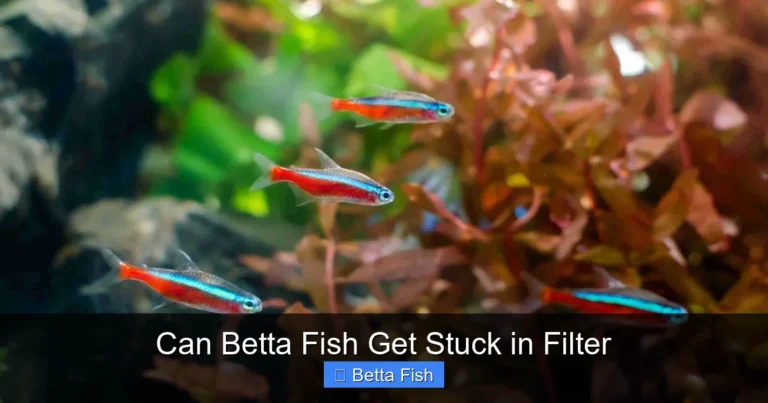
Small, fast-moving schooling fish like neon tetras and ember tetras can make excellent betta companions. These fish are quick enough to dart away if your betta decides to chase them, and their small size means they do not take up much space or resources. Neon tetras are best kept in schools of at least eight to ten, which gives them confidence and creates a beautiful visual display in your tank.
However, there is a caveat. Some bettas may see the bright blue and red stripes of neon tetras as a provocation. Ember tetras, which are smaller and less flashy, are often a safer choice. Always introduce schooling fish before adding the betta, or rearrange the tank decor when adding new fish so the betta does not feel like its territory is being invaded.
For a deeper dive into this topic, check out our guide on whether tetra fish can live with bettas.
Kuhli Loaches: The Shy Companions
Kuhli loaches are another fantastic option for a betta community tank. These eel-like fish are nocturnal and incredibly shy, spending most of their time hiding among plants and decorations. They are peaceful, non-aggressive, and occupy the lower levels of the tank. Like corydoras, kuhli loaches should be kept in groups of at least five or six.
Their secretive nature means they rarely cross paths with bettas in a confrontational way. If your betta is moderately aggressive, kuhli loaches are one of the safest choices because they simply stay out of the way.
Other Compatible Species
Beyond the top three choices, several other species can work well with bettas:
- Harlequin rasboras: Peaceful, mid-level swimmers that are fast enough to avoid trouble.
- Otocinclus catfish: Tiny algae eaters that stay small and mind their own business.
- Amano shrimp: Excellent tank cleaners that are too large for bettas to bother (though very small shrimp may become snacks).
- Mystery snails: Peaceful invertebrates that add interest to the tank without provoking aggression.
- African dwarf frogs: Fully aquatic frogs that occupy a different niche than bettas.
Fish You Should Never Keep With Bettas
Other Male Bettas
This should go without saying, but it bears repeating: never house two male bettas in the same tank. They will fight. Period. These fights can result in severe injury or death. Even placing two male bettas in adjacent tanks where they can see each other can cause chronic stress. If you want multiple bettas, each one needs its own separate enclosure.
Guppies and Other Flashy Fish
Guppies might seem like a natural choice because they are small and peaceful, but their bright colors and flowing tails make them a target for betta aggression. To a male betta, a guppy looks like a rival. The same applies to fancy goldfish, endlers, and any fish with vibrant, eye-catching coloration.
Fin-Nippers and Aggressive Species
Fish like tiger barbs, serpae tetras, and some cichlids are known fin-nippers. These fish will go after your betta’s beautiful flowing fins, causing stress, injury, and potential infection. Even if your betta is the aggressive one initially, fin-nippers can turn the tables and make your betta the victim.
Goldfish
Goldfish and bettas are fundamentally incompatible. Goldfish require cold water (around 65-72°F), while bettas need warm water (76-82°F). Goldfish also produce a massive amount of waste and grow much larger than most people expect. The idea of keeping a betta and a goldfish together is one of the most common mistakes in the hobby — and one of the most harmful.
Setting Up a Successful Betta Community Tank
Tank Size and Layout
The single most important factor in a successful betta community tank is space. A 10-gallon tank is the absolute minimum for a single betta, but if you want to add tank mates, you should be looking at a 20-gallon long tank or larger. More space means more territory for each fish, which dramatically reduces aggression and stress.
When setting up the tank, focus on creating plenty of hiding spots and visual barriers. Use live or silk plants, driftwood, caves, and rock formations to break up sight lines. This gives shy fish places to retreat and prevents the betta from seeing the entire tank as its territory. Floating plants like hornwort or water sprite are especially useful because they provide cover at the surface, where bettas spend much of their time.
Water Parameters
One of the reasons certain fish make good betta tank mates is that they thrive in similar water conditions. Bettas prefer:
- Temperature: 76-82°F (24-28°C)
- pH: 6.5-7.5
- Water hardness: Soft to moderately hard
- Low to moderate water flow: Bettas dislike strong currents
When choosing tank mates, make sure they are comfortable in the same temperature and pH range. This is another reason goldfish are such a poor match — their temperature requirements are completely different.
Introducing New Fish Safely
How you introduce new fish to a betta’s tank can make or break the relationship. Here is a step-by-step approach:
- Quarantine new fish in a separate tank for at least two weeks to ensure they are healthy and disease-free.
- Rearrange the tank decor before adding new fish. This disrupts the betta’s established territory and makes the environment feel “new” to everyone.
- Add the new fish first if possible, or use a tank divider during the introduction period.
- Monitor closely for the first 48-72 hours. Watch for signs of aggression such as flaring, chasing, or nipping.
- Have a backup plan. Keep a spare tank or divider ready in case the arrangement does not work out.
Signs Your Betta Is Stressed or Aggressive
Even with the best planning, things can go wrong. Here are the warning signs that your betta is not getting along with its tank mates:
- Constant flaring: Occasional flaring is normal, but if your betta is flaring at other fish non-stop, it is a sign of stress.
- Relentless chasing: Brief chases are one thing, but if your betta is actively hunting other fish around the tank, intervention is needed.
- Clamped fins: If your betta’s fins are held close to its body, it may be stressed or frightened — possibly by aggressive tank mates.
- Loss of appetite: Stress can cause bettas to stop eating.
- Hiding constantly: A betta that hides all the time is either stressed or being bullied.
- Visible injuries: Torn fins, missing scales, or wounds on any fish in the tank are a clear sign of conflict.
If you notice any of these signs, separate the fish immediately. Not every betta is suited for community life, and that is perfectly okay. A happy, healthy betta living alone is far better than a stressed betta in a tank full of conflict.
Special Considerations: Can Male Bettas Live With Other Fish?
Male bettas get the most attention when it comes to aggression, and for good reason. Their territorial instincts are stronger than those of females, and their long, flowing fins make them both the aggressor and a potential target. But does that mean male bettas can never have tank mates? Not necessarily.
Many aquarists successfully keep male bettas in community tanks. The trick is choosing the right betta and the right companions. Some male bettas are naturally more laid-back and will tolerate — or even ignore — other fish. Others are simply too aggressive to share space with anyone. There is no way to know for sure until you try, which is why careful observation during the introduction period is so important.
If you are specifically wondering whether male bettas can live with other fish, the answer depends on the individual fish, the tank setup, and the species you choose as companions. Start with the most peaceful options — corydoras, kuhli loaches, or otocinclus — and work from there.
Frequently Overlooked Factors
Feeding Dynamics
One thing many beginners overlook is how feeding time can create conflict. Bettas are slow, deliberate eaters. Fast, aggressive eaters like some barbs or danios can outcompete your betta for food, leaving it underfed and stressed. Choose tank mates that eat at a similar pace, or use targeted feeding techniques like feeding the betta on one side of the tank and the other fish on the opposite side.
Lighting and Environment
Bettas prefer dimly lit tanks with plenty of plant cover. Bright, open tanks with no hiding spots can make bettas feel exposed and vulnerable, which increases stress and aggression. Use floating plants to diffuse the light and create a more natural, comfortable environment.
The Role of Individual Personality
This cannot be stressed enough: every betta is an individual. Two bettas from the same litter can have completely different temperaments. One might be a peaceful community member, while the other is a terror that attacks anything with fins. Do not assume your betta will behave like someone else’s. Pay attention to your fish’s unique personality and make decisions based on what you observe, not on generalizations.
Conclusion: Can Bettas Live With Other Fish?
So, can bettas live with any other fish? The answer is a firm no — they cannot live with any other fish. But they can live with certain other fish, provided you do your homework. The best tank mates for bettas are peaceful, non-flashy species that occupy different areas of the tank — think corydoras catfish, neon tetras, kuhli loaches, and mystery snails.

Visual guide about Can Bettas Live with Any Other Fish
Image source: cdn.motor1.com
Success comes down to three things: choosing compatible species, providing enough space, and monitoring behavior closely. A 20-gallon or larger tank with plenty of plants and hiding spots gives you the best chance of creating a harmonious community. And always, always have a backup plan. Not every betta is cut out for community living, and there is absolutely nothing wrong with keeping your betta as a solo star.
At the end of the day, the goal is a healthy, stress-free fish. Whether that means a beautifully planted community tank or a peaceful solo setup, your betta will thrive as long as its needs are met. Take your time, do your research, and enjoy the process. The aquarium hobby is all about learning — and your betta will thank you for getting it right.
Frequently Asked Questions
Can bettas live with guppies?
Bettas and guppies are generally not recommended as tank mates. Guppies have bright colors and long, flowing tails that can trigger a betta’s aggression. Male guppies, in particular, may be attacked because bettas see them as rivals. In rare cases, a very docile betta might tolerate guppies, but it is a risky combination.
What is the best tank size for a betta with other fish?
A minimum of 20 gallons is recommended for a betta community tank. Larger tanks — 29 gallons or more — are even better because they provide more territory and reduce the chances of aggression. The extra space allows each fish to establish its own area and minimizes confrontations.
Can two female bettas live together?
Female bettas can sometimes be kept together in groups of five or more, known as a betta sorority. However, this requires a heavily planted tank of at least 30 gallons, careful monitoring, and a backup plan. Sororities can work beautifully but can also fail dramatically, so they are best attempted by experienced aquarists.
Do bettas get lonely if kept alone?
No, bettas do not get lonely. They are solitary by nature and do not require social interaction with other fish to be happy. A betta kept alone in a properly sized, well-decorated tank with clean water and a good diet will live a perfectly healthy and content life.
How do I know if my betta is compatible with other fish?
The best way to determine compatibility is through careful observation during the introduction period. Add the new fish first or rearrange the tank, then watch for signs of aggression like flaring, chasing, or nipping over the first 48-72 hours. If the betta ignores the new fish or shows only mild curiosity, the arrangement will likely work.
Can bettas live with shrimp?
Bettas can live with larger shrimp like Amano shrimp, which are typically too big for bettas to bother. However, smaller shrimp like cherry shrimp may be seen as food and eaten. Success depends on the individual betta’s temperament. If you want to try shrimp, start with larger species and monitor closely.