Are Red Betta Fish Rare
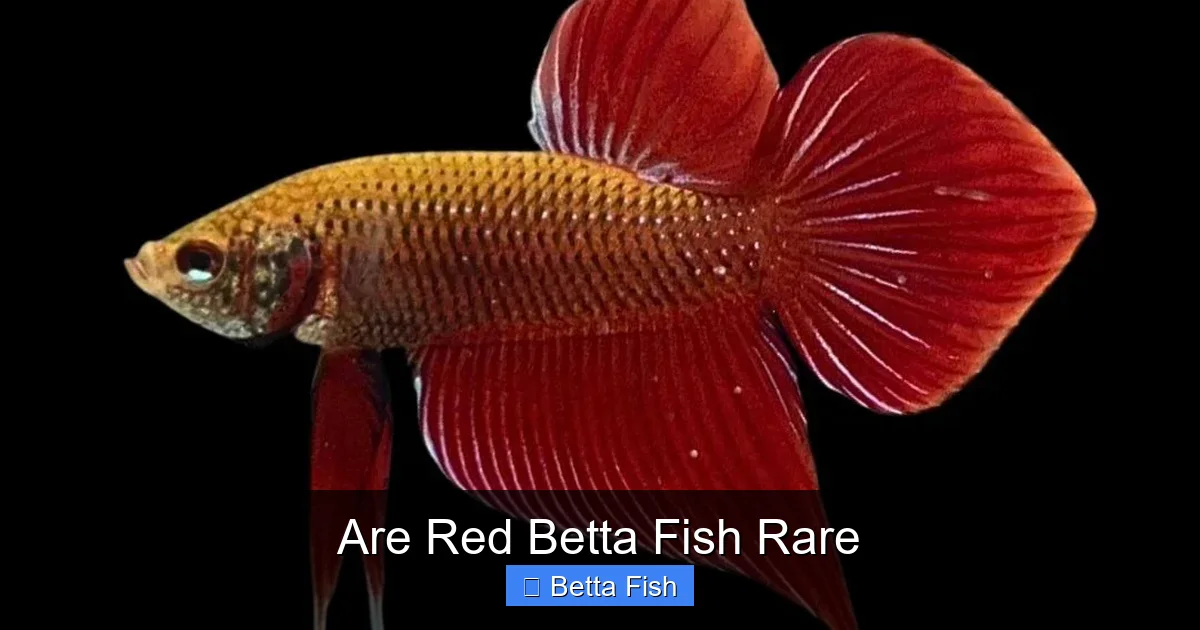
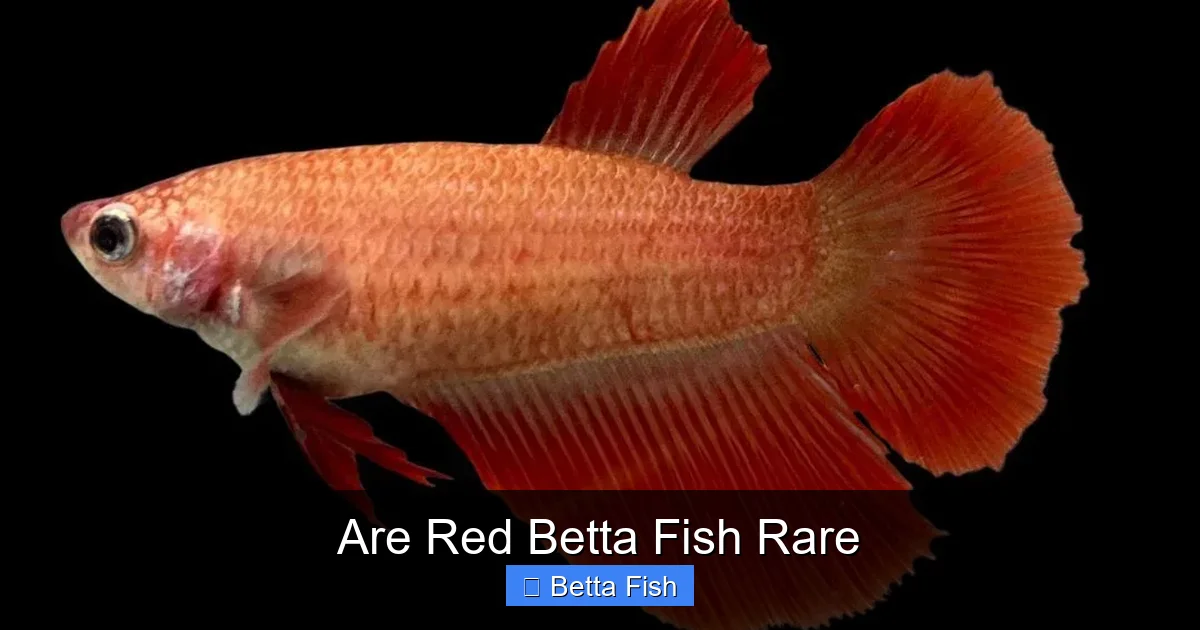
Red betta fish are not truly rare, but high‑quality, vivid specimens can be harder to find and often cost more. Their striking color comes from selective breeding, and availability depends on genetics, demand, and reputable sources. Understanding what makes a red betta special helps you choose a healthy, vibrant fish for your home.
Key Takeaways
- Genetics drive rarity: True solid red coloration requires specific genes that are less common than other colors.
- Selective breeding matters: Reputable breeders produce brighter reds; mass‑market fish may be dull or have mixed hues.
- Price reflects rarity: High‑quality red bettas often cost more than standard blues or greens.
- Availability varies: Seasonal breeding cycles and regional demand affect how often you’ll see a red betta in stores.
- Care is the same: Red bettas need the same water parameters, diet, and tank setup as any other betta.
- Look for health signs: Bright color, intact fins, and active behavior indicate a healthy specimen.
- Support ethical breeding: Buying from responsible breeders helps preserve the gene lines and reduces wild‑catch pressure.
📑 Table of Contents
Introduction: Why the Question Matters
When you walk into a pet store and see a flash of scarlet swimming behind the glass, you might wonder, are red betta fish rare? The answer isn’t a simple yes or no. Red bettas are a product of both nature and human effort. Their vivid hue can be a natural mutation, but most striking reds are the result of careful selective breeding.
Understanding the rarity of red bettas helps you set realistic expectations, avoid scams, and choose a fish that will thrive in your home. In this guide we’ll break down the genetics, the market, the cost, and the care you need to keep a red betta happy.
1. Genetics Behind the Red Color
1.1 Basic Betta Color Genetics
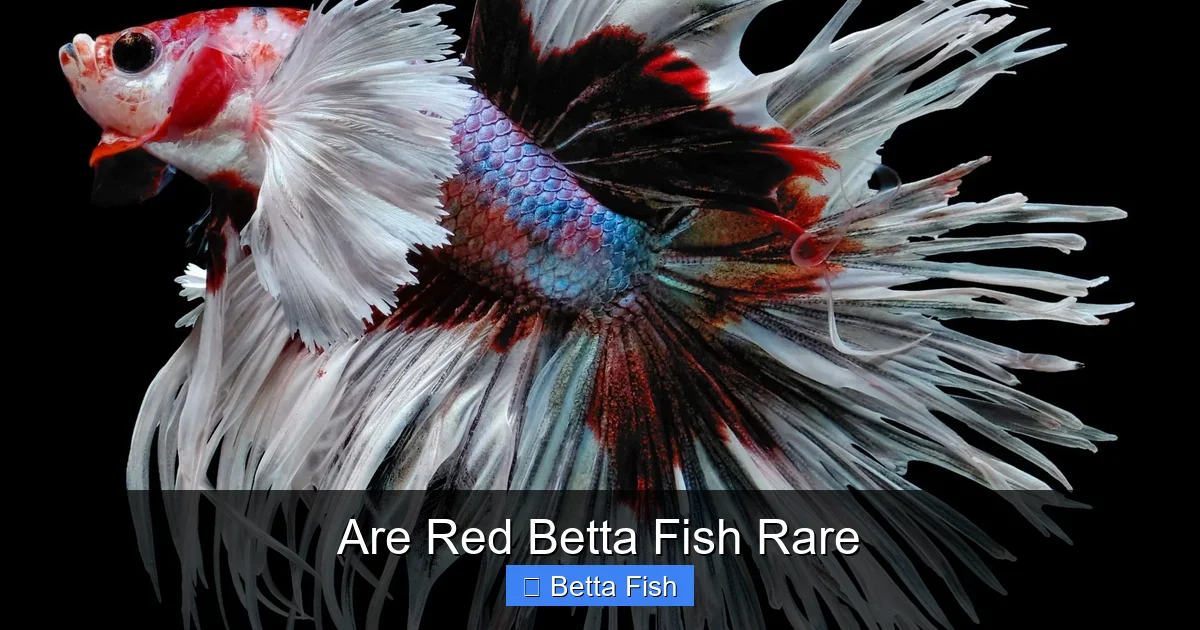
Betta fish ( What Are Betta Fish ) carry several color genes. The most common are the “blue” and “green” genes, which dominate the market because they are easy to breed. The red gene, known as “r,” is recessive, meaning a fish must inherit two copies (one from each parent) to display a solid red hue.
Visual guide about Are Red Betta Fish Rare
Image source: rarebettafishstore.com
1.2 How Breeders Create Solid Red
Breeders pair two carriers of the red gene (often looking blue or green) and hope the offspring receive both copies. This process can take several generations, and many fry will show mixed colors before a true solid red appears. Because the odds are lower, producing a bright red betta takes more time and effort, which contributes to the perception of rarity.
2. Market Availability and Supply
2.1 Seasonal Breeding Cycles
Betta fish are tropical and breed best when water temperatures are between 78‑80°F (25‑27°C). Most breeders follow a seasonal schedule, with peaks in spring and fall. During these times, red bettas are more likely to appear in stores. Outside of the breeding windows, you may see fewer reds, giving the impression that they are scarce.
Visual guide about Are Red Betta Fish Rare
Image source: thailandbettafish.com
2.2 Regional Differences
In regions where betta breeding is a popular hobby (Southeast Asia, parts of the U.S., and Europe), red varieties are easier to locate. In areas with fewer specialized breeders, you might only find the common blue or green types. Shipping costs also affect availability; a high‑quality red betta from a distant breeder may be listed at a higher price to cover safe transport.
3. Cost Factors: Is the Price a Sign of Rarity?
3.1 What Determines Price?
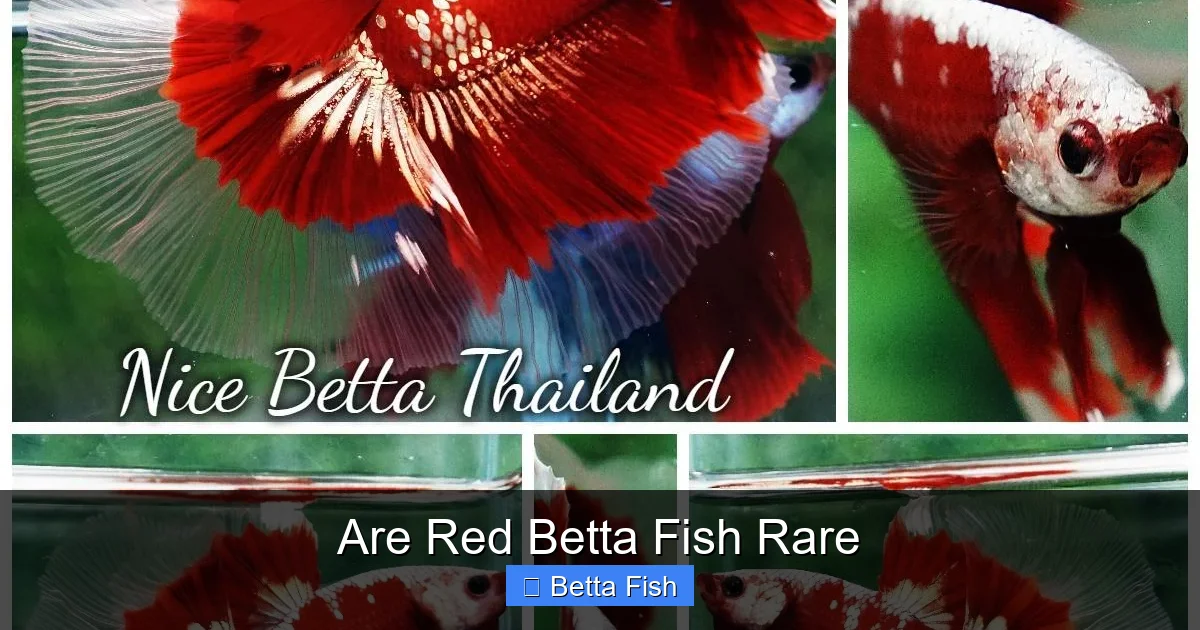
Price is influenced by three main factors: genetics, health, and reputation. A solid, bright red betta with flawless fins will command a premium because the breeder invested extra time to achieve that color and ensure the fish is healthy.
Visual guide about Are Red Betta Fish Rare
Image source: nicebettathailand.com
3.2 Comparing Prices
Typical blue or green bettas from big‑box stores can cost $5‑$10. A high‑grade red betta from a reputable breeder often ranges from $20‑$50, and ultra‑premium lines (e.g., “Halfmoon” or “Double Tail” reds) can exceed $100. The higher cost does not mean the fish is rare in the wild, but rather that the specific genetics are less common in the supply chain.
4. Finding a Quality Red Betta
4.1 Choosing the Right Source
Look for breeders who provide clear photos, health guarantees, and information about the fish’s lineage. Avoid “mystery tanks” where fish are mixed together without documentation. Reputable sources often have a website or social media page where they showcase their stock.
4.2 What to Look for in a Healthy Red Betta
- Vibrant Color: The red should be even and intense, not faded or patchy.
- Intact Fins: No ragged edges, tears, or missing rays.
- Active Behavior: The fish should swim confidently and respond to your presence.
- Clear Eyes: Avoid fish with bulging or cloudy eyes, which can signal disease (Why Are My Betta Fish Eyes White).
5. Caring for Your Red Betta
5.1 Tank Setup
Red bettas need the same environment as any other betta. A 5‑gal (20‑liter) tank with a gentle filter, heater, and live or silk plants provides a stable home. Avoid small bowls; they limit water quality and can stress the fish (Why Are Betta Fish Tanks So Small).
5.2 Water Parameters
- Temperature: 78‑80°F (25‑27°C)
- pH: 6.5‑7.5
- Hardness: 3‑4 dGH
Regular water changes (20‑30% weekly) keep ammonia and nitrite at zero, ensuring the bright red color stays vivid.
5.3 Diet and Nutrition
Feed a varied diet of high‑quality betta pellets, frozen or live brine shrimp, and occasional bloodworms. Proper nutrition supports fin health and color intensity. Overfeeding can cloud the water and lead to disease.
5.4 Health Monitoring
Watch for signs of stress: faded color, frayed fins, or lethargy. Early detection of issues like fin rot (Why Are My Betta Fish Fins Falling Off) can save your fish.
6. Myths and Misconceptions
6.1 “Red Betta = Harder to Care For?”
No. The color does not affect care requirements. Red bettas are just as easy (or challenging) as any other variety. If you’re wondering Are Betta Fish Easy To Care For, the answer is yes—provided you meet their basic needs.
6.2 “All Red Betas Are Wild‑Caught”
Almost all red bettas in the hobby are captive‑bred. Wild bettas from Southeast Asia tend to be darker and less vivid. Captive breeding allows for the selective enhancement of the red gene.
Conclusion: Are Red Betta Fish Rare?
In short, red bettas are not “rare” in the sense of being endangered or impossible to find, but high‑quality, solid‑red specimens are less common than the ubiquitous blue or green types. Their rarity stems from genetics, breeding effort, and market demand, which also drive the higher price tag.
By understanding the genetics, sourcing from reputable breeders, and providing proper care, you can enjoy a stunning red betta without the frustration of chasing an impossible treasure. Remember, the fish’s health and happiness matter far more than the shade of its scales.
Frequently Asked Questions
Are red betta fish naturally occurring in the wild?
True solid red bettas are extremely rare in the wild. Most wild bettas display darker, more muted colors. The vivid reds you see in stores are the result of selective breeding.
Do red bettas require special water conditions?
No. Their water needs are identical to any betta: stable temperature around 78‑80°F, pH 6.5‑7.5, and clean, well‑filtered water.
Why do some red bettas look dull?
Dullness can be caused by poor genetics, inadequate diet, or stressed water conditions. Feeding high‑quality foods and maintaining water quality will help the color stay bright.
Can I breed my own red betta?
Yes, but you need two carriers of the red gene. Breeding takes patience, as many fry will not show the solid red phenotype on the first generation.
Are red bettas more aggressive than other colors?
Color does not affect temperament. Aggression is linked to gender and individual personality, not hue.
Where is the best place to buy a healthy red betta?
Look for reputable online or local breeders who provide health guarantees, clear photos, and information about the fish’s lineage. Avoid generic pet‑store “mystery tanks.”