Are Red Betta Fish More Aggressive
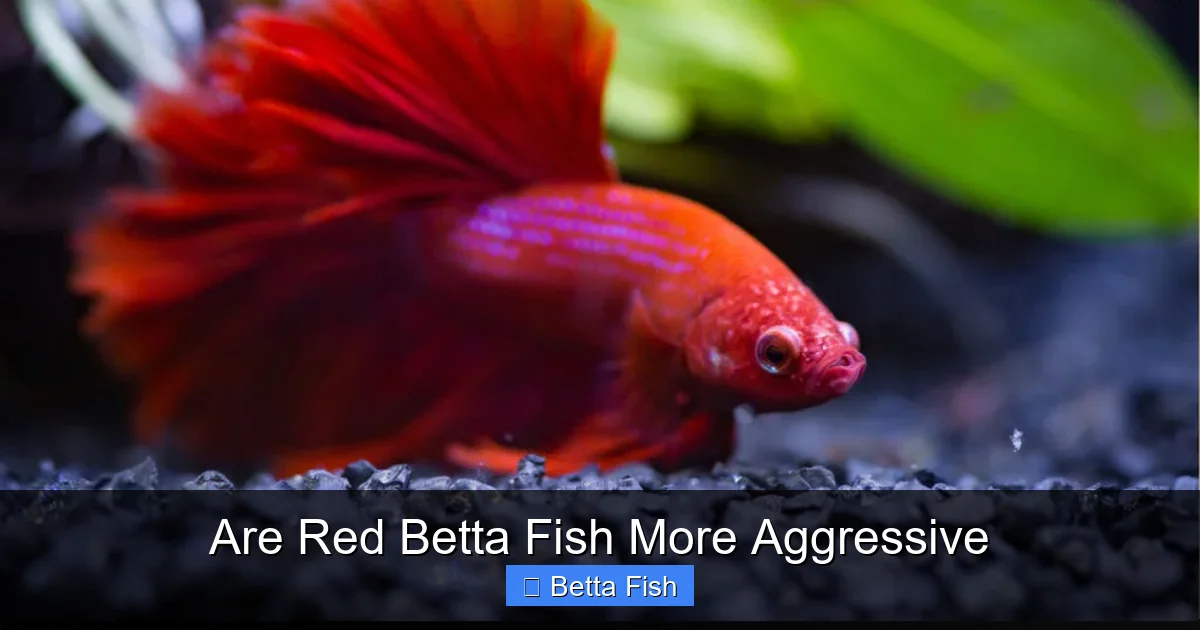
Red betta fish often seem fiercer, but color alone doesn’t dictate temperament. Their aggression is shaped by genetics, environment, and gender. Understanding these factors helps you create a calm, vibrant betta tank.
Key Takeaways
- Color isn’t the main driver: Red pigments do not automatically make a betta more hostile.
- Genetics matter most: Certain bloodlines are bred for boldness, regardless of hue.
- Male vs. female: Males are naturally more territorial; females can be aggressive too, but usually less so.
- Tank setup influences behavior: Space, plants, and water quality can calm or inflame a red betta.
- Observation is key: Watch fin flaring, gill breathing, and bubble‑nest building to gauge aggression.
- Proper introductions prevent fights: Use dividers or gradual visual exposure when adding new fish.
- Regular care reduces stress: Consistent feeding, clean water, and temperature stability keep aggression low.
📑 Table of Contents
- Introduction: The Red Betta’s Reputation
- What Makes a Betta Aggressive?
- Does Red Color Increase Aggression?
- How to Tell If Your Red Betta Is Being Aggressive
- Creating a Calm Environment for Red Betta Fish
- Housing Multiple Betta Fish: Is It Ever Safe?
- Common Myths About Red Betta Aggression
- Practical Tips to Reduce Aggression in Red Betta Fish
- Conclusion: The Real Answer to “Are Red Betta Fish More Aggressive?”
Introduction: The Red Betta’s Reputation
If you’ve ever walked past a pet store aisle and seen a glowing red betta flash its fins, you might have wondered, are red betta fish more aggressive? The bright scarlet hue catches the eye, and many hobbyists assume the color is a warning sign. In reality, the story is more nuanced. While some red bettas do show bold behavior, aggression is a blend of genetics, gender, environment, and even the way you care for them.
In this article we’ll break down the science behind betta temperament, explore why red bettas sometimes act “meaner,” and give you practical tips to keep any betta—red or otherwise—peaceful and thriving. By the end, you’ll know exactly how to answer the question, “are red betta fish more aggressive?” for your own tank.
What Makes a Betta Aggressive?
Genetics and Bloodlines
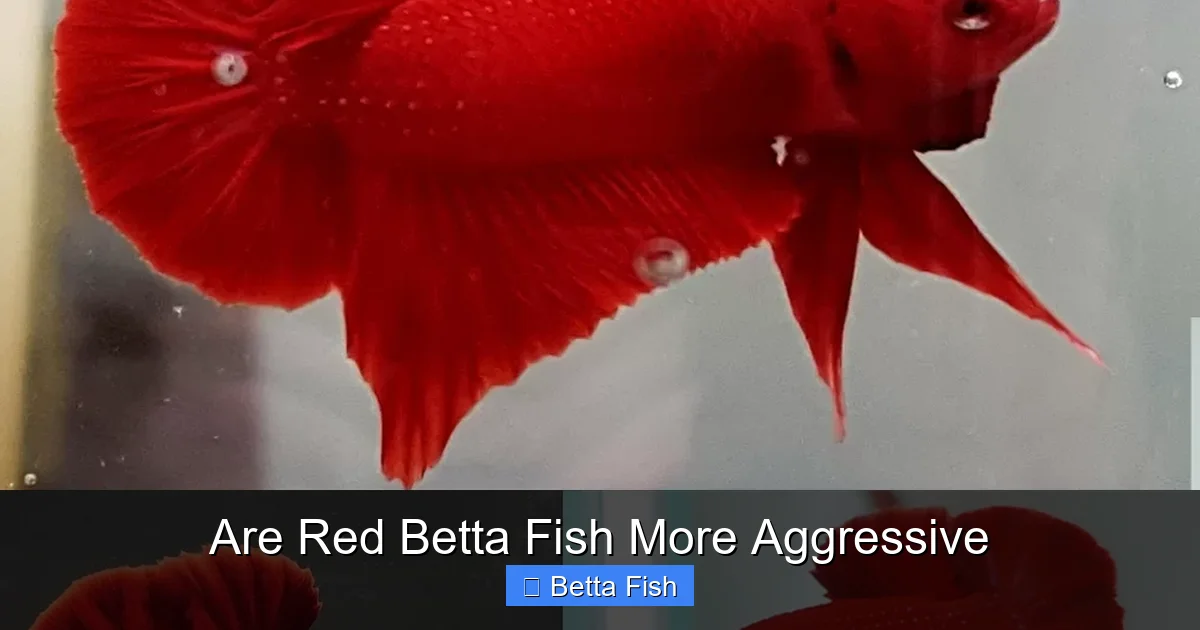
Betta fish have been selectively bred for decades. Some breeders focus on vivid colors, others on finnage, and a few on temperament. Bloodlines that produce intense reds often come from “fighter” lines, originally bred for koi and other fighting fish. Those lines carry genes that predispose the fish to stand their ground. This is why many red bettas seem to have a bit more “spunk.”
Visual guide about Are Red Betta Fish More Aggressive
Image source: aquariumfishonline.com.au
Gender Differences
Male bettas are naturally territorial. Their primary goal is to protect a bubble‑nest and claim a breeding area. Females can be aggressive, especially when crowded, but they usually display milder posturing. For a deeper dive on gender‑related aggression, see our article Why Are Male Betta Fish So Aggressive.
Environmental Triggers
- Tank size: Small containers cramp a betta’s space, leading to stress‑induced aggression.
- Water conditions: Poor water quality raises cortisol levels, making any betta more irritable.
- Visual barriers: Mirrors or reflections can cause a betta to think another rival is present.
Does Red Color Increase Aggression?
The Science of Pigmentation
Red bettas get their color from carotenoid pigments, which are diet‑derived. These pigments have no direct link to hormone levels that control aggression. However, because bright reds are often the result of selective breeding for show quality, the same breeding that intensifies color can also amplify bold behavior.

Visual guide about Are Red Betta Fish More Aggressive
Image source: i.ytimg.com
Observational Studies
Several hobbyist surveys have compared aggression scores across color groups. The consensus? Red bettas score slightly higher on average, but the difference is small and overlapped by many non‑red individuals. In other words, a calm blue betta can be more aggressive than a feisty red one.
Comparing to Other Colors
When you look at orange, yellow, or even turquoise bettas, you’ll find a wide range of temperaments in each. The key takeaway is that color is a visual cue, not a behavioral guarantee. For a broader view of aggression across betta varieties, check out Which Betta Fish Is More Aggressive.
How to Tell If Your Red Betta Is Being Aggressive
Body Language Basics
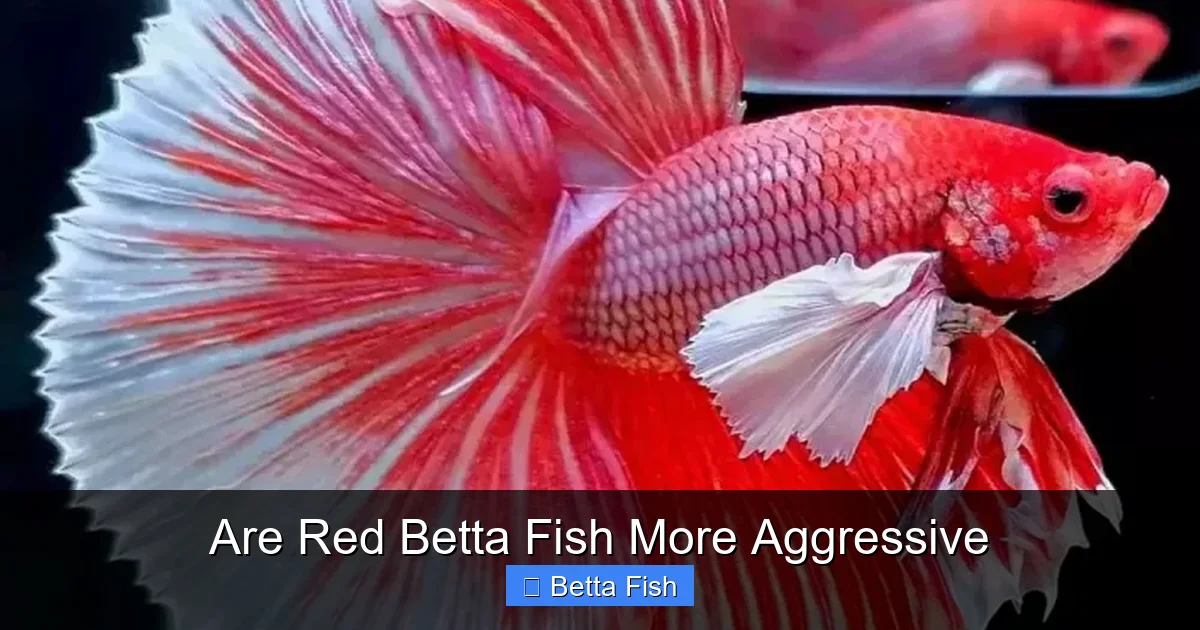
- Fin flaring: Expanding the dorsal and caudal fins is a classic warning sign.
- Gasping at the surface: Rapid gulps of air often accompany territorial displays.
- Bubble‑nest building: While normal, excessive, frantic building can indicate heightened stress.
Behavioral Patterns
Watch for repeated attacks on tank decorations or the glass. If your betta constantly bumps the sides of the tank, it may be reacting to perceived rivals.
Visual guide about Are Red Betta Fish More Aggressive
Image source: aquariumfishonline.com.au
Creating a Calm Environment for Red Betta Fish
Tank Size and Layout
Even though many people keep bettas in tiny bowls, a 5‑gal (or larger) tank gives your red betta room to explore without feeling threatened. Add silk plants, caves, and driftwood to break lines of sight.
Water Quality and Temperature
Maintain a temperature between 76‑80°F (24‑27°C) and a pH of 6.5‑7.5. Perform 25‑30% water changes weekly to keep ammonia and nitrite at zero. Clean water reduces stress hormones that can turn a calm red betta into a feisty one.
Feeding for a Happy Betta
High‑quality betta pellets combined with occasional frozen or live foods (bloodworms, daphnia) provide the carotenoids needed for that brilliant red hue and support overall health. A well‑fed betta is less likely to act out.
Housing Multiple Betta Fish: Is It Ever Safe?
Male‑to‑Male Interactions
Two male bettas, even if one is a calm blue and the other a fiery red, will almost always fight. The only safe method is a divided tank or a large community tank with plenty of hiding spots.
Female Betta Communities
Females can coexist in “sorority” setups if the tank is spacious (10‑20 gallons) and heavily planted. However, keep an eye on any red females that show dominant behavior; they may need to be separated.
Read more about group housing in our guide Can You Have More Than One Betta Fish Together.
Common Myths About Red Betta Aggression
Myth 1: All Red Bettas Are Fighters
False. While many red bettas come from aggressive lines, plenty are gentle and enjoy calm environments.
Myth 2: Red Means “Mean”
Color perception is human‑centric. In the wild, red can signal health and vitality, not hostility.
Myth 3: Aggression Can’t Be Managed
Wrong again. Proper tank setup, diet, and regular observation can dramatically lower aggression in any betta, red or not.
Practical Tips to Reduce Aggression in Red Betta Fish
- Provide visual breaks: Use background posters or plants to block straight lines of sight.
- Limit mirror exposure: Mirrors can trigger endless fighting cycles.
- Stick to a routine: Consistent feeding times and water changes create a predictable world.
- Choose compatible tank mates: Small, non‑aggressive species like snails or shrimp can occupy corners without provoking the betta.
- Monitor water parameters daily: A quick test kit check prevents hidden stressors.
Conclusion: The Real Answer to “Are Red Betta Fish More Aggressive?”
Red betta fish are not inherently more aggressive because of their color. Their temperament is shaped by genetics, gender, and especially the environment you provide. By offering a spacious, well‑filtered tank, stable water conditions, and a balanced diet, you can enjoy the stunning scarlet display of a red betta without fearing constant fights.
So the next time you stare at that brilliant red flash, remember: the fish’s attitude is in your hands. With the right care, your red betta can be a calm, charismatic companion rather than a relentless warrior.
Frequently Asked Questions
Are red betta fish naturally more aggressive than other colors?
No. Color alone does not dictate aggression. Red bettas may appear more aggressive because many come from lines bred for boldness, but temperament varies widely across all colors.
Do male red bettas fight more than females?
Yes. Male bettas, regardless of color, are territorial and will defend a bubble‑nest. Female bettas can be aggressive, especially in groups, but generally less so than males.
Can I keep two red bettas together?
Only in a divided tank or a large, heavily planted community tank with plenty of hiding spots. Two males together in the same space will almost always fight.
How can I tell if my red betta is stressed?
Look for rapid fin flaring, excessive gill breathing, and frantic bubble‑nest building. Stress often coincides with cloudy water, temperature swings, or poor water quality.
Will adding live plants calm a red betta?
Yes. Live plants break up sight lines and provide natural hiding places, which can reduce territorial displays and lower aggression.
Is there a link between diet and aggression in red bettas?
A balanced diet rich in protein and carotenoids supports overall health and vibrant color, helping to keep stress hormones low and aggression in check.