Are Red White and Blue Betta Fish Easy to Find
Red, white and blue bettas are among the most popular color combos, but their availability varies by season, source, and region. While many hobbyists can locate them at local stores or online, understanding where to look and what to expect will save you time and money.
Key Takeaways
- Availability fluctuates: Peaks during holiday sales and breeding seasons.
- Source matters: Reputable breeders usually have healthier, true‑color fish.
- Online vs. local: Both have pros and cons; compare shipping policies and return options.
- Price range: Expect $10‑$30 for standard specimens; show-quality fish cost more.
- Health checks are crucial: Look for vibrant fins, steady swimming, and no white spots.
- Seasonal colors: Some breeders focus on red‑white‑blue combos during summer breeding cycles.
- Legal considerations: Ensure the seller follows local import regulations.
📑 Table of Contents
- Introduction: Why the Red‑White‑Blue Betta Is So Popular
- 1. Understanding Betta Color Genetics
- 2. Seasonal Availability and Breeding Cycles
- 3. Where to Look: Local Stores vs. Online Retailers
- 4. Pricing: What Should You Expect to Pay?
- 5. Spotting a Healthy Red‑White‑Blue Betta
- 6. Tips for Buying and Transporting Your New Betta
- Conclusion: Can You Easily Find a Red‑White‑Blue Betta?
Introduction: Why the Red‑White‑Blue Betta Is So Popular
If you’ve ever walked past a pet store and seen a betta flashing bright red, crisp white, and deep blue, you know the visual impact is instant. Those three colors together create a striking “flag” effect that many hobbyists associate with patriotism, celebrations, or simply a splash of bold beauty. But the excitement often raises a practical question: are red white and blue betta fish easy to find?
In this article we’ll walk through the real‑world availability of these tricolored bettas, where you can look for them, what to expect in terms of price and quality, and how to spot a healthy specimen. By the end you’ll have a clear roadmap for adding a red‑white‑blue betta to your tank without the guesswork.
1. Understanding Betta Color Genetics
How colors are produced
Betta fish get their colors from two main sources: pigment cells (melanophores, xanthophores, iridophores) and structural coloration. Breeders manipulate these cells through selective breeding, creating patterns like solid reds, blues, whites, or combinations such as the patriotic trio.

Visual guide about Are Red White and Blue Betta Fish Easy to Find
Image source: c8.alamy.com
Why some colors are rarer
Pure blues and bright whites require specific genetic lines that are less common than reds or oranges. When a breeder wants a fish that shows all three colors clearly, they must combine multiple lines, which can be more challenging and time‑consuming. This is why the availability of red‑white‑blue bettas can be a bit uneven.
2. Seasonal Availability and Breeding Cycles
Peak breeding months
Most betta breeders follow the natural breeding rhythm of the species, which peaks in the warmer months (April‑September in the Northern Hemisphere). During this time, you’ll see a surge of new fry, including many tricolored varieties.
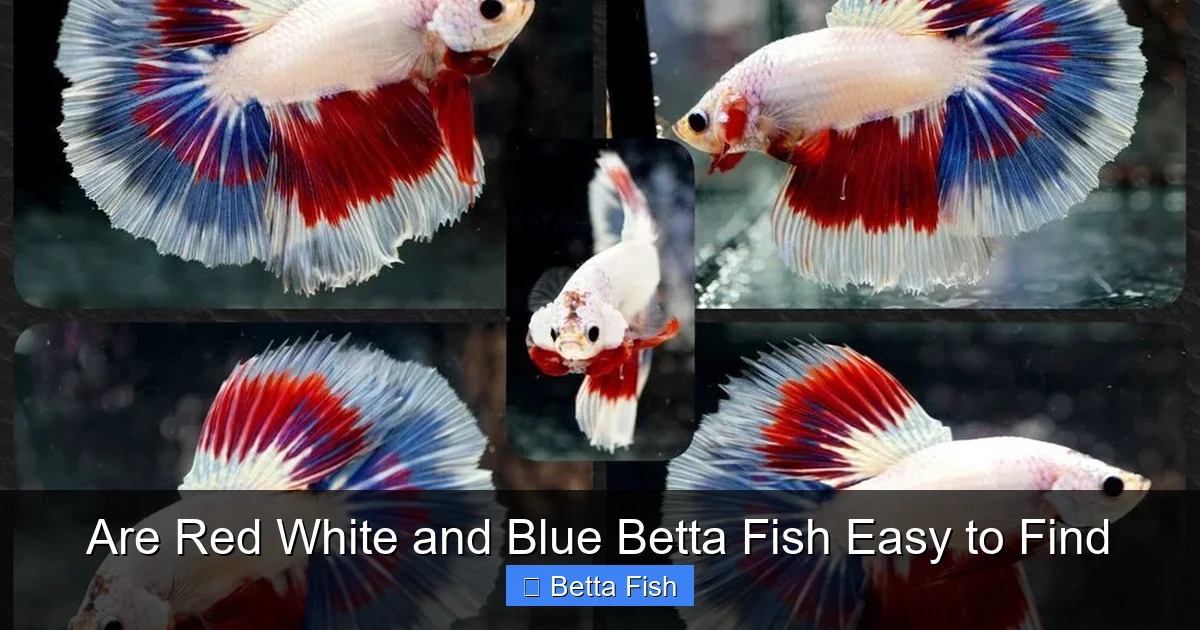
Visual guide about Are Red White and Blue Betta Fish Easy to Find
Image source: i.pinimg.com
Holiday sales and special releases
Retailers love to capitalize on holidays. Around Independence Day in the U.S., many stores showcase red‑white‑blue fish as a themed promotion. This is often the easiest moment to find them at a local pet shop.
3. Where to Look: Local Stores vs. Online Retailers
Pet stores and aquarium shops
Large chain pet stores (PetSmart, Petco) usually have a rotating stock. If you ask the staff about “red white and blue betta fish,” they can often point you to the next shipment. Smaller specialty shops tend to work directly with local breeders and may keep a steady supply of tricolored fish.
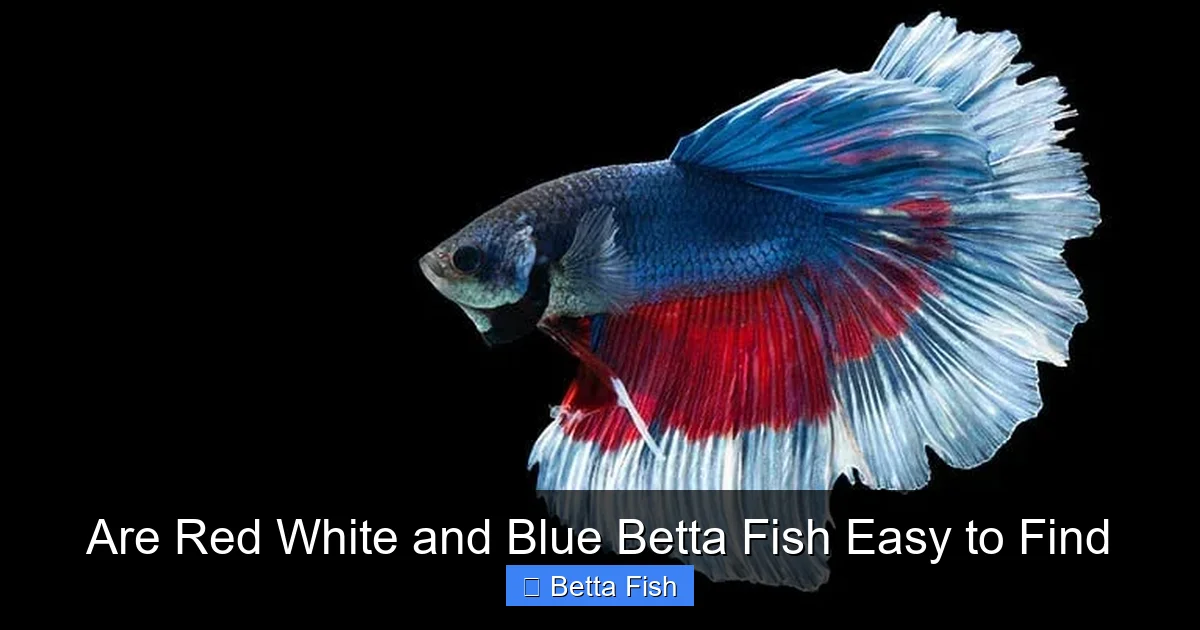
Visual guide about Are Red White and Blue Betta Fish Easy to Find
Image source: a-z-animals.com
Online marketplaces
Websites such as LiveAquaria, BettaFish.com, and even Etsy host many reputable sellers. When shopping online, verify that the seller provides clear photos, health guarantees, and a humane shipping method. Shipping can add $5‑$10 to the price, but it opens up access to breeders outside your region.
Internal link example
Before you decide where to buy, read our guide on are betta fish easy to care for to ensure you’re ready for the responsibility.
4. Pricing: What Should You Expect to Pay?
Standard quality vs. show quality
Typical retail bettas with decent coloration range from $10 to $30. A true red‑white‑blue specimen with vivid, even patches may sit at the higher end of that range. Show‑quality fish, which have flawless color separation and perfect fin shape, can cost $50 or more.
Hidden costs
Don’t forget the tank setup, water conditioner, and food. A healthy betta needs a 5‑gallon tank, a heater (if your room is cool), and a high‑quality pellet or frozen food diet. These ongoing costs are part of the overall investment.
5. Spotting a Healthy Red‑White‑Blue Betta
Key visual cues
- Bright, even coloration: The red, white, and blue should be distinct without muddy blending.
- Intact fins: Look for no ragged edges, tears, or missing pieces.
- Active swimming: A healthy betta swims confidently, flares its fins, and explores the tank.
Common health issues to watch for
White spots or a white‑tinged body can indicate a fungal infection or poor water quality. For more on white‑spot problems, see our article on how to cure white spots on betta fish. If the eyes appear white or cloudy, it could be a sign of internal disease—read why are my betta fish eyes white for details.
6. Tips for Buying and Transporting Your New Betta
Ask the right questions
When contacting a breeder or shop, ask about:
- Age of the fish (you want a young adult, 3‑6 months old).
- Water parameters the fish has been kept in.
- Any recent illnesses or treatments.
Acclimation process
Once you receive your betta, float the sealed bag in your tank for 15‑20 minutes to equalize temperature. Then gradually add small amounts of tank water to the bag over the next hour before releasing the fish. This slow acclimation reduces stress and improves survival rates.
Setting up the ideal home
A 5‑gallon filtered tank with a gentle flow, live plants, and a heater set to 78‑80°F creates a perfect environment. Adding a few silk plants gives the betta places to rest without tearing its fins.
Conclusion: Can You Easily Find a Red‑White‑Blue Betta?
In short, are red white and blue betta fish easy to find depends on timing, source, and a bit of patience. During peak breeding months or holiday promotions, they appear on most shelves and online catalogs. By knowing where to look, what price to expect, and how to assess health, you can confidently add a stunning tricolored betta to your aquarium.
Remember, the true joy comes not just from the purchase but from providing a thriving home where that vibrant red, crisp white, and deep blue can shine every day.
Frequently Asked Questions
Are red‑white‑blue bettas more expensive than other colors?
Generally yes. Because they require specific breeding lines, they often cost $15‑$30 more than a standard single‑color betta, especially if the colors are vivid and well‑separated.
Can I get a red‑white‑blue betta from a local pet store?
Yes, especially during seasonal sales or holiday promotions. Call ahead to ask if they have any in stock, and be prepared to act quickly as they sell out fast.
Do I need a larger tank for a tricolored betta?
No. All bettas, regardless of color, thrive best in a minimum 5‑gallon tank with a heater and gentle filtration.
What should I do if my new betta shows white spots?
Isolate the fish in a hospital tank, improve water quality, and treat with a suitable antifungal medication. For step‑by‑step guidance, see our article on how to cure white spots on betta fish.
Is it safe to ship a betta across state lines?
Most reputable sellers use insulated containers with heat packs to keep water temperature stable. Check the seller’s shipping policy and ensure they comply with any state regulations.
How can I tell if the colors will stay vibrant as the fish ages?
Healthy bettas maintain color when kept in proper water conditions, fed a balanced diet, and not stressed. Poor water quality or frequent fighting can cause colors to fade over time.