Can Amano Shrimp Live with Betta Fish
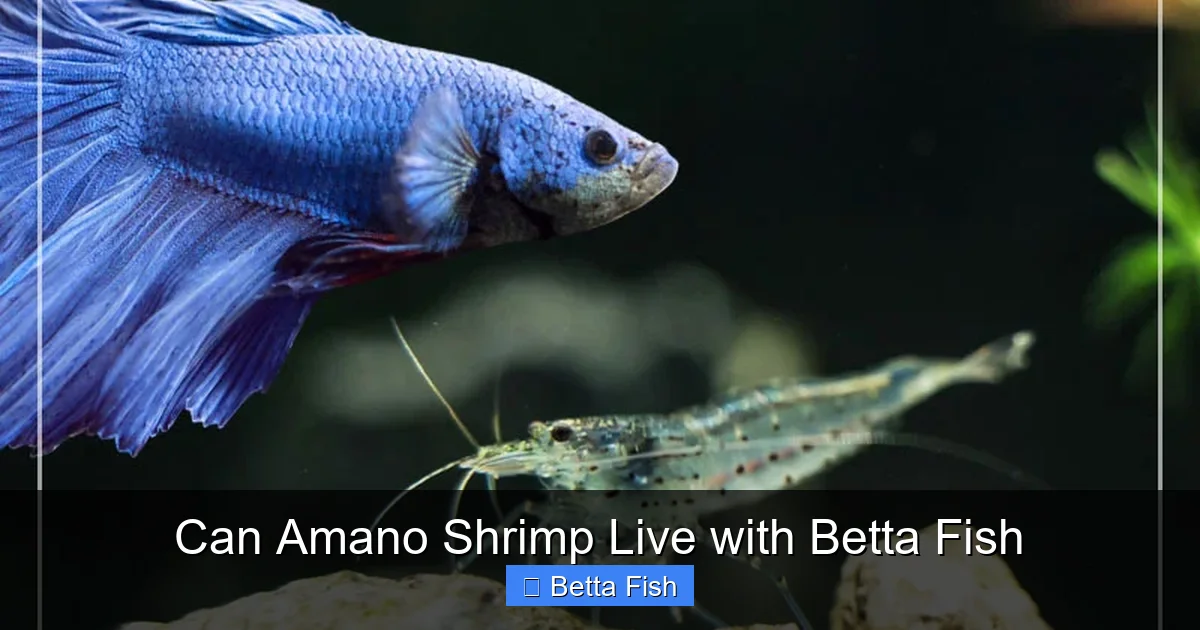
Can Amano shrimp live with betta fish? Yes—under the right conditions. By providing plenty of hiding spots, stable water parameters, and a peaceful betta temperament, you can enjoy a thriving community tank. Follow our step‑by‑step guide to set up a safe, beautiful home for both.
Key Takeaways
- Temperament matters: A calm betta is more likely to coexist peacefully with Amano shrimp.
- Tank size & layout: At least 10 gallons with dense planting gives shrimp places to hide.
- Water parameters: Keep temperature 72‑78 °F, pH 6.5‑7.5, and soft to moderately hard water for both species.
- Feeding strategy: Offer sinking foods for shrimp and occasional protein for the betta to prevent competition.
- Monitoring is key: Watch for signs of stress and be ready to separate if aggression occurs.
- Compatible tank mates: Small, non‑aggressive fish and snails can share the space when introduced carefully.
- Regular maintenance: Clean water, stable parameters, and routine checks keep the community stable.
📑 Table of Contents
- Introduction: A Colorful Question
- Understanding the Players
- Setting Up the Perfect Home
- Feeding Both Species Without Conflict
- Potential Problems and How to Solve Them
- Enhancing the Community: Other Compatible Tank Mates
- Maintenance Routine for a Happy Tank
- Conclusion: A Peaceful Partnership Is Possible
Introduction: A Colorful Question
If you’ve ever watched a bright orange Amano shrimp glide across a lush aquarium, you’ve probably wondered whether that serene little creature can share a home with a bold, flaring betta fish. The short answer is “yes, it can,” but the reality is a bit more nuanced. Betta fish are known for their territorial nature, especially males, while Amano shrimp (Caridina multidentata) are peaceful scavengers that love to clean up algae and leftover food.
In this guide we’ll break down everything you need to know about pairing these two species. From temperament and tank size to water chemistry and feeding tricks, you’ll get a clear, friendly roadmap to creating a harmonious community tank. Think of it as a conversation over coffee with a fellow hobbyist—simple, practical, and full of real‑world tips.
Understanding the Players
Betta Fish: The Personality
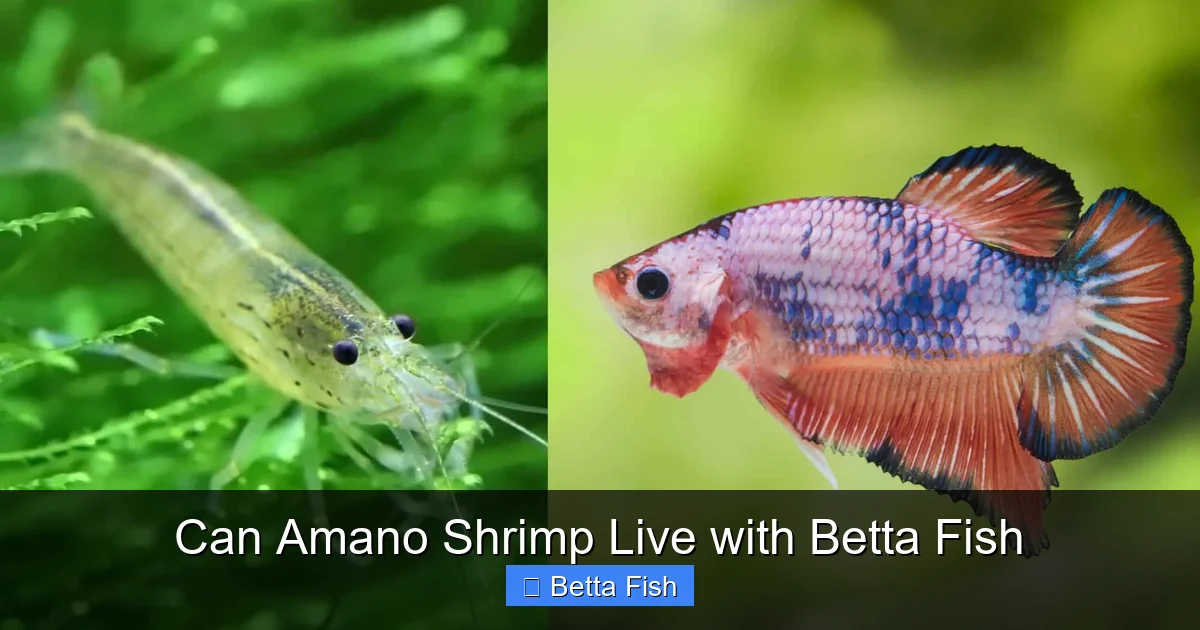
Betta fish, also called Siamese fighting fish, are prized for their vivid colors and flowing fins. Males are especially territorial and may flare at any fish that looks like a rival. However, not all bettas are aggressive; personality varies widely. A calm betta that has been raised with other tank mates is more likely to accept shrimp.
Visual guide about Can Amano Shrimp Live with Betta Fish
Image source: aquariadise.com
Amano Shrimp: The Clean‑Up Crew
Amano shrimp are larger than many other freshwater shrimp, growing up to 2 inches. They are excellent algae eaters and love to scavenge. Their translucent bodies make them less visible, which can be an advantage when a betta is watching closely. They are hardy, tolerate a range of water conditions, and reproduce readily if the tank is mature.
Why Pair Them?
- Natural cleaning: Amano shrimp will help keep the tank spotless, reducing algae and uneaten food.
- Visual interest: The contrast between the shrimp’s delicate movement and the betta’s bold displays adds depth to the aquarium.
- Cost‑effective: Both species are readily available and inexpensive, making a mixed tank a budget‑friendly option.
Setting Up the Perfect Home
Tank Size and Shape
While a betta can survive in a 5‑gallon bowl, a community tank with Amano shrimp needs more space. Aim for at least a 10‑gallon (38 L) tank. A longer tank with a planted front and open back gives shrimp room to forage and betta space to claim a territory without feeling cramped.
Visual guide about Can Amano Shrimp Live with Betta Fish
Image source: bettasource.com
Substrate and Decorations
Fine sand or smooth gravel works well. Add plenty of live plants such as Java fern, Anubias, and floating mosses. These plants provide hiding spots for shrimp and break the line of sight for a betta, reducing aggression. Driftwood and rock caves are also great “shrimp hideouts.”
Water Parameters
Both bettas and Amano shrimp thrive in similar water conditions:
- Temperature: 72‑78 °F (22‑26 °C)
- pH: 6.5‑7.5
- Hardness: 4‑12 dGH
- Ammonia & nitrite: 0 ppm
- Nitrate: < 20 ppm (ideal)
Use a reliable heater and a gentle filter that creates a low‑flow environment. Strong currents can stress both species.
Lighting
Moderate lighting (8‑10 hours per day) supports plant growth without encouraging excessive algae, which could attract the betta’s attention. A dimmer corner can be left for the shrimp to feel safe during feeding.
Introducing the Betta and Shrimp
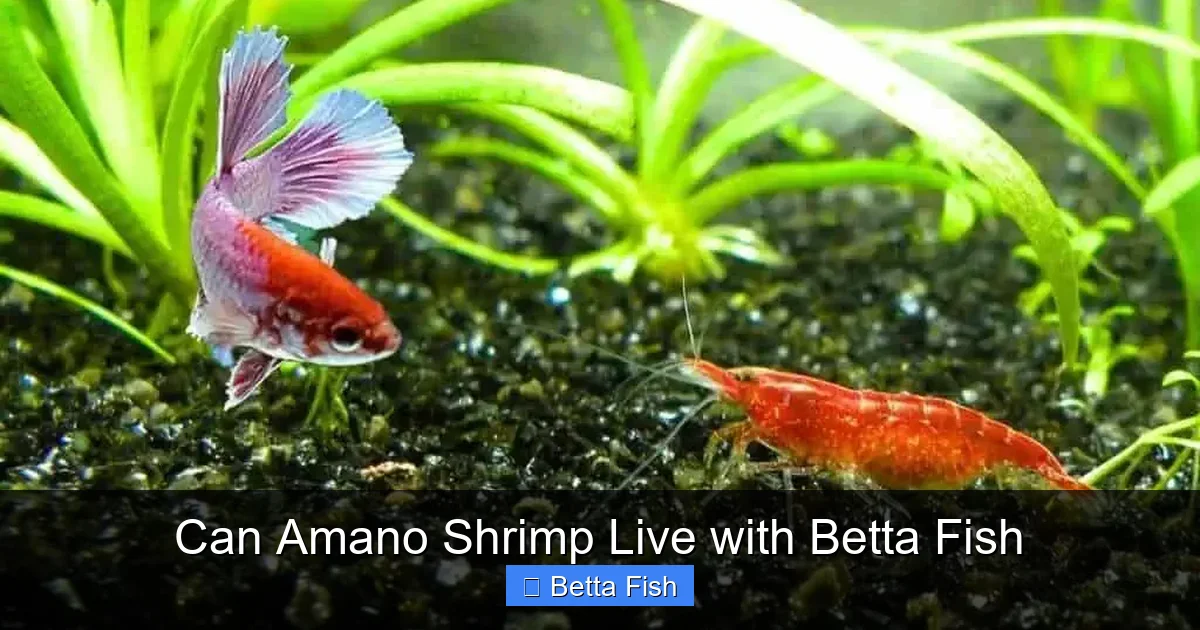
Start by cycling the tank fully. Once stable, introduce the betta first and let it establish its territory for a few days. Then, slowly add a group of Amano shrimp (at least 5‑6 individuals) using a breeding net to minimize shock. Observe for any immediate aggression; a brief “flaring” is normal, but persistent chasing means you may need to rearrange décor or consider a separate tank.
Feeding Both Species Without Conflict
What to Feed Amano Shrimp
Amano shrimp are omnivores. Offer high‑quality algae wafers, blanched vegetables (zucchini, spinach), and occasional protein like daphnia. Because they are scavengers, they’ll also clean up leftover betta food.
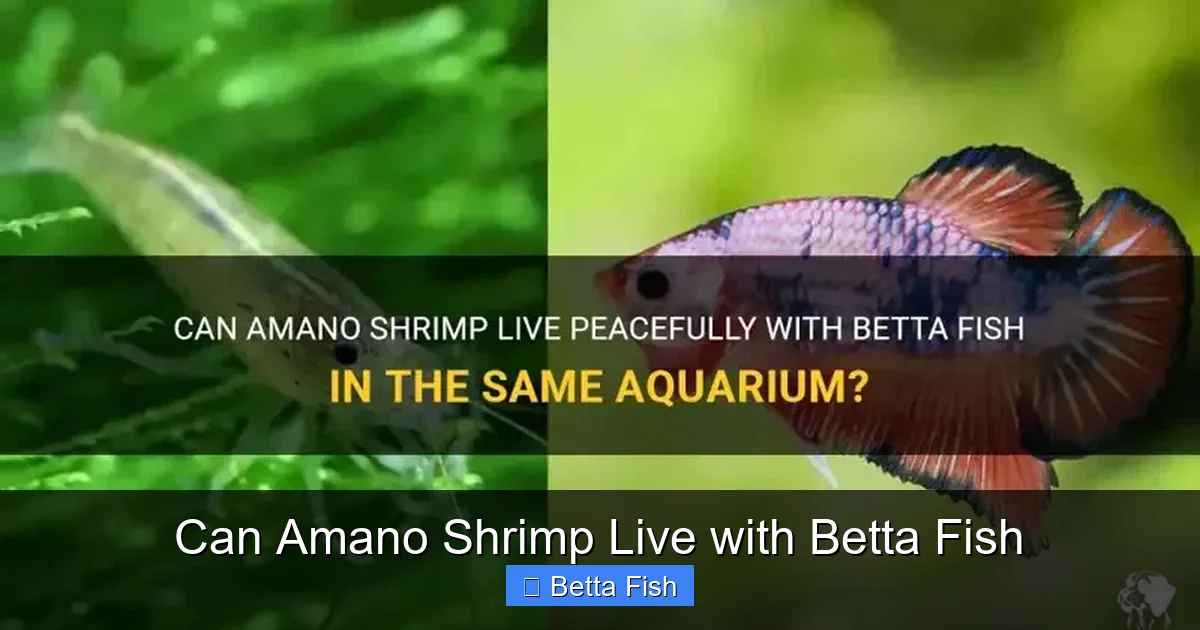
Visual guide about Can Amano Shrimp Live with Betta Fish
Image source: petshun.com
What to Feed Betta Fish
Betta pellets or frozen bloodworms work well. Feed small amounts 2‑3 times daily. Overfeeding creates excess waste, which can attract the betta’s attention to the shrimp.
Feeding Schedule Tips
- Feed the betta first, then wait a minute before adding shrimp food.
- Use sinking shrimp pellets that settle at the bottom, away from the betta’s line of sight.
- Spot‑feed shrimp in the plant canopy where the betta can’t see them.
Potential Problems and How to Solve Them
Aggressive Betta Behavior
If the betta shows persistent aggression—chasing, nipping, or flaring constantly—consider these steps:
- Rearrange decorations to break visual lines.
- Increase plant density to give shrimp more refuge.
- Upgrade to a larger tank for more space.
- In extreme cases, move the betta to a separate tank.
Water Quality Issues
Because both species are sensitive to spikes, perform weekly water changes of 20‑30 %. Test water parameters regularly, especially after adding new shrimp or fish.
Diseases and Stress
Watch for signs of stress: faded colors, clamped fins, or shrimp that hide constantly. If you notice any disease symptoms such as white spots or cottony growth, treat the tank with appropriate medication and quarantine the affected animal.
Enhancing the Community: Other Compatible Tank Mates
While Amano shrimp and a betta can share a tank, you may want to add more variety. Good companions include:
- Small, peaceful rasboras or neon tetras (avoid fin‑nippers).
- Snails such as Nerite or Mystery snails—great algae eaters that won’t bother the betta.
- Other shrimp species like Cherry shrimp, provided the betta is calm.
For more ideas on compatible fish, check out What Other Fish Can Live With Betta Fish and Can You Have Shrimp With Betta Fish. These resources dive deeper into species‑specific compatibility.
Maintenance Routine for a Happy Tank
Weekly Tasks
- Test water parameters (pH, ammonia, nitrite, nitrate).
- Perform a 20‑30 % water change.
- Trim fast‑growing plants.
- Vacuum substrate lightly to remove debris.
Monthly Checks
- Inspect filter media and rinse if needed.
- Observe shrimp molting; ensure plenty of hiding spots.
- Check betta’s fins for signs of rot or infection.
Seasonal Adjustments
In warmer months, monitor temperature closely; a heater may not be needed if room temperature stays within the ideal range. In cooler months, a heater is essential to keep the water stable.
Conclusion: A Peaceful Partnership Is Possible
So, can Amano shrimp live with betta fish? Absolutely—provided you respect the betta’s temperament, give the shrimp ample hiding places, and maintain pristine water conditions. By following the steps outlined above, you’ll create a thriving little ecosystem where the betta shows off its colors and the Amano shrimp diligently cleans the tank. Remember, patience and observation are your best tools. Start slow, watch the interactions, and enjoy the beautiful, dynamic display of two very different creatures sharing a home.
Frequently Asked Questions
Can Amano shrimp be harmed by a betta fish?
Yes, a very aggressive betta may nip at shrimp, especially if the shrimp are small or the betta is territorial. Providing plenty of plants and hiding spots reduces this risk.
What tank size is ideal for betta and Amano shrimp?
A minimum of 10 gallons is recommended. Larger tanks give both species space to establish territories and reduce stress.
Do I need a special filter for this community?
A gentle, low‑flow filter works best. It keeps the water clean without creating a strong current that can stress the shrimp.
How often should I feed my Amano shrimp?
Feed them once a day with a small amount of algae wafers or blanched vegetables. Overfeeding leads to water quality problems.
Can I add other fish with betta and Amano shrimp?
Yes, small, non‑aggressive fish like neon tetras or rasboras can coexist, but always monitor for signs of aggression.
What signs indicate my betta is stressed?
Look for faded colors, clamped fins, excessive flaring, or loss of appetite. Stress often signals water issues or incompatibility.