Are Potato Bush Plants Toxic to Betta Fish
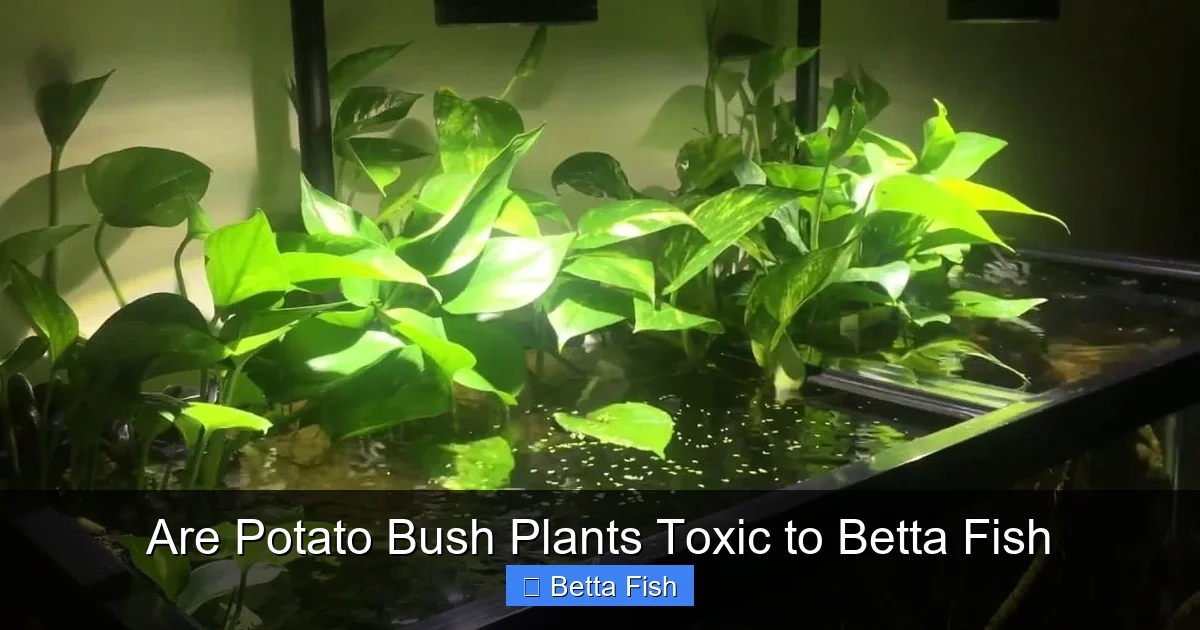
Potato bush plants (Solanum dulcamara) are not recommended for betta tanks because they can release toxins that stress or harm your fish. Understanding the risks and choosing safer live plants will help you create a vibrant, betta‑friendly environment.
Key Takeaways
- Potato bush toxicity: The plant contains alkaloids that can be harmful to bettas if released into the water.
- Safe alternatives: Species like Java fern, Anubias, and Marimo are proven betta‑friendly.
- Water parameters matter: Proper filtration and regular water changes reduce any risk from accidental plant decay.
- Observation is key: Watch for signs of stress—loss of color, erratic swimming, or gasping.
- Proper planting: Anchor live plants in substrate or tie them to driftwood to prevent uprooting and decay.
- Internal resources: Learn more about betta care and plant selection on our site.
- Quick action: If you suspect toxicity, perform an immediate water change and remove the plant.
📑 Table of Contents
- Introduction: Why the Question Matters
- What Is a Potato Bush Plant?
- Are Potato Bush Plants Toxic to Betta Fish?
- How Toxicity Happens: The Path from Plant to Fish
- Safe Live Plants for Betta Tanks
- Setting Up a Betta‑Friendly Planted Tank
- Identifying Signs of Plant‑Related Stress
- Frequently Asked Questions About Potato Bush and Betta Health
- Conclusion: Keep It Simple, Keep It Safe
Introduction: Why the Question Matters
Betta fish are famous for their dazzling colors and feisty personalities, but they are also surprisingly sensitive to their surroundings. Many hobbyists love to add live plants to a betta tank because plants provide hiding spots, improve water quality, and make the aquarium look like a mini‑rainforest. However, not every green friend is safe. One plant that often pops up in garden centers is the potato bush (Solanum dulcamara). If you’ve ever wondered “are potato bush plants toxic to betta fish?” you’re not alone.
In this article we’ll break down the science behind potato bush toxicity, compare it to betta‑safe plants, and give you step‑by‑step tips for creating a healthy planted tank. By the end you’ll know exactly whether that pretty purple shrub belongs in your betta’s home—or if it’s better left on the windowsill.
What Is a Potato Bush Plant?
Botanical background
The potato bush, also called climbing nightshade, belongs to the Solanaceae family—the same family as tomatoes, potatoes, and deadly nightshade. Native to Europe and Asia, it spreads quickly with vine‑like stems and clusters of small, bell‑shaped flowers that turn from white to pink to deep purple.
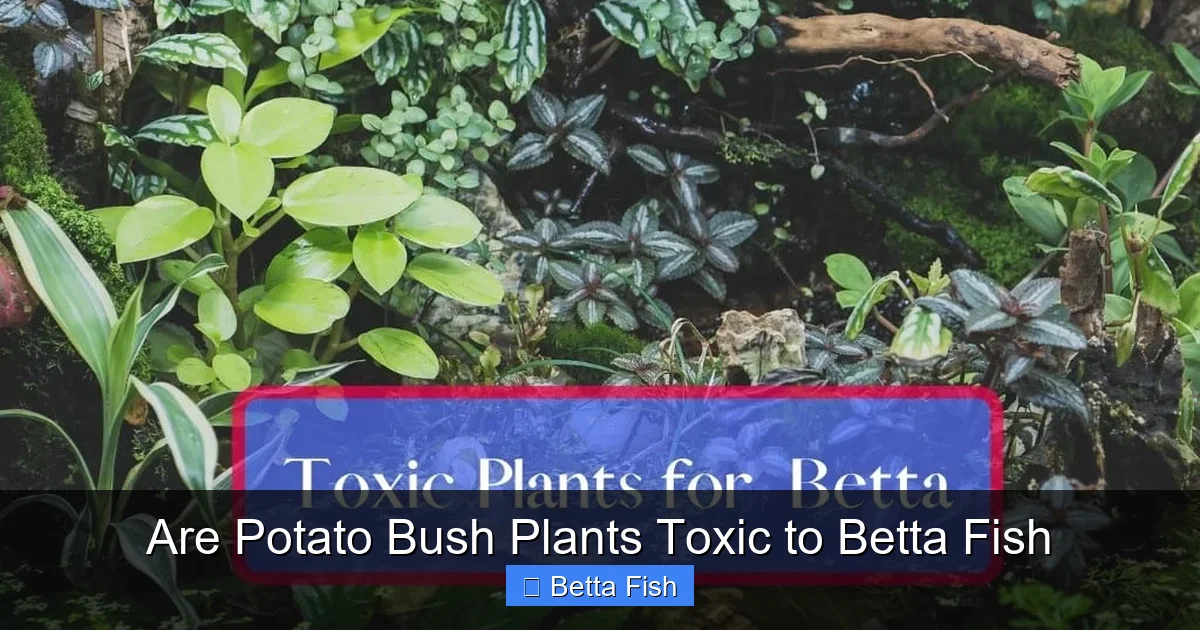
Visual guide about Are Potato Bush Plants Toxic to Betta Fish
Image source: fishtanko.com
Key compounds
Like many Solanaceae members, potato bush contains glycoalkaloids (solanine, chaconine) and other alkaloids that act as natural pesticides. In humans these chemicals can cause stomach upset if ingested in large amounts. In fish, the same compounds can be absorbed through the gills or skin, potentially leading to stress, organ damage, or death.
Are Potato Bush Plants Toxic to Betta Fish?
Scientific perspective
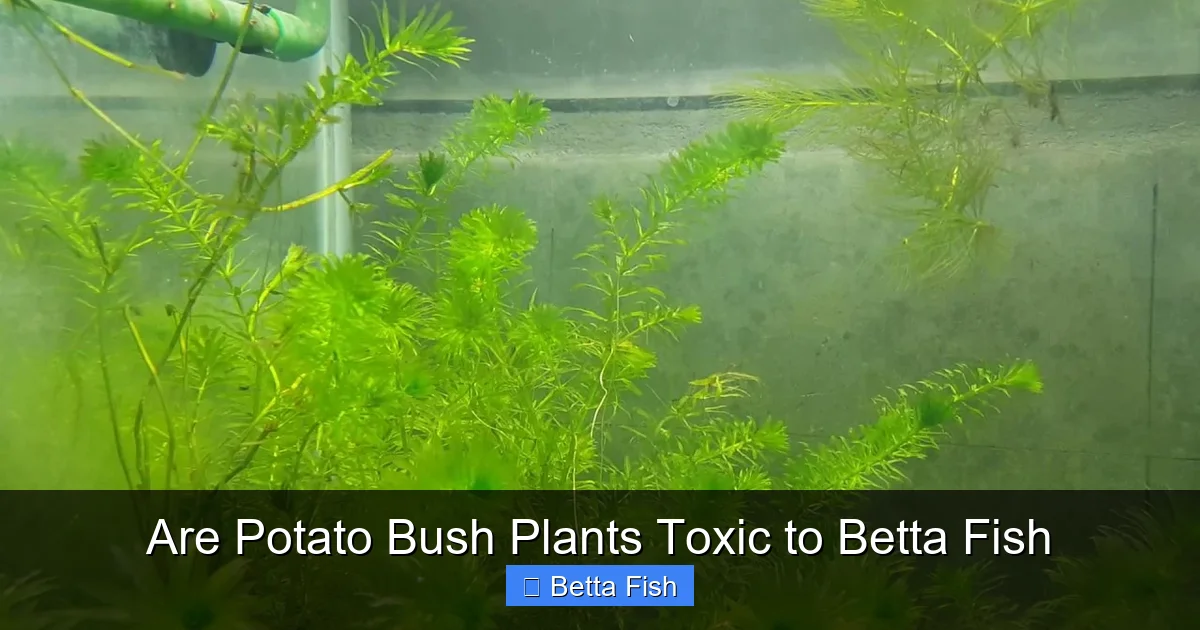
Research on Solanaceae toxicity in freshwater fish is limited, but several studies on related species (e.g., tomato leaves, nightshade) show that glycoalkaloids can cause gill irritation and affect ion regulation. Because betta fish have delicate respiratory surfaces and prefer stable water chemistry, even low levels of these compounds can be problematic.
Visual guide about Are Potato Bush Plants Toxic to Betta Fish
Image source: japanesefightingfish.org
Practical aquarium observations
Aquarists who have tried potato bush in community tanks report:
- Cloudy water shortly after planting, suggesting leaching of organic compounds.
- Increased surface film and a slight “herbaceous” odor.
- Occasional fin rubbing or gasping at the surface, especially in smaller betta bowls.
While not every betta will react the same way, the consensus among experienced hobbyists is clear: potato bush is a risky choice and should be avoided in betta setups.
How Toxicity Happens: The Path from Plant to Fish
Leaching of alkaloids
When a potato bush is placed in water, its roots and leaves release soluble compounds. These chemicals dissolve into the aquarium water, where they become available to the fish’s gills.
Visual guide about Are Potato Bush Plants Toxic to Betta Fish
Image source: miro.medium.com
Absorption through gills
Betta fish breathe by drawing water over their gill filaments. Toxic molecules can bind to the delicate epithelial cells, disrupting oxygen exchange and causing irritation.
Impact on water parameters
Alkaloids can also affect the biological filter by inhibiting beneficial bacteria, leading to spikes in ammonia or nitrite—both deadly to bettas.
Safe Live Plants for Betta Tanks
If you love the look of live foliage, there are plenty of betta‑friendly options that won’t leach harmful chemicals.
Java Fern (Microsorum pteropus)
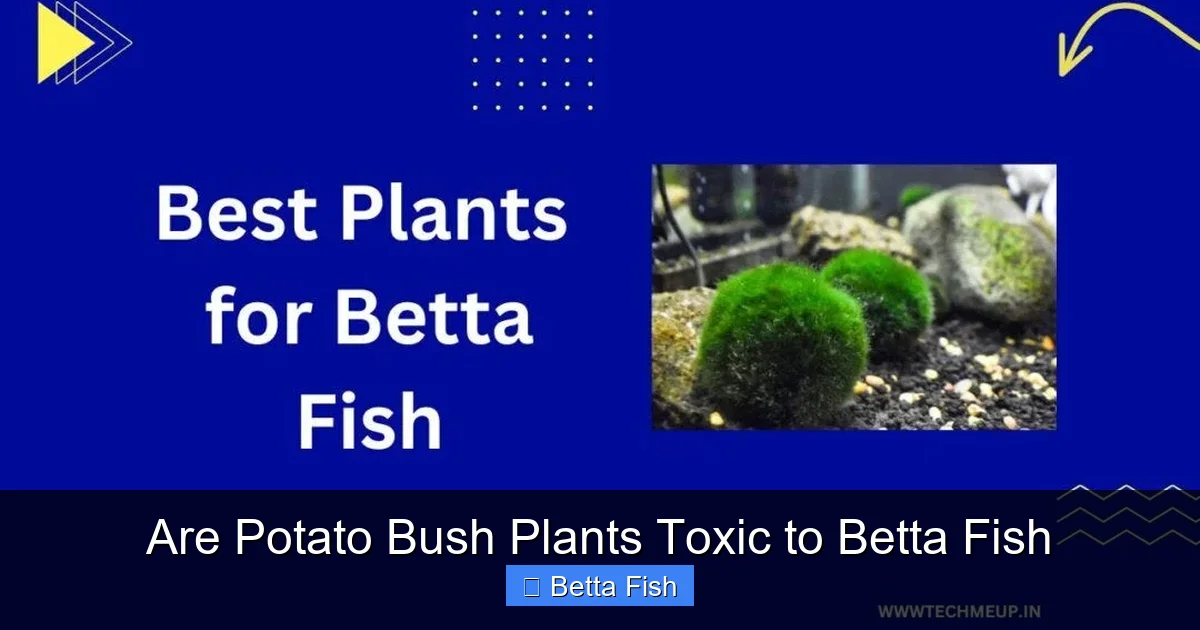
Hardy, low‑light tolerant, and easy to attach to driftwood or rocks. Java fern does not release toxins and even helps absorb nitrates.
Anubias (Anubias barteri)
Another tough plant that thrives in low‑light conditions. Its thick leaves are resistant to betta fin nipping.
Marimo (Aegagropila linnaei)
A floating moss ball that provides surface cover and improves water quality without any risk of toxicity.
Where to buy safe plants
For a curated selection of betta‑safe varieties, check out Where To Buy Live Plants For Betta Fish. Reputable sellers will label plants as “aquarium safe” and often include care instructions.
Setting Up a Betta‑Friendly Planted Tank
Choosing the right substrate
Fine‑grained, nutrient‑rich substrate helps rooted plants establish quickly. Avoid sharp sand that can damage betta fins.
Lighting and CO₂
Most betta‑safe plants need modest lighting (2–3 watts per gallon) and do not require supplemental CO₂. Over‑lighting can encourage algae, which can also stress bettas.
Filtration and water changes
A gentle sponge filter provides adequate flow without creating strong currents that bettas dislike. Perform 25–30% water changes weekly to keep any accidental leachates at bay.
Plant placement for betta comfort
- Place taller plants at the back to create a backdrop.
- Leave a central open area for the betta to display its fins.
- Use floating leaves (e.g., Amazon frogbit) for surface cover, but monitor for excess waste.
Cleaning with live plants
When you need to clean the tank, live plants actually help. For detailed guidance, read How To Clean Betta Fish Tank With Live Plants.
Identifying Signs of Plant‑Related Stress
Behavioral clues
If you notice your betta hovering near the water surface, breathing rapidly, or flashing its fins, it could be a reaction to toxins.
Physical symptoms
Look for faded coloration, frayed fins, or a white “cotton‑like” growth on the body—signs of compromised health.
Water testing
Test kits for ammonia, nitrite, and pH are essential. A sudden rise in ammonia after adding a new plant is a red flag.
What to do if you suspect toxicity
- Immediately remove the plant.
- Perform a 50% water change with conditioned water.
- Increase filtration for a few hours.
- Monitor the fish closely for improvement.
Frequently Asked Questions About Potato Bush and Betta Health
Below are quick answers to the most common queries hobbyists have.
Can bettas eat potato bush leaves?
Betta fish are not known to nibble on plant leaves, but if they do, the glycoalkaloids can cause digestive upset.
Is it safe to keep a dead potato bush piece in the tank?
No. Decaying plant material releases even higher concentrations of toxins and can fuel harmful bacteria.
Do all nightshade family plants pose a risk?
Many nightshades contain similar alkaloids, so it’s safer to avoid them altogether in betta tanks.
Can a strong filter neutralize the toxins?
Filters can reduce some compounds, but they are not guaranteed to remove all alkaloids. Prevention is the best approach.
What are the best signs that my betta is thriving?
Bright, consistent coloration, active swimming, and regular feeding are good indicators of a healthy environment.
Should I quarantine new plants before adding them?
Yes. A 24‑hour quarantine in a separate container helps you spot any decay or algae before introducing them to the main tank.
Conclusion: Keep It Simple, Keep It Safe
Answering the question “are potato bush plants toxic to betta fish?” leads to a clear answer: they are best avoided. The plant’s natural alkaloids can leach into water, irritate gills, and disrupt your tank’s biological balance. Instead, opt for proven betta‑friendly plants like Java fern, Anubias, or Marimo, and follow best practices for substrate, lighting, and water maintenance.
By choosing safe greenery, you give your betta a beautiful, stress‑free home where it can flare its fins, explore its territory, and show off its brilliant colors. For more guidance on creating the perfect betta environment, explore our articles on Are Betta Fish Easy To Care For and Which Live Plants Are Good For Betta Fish. Happy planting, and enjoy watching your betta thrive!
Frequently Asked Questions
Are potato bush plants safe for betta fish?
No. Potato bush plants contain alkaloids that can leach into aquarium water and harm bettas.
What symptoms indicate my betta is reacting to a toxic plant?
Look for gasping at the surface, faded colors, erratic swimming, or frayed fins.
Can I use a filter to remove toxins from potato bush?
Filters may reduce some compounds, but they cannot guarantee complete removal; avoidance is safer.
Which live plants are safest for a betta tank?
Java fern, Anubias, Marimo, and other non‑toxic species are excellent choices.
How often should I change water when adding new live plants?
Perform a 25–30% water change weekly, and an extra change if you notice cloudiness after adding a plant.
Is it okay to keep a dead potato bush leaf in the tank for decoration?
Dead leaves decompose and release more toxins, so they should be removed promptly.